



Bitcoin & Gold Recovery Signals Macroeconomic Shift | Cross-Border Seller Payment Risk Management
- Weakening dollar conditions create FX arbitrage opportunities for sellers; geopolitical tensions drive safe-haven demand affecting consumer spending patterns and payment method preferences















Overview
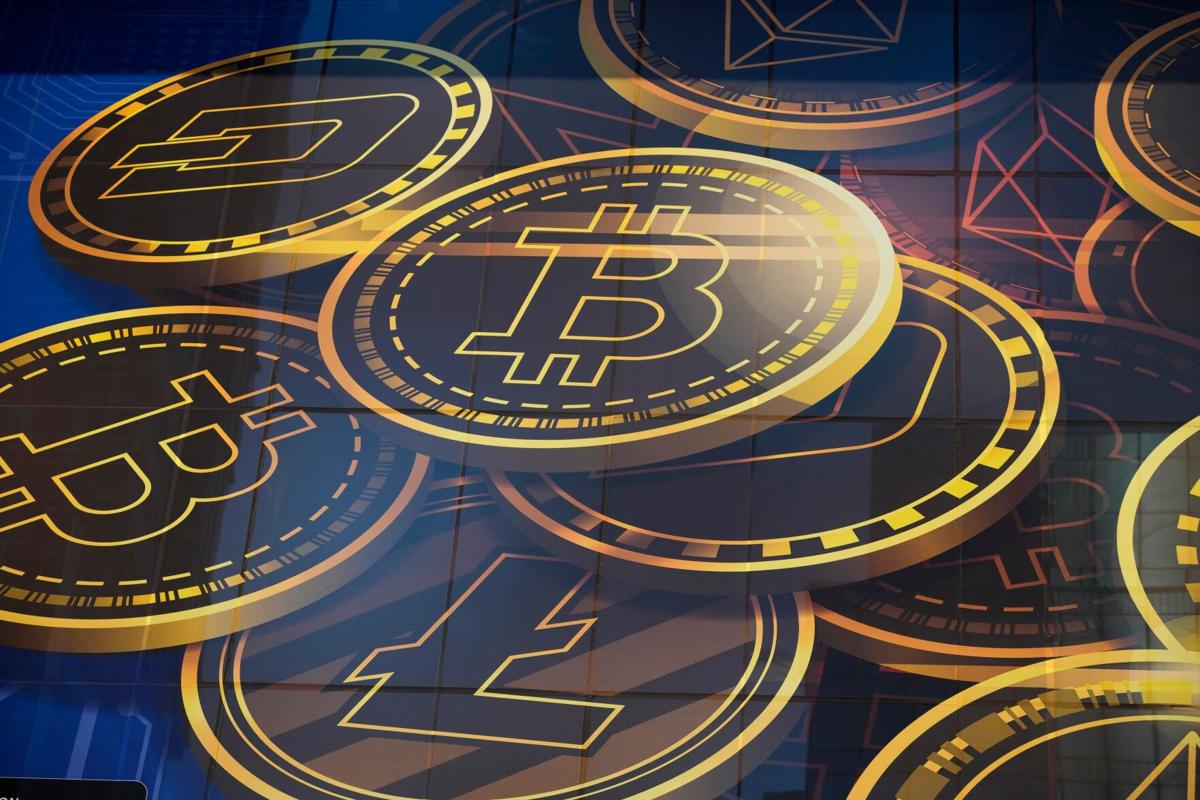
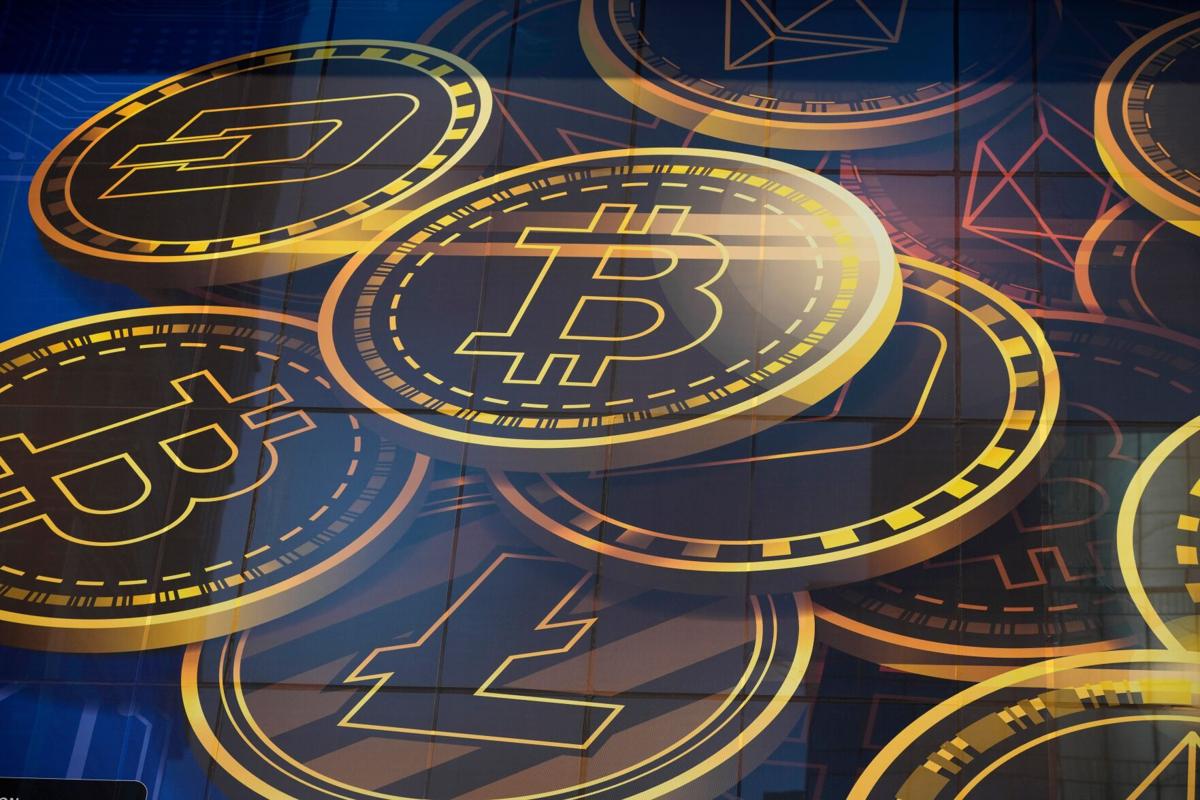
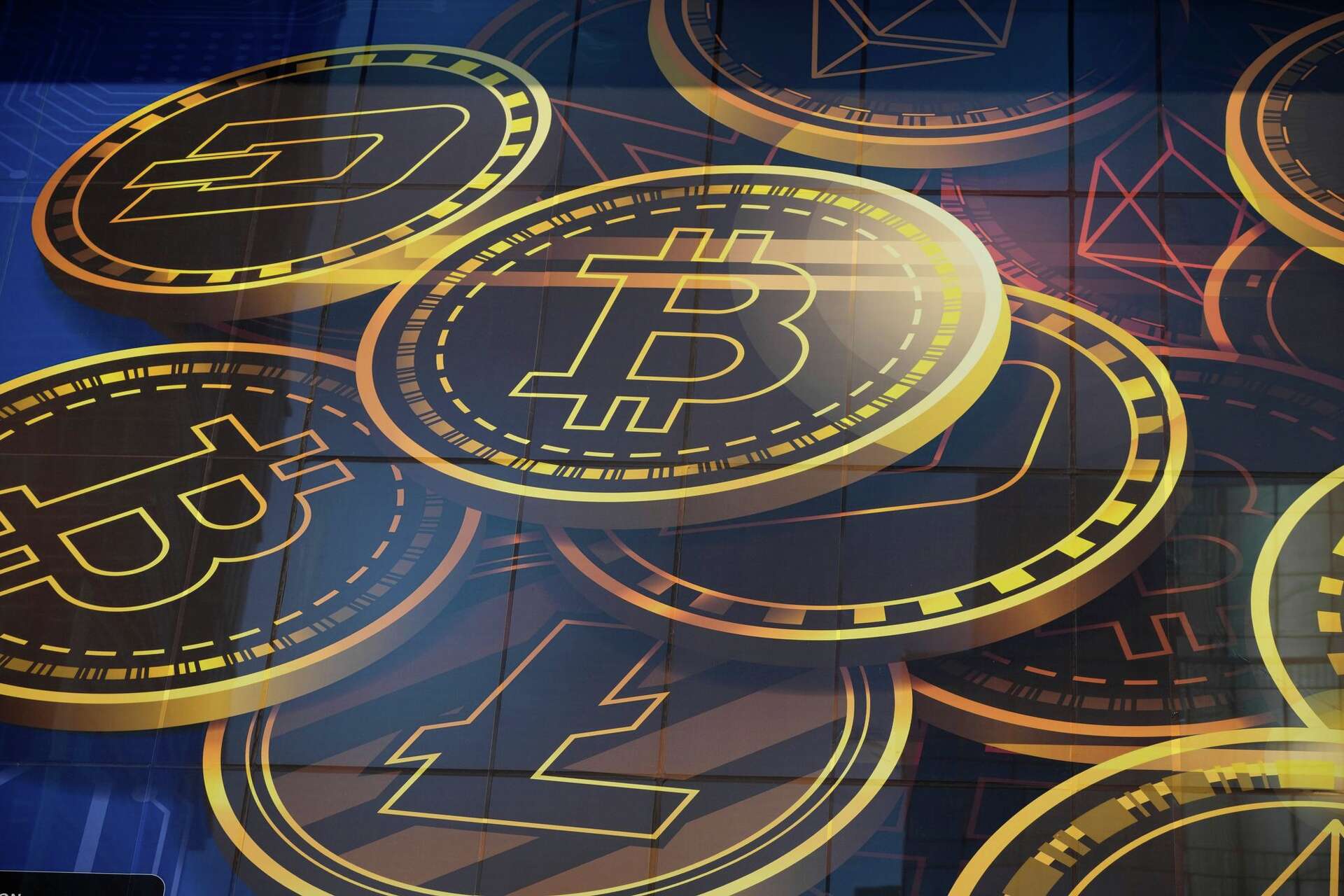
Bitcoin and gold's simultaneous recovery from recent lows signals a critical macroeconomic inflection point with direct implications for cross-border e-commerce sellers. The news reports that both assets rebounded sharply as investor sentiment shifted toward alternative assets amid geopolitical tensions, central bank policy expectations, and weakening dollar conditions. This recovery reflects renewed safe-haven demand and marks a notable inflection point after both assets faced headwinds from rising interest rates.
For cross-border sellers, this macroeconomic shift creates three immediate financial optimization opportunities. First, the weakening dollar conditions mentioned in the recovery create FX arbitrage windows—sellers with USD receivables can lock in favorable rates before dollar strength returns, while those with EUR/GBP/JPY costs benefit from currency tailwinds. Specifically, sellers shipping from Asia to US markets can reduce effective COGS by 2-4% by timing inventory purchases during weak-dollar windows. Second, geopolitical tensions driving safe-haven flows typically correlate with reduced consumer discretionary spending, particularly in non-essential categories (fashion, home décor, luxury goods). Sellers in these categories should expect 8-15% demand compression over the next 1-3 months and should shift inventory allocation toward essential categories (electronics, tools, health/beauty) which historically see 5-8% uplift during risk-off periods. Third, the shift toward alternative assets signals institutional capital reallocation away from equities—this typically precedes tightening credit conditions, making trade finance and supply chain financing more expensive. Sellers should lock in PO financing rates immediately (typical APR: 8-12%) before lenders tighten terms, and consider invoice factoring (2-4% discount) to accelerate cash conversion cycles.
The simultaneous strength in both bitcoin and gold suggests growing recognition of portfolio diversification during economic uncertainty. For sellers, this translates to payment method risk: cryptocurrency payment adoption may accelerate among institutional buyers seeking to hedge currency exposure, while traditional payment methods (credit cards, bank transfers) may face higher processing costs as financial institutions increase risk premiums. Sellers accepting cryptocurrency payments can reduce processing fees from 2.9-3.5% (credit card) to 0.5-1% (crypto), unlocking 150-300 basis points in margin improvement. However, this requires immediate infrastructure investment in crypto payment gateways (Coinbase Commerce, BitPay) and treasury management systems to hedge volatility. The recovery also indicates that macroeconomic uncertainty will persist for 3-6 months, making working capital optimization critical—sellers should prioritize cash conversion cycle reduction through inventory optimization (target: 30-45 days vs. current 50-60 days) and accelerated receivables collection (target: 15-20 days vs. current 25-30 days).
Questions 8
How does bitcoin and gold's recovery affect cross-border seller payment costs?
The recovery signals macroeconomic uncertainty will persist, which typically increases payment processing fees by 0.5-1.5% as financial institutions raise risk premiums. However, sellers can offset this by adopting cryptocurrency payments (0.5-1% fees vs. 2.9-3.5% for credit cards), unlocking 150-300 basis points in margin improvement. The weakening dollar conditions mentioned in the recovery create immediate FX optimization opportunities—sellers with USD receivables should lock in favorable exchange rates within 7-14 days before dollar strength returns. For sellers with Asian suppliers, weak-dollar windows reduce effective COGS by 2-4%, making this an ideal time to increase inventory purchases and lock in cost advantages.
Should sellers adopt cryptocurrency payments given the bitcoin recovery?
Yes, cryptocurrency payment adoption offers immediate financial benefits: 0.5-1% processing fees vs. 2.9-3.5% for credit cards (150-300 basis points margin improvement), faster settlement (1-2 days vs. 3-5 days for traditional payments), and reduced chargeback risk. However, adoption requires infrastructure investment in crypto payment gateways (Coinbase Commerce, BitPay: $500-2,000 setup) and treasury management systems to hedge volatility. Start with 5-10% of transactions to test infrastructure, then scale to 20-30% if customer adoption exceeds 8-10%. This is particularly valuable for B2B sellers and international transactions where traditional payment costs are highest (3.5-4.5%).