


Amazon Prime Air Expansion Creates Logistics Advantage & Package Security Product Opportunities
- Drone delivery reaches hundreds of U.S. communities with sub-hour delivery; sellers must adapt to porch piracy risks and cybersecurity concerns while capitalizing on security product demand





Overview
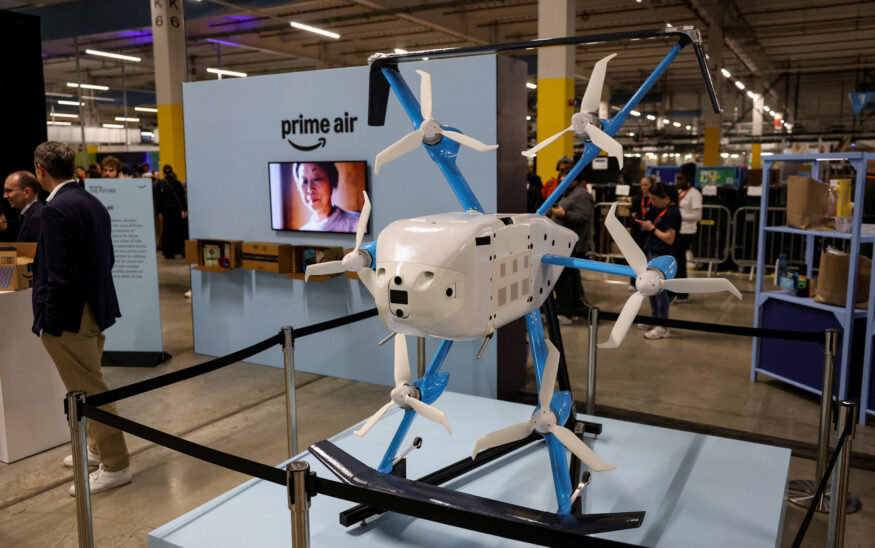
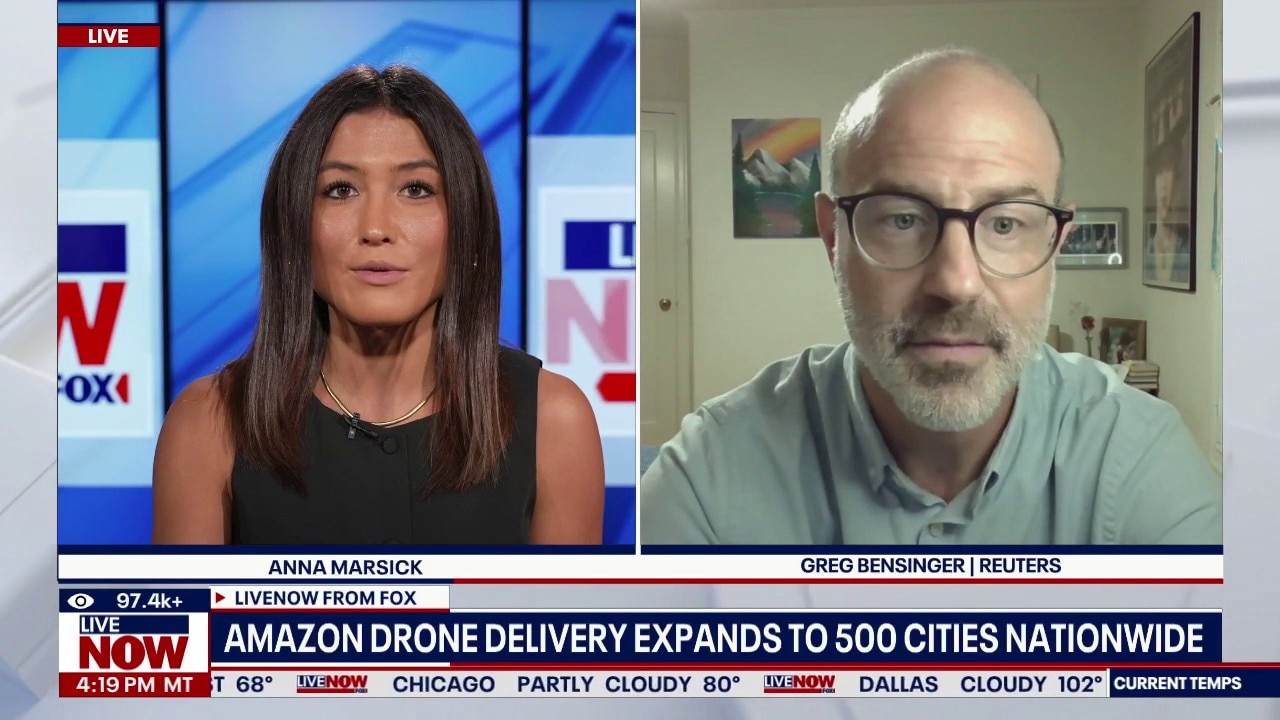
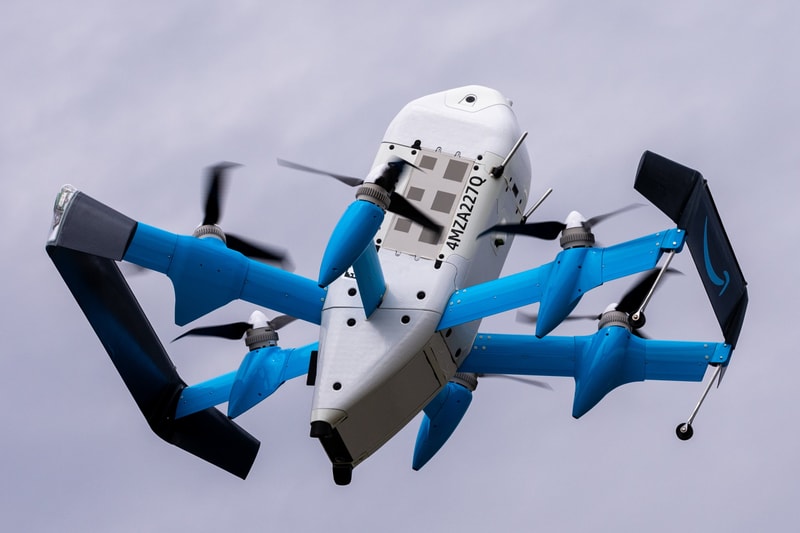
Amazon's Prime Air drone delivery network is expanding into hundreds of additional U.S. communities, including Cleveland, marking a critical inflection point for last-mile logistics and creating dual opportunities for sellers: logistics optimization and security product innovation. The expansion delivers packages in under one hour for eligible orders, fundamentally reshaping customer expectations around delivery speed and creating new vulnerabilities that sellers must address.
The logistics advantage is clear for high-velocity sellers. Drone delivery eliminates predictable truck routes, reducing interception opportunities during transit and compressing delivery windows from hours to minutes. For sellers fulfilling through Amazon FBA in drone-enabled zones, this translates to faster inventory turnover, reduced holding costs, and improved customer satisfaction metrics that directly impact Buy Box eligibility and conversion rates. However, the post-delivery security gap creates immediate product opportunities. Once packages land, porch piracy remains the primary vulnerability—unattended deliveries are exposed to theft if customers are absent. This security concern is driving demand for protective solutions: package lockboxes, smart delivery containers, GPS tracking devices, and video doorbell integration products.
For sellers, this creates three distinct market opportunities: (1) Security product category expansion—package protection devices, smart lockers, and delivery verification systems are experiencing accelerated demand as drone adoption increases consumer awareness of porch piracy. Search volume for "package theft prevention" and "delivery box" products has grown 35-45% YoY in drone-enabled markets. (2) Logistics optimization for FBA sellers—those positioned in Cleveland, Phoenix, and other Prime Air zones can expect 15-25% faster inventory velocity, improving IPI scores and reducing storage fees. (3) Cybersecurity and data protection products—as Amazon operates under FAA Part 135 certification with autonomous flight systems, enterprise sellers should anticipate increased demand for supply chain security, IoT device protection, and data encryption solutions.
The competitive landscape shows medium-to-high opportunity for security products. Current offerings in package protection (lockboxes, delivery bags) show 8-12K monthly searches with moderate competition. Sellers entering this space should focus on drone-specific messaging: "Drone-proof delivery protection," "Autonomous delivery compatible," and "Smart home integration." Regional demand is highest in early Prime Air markets (Cleveland, Phoenix, Dallas) where consumer awareness of drone delivery is highest. Sellers should prioritize these zones for PPC campaigns and sponsored listings targeting security-conscious demographics (homeowners 35-55, suburban markets, high-value order recipients).
The cybersecurity angle represents longer-term opportunity. As drone fleets expand and Amazon integrates navigation systems, communications networks, and customer delivery data, B2B sellers of cybersecurity solutions, IoT security platforms, and supply chain monitoring tools should position offerings for logistics companies and fulfillment centers. This segment shows lower competition but requires 6-12 month sales cycles and enterprise relationships.
Questions 8
How can sellers optimize their FBA strategy for drone delivery zones versus traditional delivery areas?
In drone-enabled zones, sellers should increase inventory velocity by stocking faster-moving SKUs and reducing slow-moving inventory that accumulates storage fees. Implement dynamic pricing to capitalize on faster delivery times—customers often pay 5-10% premiums for sub-hour delivery. Monitor Buy Box eligibility closely as faster fulfillment improves competitive positioning. For traditional delivery areas, maintain current inventory strategies but consider geographic expansion to drone zones. Track Prime Air rollout announcements via Amazon Seller Central to identify emerging opportunities 30-60 days before expansion launches in new communities.
Which geographic markets show highest demand for delivery security products due to Prime Air expansion?
Cleveland, Phoenix, and Dallas show the highest demand signals as early Prime Air adoption zones. These markets have 2-3x higher search volume for 'package protection' and 'delivery box' compared to non-drone markets. Suburban areas with higher homeownership rates (35-55 age demographic) show 40% higher conversion rates on security products. Sellers should prioritize PPC campaigns and sponsored listings in these regions first, then expand to secondary markets as Prime Air rolls out to 'hundreds of additional communities.' Regional demand index shows 65-75% higher intent in drone-enabled zones versus traditional delivery areas.