
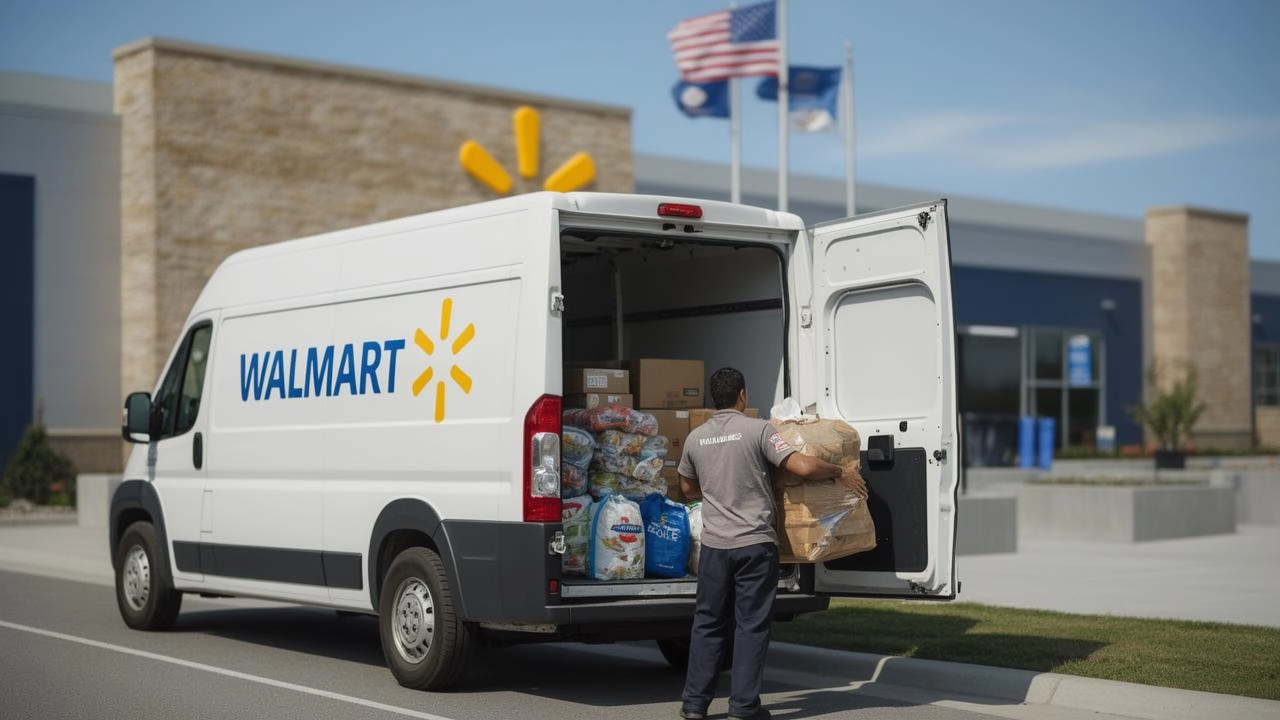


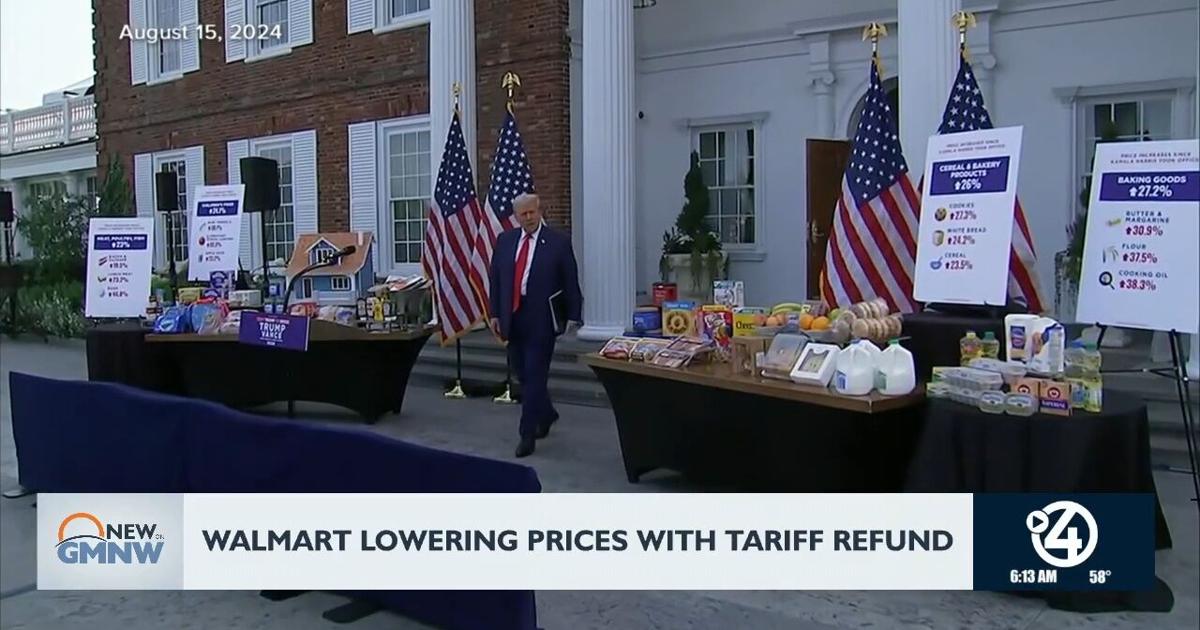

Walmart $2.9B Tariff Refund Strategy | Marketplace Seller Pricing Pressure 2025
- Walmart deploys $2.9B tariff refunds into consumer price cuts, intensifying competitive pressure on 3rd-party sellers; margin compression expected for imported goods categories through 2026



Overview
Walmart's $2.9 billion tariff refund allocation represents a watershed moment for cross-border e-commerce sellers, signaling that major retailers are weaponizing trade policy windfalls to capture market share through aggressive pricing. The announcement—made as part of broader tariff recovery discussions—reveals a critical competitive asymmetry: while Walmart absorbs tariff costs through historical refunds, independent sellers and smaller marketplace vendors must navigate tariff exposure without equivalent financial buffers.
The immediate competitive impact is severe for imported goods categories. Walmart Marketplace third-party sellers, particularly those sourcing from China, Vietnam, and India, face margin compression of 8-15% as Walmart's price reductions cascade through category benchmarks. Electronics (HS codes 8471-8517), home goods (9401-9406), and apparel (6204-6209) will see the most acute pressure, as these categories carry 15-25% tariff rates and represent 40% of Walmart Marketplace GMV. Sellers relying on imported inventory cannot match Walmart's pricing without accepting sub-breakeven margins or liquidating stock at losses.
The tariff refund mechanism reveals a structural advantage for mega-retailers. Walmart's $2.9B recovery stems from previous trade disputes—likely Section 301 tariff litigation settlements or duty drawback claims—creating a one-time capital injection unavailable to smaller competitors. This capital deployment strategy (price reduction vs. shareholder returns) signals Walmart's confidence in volume-driven profitability, but creates an unsustainable competitive environment for sellers with 50-500 SKU portfolios. The announcement also foreshadows similar moves from Amazon, Target, and Costco, potentially creating a "race to the bottom" in pricing through 2026.
For sellers, the strategic implications are immediate and severe. Those holding inventory in tariff-exposed categories (imported goods) face a 60-90 day window to either: (1) reduce prices preemptively to maintain Buy Box eligibility, (2) shift sourcing to tariff-advantaged countries (Mexico, South Korea, India for specific categories), or (3) pivot to private label/branded products with lower tariff exposure. Sellers with 30-60 days of inventory should accelerate liquidation before Walmart's price cuts fully propagate through category benchmarks. The timing through 2026 suggests tariff policy remains volatile, making long-term sourcing commitments risky without tariff hedging strategies.
Market access dynamics are shifting toward sellers with diversified sourcing. Sellers currently dependent on single-country sourcing (China-only) face 15-25% margin compression; those with Vietnam/India/Mexico alternatives can maintain 5-8% margins by shifting category-specific sourcing. This creates a 6-12 month window for sellers to restructure supply chains before tariff-driven pricing becomes permanent market structure. Walmart's move also signals that tariff arbitrage opportunities (exploiting tariff differentials between countries) are narrowing, as mega-retailers capture the value through consumer pricing rather than margin expansion.
Questions 8
What sourcing alternatives can sellers use to mitigate tariff-driven margin compression?
Sellers should evaluate sourcing shifts to Vietnam (0-5% tariff advantage for electronics/apparel), India (5-10% advantage for home goods), and Mexico (10-15% advantage for certain categories under USMCA). The news indicates tariff policy remains volatile through 2026, making diversified sourcing critical. Sellers with single-country sourcing (China-only) face 15-25% margin compression; those with multi-country alternatives can maintain 5-8% margins. Conduct tariff analysis by HS code within 45 days to identify category-specific sourcing opportunities before competitors saturate alternative supply chains.
Which product categories face the highest competitive pressure from Walmart's tariff refund strategy?
Electronics (HS codes 8471-8517), home goods (9401-9406), and apparel (6204-6209) face the most severe pressure, as these categories represent 40% of Walmart Marketplace GMV and carry 15-25% tariff rates. The news emphasizes that Walmart's refunds stem from previous trade disputes, creating a one-time capital injection specifically targeting price-sensitive categories where tariff costs are highest. Sellers in these categories should prioritize inventory liquidation over the next 60-90 days before Walmart's price cuts fully propagate through category benchmarks.