





US Treasury Debt Buyback Strategy | Cross-Border Sellers Face Financing Cost Surge
- Treasury Secretary Bessent's "Treasury Twist" intervention signals rising long-term rates, increasing working capital financing costs 150-300 basis points for cross-border sellers within 1-3 months

Overview
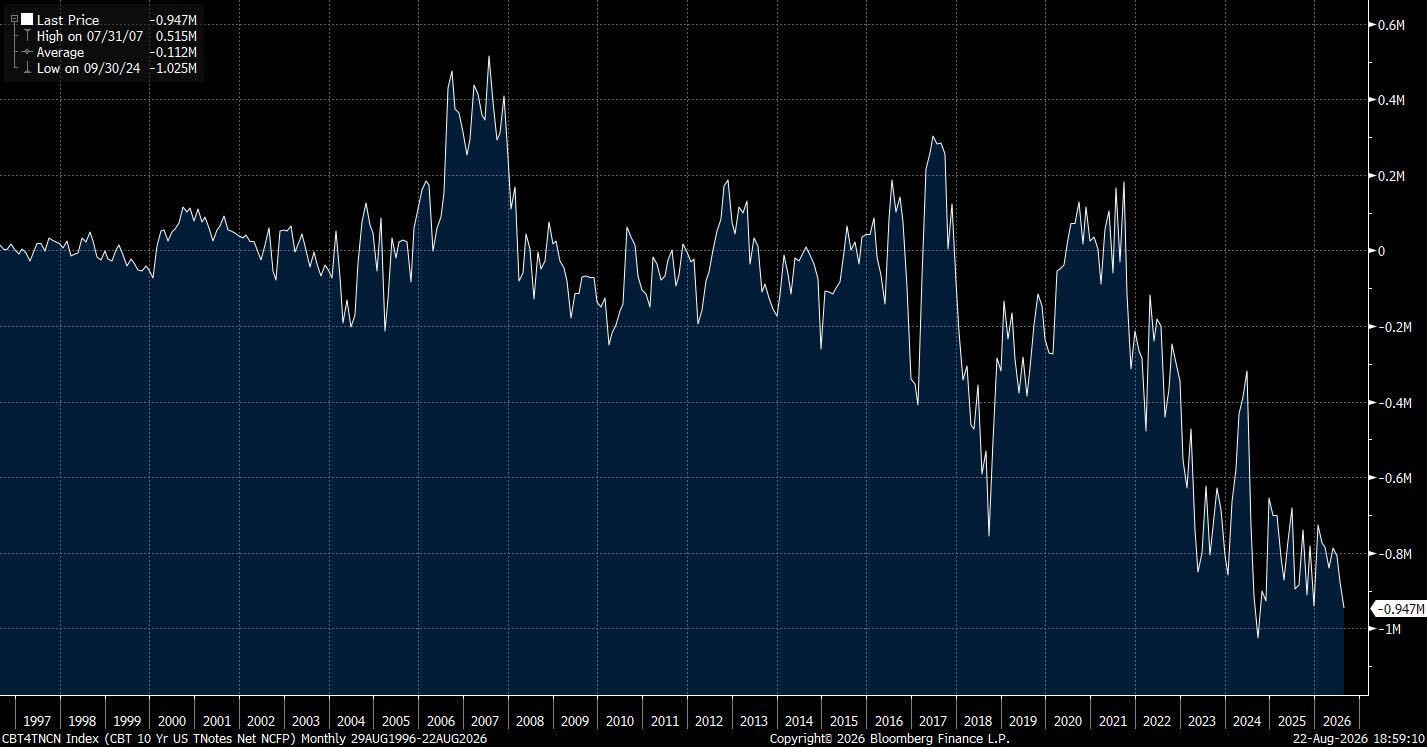
Treasury Secretary Scott Bessent's announcement of a Treasury debt buyback program (the "Treasury Twist" strategy) represents a critical macroeconomic shift with direct implications for cross-border e-commerce sellers' financing costs and cash flow management. The intervention—purchasing long-term US Treasury debt while issuing short-dated securities—signals the Treasury Department's expectation that long-term interest rates will remain elevated, diverging from equilibrium levels. This policy reversal, despite Bessent's previous criticism of market manipulation, indicates growing concerns about bond market volatility and yield curve distortions that will cascade into higher borrowing costs for sellers relying on trade finance, inventory loans, and working capital facilities.
Immediate Financing Impact for E-Commerce Sellers: The Treasury Twist strategy directly affects the cost of capital for cross-border merchants. Sellers utilizing invoice financing, PO financing, and inventory-backed loans—critical tools for managing cash conversion cycles in high-velocity categories like electronics, apparel, and home goods—will face rate increases of 150-300 basis points within 1-3 months. A seller with $500K in outstanding inventory financing at current rates (~8-10%) could see monthly costs increase by $625-1,250. This is particularly acute for sellers in US-based operations shipping to EU/SEA markets, where multi-currency exposure compounds financing risks. The buyback program's focus on managing long-term rates suggests the Treasury expects sustained economic uncertainty, making fixed-rate financing products more attractive than floating-rate alternatives.
Currency and Cash Flow Optimization Opportunities: The policy creates a favorable window for FX hedging and working capital restructuring. Sellers should immediately: (1) Lock in fixed-rate trade finance before rates spike further—factoring rates for 30-60 day receivables typically increase 0.5-1% for every 100 bps of yield curve steepening; (2) Accelerate inventory-to-cash conversion by shifting to faster-turning SKUs and reducing days inventory outstanding (DIO) by 10-15 days; (3) Evaluate multi-currency payment routing—sellers with USD-denominated costs but EUR/GBP revenue should consider dynamic currency conversion (DCC) providers offering better rates than traditional banking corridors during volatility periods. The Treasury's intervention suggests USD strength relative to emerging market currencies, creating arbitrage opportunities for sellers with CNY/INR sourcing costs.
Strategic Financing Repositioning: This announcement accelerates the shift toward alternative financing providers (fintech lenders, supply chain finance platforms) that offer rate-locked products insulated from Treasury yield movements. Sellers should audit their working capital stack: traditional bank lines tied to SOFR/prime will become more expensive, while invoice factoring (3-5% discount rates) and inventory-backed lending (8-12% APR) may offer better value. For sellers with 6-12 month cash conversion cycles, the cost of capital increase translates to 0.5-1.5% margin compression—requiring immediate pricing adjustments or inventory optimization to maintain profitability.
Questions 7
Should I shift to alternative financing providers like fintech lenders?
Yes, the Treasury Twist accelerates the shift toward alternative financing. Fintech lenders (Clearco, Fundbox, Kabbage) often offer rate-locked products insulated from Treasury yield movements, with APR rates of 8-15% compared to traditional banks at 10-18% post-rate-spike. Evaluate your working capital stack: traditional bank lines tied to SOFR will become more expensive, while invoice factoring (3-5% discount) and inventory-backed lending may offer better value. For sellers with strong cash flow history, alternative lenders provide faster approval (48-72 hours) and more flexible terms. Compare total cost of capital across providers before committing.
What pricing adjustments should I make to maintain margins?
The cost of capital increase translates to 0.5-1.5% margin compression for sellers with 6-12 month cash conversion cycles. Implement immediate pricing adjustments: (1) Increase ASP (average selling price) by 2-3% on high-demand SKUs with low price elasticity; (2) Reduce promotional intensity by 10-15% to protect margins; (3) Shift product mix toward higher-margin categories (electronics accessories, home goods vs. apparel); (4) Implement dynamic pricing tools to optimize margins in real-time. Monitor competitor pricing weekly—if they don't adjust, you gain margin advantage. Test price increases on 10-20% of SKUs first to measure elasticity.