


Amazon Device Price Surge 20-60% | Smart Home & Streaming Seller Opportunity
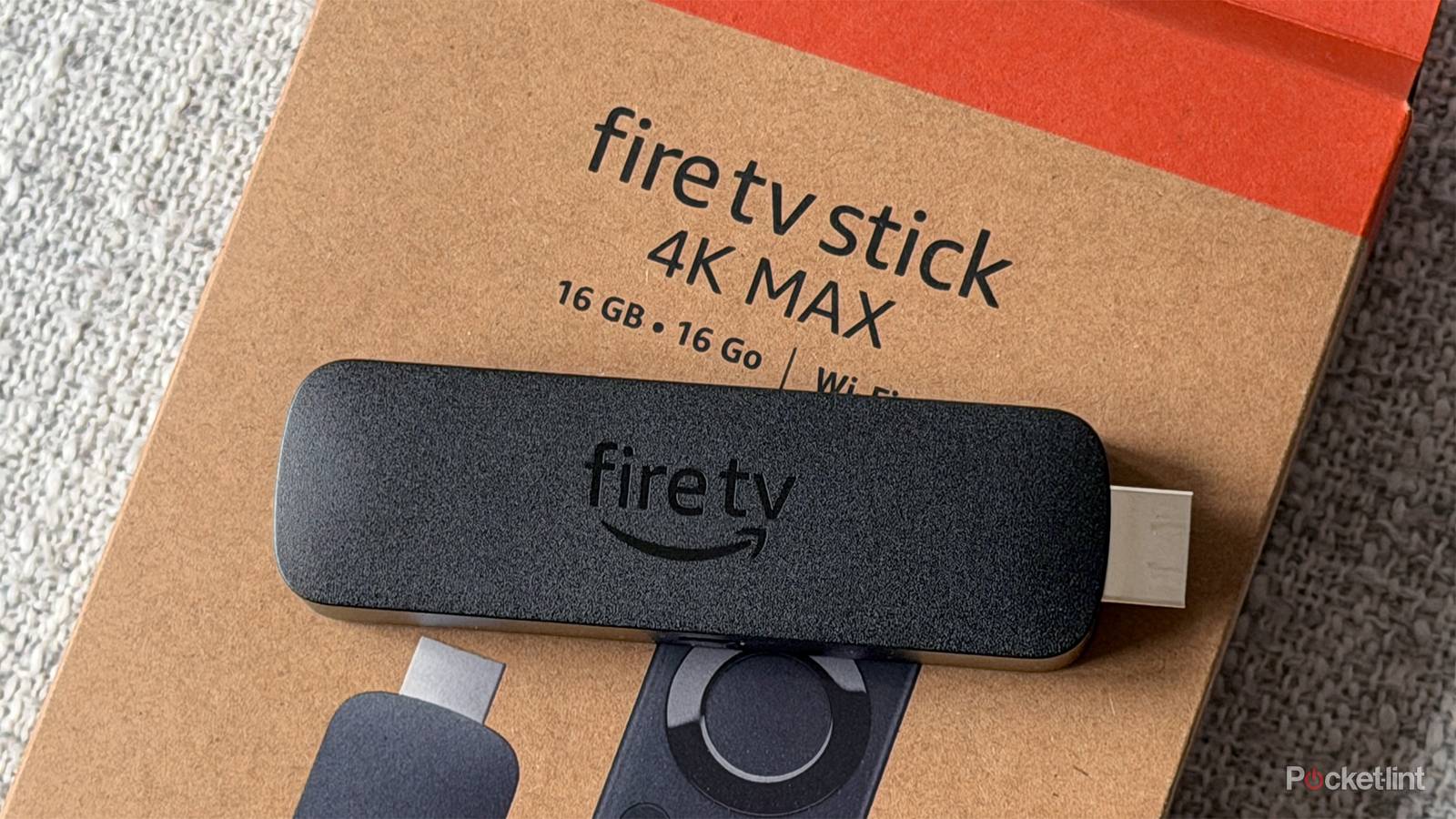
- Echo Dot jumps $50→$80 (60%), Fire TV 4K Max $60→$85, Kindle 16GB $110→$150 as memory costs spike industry-wide
Overview
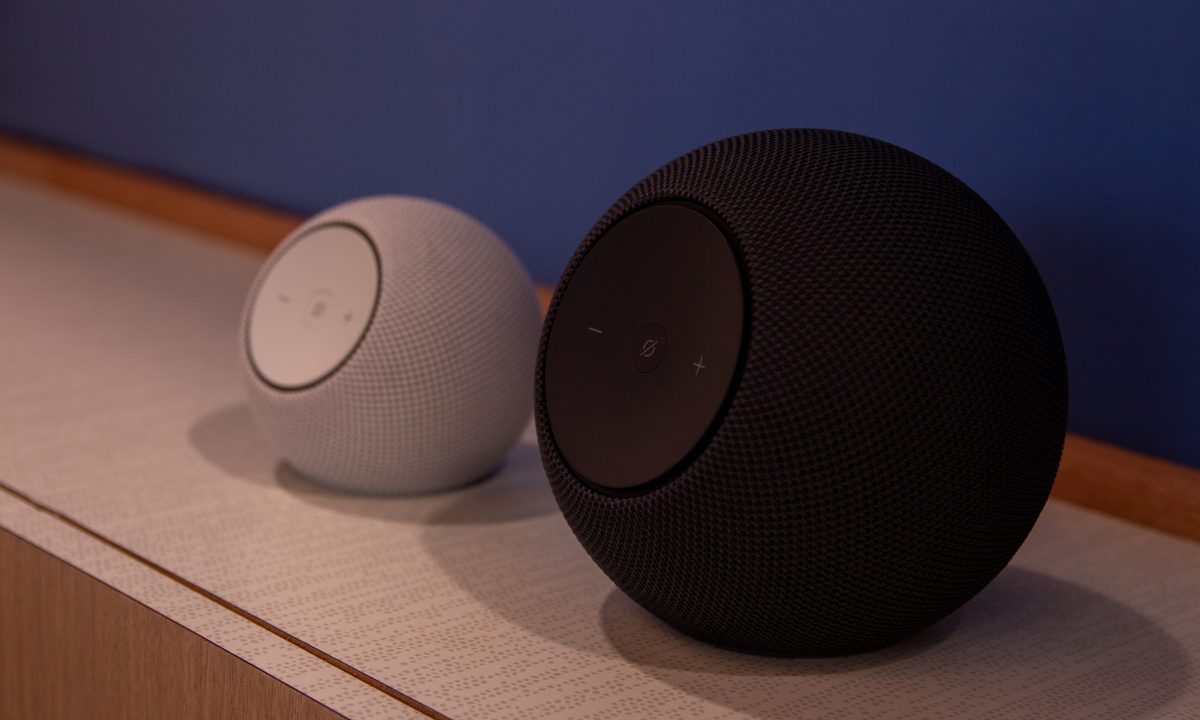
Amazon's aggressive 20-60% price increases across Echo, Fire TV, Kindle, and eero devices signal a critical market inflection point for cross-border e-commerce sellers. The Echo Dot experienced the steepest hike—rising from $49.99 to $79.99 (60% increase)—while the Echo Show 11 jumped from $219.99 to $249.99, Fire TV Stick 4K Max from $59.99 to $84.99, and Kindle 16GB models from $109.99 to $149.99. Amazon attributed these overnight adjustments directly to "significant increases in memory and storage component costs," confirming the company absorbed cost pressures as long as possible before passing them to consumers. This move mirrors industry-wide pricing actions: Apple raised iPad and MacBook prices in June citing a "100-year flood on memory pricing," Microsoft increased Xbox prices by $100-$150, and Roku raised device prices up to 50% in July.
For third-party sellers, this creates a dual-edge opportunity in the smart home and streaming device ecosystem. With Amazon's first-party hardware now 20-60% more expensive, demand will shift toward alternative brands and refurbished/open-box inventory. Sellers can capitalize by: (1) sourcing competing smart speakers (Google Nest, Echo alternatives) at lower price points to capture price-sensitive buyers; (2) offering refurbished Amazon devices at 15-25% discounts below new retail; (3) bundling complementary products (smart plugs, hubs, cables) to increase basket value; (4) targeting "Echo Dot alternative" and "affordable smart speaker" search terms where competition remains moderate. The notably absent Ring price increases suggest Amazon is protecting its home security ecosystem—sellers should monitor Ring accessory demand as a secondary opportunity.
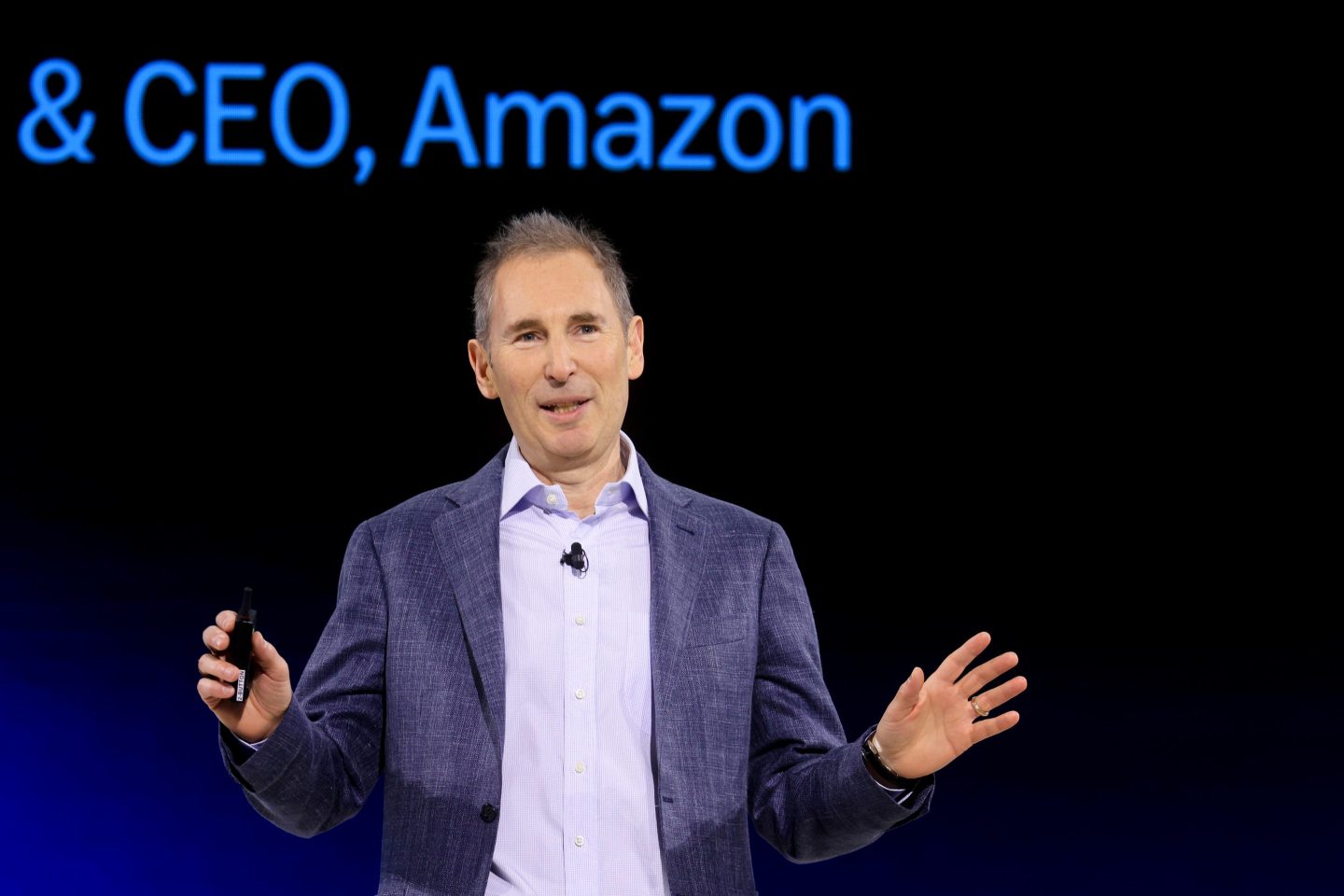
Supply chain dynamics amplify seller advantages through 2026-2027. Amazon CEO Andy Jassy announced $220 billion in 2026 capital expenditures (up from $200 billion) for AI data center infrastructure, with AWS achieving $42.2 billion Q2 revenue (37% YoY growth). This capital reallocation signals Amazon will continue absorbing memory cost pressures for cloud services while maintaining elevated device pricing. Sellers should expect sustained price floors on memory-intensive products through 2027, creating a 12-18 month window for alternative brand penetration. Categories like mesh Wi-Fi (eero 7 three-pack: $349.99→$399.99) and e-readers face similar pressures, opening niches for budget-conscious competitors and refurbished inventory specialists.
Questions 7
Which Amazon devices saw the biggest price increases?
The Echo Dot experienced the steepest percentage increase at 60% ($49.99→$79.99), while the Echo Show 11 rose from $219.99 to $249.99 (13% increase). Kindle models saw substantial hikes: 16GB Kindle from $109.99 to $149.99 (36% increase) and Kindle Paperwhite 16GB from $159.99 to $199.99 (25% increase). Fire TV Stick 4K Max jumped from $59.99 to $84.99 (42% increase). Mesh Wi-Fi products also increased: eero 7 three-pack from $349.99 to $399.99 and eero Pro 7 from $699.99 to $799.99. Notably, Amazon Ring products avoided price increases.
How can third-party sellers capitalize on Amazon's device price hikes?
Sellers can pursue three primary strategies: (1) Source competing smart speakers from Google Nest, Sonos, or other brands at lower price points to capture price-sensitive buyers migrating from Echo; (2) Specialize in refurbished or open-box Amazon devices, offering 15-25% discounts below new retail prices; (3) Bundle complementary products like smart plugs, hubs, and cables to increase basket value. Target search terms like "Echo Dot alternative," "affordable smart speaker," and "budget mesh Wi-Fi router" where competition remains moderate. The 12-18 month window before memory costs stabilize provides a critical opportunity window.