

iPhone 18 Pro September 2026 Launch | $2B+ Accessory Market Opportunity for Sellers
- Apple's 4-color palette refresh and design changes create urgent inventory planning window for case/accessory sellers; cross-generational compatibility uncertainty drives dual-SKU strategy demand through Q4 2026




:quality(80)/business-review.eu/wp-content/uploads/2026/08/iphone.jpg)


Overview
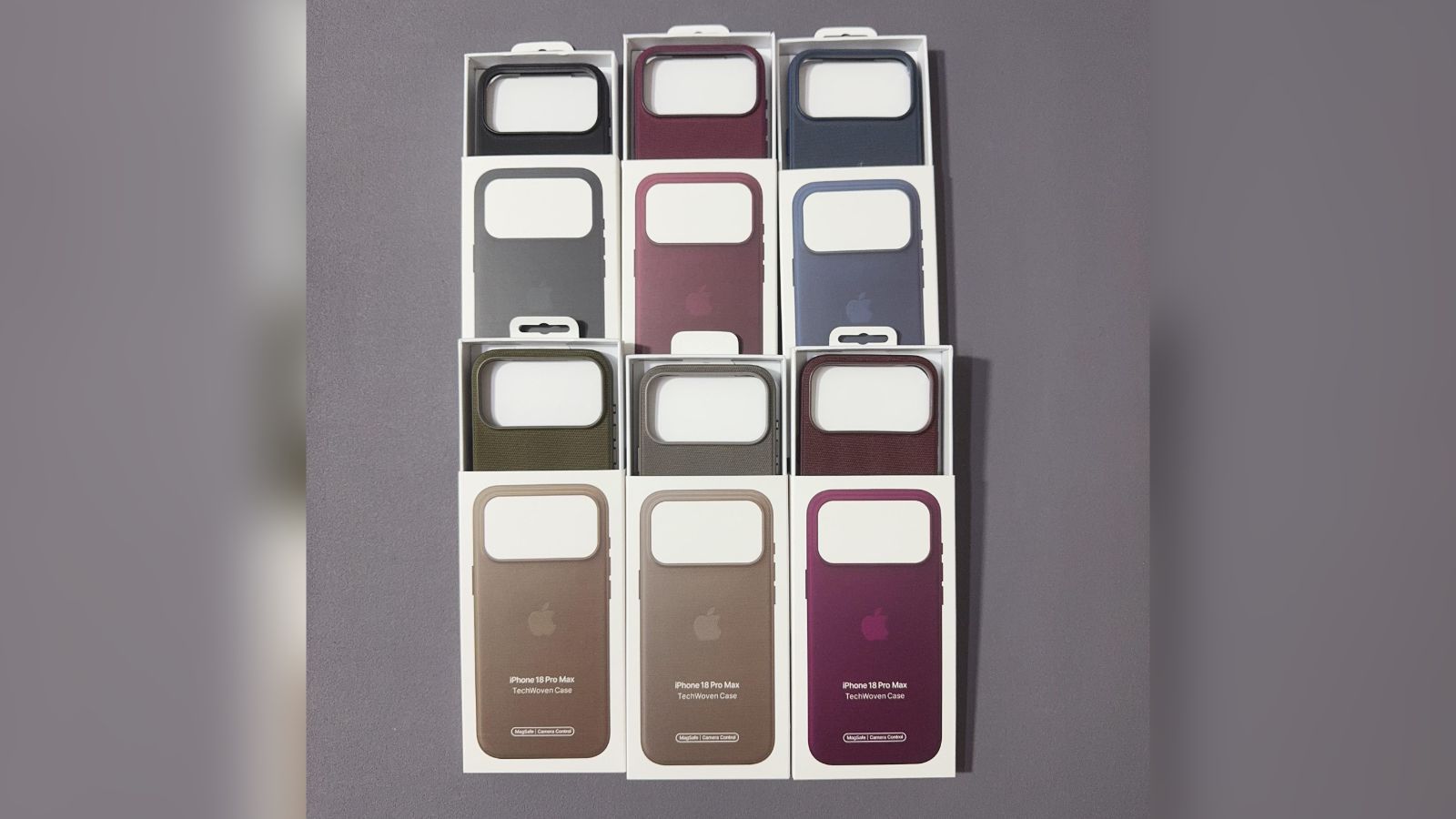
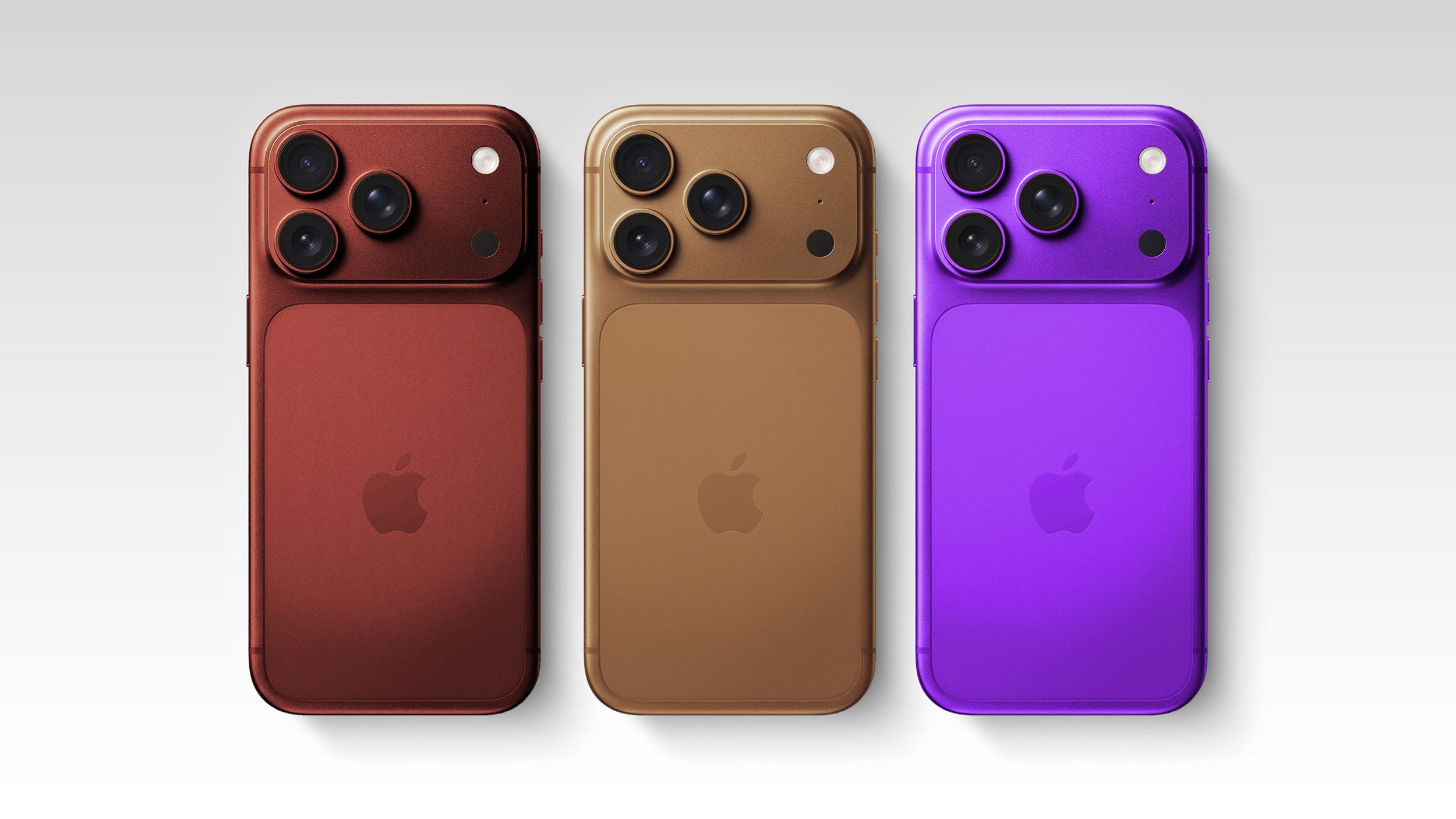
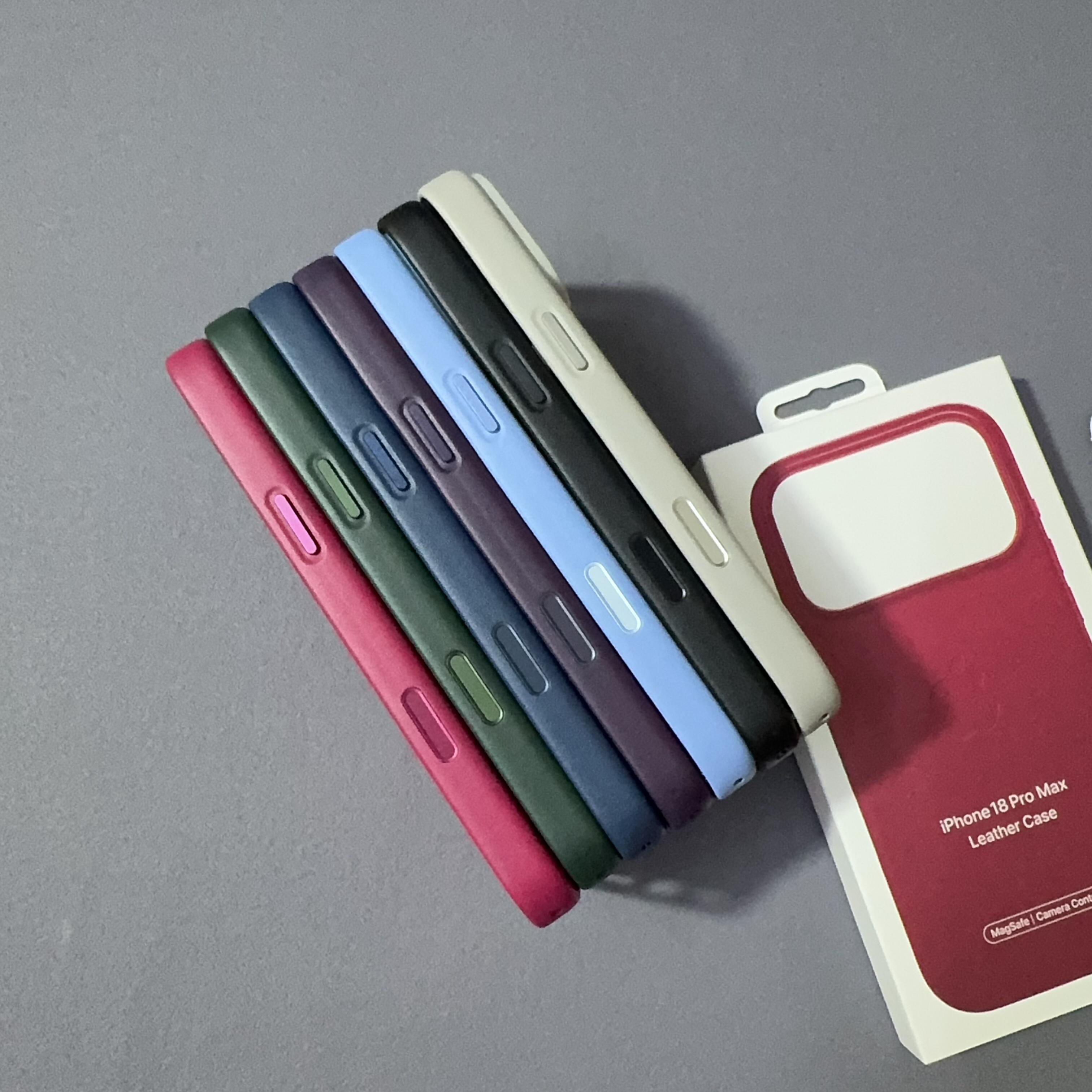
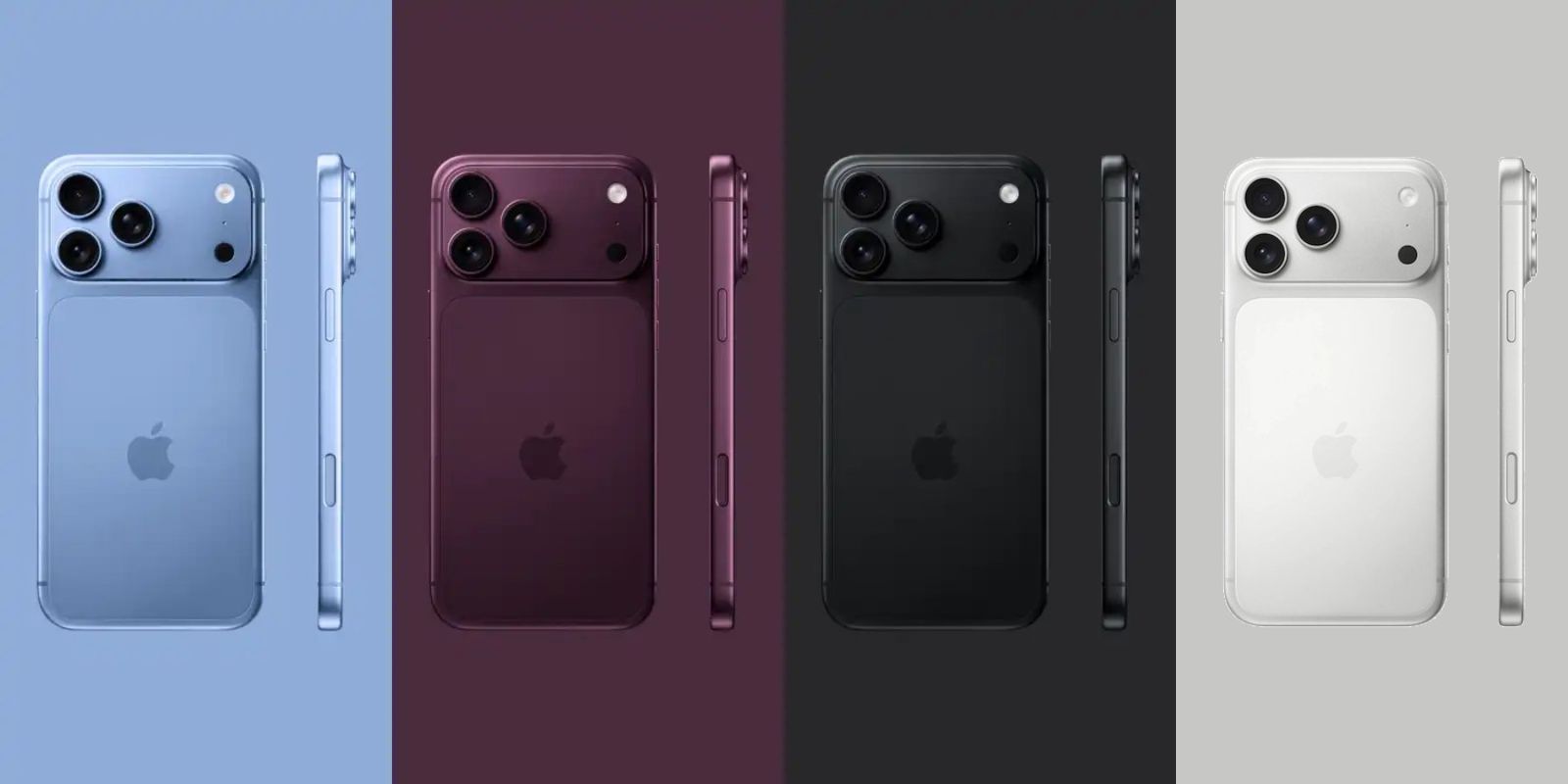
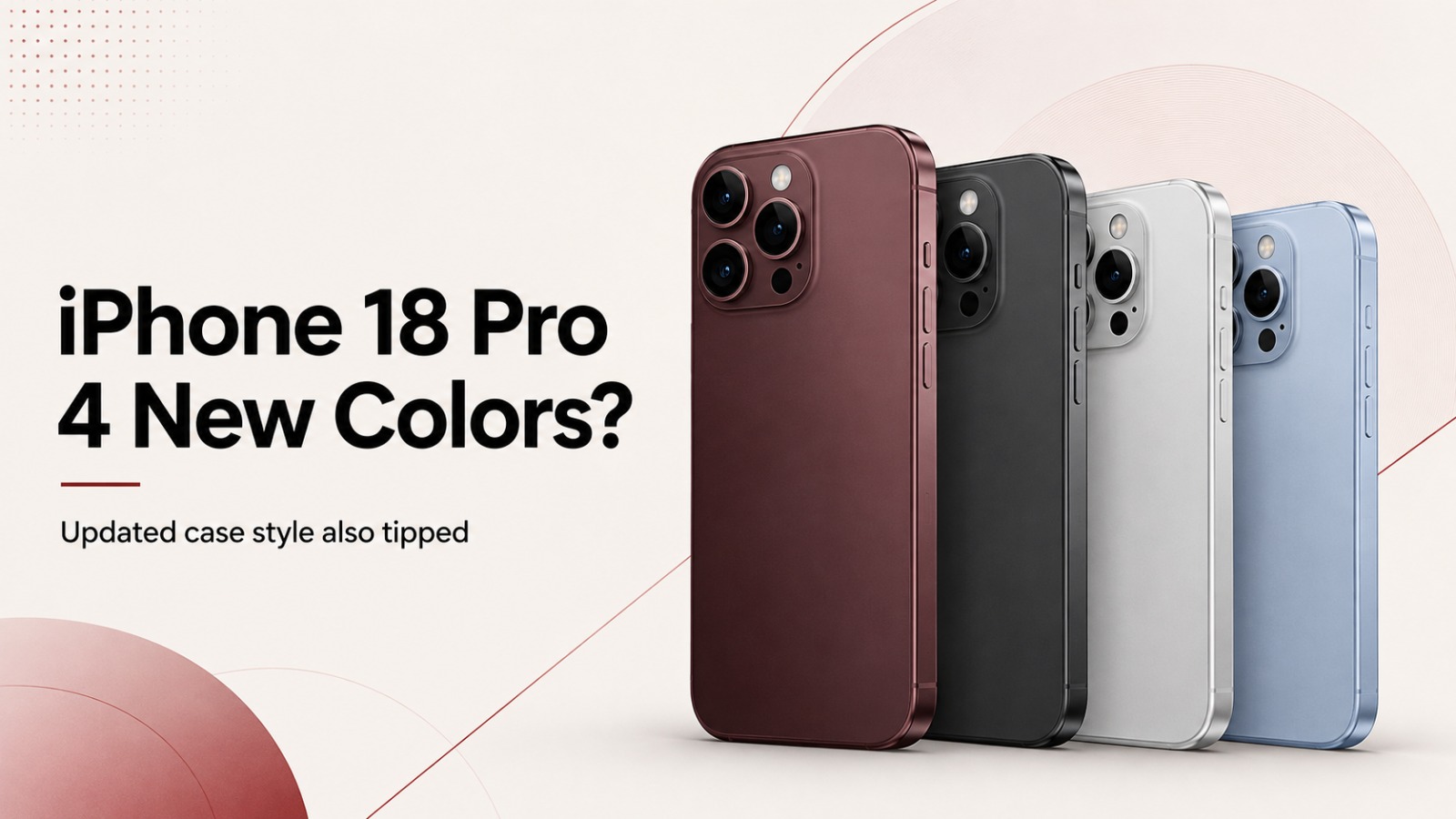
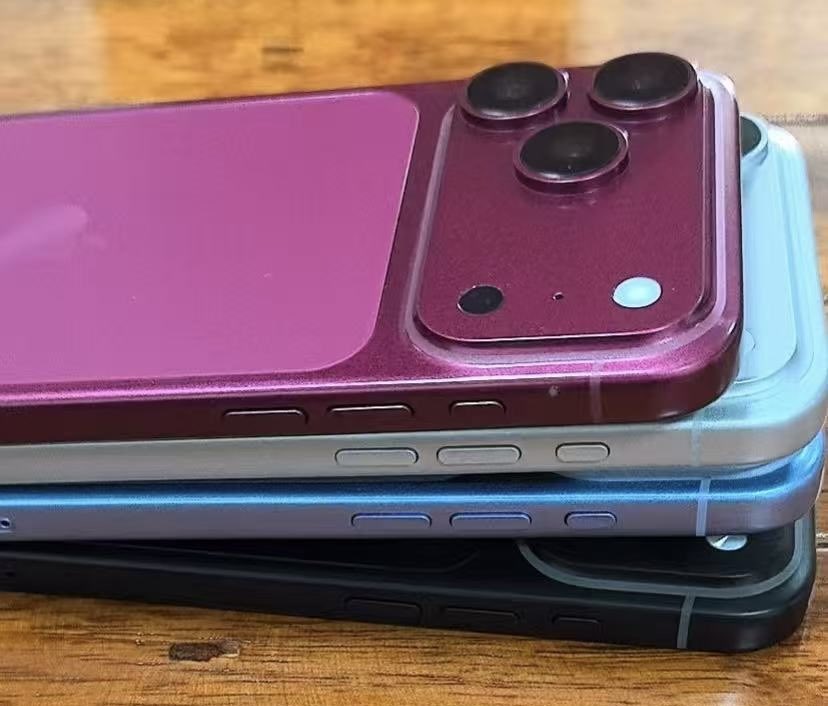
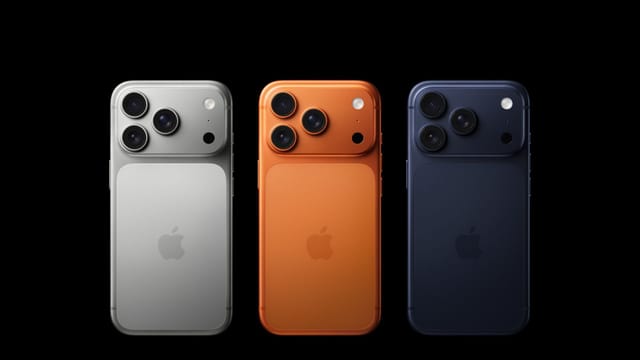
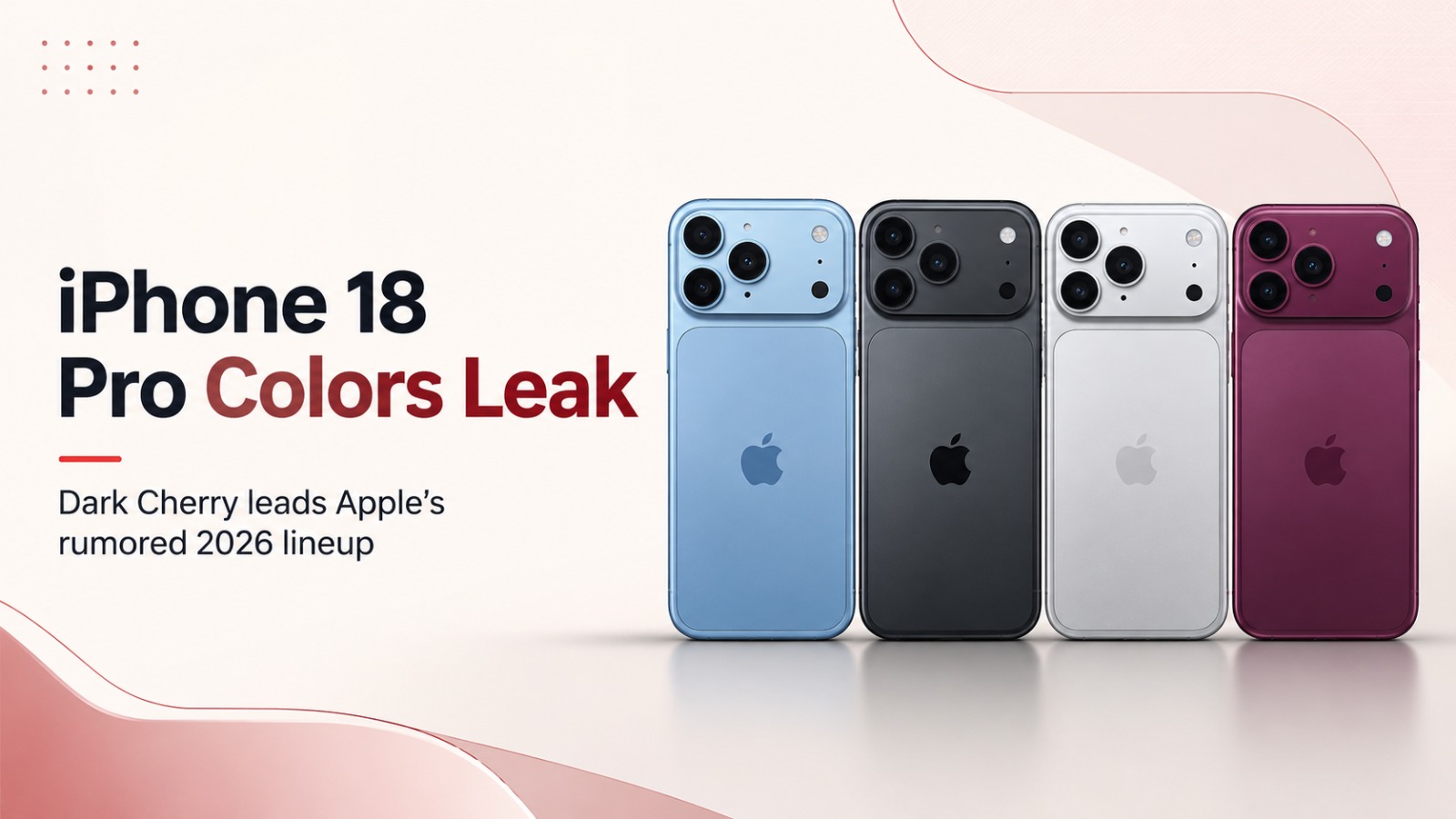
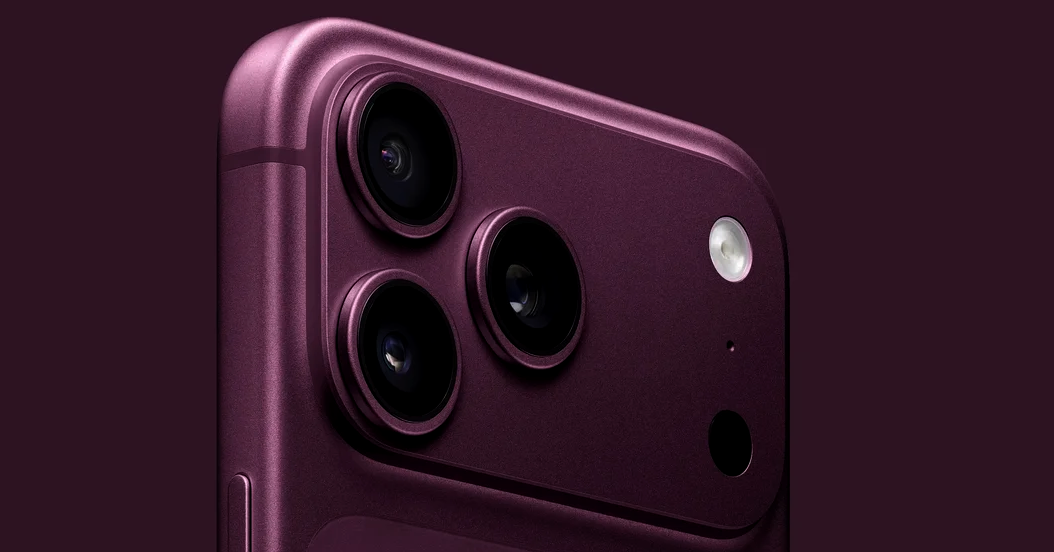
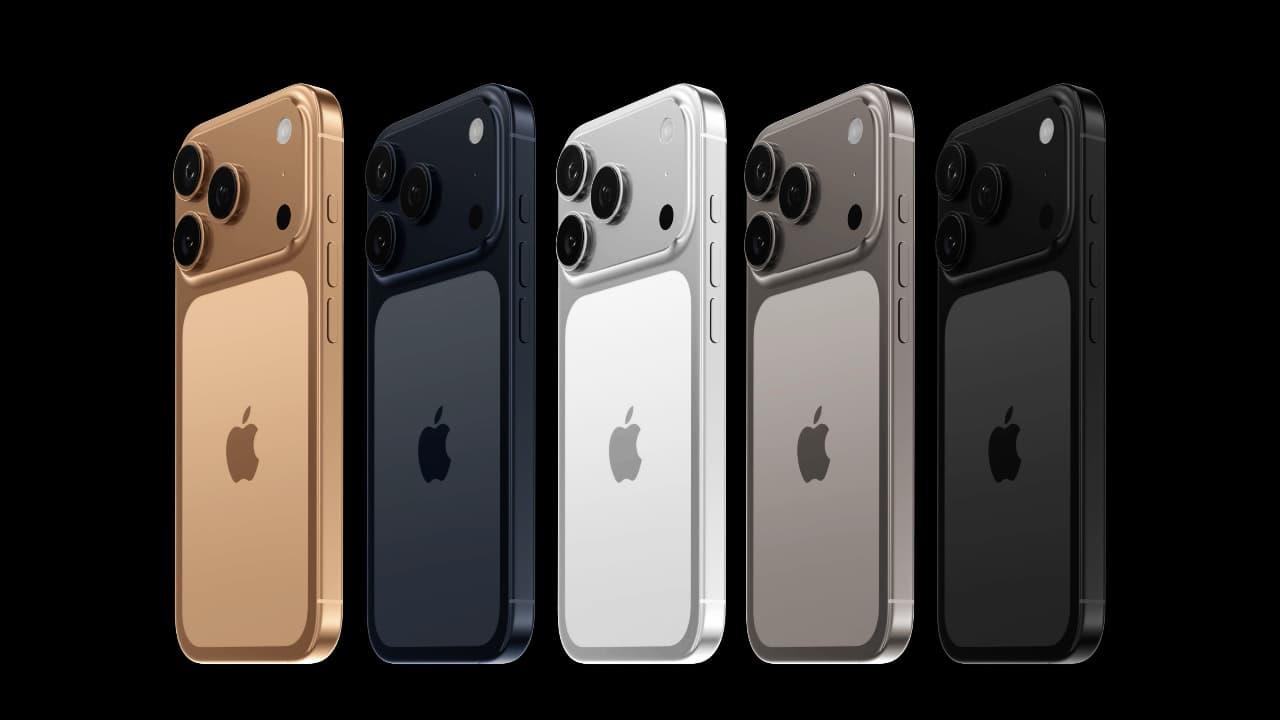
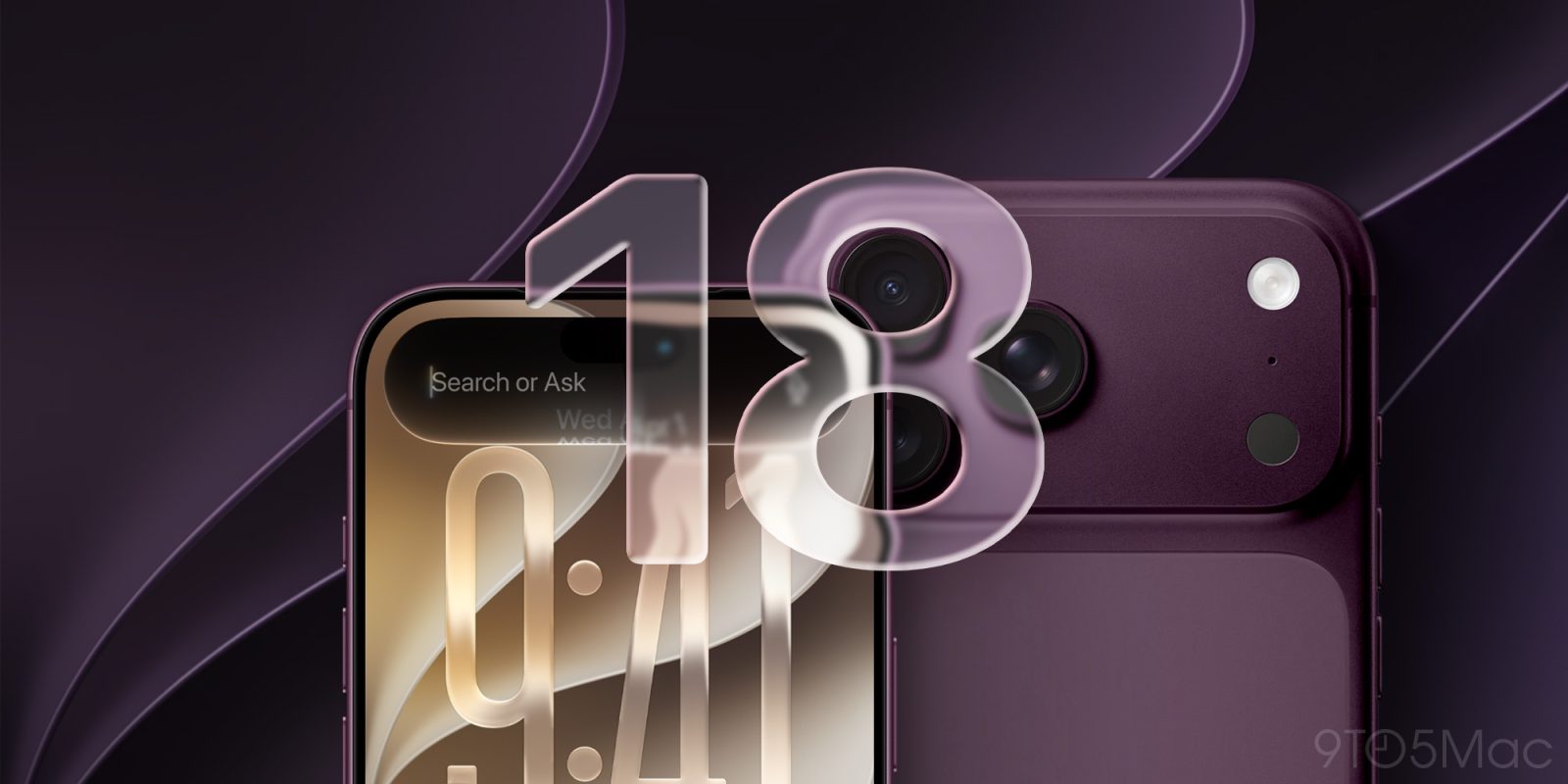
Apple's iPhone 18 Pro launch scheduled for September 2026 represents a critical inventory and marketing inflection point for the $2B+ global smartphone accessories market. The company is introducing four new color options—Dark Cherry (Pantone 6076), Silver, Dark Gray, and Light Blue—alongside design modifications that minimize frame-to-glass color differentiation. Most significantly, the foldable iPhone Ultra (priced above $2,000) will launch simultaneously, creating a three-tier product ecosystem that fundamentally reshapes accessory demand patterns.
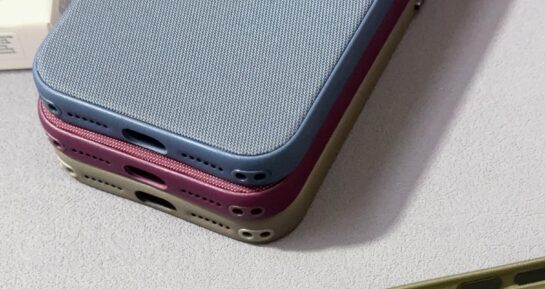
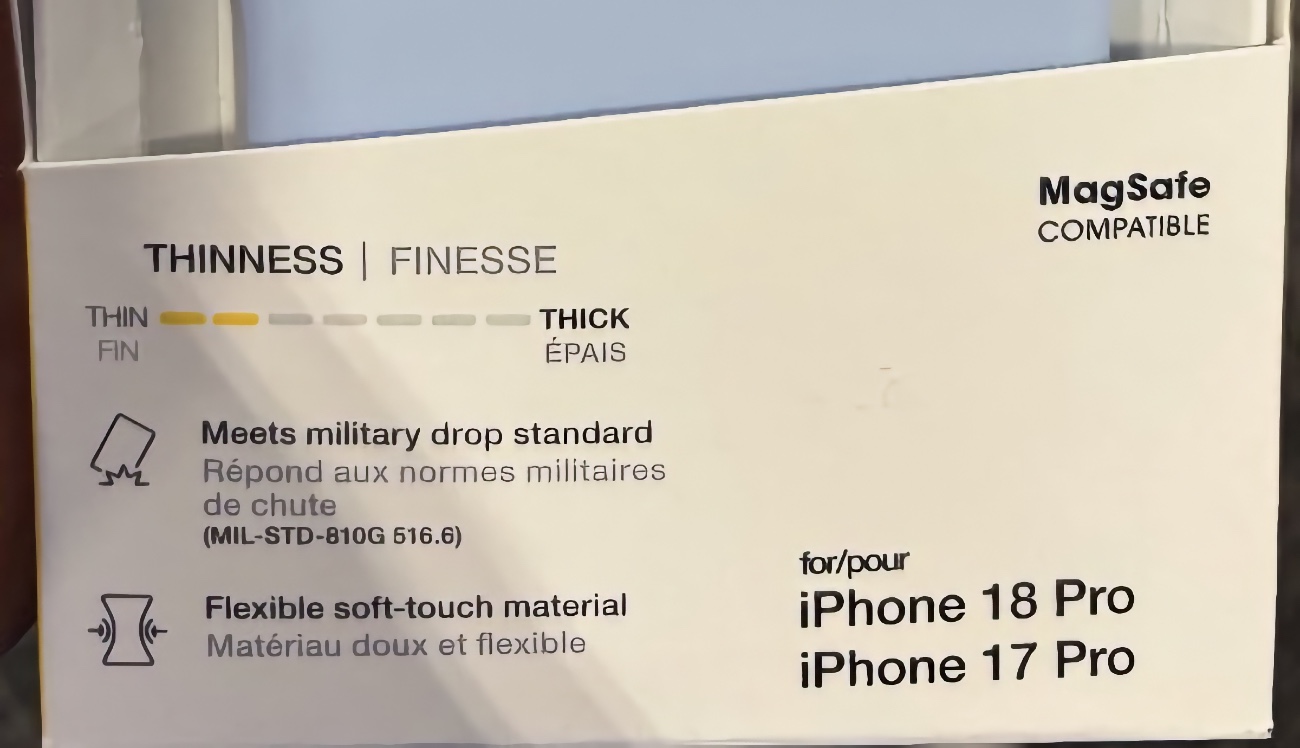
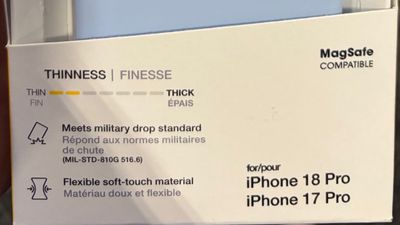
The core e-commerce opportunity centers on dimensional uncertainty and cross-generational compatibility. Accessory manufacturers Otterbox and Astropad have already committed to dual iPhone 17 Pro/iPhone 18 Pro compatibility at Best Buy, betting on minimal design changes. However, leaked supplier materials indicate the iPhone 18 Pro may be approximately 2mm thicker than its predecessor, with increased camera plateau depth. This conflicting data creates a high-stakes inventory decision: sellers must choose between conservative single-generation SKUs or aggressive dual-compatibility positioning. The stakes are substantial—case replacement represents a hidden upgrade cost for consumers, making compatibility claims a primary purchase driver.
For cross-border sellers, this creates three distinct market windows: (1) Pre-launch arbitrage (June-August 2026): Demand for iPhone 17 Pro cases surges as consumers delay purchases pending iPhone 18 Pro specifications; (2) Launch window (September 15-18, 2026): Pre-orders and general availability drive peak accessory demand, with color-specific cases commanding 15-25% price premiums; (3) Post-launch stabilization (October-December 2026): Inventory correction occurs as compatibility becomes clear, creating clearance opportunities for misaligned SKUs.
Platform-specific dynamics favor early movers. Amazon's smartphone accessories category (Electronics > Mobile Phones & Accessories) typically sees 40-60% sales velocity increases during major iPhone launches. Sellers with established brand presence (Otterbox, Spigen, Casetify) will capture 60-70% of initial demand through Buy Box positioning and sponsored ads. However, white-label and emerging brands can exploit the compatibility uncertainty by offering "universal fit" positioning and aggressive pricing on dual-compatible designs. TikTok Shop and Shopify sellers targeting Gen Z audiences (ages 18-28) can capitalize on color-matching trends—Dark Cherry cases will likely command 20-30% premiums over standard colors during the first 60 days post-launch.
Supply chain implications are critical. Sellers must source inventory by June 2026 to meet pre-order demand, requiring 4-5 month lead times from Shenzhen/Dongguan manufacturers. The 2mm thickness variance, if confirmed, will render iPhone 17 Pro cases incompatible with iPhone 18 Pro, creating inventory write-off risk for sellers who bet on compatibility. Conversely, if dimensions remain identical, sellers holding iPhone 17 Pro inventory can pivot to dual-marketing strategies, extending product lifecycle and improving inventory turnover by 25-35%.
Questions 7
What is the inventory risk if iPhone 18 Pro dimensions differ from iPhone 17 Pro?
If the rumored 2mm thickness increase is confirmed, iPhone 17 Pro cases will be incompatible with iPhone 18 Pro, creating total inventory write-off for sellers betting on cross-generational compatibility. Otterbox and Astropad's dual-compatibility positioning represents a high-stakes bet—if they're wrong, their inventory becomes unsellable at full price. Sellers should hedge this risk by: (1) limiting iPhone 17 Pro inventory to 20-30% of total SKU mix; (2) sourcing iPhone 18 Pro-specific cases from multiple manufacturers to diversify supply; (3) planning clearance strategies for iPhone 17 Pro inventory (bundle deals, bulk discounts to liquidators). Monitor Apple's official specifications closely—once announced in August 2026, sellers can pivot remaining inventory to compatible designs or liquidate at 40-50% discounts.
Which platforms offer the highest ROI for iPhone 18 Pro case advertising?
Amazon Sponsored Ads (Product Ads) deliver the highest ROAS (3.5-5.0x) during iPhone launch windows, with CPCs ranging from $0.45-0.85 for high-intent keywords like 'iPhone 18 Pro case' and 'Dark Cherry case.' TikTok Shop offers lower CPMs ($2-4 vs. $6-8 on Amazon) but requires influencer partnerships to drive conversions—allocate 15-20% of ad budget to TikTok Shop with micro-influencers (10K-100K followers) in tech/lifestyle niches. Shopify sellers should focus on organic SEO and email marketing (lower CAC) rather than paid ads, targeting long-tail keywords like 'best iPhone 18 Pro case for Dark Cherry' with blog content. Meta (Facebook/Instagram) offers mid-range ROAS (2.0-3.5x) but requires strong creative assets—invest in product photography and user-generated content showing color-matched cases.