



AI Data Center Power Crisis Reshapes Cloud Infrastructure | Seller Opportunity in Energy-Dependent Services
- Gas turbine shortage extends delivery timelines to 2031; U.S. data center power demand surges from 31 GW (2025) to 66 GW (2027); GE Vernova backlog reaches $176B; impacts cloud-dependent sellers relying on AI tools and data center services





















Overview
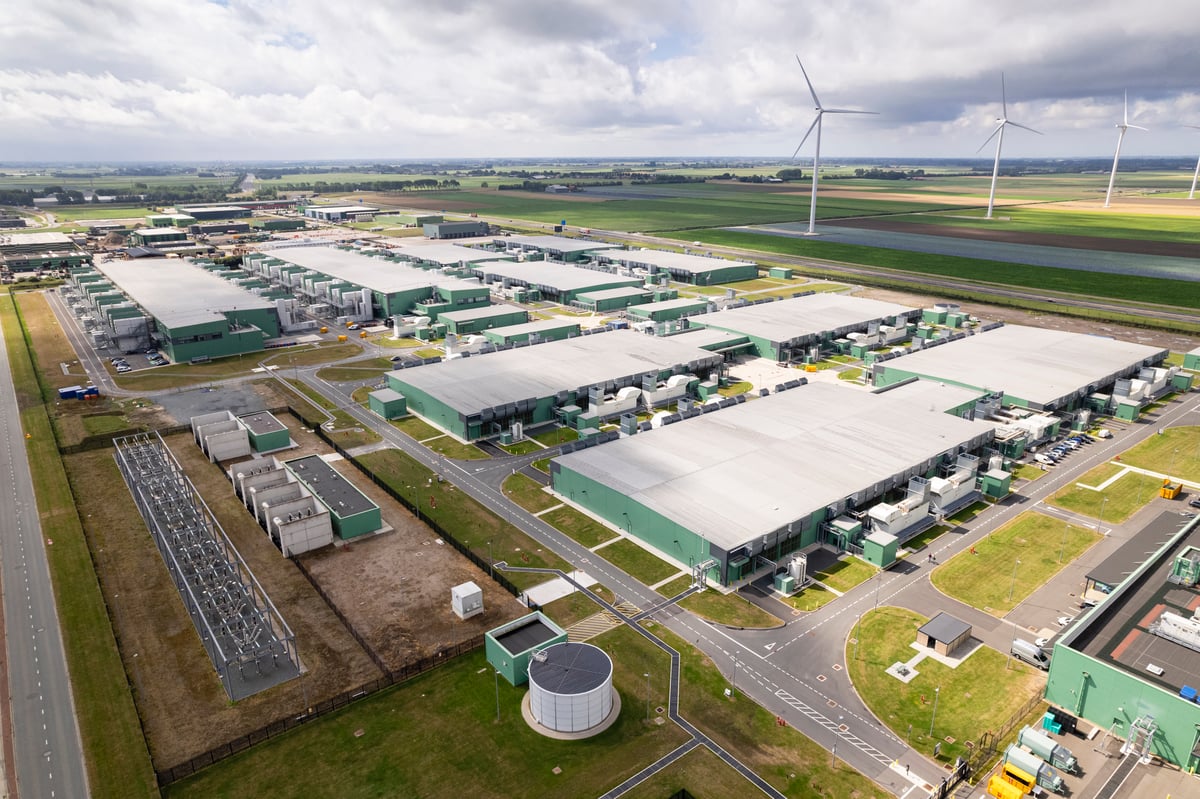
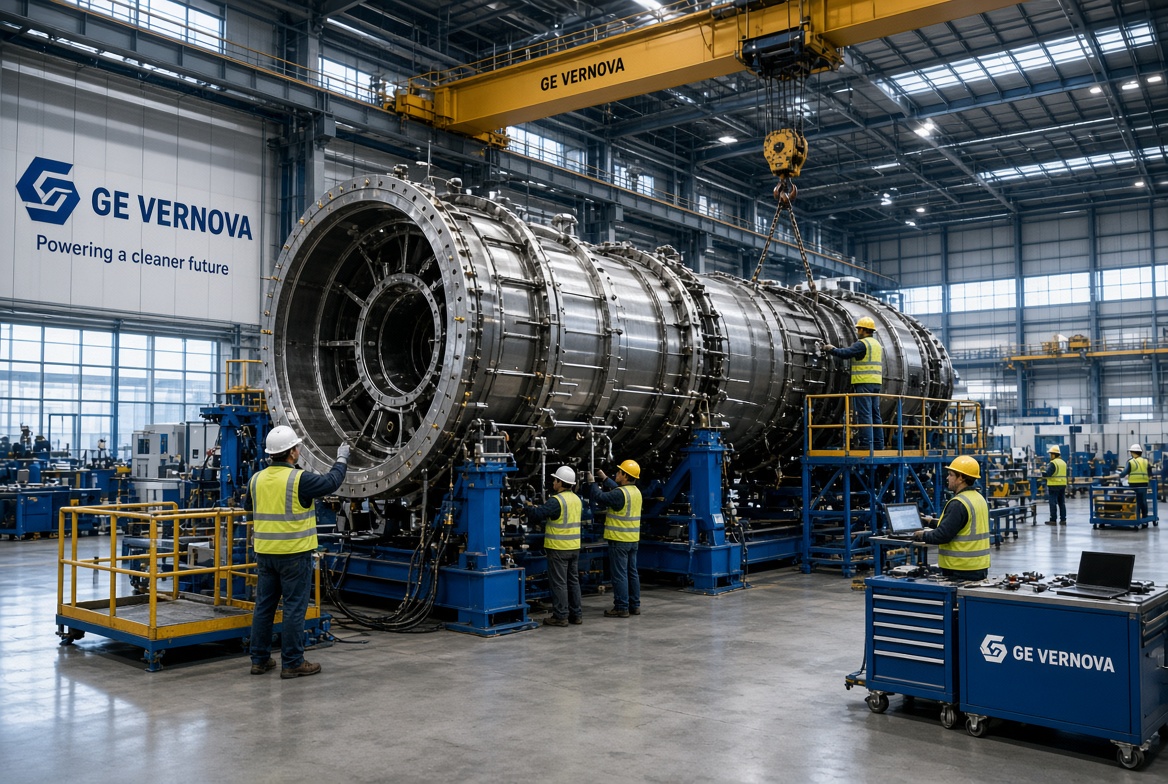
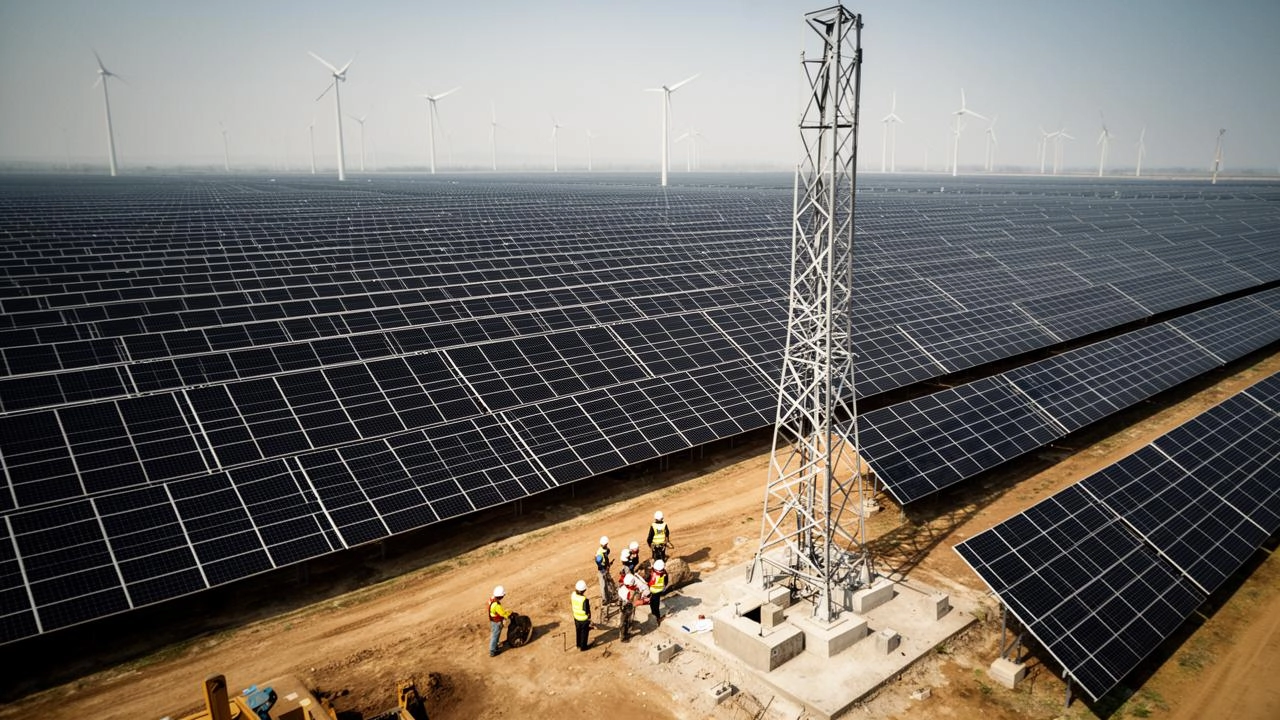
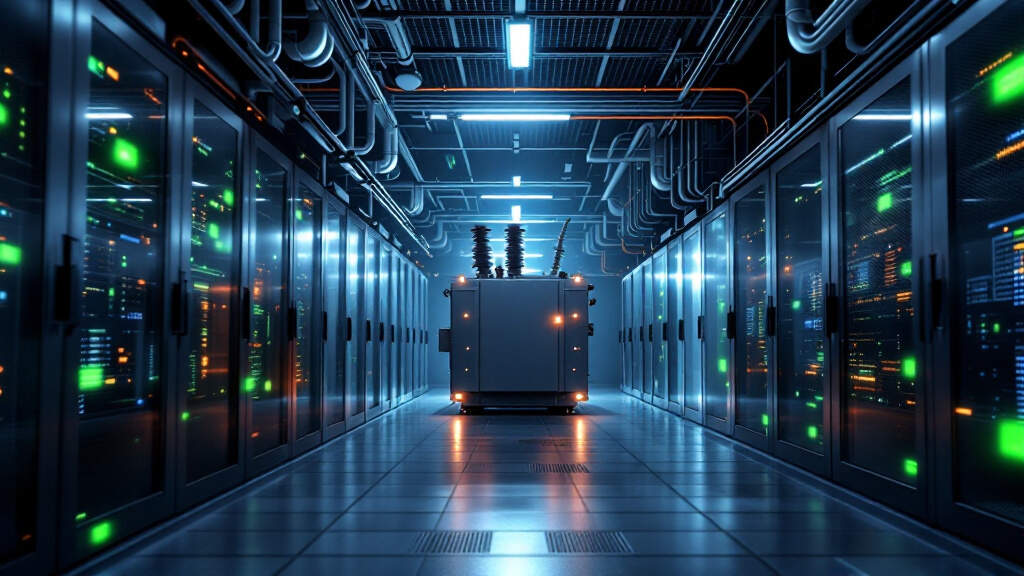
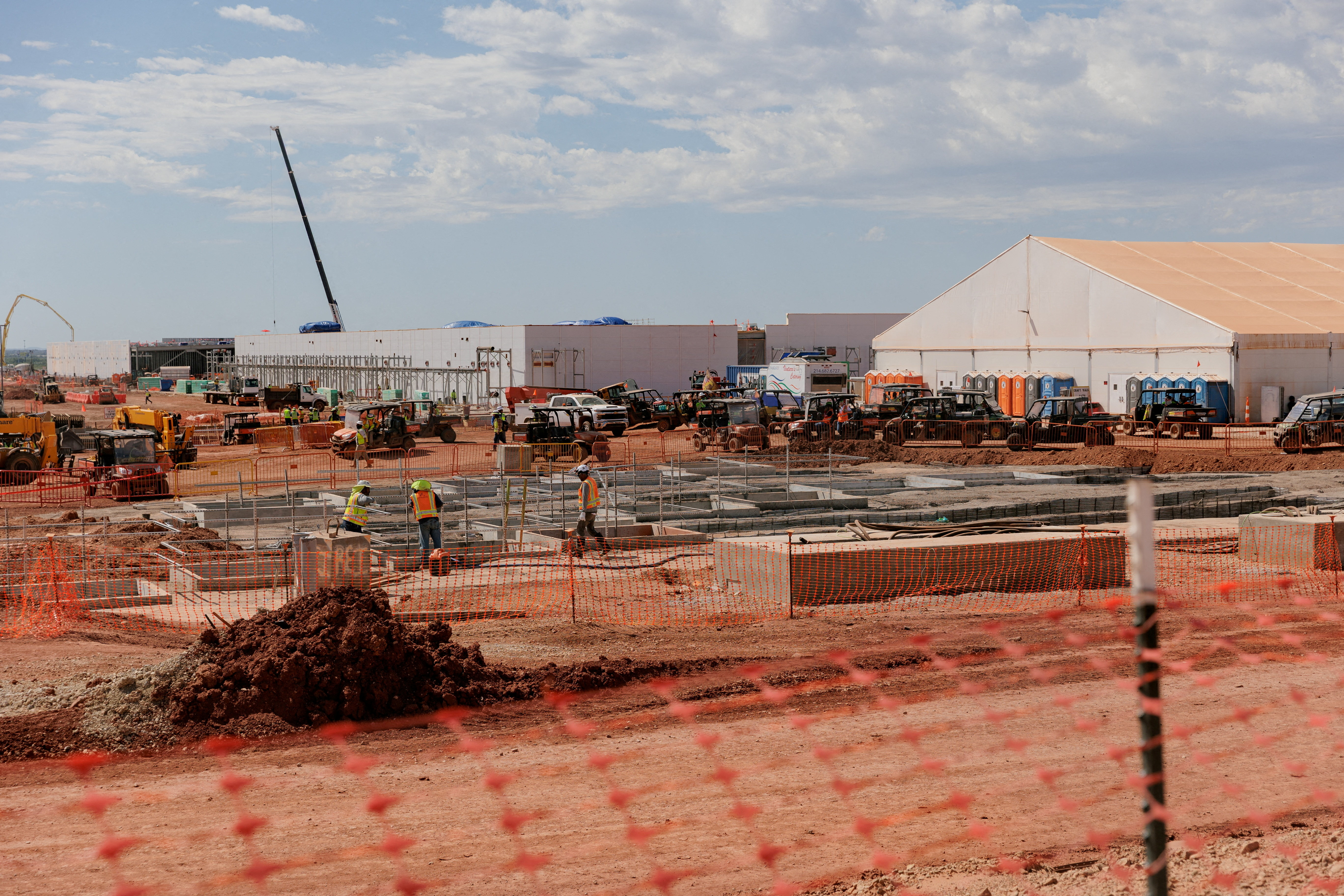
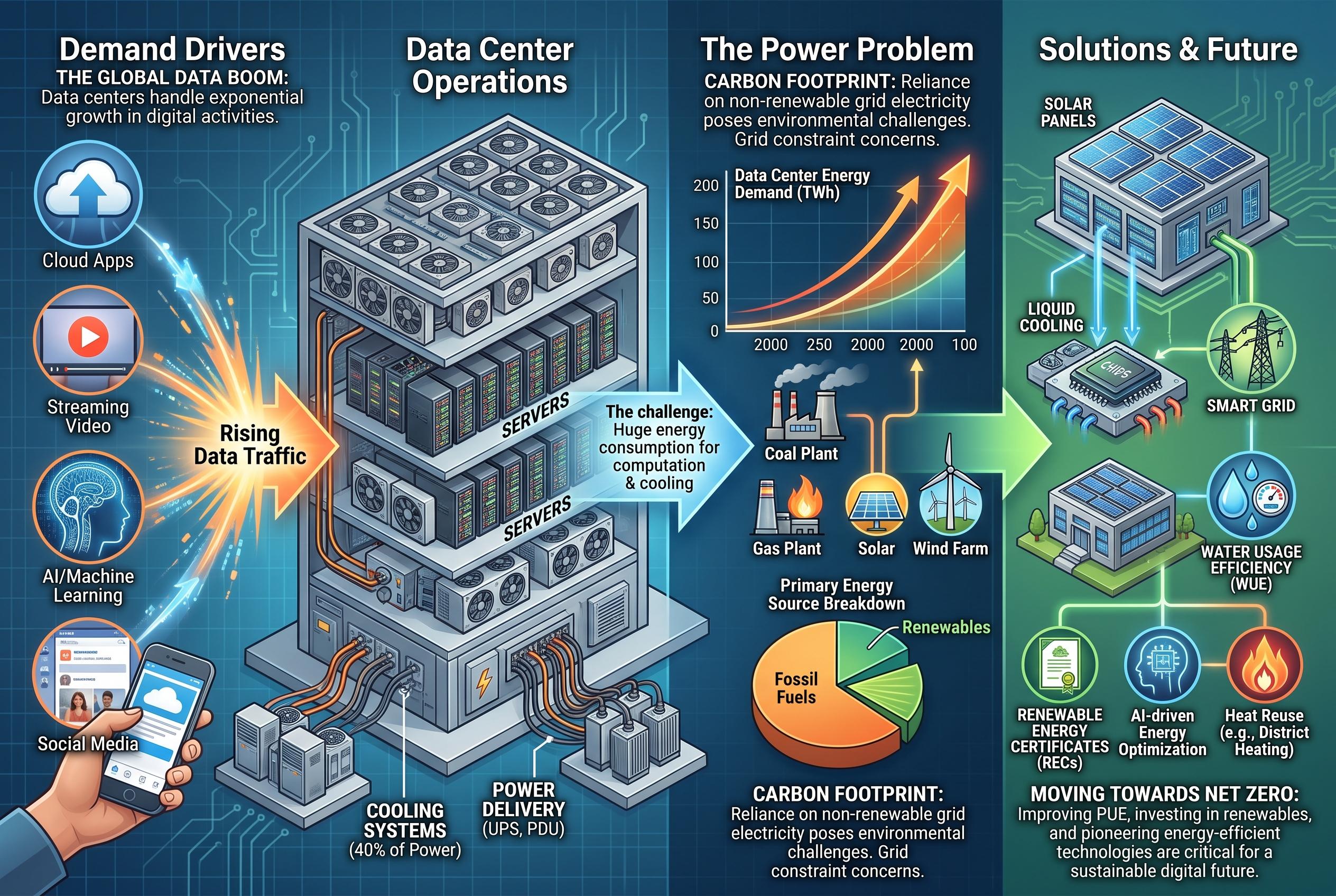
The global AI infrastructure buildout has exposed a critical bottleneck that directly impacts e-commerce sellers: gas turbine supply constraints are creating a severe power shortage for data centers. According to GE Vernova's July 22, 2025 earnings call, new turbine orders placed today won't arrive until 2031—a 6-year delay that fundamentally constrains AI expansion. Goldman Sachs projects U.S. data center power demand will surge from 31 gigawatts in 2025 to 66 GW by 2027, with data centers consuming 8.5% of total U.S. peak summer demand by 2027 (up from 4.1% currently). GE Vernova's backlog has exploded to $176 billion, with 116 GW of orders by Q2 2026 and expectations to exceed 125 GW by December 2026. This supply-demand mismatch creates cascading effects for e-commerce sellers who depend on cloud infrastructure for critical operations.
For sellers, this translates into three immediate operational risks: First, cloud service costs will rise significantly as hyperscalers (Amazon Web Services, Microsoft Azure, Google Cloud) face constrained capacity and must prioritize enterprise clients. Sellers using cloud-based inventory management, AI-powered pricing tools, and fulfillment automation will experience 15-25% cost increases over the next 18-24 months as providers pass through infrastructure costs. Second, AI tool availability and pricing will shift. The shortage forces cloud providers to allocate limited capacity to their highest-margin services—meaning AI-powered product recommendation engines, dynamic pricing algorithms, and customer service chatbots will become more expensive or face service degradation for mid-market sellers. Third, geographic arbitrage opportunities emerge: sellers in regions with alternative power infrastructure (nuclear-heavy areas like Pennsylvania, where Microsoft secured Three Mile Island capacity) may gain cost advantages, while sellers in power-constrained regions face margin compression.
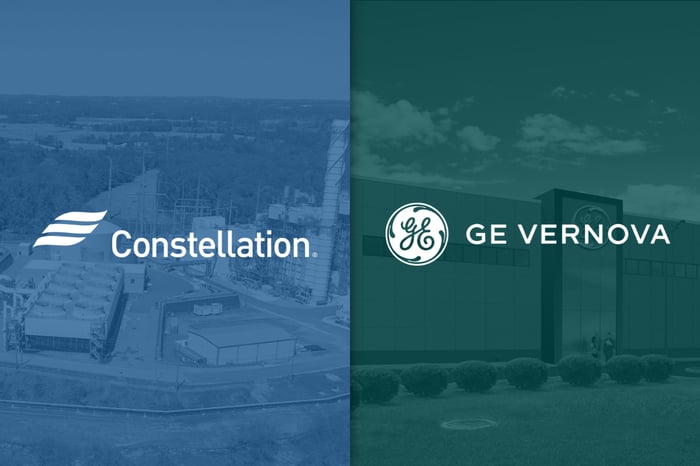
The competitive intelligence angle is critical: Constellation Energy's 20-year power purchase agreement with Microsoft signals that hyperscalers are locking in long-term capacity with premium providers. This creates a two-tier infrastructure market—premium-priced reliable power for enterprise AI workloads versus constrained, expensive capacity for smaller cloud users. Sellers should anticipate that Amazon, Google, and Microsoft will prioritize their own AI services (Amazon's Advertising Platform, Google Shopping AI, Microsoft Copilot for Commerce) over third-party seller tools. GE Vernova's production roadmap (20 GW this quarter, scaling to 30 GW by 2030) shows the supply gap will persist for 3-5 years, meaning sellers cannot rely on near-term relief. The Big Three turbine manufacturers (GE Vernova, Siemens Energy, Mitsubishi Power) cannot rapidly scale production, creating a structural supply constraint rather than a temporary shortage.
Questions 8
How long will the data center power shortage last and when should I expect relief?
The shortage is structural and will persist through 2030. GE Vernova's production roadmap shows capacity scaling from 20 GW (current) to 24 GW (2028) to 30 GW (2030)—insufficient to meet projected demand of 66 GW by 2027. The Big Three turbine manufacturers cannot rapidly scale production, meaning new orders placed today won't arrive until 2031. Sellers should plan for elevated cloud costs through 2028-2029, with potential relief only after 2030. This is not a temporary shortage but a multi-year structural constraint. Budget accordingly and avoid making major infrastructure investments assuming near-term price relief.
What actions should I take immediately to prepare for higher cloud infrastructure costs?
Take these immediate actions: (1) Audit your current cloud spending across AWS, Azure, Google Cloud, and Shopify—identify which services consume the most resources; (2) Request quotes for multi-year contracts from your cloud provider before Q2 2026; (3) Evaluate alternative tools with lower computational requirements or on-premise options; (4) Model financial scenarios with 15-25% cloud cost increases to understand margin impact by product category; (5) Review your fulfillment strategy and consider 3PL providers in nuclear-powered regions (Pennsylvania, Illinois) for cost advantages; (6) Monitor GE Vernova and Constellation Energy announcements for capacity updates. Complete these steps by end of Q1 2026 before price increases accelerate.