



Beef Supply Chain Disruption Drives Meat Price Surge | Seller Sourcing & Logistics Impact
- 50% reduction in Pacific Northwest slaughter capacity triggers 15-25% meat price increases; sellers must shift sourcing to Nebraska/Kansas or face margin compression in food/grocery categories












Overview
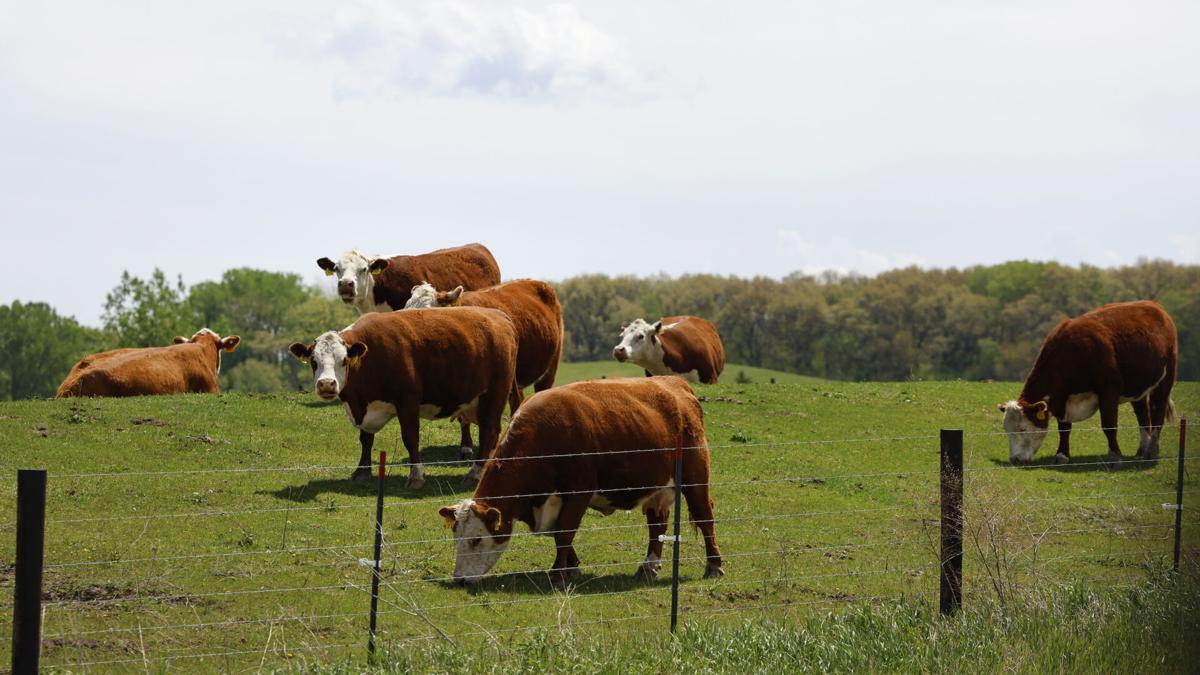
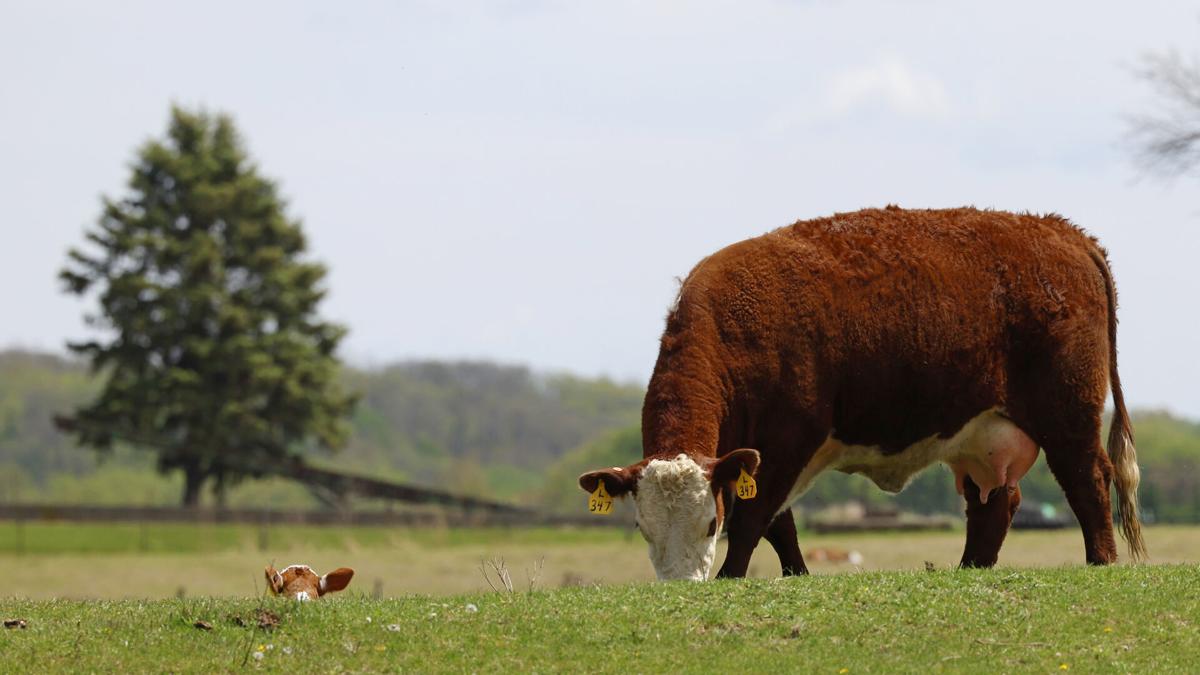
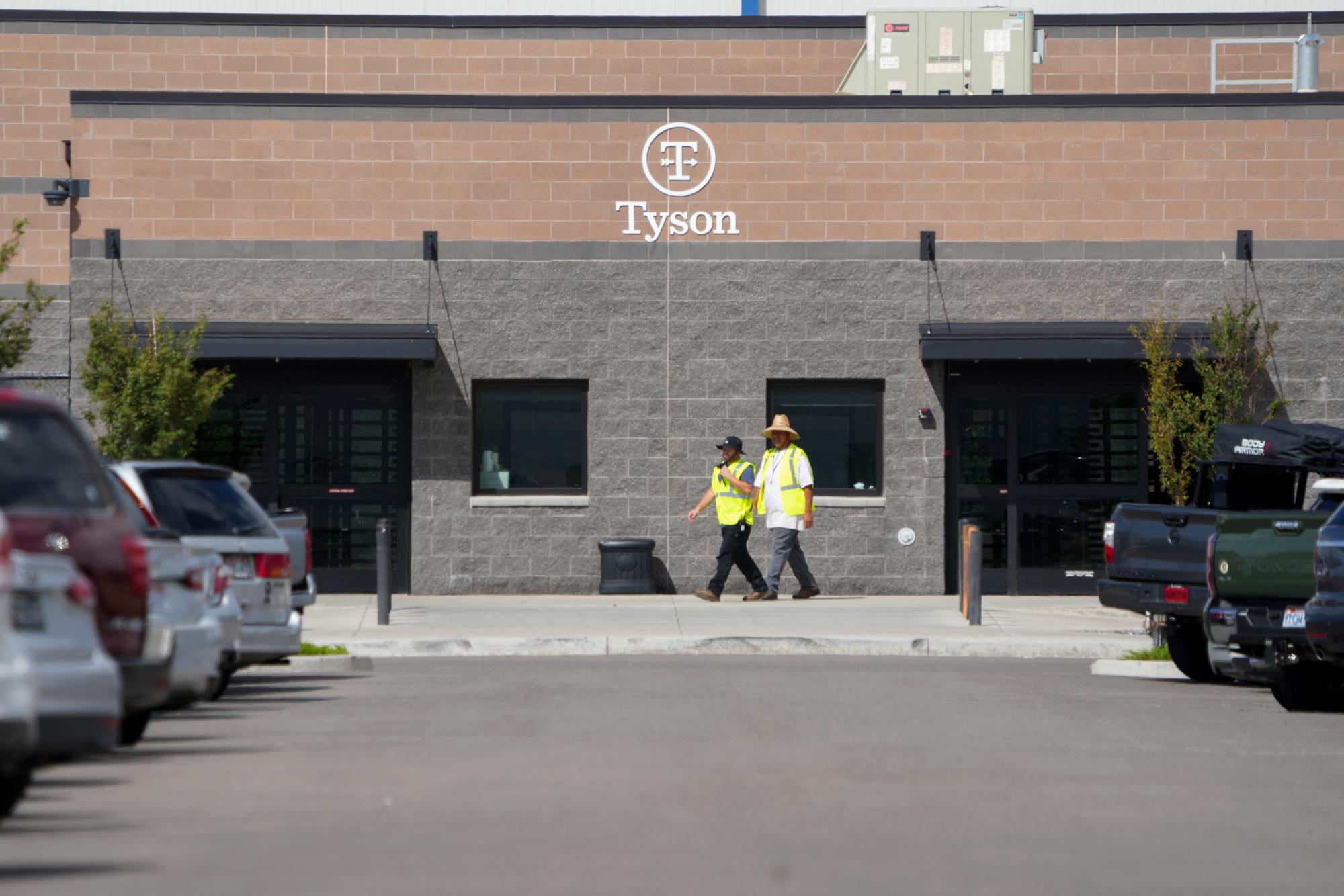
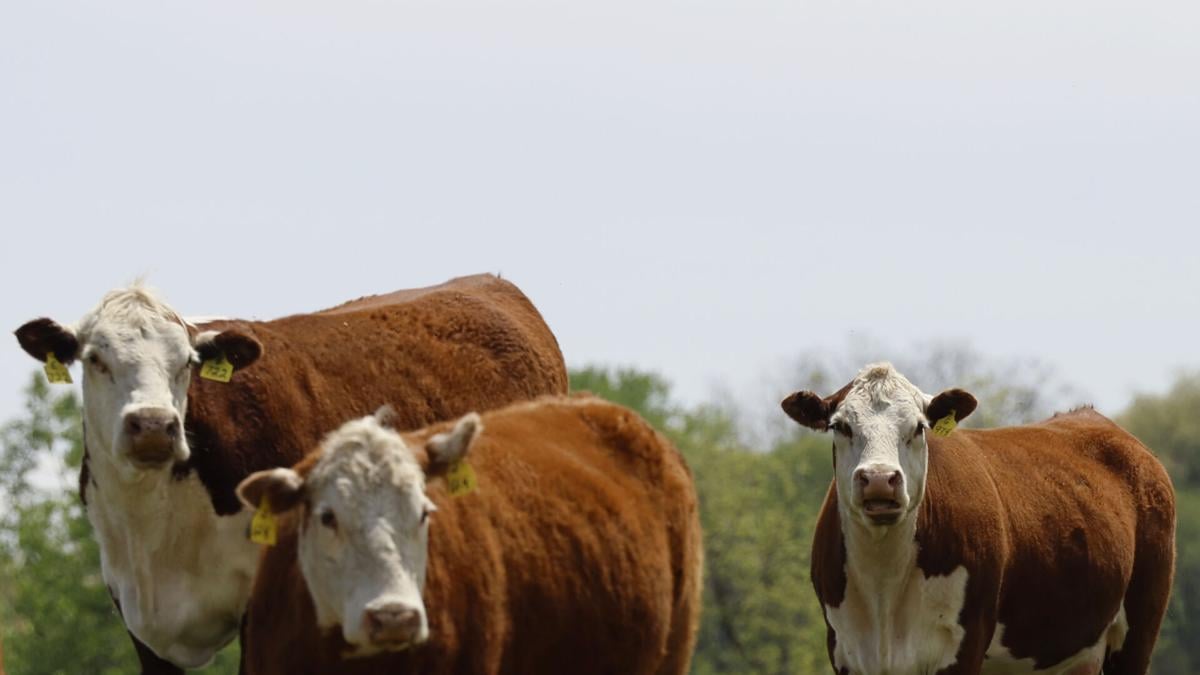
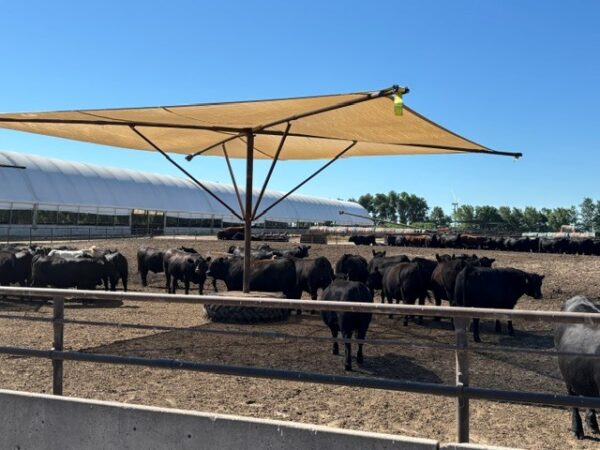
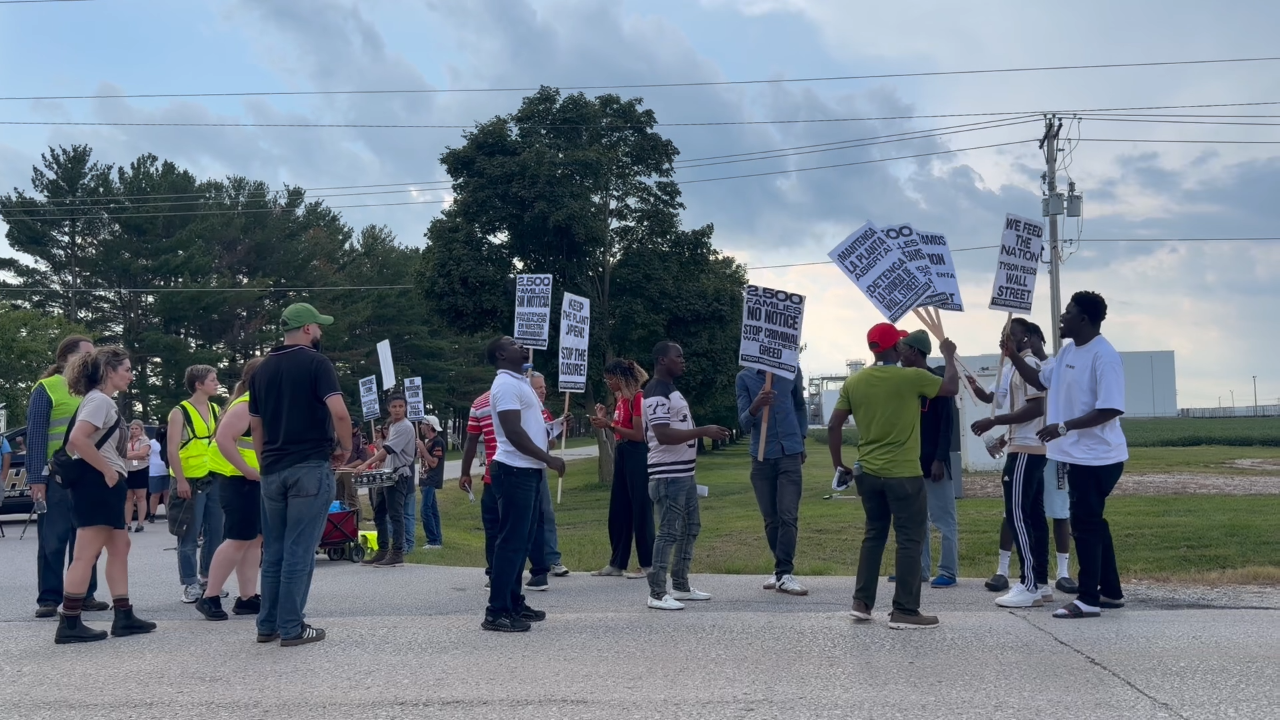
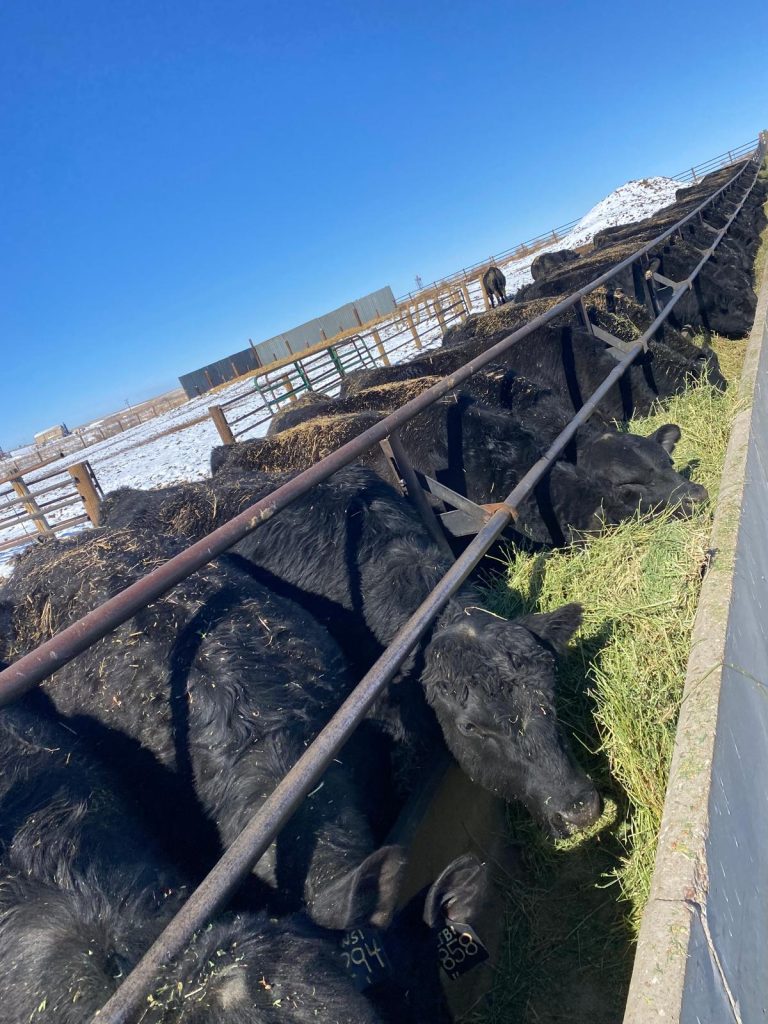
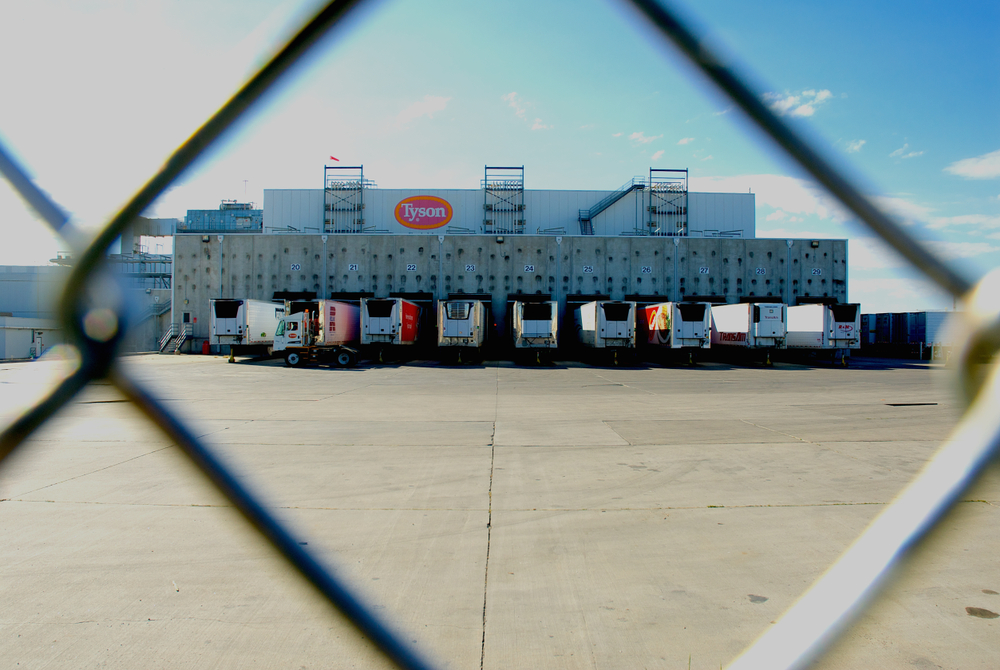
Tyson Foods' announced sale of its Wallula, Washington beef processing facility represents a critical supply chain inflection point for cross-border food and grocery sellers. The facility processes 2,000 head of cattle daily and represents the majority of fed cattle processing capacity in the Pacific Northwest region. Losing this plant would reduce regional slaughter capacity by approximately 50%, leaving only AgriBeef's Toppenish facility as a major regional operation. This consolidation forces cattle transport from Washington/Oregon to Nebraska, Kansas, or Texas—adding 800-1,200 miles of freight and increasing logistics costs by $40-80 per head of cattle.
For sellers in meat, prepared foods, and grocery categories on Amazon Fresh, Walmart+, and specialty food platforms, this creates immediate cost pressures. Beef prices are projected to increase 15-25% within 6-12 months as transportation costs rise and regional supply tightens. Sellers sourcing from Pacific Northwest ranchers face margin compression of 8-12% unless they adjust pricing or shift sourcing regions. The news indicates Washington state's regulatory environment (labor costs, compliance burdens, tax obligations) has made agricultural operations unviable—USDA data shows Washington ranks last nationally for farm profitability with $400M in producer losses during 2024. This regulatory burden extends beyond beef to dairy, produce, and specialty agriculture, signaling broader sourcing challenges in the region.
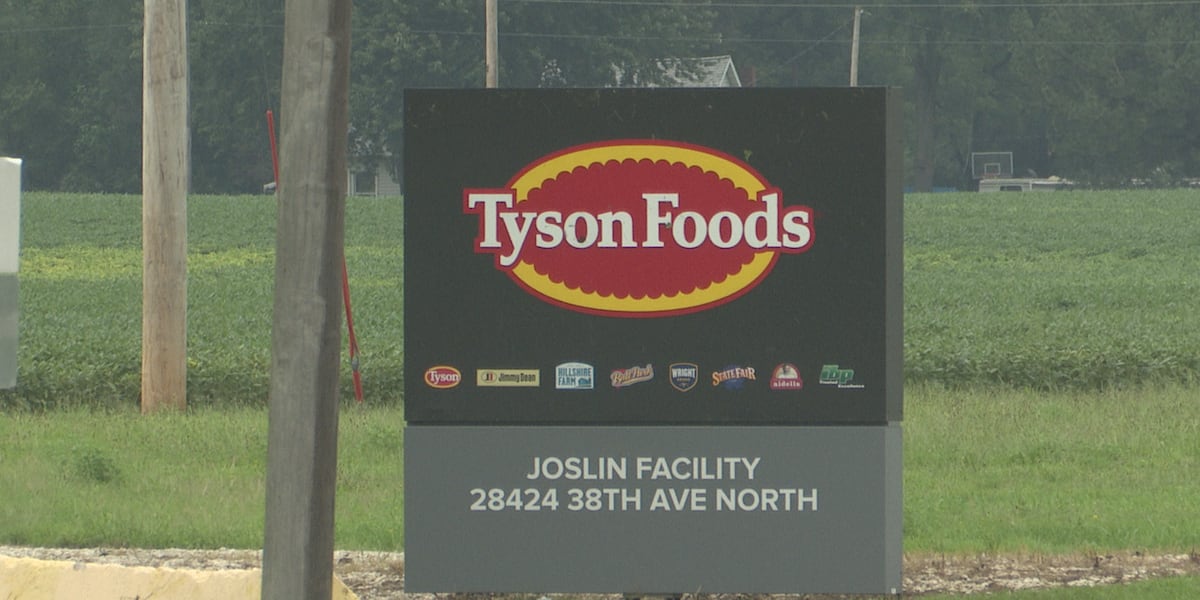
Logistics implications are substantial for cross-border food sellers. Current routing: Pacific Northwest cattle → Wallula plant (local processing) → regional distribution. Post-sale routing: Pacific Northwest cattle → Nebraska/Kansas plants (800-1,200 mile haul) → national distribution. This adds 3-5 days to supply chain and increases cold chain logistics costs by $0.15-0.25/lb for beef products. Sellers using 3PL providers in Washington/Oregon will face higher fulfillment costs; those with inventory in Midwest warehouses (Kansas City, Omaha) gain competitive advantage. The facility's 1,400-person workforce closure parallels Tyson's January 2024 Lexington, Nebraska closure (3,200 jobs), indicating consolidation is accelerating across the beef industry.
Strategic inventory actions are critical now. Sellers should: (1) Increase beef inventory purchases from Pacific Northwest suppliers before Q4 2024 while regional pricing remains stable; (2) Evaluate sourcing shifts to Nebraska/Kansas beef producers for 2025 contracts; (3) Reposition inventory from West Coast to Midwest fulfillment centers (Kansas City, Omaha, St. Louis) to reduce transportation costs post-consolidation; (4) Consider alternative proteins (chicken, pork, plant-based) for margin-sensitive categories. The sale timeline remains uncertain, but legislative action is unlikely given Washington's political environment, making consolidation probable within 12-18 months.
Questions 8
What alternative proteins should sellers consider to offset beef supply constraints?
Chicken, pork, and plant-based proteins offer immediate alternatives. Chicken supply remains stable with processing capacity distributed across multiple regions (no single facility dominance). Pork supply is similarly distributed, reducing consolidation risk. Plant-based meat alternatives (Beyond Meat, Impossible Foods) are experiencing 8-12% annual growth on Amazon Fresh and Walmart+, driven by health-conscious consumers. Sellers should evaluate category mix: if beef represents 40-50% of meat category sales, shift 10-15% of inventory allocation to chicken and plant-based products. This diversification reduces margin compression risk and captures growing consumer segments. Pricing advantage: plant-based products maintain 25-35% higher margins than commodity beef, offsetting volume losses.
How does Washington state's regulatory environment affect other agricultural sellers?
Washington ranks last nationally for farm profitability with $400M in producer losses during 2024, according to USDA data. This regulatory burden extends beyond beef to dairy, produce, and specialty agriculture. Sellers sourcing from Washington state face broader supply risk: labor costs, compliance burdens, tax obligations, and activist-driven policies are pushing agricultural businesses from the state. Dairy sellers should evaluate sourcing from Wisconsin, Idaho, and California. Produce sellers should diversify from Washington apples/berries to Oregon, California, and regional suppliers. The Wallula closure signals accelerating consolidation across Washington agriculture. Mitigation: Conduct supplier diversification audit by Q1 2025; identify backup suppliers in adjacent states for all Washington-sourced categories.