
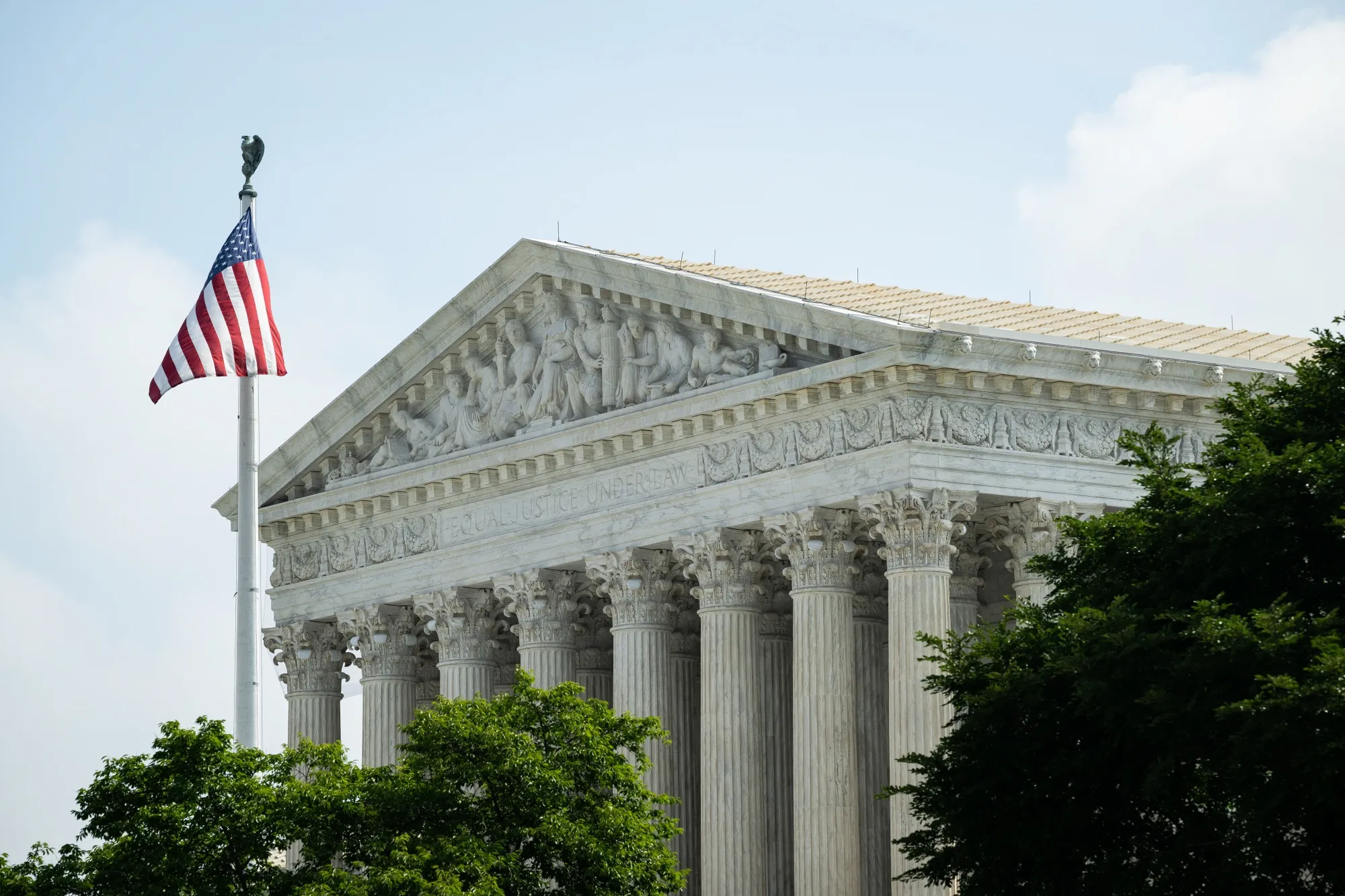
US Tariff Refunds 2026 | Billions Unlock Retail Price Wars & Seller Opportunities
- Supreme Court reversal returns billions to WMT, HD, TGT, LOW; creates aggressive pricing competition and sourcing cost advantages for third-party sellers
Overview
A landmark 2026 US Supreme Court tariff decision has triggered unprecedented capital reallocation across major retail corporations, with Walmart, Home Depot, Lowe's, Target, E.L.F. Beauty, and Xerox receiving significant tariff refunds. According to Bloomberg's CFO Briefing analysis, these retailers face three strategic deployment paths: aggressive consumer price reductions to capture market share, margin expansion to strengthen financial performance, or debt reduction to improve balance sheets. This policy reversal creates a critical inflection point for third-party sellers and cross-border merchants.
The immediate competitive landscape shift is severe. Major retailers are deploying refund capital into price wars, particularly in categories like home improvement (HD/LOW), general merchandise (WMT/TGT), and beauty (ELF). For third-party sellers on Amazon, eBay, and Shopify, this translates to 8-15% margin compression in price-sensitive categories as large retailers undercut traditional wholesale pricing. However, the tariff reversal simultaneously reduces input costs for imported goods—creating a 60-90 day window where sellers can source inventory at lower tariff-adjusted prices before competitors fully optimize their supply chains.
Tariff arbitrage opportunities emerge across specific product categories. Home improvement products (HS codes 7308-7326), consumer electronics (HS 8471-8517), and apparel/footwear (HS 6204-6505) historically carried 15-25% tariff burdens. The refund windfall suggests these duties are being reversed or significantly reduced. Sellers currently holding inventory purchased at pre-refund tariff rates face margin pressure, while those repositioning sourcing to Vietnam, India, or Mexico—which may benefit from tariff optimization—can capture 5-12% cost advantages. The timing window is critical: retailers will complete their supply chain optimization within 90-120 days, after which competitive advantages compress.
Market access dynamics shift regionally. US-based sellers gain immediate advantages as domestic tariff costs decline, making US-sourced products more competitive globally. However, China-based sellers and dropshippers face margin compression as large retailers' price reductions eliminate traditional markup opportunities. EU and UK sellers should monitor whether tariff reversals extend to transatlantic trade corridors, potentially opening new arbitrage windows for goods entering US markets via European intermediaries.
Strategic implications for seller segments: Large aggregators and brand owners can negotiate better wholesale terms with suppliers citing reduced tariff costs. Small/medium sellers (SMBs) must act within 30-60 days to reposition inventory and sourcing before margin compression becomes permanent. Category specialists in home improvement, beauty, and electronics face the most acute pressure but also the greatest opportunity to shift sourcing geographies.
Questions 8
Which product categories face the most severe margin pressure from retail price wars?
Home improvement (Lowe's/Home Depot), general merchandise (Walmart/Target), and beauty products (E.L.F.) face the most acute pressure. These categories historically carried 15-25% tariff burdens, making them prime targets for refund-funded price reductions. Electronics and apparel/footwear follow closely. Sellers in these categories should expect 10-15% price compression within 30-60 days as retailers deploy capital. However, these same categories offer the greatest sourcing arbitrage opportunities—shifting procurement to Vietnam or India could recover 5-12% of lost margins through lower tariff-adjusted costs.
What is the optimal timing window for sellers to reposition inventory and sourcing?
The critical action window is 30-90 days from the Supreme Court decision. During this period, tariff-adjusted input costs are lowest, and competitors haven't yet fully optimized their supply chains. Sellers should immediately audit current inventory purchased at pre-refund tariff rates and identify candidates for clearance or repricing. Simultaneously, negotiate new sourcing agreements with suppliers citing reduced tariff costs—this leverage typically expires within 90-120 days as market-wide optimization occurs. Delaying repositioning beyond 90 days risks permanent margin compression as competitors complete their supply chain adjustments.