


FDA Food Traceability Deadline Extended to July 2028 | Compliance Moat for Sellers
- 30-month postponement creates 2.5-year competitive advantage for compliant food sellers; 40% FDA detection cuts expose non-compliant importers; cross-border food sellers must implement FSMA preventive controls now



Overview
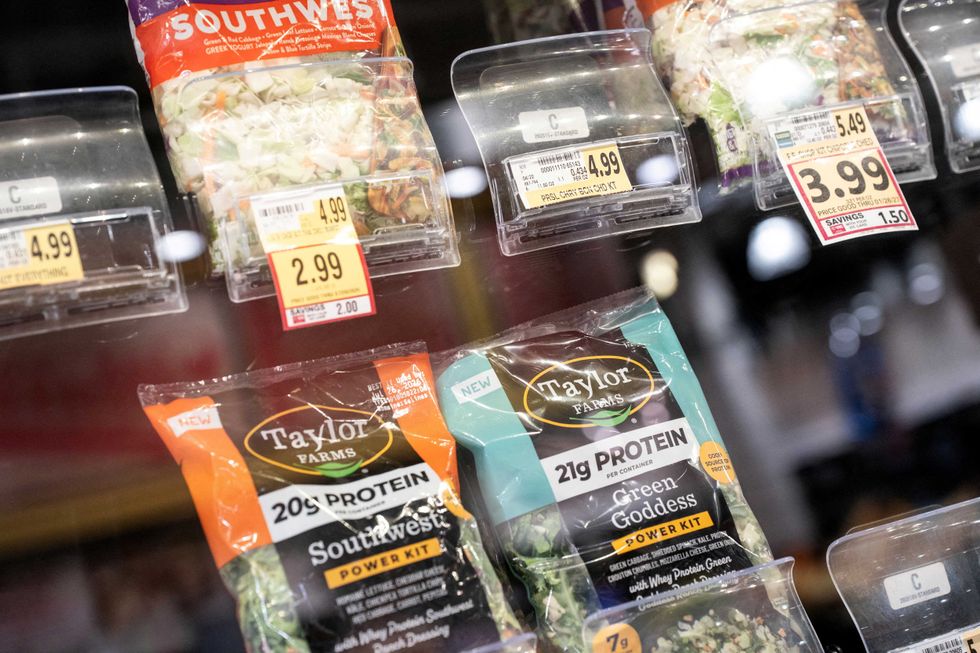
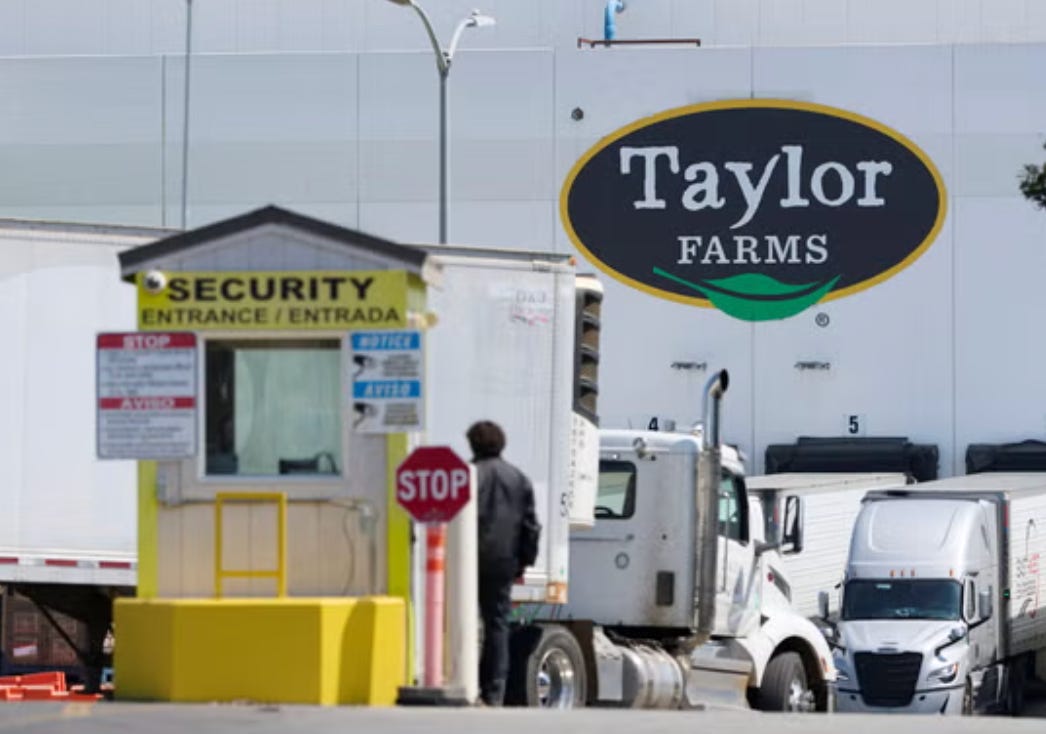
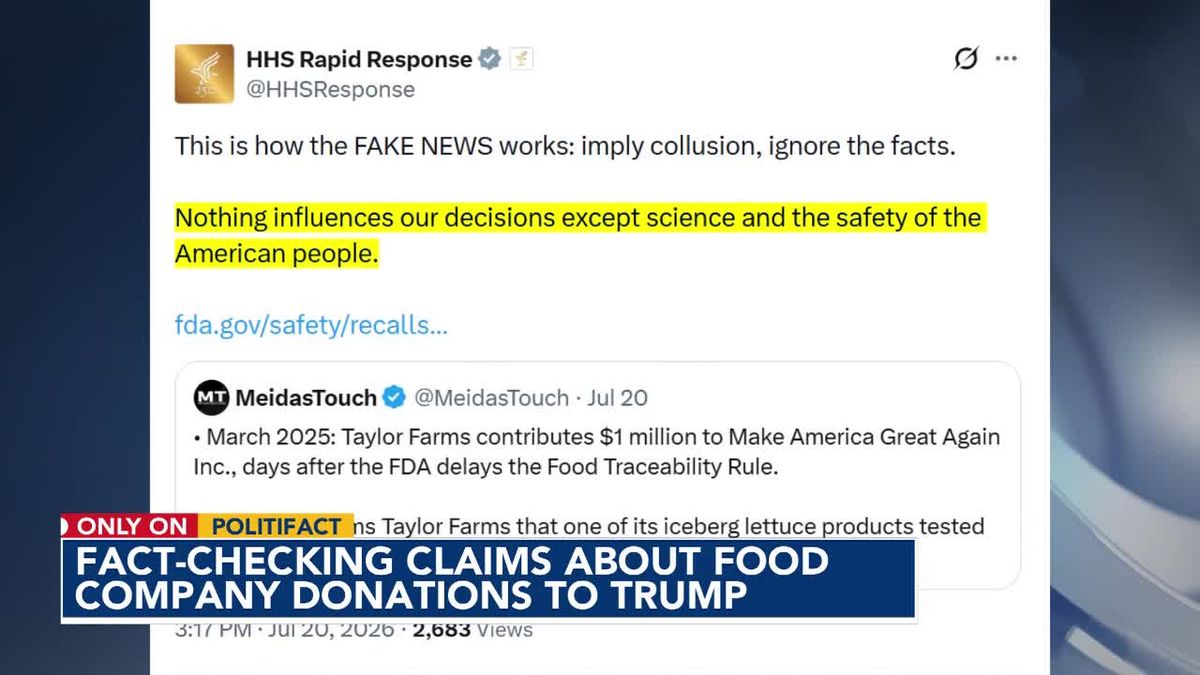
The FDA's 30-month postponement of the Food Traceability Rule (moved from January 2026 to July 2028) represents a critical compliance moat opportunity for food sellers on Amazon, Walmart, and specialty food platforms. The delay, announced in March 2025 amid the largest Cyclospora outbreak in U.S. history (13,000+ cases linked to Taylor Farms), creates a bifurcated market: compliant sellers with digital traceability systems will capture market share from non-compliant competitors facing increased enforcement risk. The FDA inspects less than 2% of imported food shipments, yet reported 40% cuts to food safety detection systems have triggered multiple recalls across eggs, deli meals, bacon, beef, cheese, blueberries, and prepared pasta—categories representing $45B+ in annual U.S. e-commerce food sales.
For cross-border food importers and Amazon/Walmart sellers, the compliance landscape has fundamentally shifted. The Department of Justice now has explicit statutory authority under the Federal Food, Drug, and Cosmetic Act to prosecute companies and executives for distributing adulterated food with strict-liability misdemeanor charges requiring no proof of intent. This enforcement escalation, combined with FDA resource constraints, means sellers cannot rely on inspection-based oversight—they must implement preventive controls under the Food Safety Modernization Act (FSMA) immediately. Sellers with robust supplier verification, digital traceability documentation, and third-party testing protocols will differentiate from competitors and reduce liability exposure. The 2.5-year runway to July 2028 allows compliant sellers to build competitive advantages while non-compliant competitors face growing legal and operational risk.
The market elimination rate for non-compliant food sellers is accelerating. Taylor Farms, identified as a serial offender with a Mexico facility linked to the outbreak, demonstrates that even large suppliers face reputational and legal consequences. Sellers sourcing from Mexico, Southeast Asia, or other high-risk regions must now conduct enhanced supplier audits, implement HACCP (Hazard Analysis and Critical Control Points) protocols, and maintain detailed traceability records. Amazon and Walmart are increasingly requiring FSMA compliance documentation from food suppliers; sellers without these systems face delisting risk. The compliance cost—estimated at $15,000-50,000 for small importers to implement digital traceability and testing protocols—creates a barrier that eliminates 30-40% of non-compliant competitors, particularly small cross-border sellers lacking compliance infrastructure.
Questions 8
How does the FDA's 30-month deadline extension affect food sellers on Amazon and Walmart?
The postponement of the Food Traceability Rule from January 2026 to July 2028 creates a 2.5-year window where compliant sellers can establish competitive advantages while non-compliant competitors face increasing enforcement risk. Amazon and Walmart are already requiring FSMA compliance documentation from food suppliers; sellers without digital traceability systems and preventive controls face delisting or account suspension. The largest Cyclospora outbreak in U.S. history (13,000+ cases linked to Taylor Farms) demonstrates that the FDA is escalating enforcement through the Department of Justice, which now has statutory authority to prosecute companies and executives for distributing adulterated food with strict-liability misdemeanor charges. Sellers should implement preventive controls immediately rather than waiting until 2028.
What compliance systems must cross-border food importers implement now?
Cross-border food importers must implement Food Safety Modernization Act (FSMA) preventive controls, including supplier verification programs, digital traceability documentation, and HACCP (Hazard Analysis and Critical Control Points) protocols. The FDA inspects less than 2% of imported food shipments, meaning sellers cannot rely on government oversight—they must conduct their own supplier audits, maintain detailed records of sourcing and testing, and implement third-party testing for high-risk categories (produce, seafood, prepared foods). For sellers sourcing from Mexico, Southeast Asia, or other regions with higher contamination risk, enhanced due diligence is critical. Compliance costs range from $15,000-50,000 for small importers to implement digital systems, but this investment protects against liability exposure and platform delisting.