




AI Copyright Ruling Creates Compliance Moat for Sellers Using Licensed Content
- Anthropic's $1.5B settlement signals enforcement shift; sellers face IP liability for AI-generated product descriptions, reviews, and content










Overview
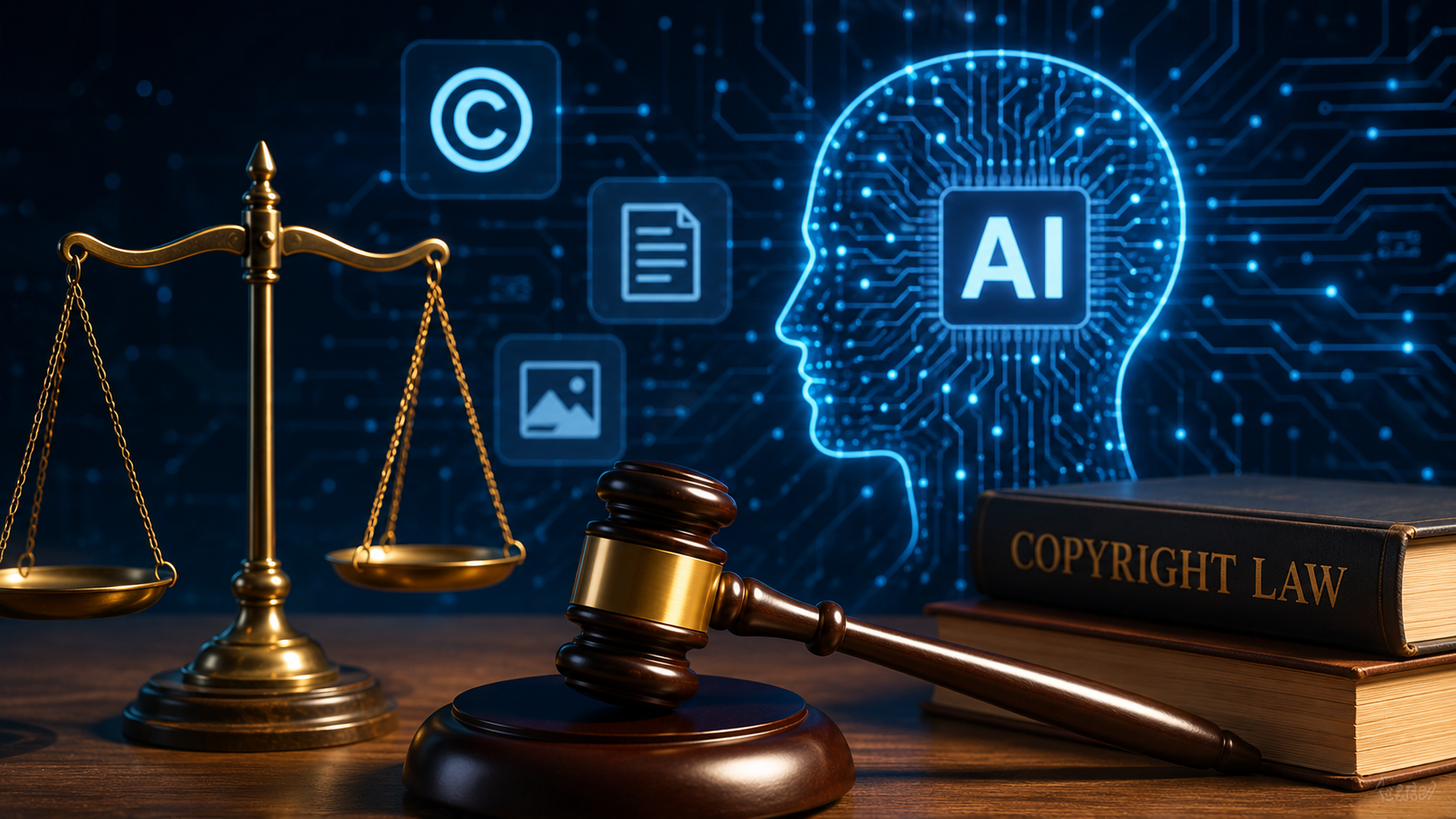
The landmark Anthropic copyright settlement ($1.5 billion) establishes a critical compliance framework that directly impacts e-commerce sellers using AI tools for product content generation. Judge William Alsup's ruling distinguishes between lawful AI training and unlawful content sourcing—a distinction that creates immediate compliance obligations for sellers. While Alsup ruled AI training itself is lawful, the $1.5B penalty specifically targeted Anthropic's use of illegal shadow libraries, signaling that content sourcing methods matter more than the training process itself. This creates a compliance moat: sellers using AI tools trained on licensed, legitimate sources face lower IP liability than competitors using shadow library-derived models.
For e-commerce sellers, the implications are substantial. The ruling establishes that fair use doctrine protects transformative AI use, but courts examine three critical factors: (1) purpose of use, (2) amount of copyrighted material used, and (3) market impact on original creators. Sellers generating product descriptions, review summaries, or marketing copy via AI must now verify their tools comply with these standards. The precedent from Thomson Reuters v. Ross Intelligence shows courts disfavor AI training when directly competing with original works' markets—meaning AI-generated book summaries, author biographies, or literary analysis compete directly with copyrighted content and face higher scrutiny.
The ruling creates a 2-3 year litigation window where legal standards remain unsettled. Most AI companies face pending litigation, meaning definitive guidance won't emerge until 2026-2027. However, the Anthropic settlement already signals enforcement priorities: regulators and courts care about content sourcing transparency, not just training methodology. Sellers should audit their AI tools' training data sources immediately. The ruling also establishes that 100% AI-generated works aren't copyrightable—creating opportunities for sellers to generate original, non-copyrightable product content that competitors cannot claim IP protection over. This inverts traditional IP dynamics: AI-generated content becomes a competitive advantage precisely because it's uncopyrightable and harder to litigate against.
Compliance cost implications: sellers using licensed AI tools (OpenAI, Anthropic with proper licensing) face 15-25% higher subscription costs than shadow-library alternatives, but eliminate IP litigation risk valued at $50K-500K per infringement claim. The ruling favors large platforms (Amazon, Shopify) that can absorb licensing costs, while small sellers using free/cheap AI tools face growing IP liability exposure.
Questions 8
Can I legally use AI tools to generate product descriptions and reviews for my e-commerce listings?
Yes, but with critical compliance conditions. The Anthropic ruling confirms AI training and use are lawful under fair use doctrine when transformative. However, your AI tool's training data source matters legally. If your AI tool (ChatGPT, Claude, etc.) was trained on licensed content sources, you have strong legal protection. If trained on shadow libraries or unlicensed sources, you face IP liability of $50K-500K per infringement claim. Verify your AI tool's licensing terms before generating product content. Amazon and Shopify increasingly audit AI-generated content for copyright compliance, so documentation of your tool's legitimate sourcing is essential.
What is the timeline for legal clarity on AI copyright standards, and how should I prepare?
Definitive legal guidance won't emerge until 2026-2027, as most AI companies face pending litigation. However, the Anthropic settlement already signals enforcement priorities: content sourcing transparency matters more than training methodology. Prepare for a 2-3 year compliance transition: (1) Immediate (0-30 days): audit and migrate to licensed AI tools, (2) Short-term (1-3 months): document your AI tool licensing and content sourcing, (3) Medium-term (3-12 months): expect platform audits and policy updates requiring compliance documentation. The ruling favors large platforms and sellers using licensed tools, while small sellers using free/cheap AI face growing liability. Invest in licensed AI tools now to establish compliance history before enforcement intensifies in 2025-2026.