



US Battery Supply Chain Reshoring | $500M DOE Grants Drive Domestic Manufacturing Boom
- $500M federal funding accelerates domestic battery production; sellers sourcing power products face supply chain restructuring and new sourcing opportunities in US-manufactured components





Overview
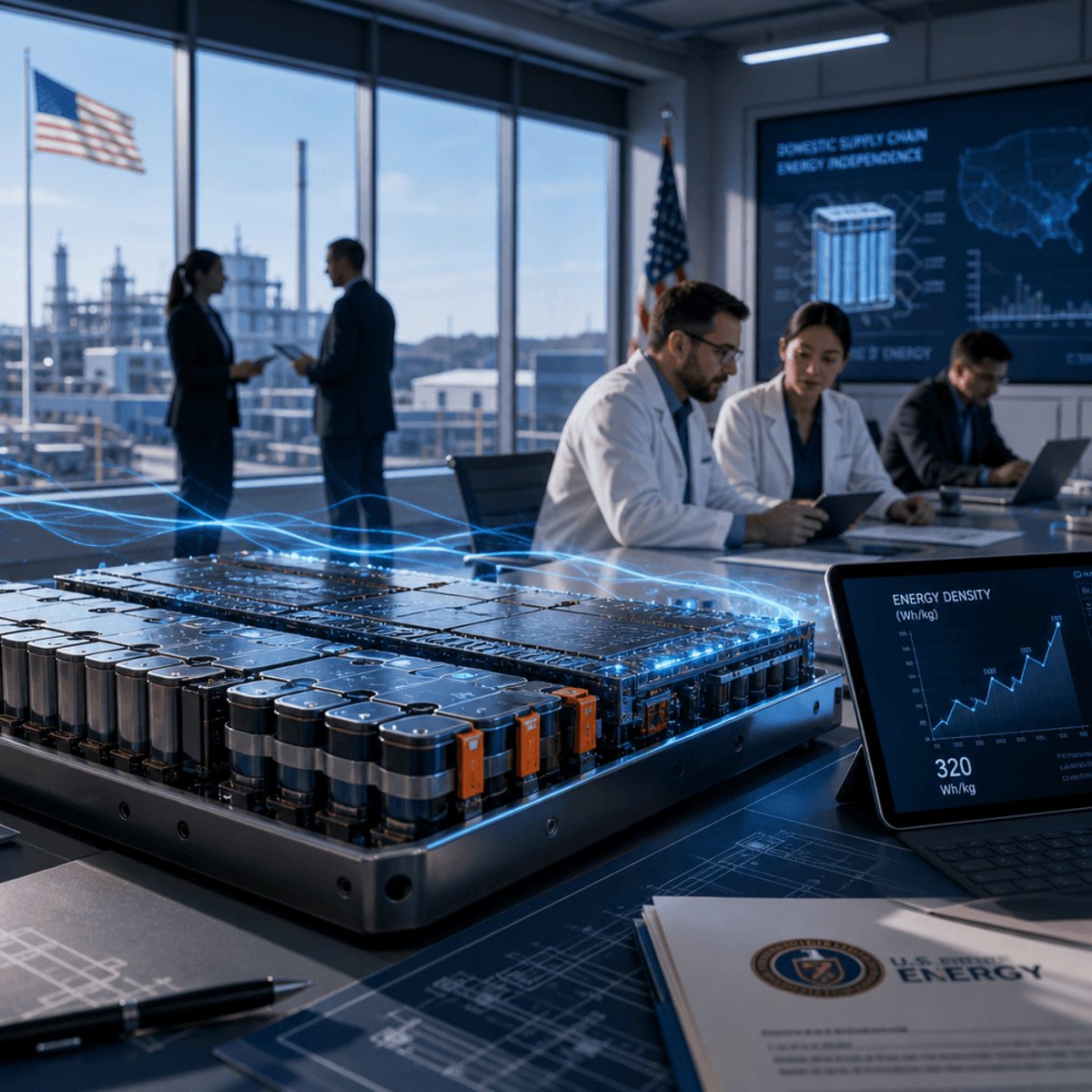
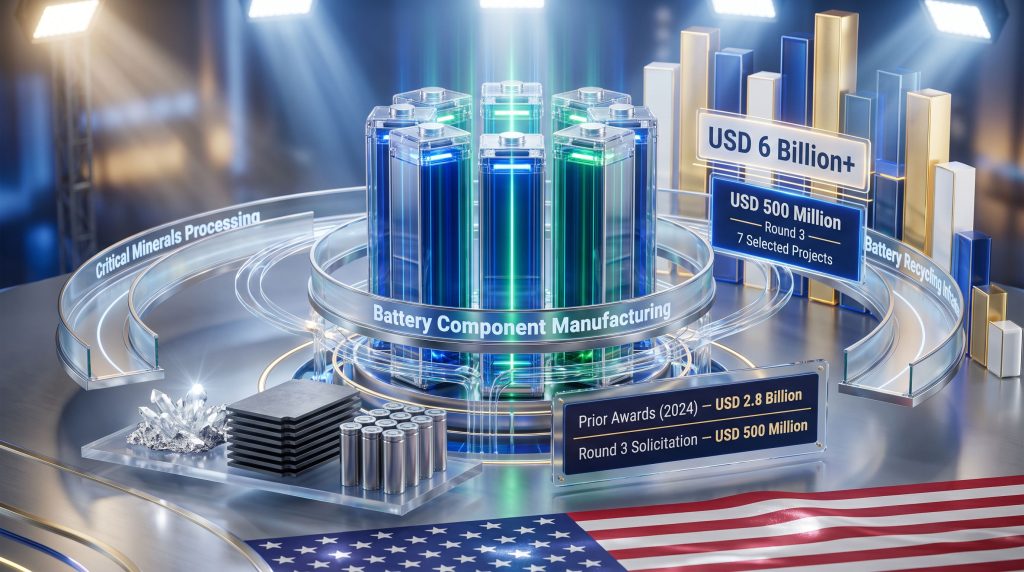
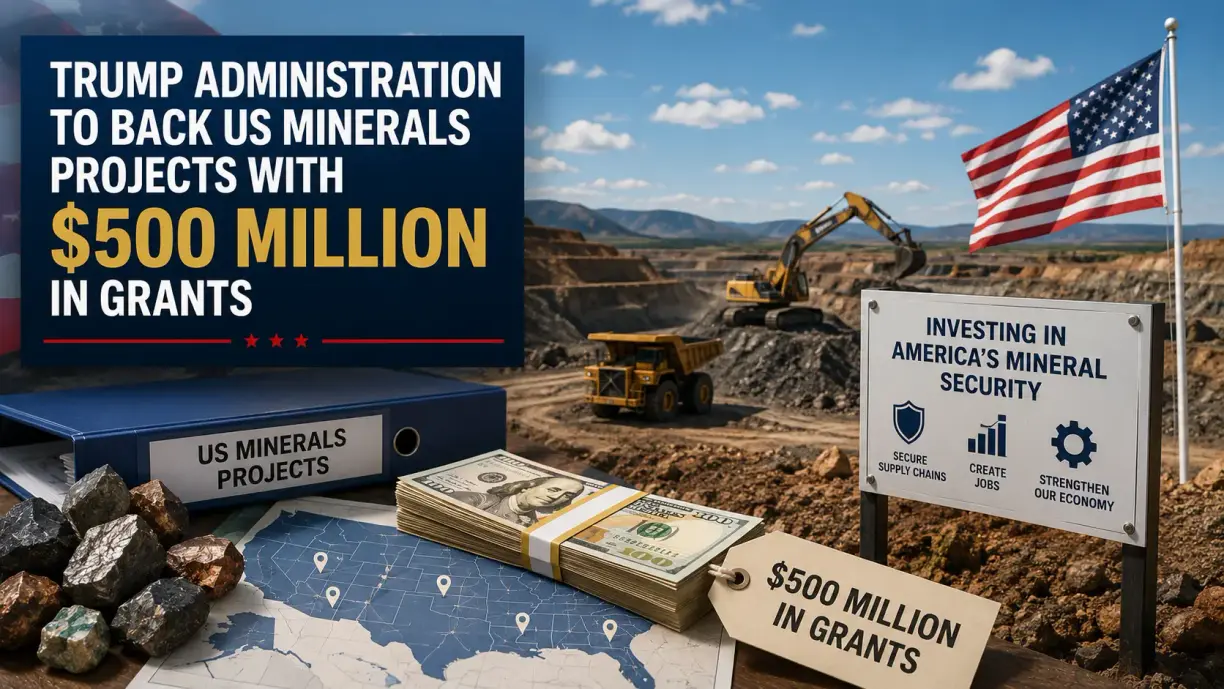
The U.S. Department of Energy's $500 million grant announcement represents a fundamental restructuring of the North American battery supply chain with direct implications for cross-border e-commerce sellers. The initiative targets domestic production of critical battery materials—lithium extraction (Lilac Solutions: $100M for 5,000 metric tons annual capacity by 2028), anode materials (Coreshell: $50M for metallurgical silicon), and recycled battery refining (Nth Cycle: $100M for lithium/nickel compounds)—signaling a strategic pivot away from foreign dependency. This reshoring initiative creates a critical inflection point for sellers in electronics, power tools, portable devices, and drone/robotics categories who currently source batteries from Asia-Pacific suppliers.
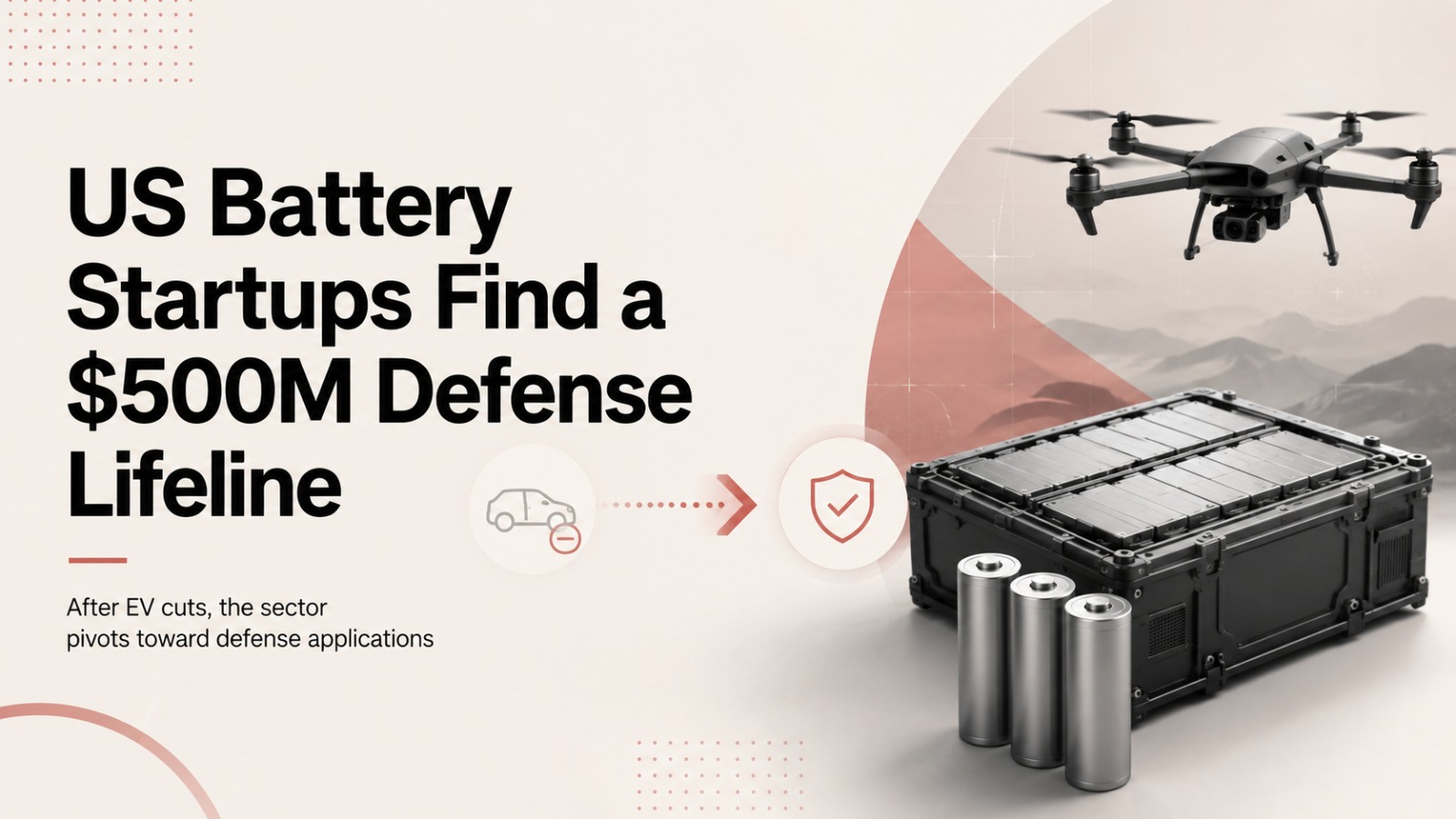
Supply Chain Restructuring Impact: The $18 billion annual U.S. automotive battery manufacturing spend, combined with $200 million annual Defense Logistics Agency procurement, indicates a bifurcated market emerging. Defense applications (drones, torpedoes, infantry radios, fighter jets) now provide immediate revenue certainty for domestic manufacturers, while automotive EV demand remains delayed due to eliminated federal incentives. For e-commerce sellers, this creates a 12-24 month window where domestic battery component costs may remain elevated as new U.S. facilities ramp production (Lilac's 2028 target), but long-term sourcing costs could stabilize at premium levels due to higher U.S. labor and manufacturing standards.
Competitive Advantage Shift: Sellers currently sourcing batteries from China, Vietnam, or South Korea face rising tariff exposure and supply chain vulnerability. The Trump administration's support for domestic battery production, despite opposing EV incentives, signals protectionist policy continuation. Sellers with existing U.S. manufacturing partnerships or those willing to absorb 15-25% cost premiums for "Made in USA" battery components gain competitive positioning in defense-adjacent categories (portable power, emergency equipment, industrial devices). Mid-market sellers (annual revenue $5-50M) face the greatest disruption—too large to ignore supply chain shifts, too small to negotiate favorable pricing with emerging domestic suppliers.
Tariff Arbitrage Opportunity: The policy creates a 18-36 month window before domestic production scales. Sellers should accelerate imports of battery components from current Asian suppliers before potential tariff escalation on foreign batteries (HS codes 8507.20-8507.80). Simultaneously, early adoption of U.S.-sourced components in premium product lines enables marketing differentiation ("American-made batteries") in defense, industrial, and emergency preparedness categories—segments showing 12-18% annual growth in cross-border marketplaces.
Questions 8
How should sellers structure inventory for the battery supply chain transition?
The policy creates a bifurcated sourcing strategy: (1) Accelerate imports of Asian-sourced batteries during the 12-18 month window before tariff escalation (HS 8507.20-8507.80), building 6-9 month inventory buffers for high-volume SKUs. (2) Simultaneously develop U.S.-sourced battery product lines targeting defense, industrial, and premium consumer segments. (3) Monitor Lilac Solutions' lithium production ramp (targeting 5,000 metric tons by 2028) and Nth Cycle's recycled battery facility for domestic sourcing opportunities. Sellers should avoid overcommitting to single-source Asian suppliers; instead, negotiate 18-24 month contracts with flexibility clauses for tariff escalation. Consider 3PL partnerships with U.S. battery distributors to reduce inventory carrying costs during the transition.
What is the competitive advantage timeline for sellers adopting U.S.-sourced batteries?
The 18-36 month window before domestic battery production scales (Lilac's 2028 target, Nth Cycle's facility ramp) creates a first-mover advantage for sellers marketing 'American-made' batteries. Early adopters can differentiate in defense contractor supply chains, government procurement channels, and premium consumer segments willing to pay 15-25% premiums for supply chain security. Mid-market sellers ($5-50M annual revenue) face the greatest disruption—too large to ignore supply chain shifts, too small to negotiate favorable pricing with emerging domestic suppliers. Recommend: (1) Audit current battery sourcing by HS code, (2) Identify U.S. supplier partnerships within 6 months, (3) Develop 'Made in USA' product lines targeting defense and industrial categories by Q3 2025.