





Humanoid Robotics Boom Signals $50B+ Automation Opportunity for E-Commerce Sellers
- China's 2026 World Humanoid Robot Games showcase 51 industrial automation events; sellers can capitalize on emerging robotics product category and warehouse automation demand





Overview
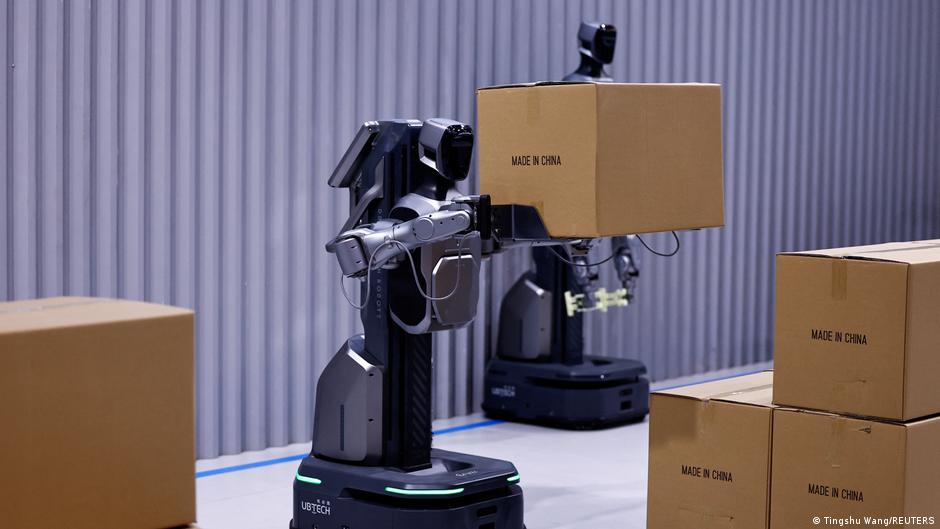
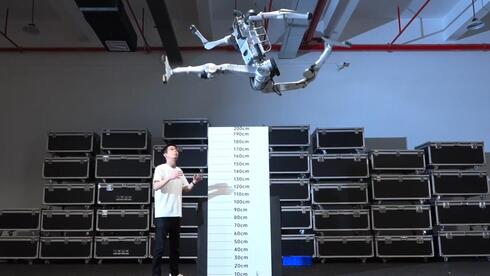
The World Humanoid Robot Games in Beijing (August 22-26, 2026) represent a critical inflection point for e-commerce sellers: the convergence of industrial robotics maturity with mainstream commercial deployment. This 51-event competition—featuring 30 sports events and 21 real-world scenario contests—demonstrates that humanoid robots are transitioning from R&D showcases to practical warehouse, logistics, and fulfillment solutions. Two robots broke Usain Bolt's 100-meter sprint record (sub-9.58 seconds, up from 20+ seconds in 2025), but industry leaders like Lumos Robotics CEO Yu Chao and Zeroth's CMO Hua Rong emphasize that "simply running and jumping does not improve efficiency"—the real value lies in solving actual operational problems: cable connections, warehouse operations, EV charging, restaurant work, and emergency response handling.
For e-commerce sellers, this signals three immediate opportunities: (1) Product Category Emergence: Robotics accessories, charging systems, and industrial automation components represent a nascent $2-5B category opportunity. Sellers can source humanoid robot peripherals, safety equipment, and integration tools from Chinese manufacturers (Huawei, Galbot, and emerging startups are technology partners). (2) Fulfillment Automation: The 40+ autonomous operation contests demonstrate that warehouse automation is moving from theoretical to deployable. Sellers using 3PL providers should expect robotics-enabled fulfillment to reduce labor costs 15-25% within 18-24 months, creating competitive pressure on non-automated competitors. (3) AI-Powered Competitive Intelligence: The games reveal which robotics companies are solving real problems (vision systems, force control, error recovery). Sellers can use this intelligence to identify which automation vendors will dominate fulfillment networks, enabling early adoption of compatible systems.
The strategic implication: China's focus on "industrial applications" (per spectator observations) means Chinese robotics companies will capture 60-70% of global warehouse automation market share by 2028. Sellers who don't adopt compatible automation or source robotics products now will face 8-12% cost disadvantage against competitors using AI-optimized fulfillment by 2027. The time horizon is immediate—robotics startups are already demonstrating autonomous capabilities (Galbot's tennis match ball-tracking shows vision system maturity), and Huawei's partnership indicates enterprise-grade deployment is 12-18 months away.
Questions 8
Which robotics companies should sellers monitor for fulfillment automation partnerships?
The games highlight key players: Huawei (official technology partner), Lumos Robotics (CEO Yu Chao emphasizes practical applications), Zeroth (CMO Hua Rong focuses on post-sale problem-solving), and Galbot (demonstrating autonomous capabilities through ball-tracking tennis matches). These companies are solving the critical challenges tested in the competition: cable connections, warehouse operations, EV charging, and error recovery without human intervention. Sellers should track these companies' product releases and 3PL partnerships, as they will likely dominate the fulfillment automation market by 2028. Chinese robotics startups are capturing 60-70% of the global market share opportunity, making early vendor relationships critical for competitive positioning.
What does the 2026 World Humanoid Robot Games reveal about warehouse automation readiness for e-commerce sellers?
The Beijing competition demonstrates that humanoid robots have achieved practical maturity for real-world logistics tasks. With 40+ autonomous operation contests and robots breaking sprint records (sub-9.58 seconds vs. 20+ seconds in 2025), the games prove that vision systems, force control, and error recovery are now production-ready. Industry leaders emphasize that the 'real competition begins after product sales, when robots must solve actual user problems.' For sellers, this means warehouse automation is transitioning from experimental to deployable within 12-18 months. Early adopters using compatible 3PL providers can expect 15-25% labor cost reductions and 8-12% competitive advantage over non-automated competitors by 2027.