



PlayStation Disc Discontinuation 2028 | Gaming Merchandise & Collectibles Opportunity
- Sony ending physical game production January 2028 creates urgent demand surge for retro gaming products, collectible discs, and legacy console merchandise across Amazon, eBay, and specialty gaming marketplaces







Overview
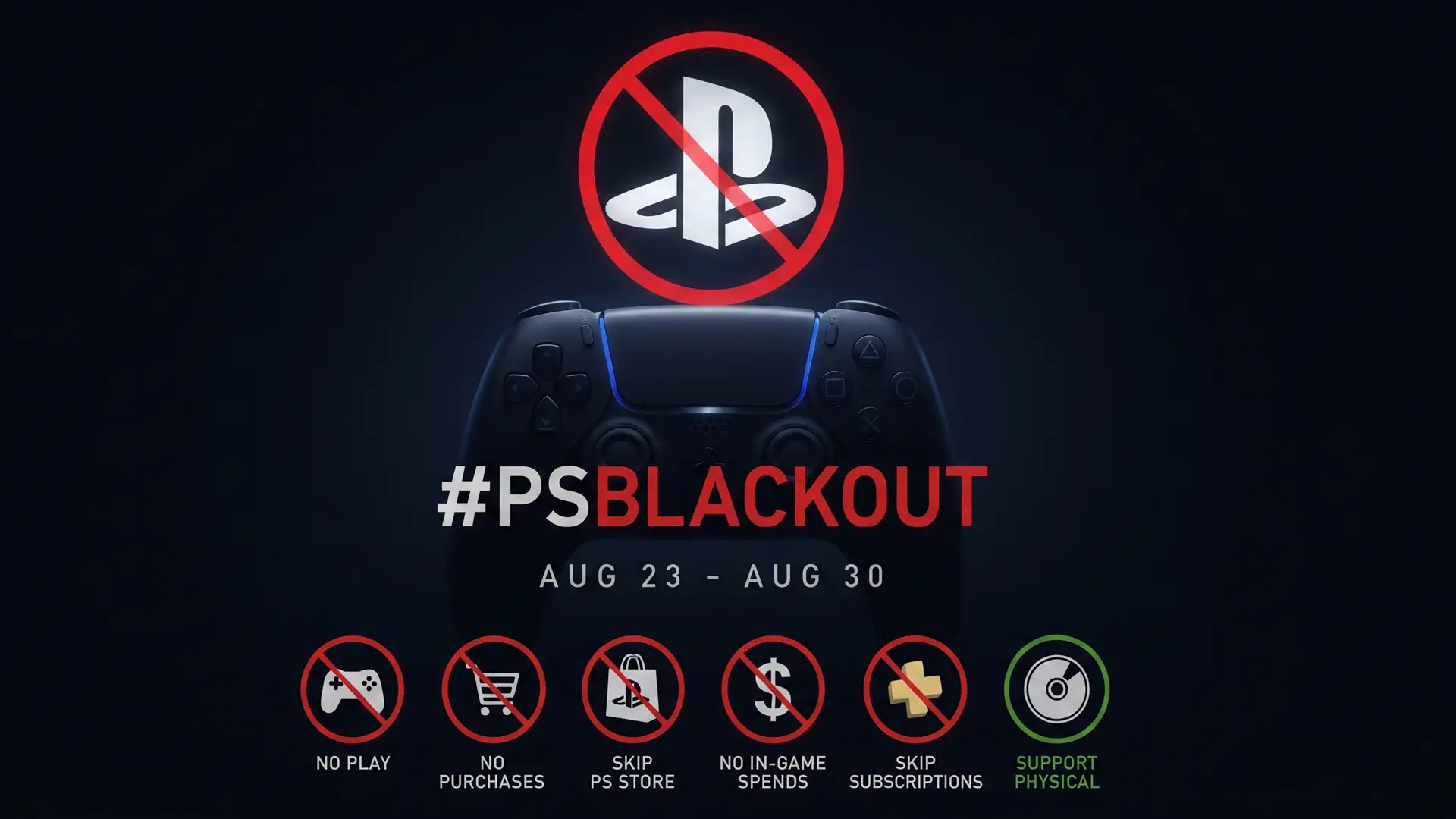
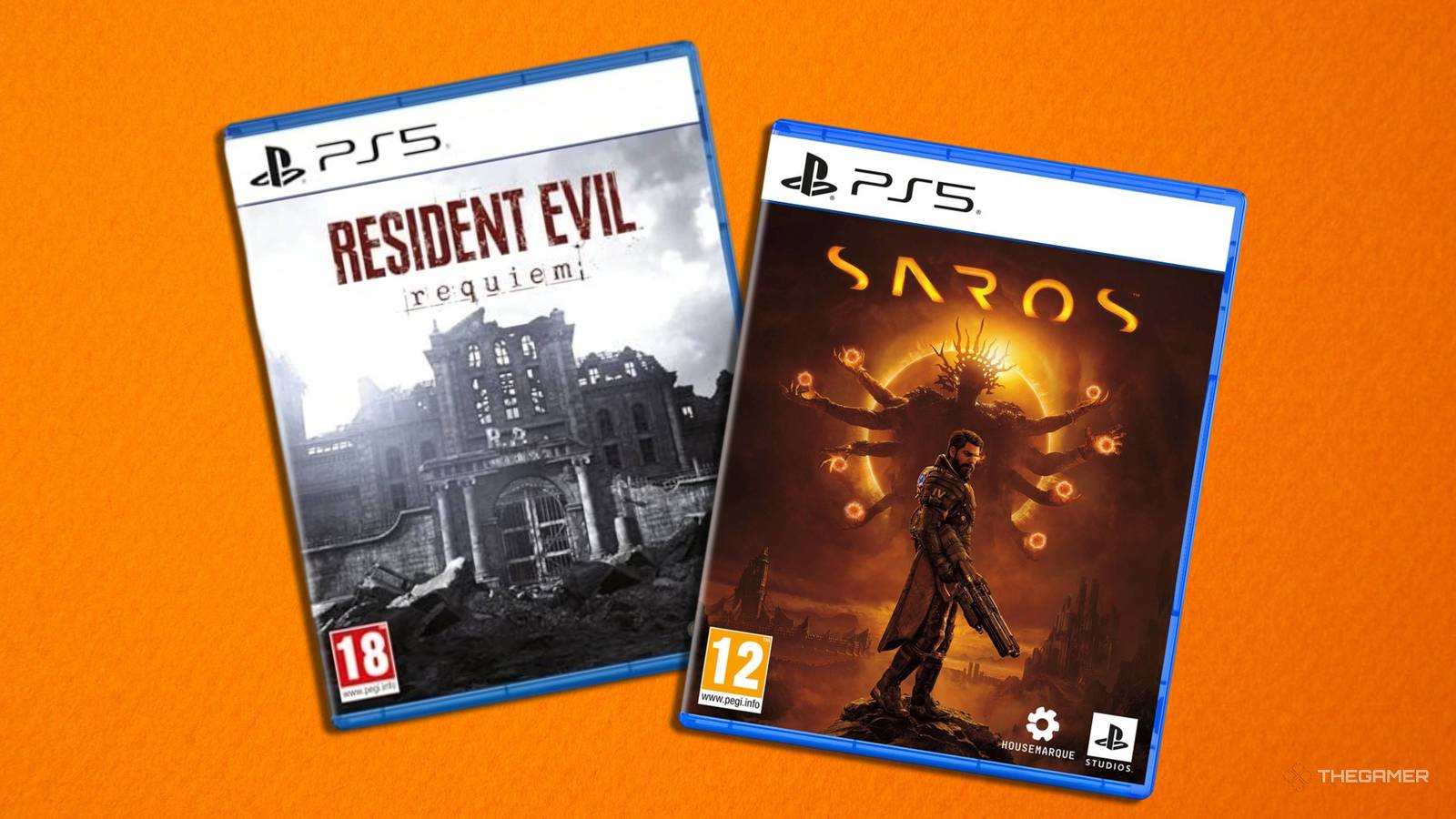
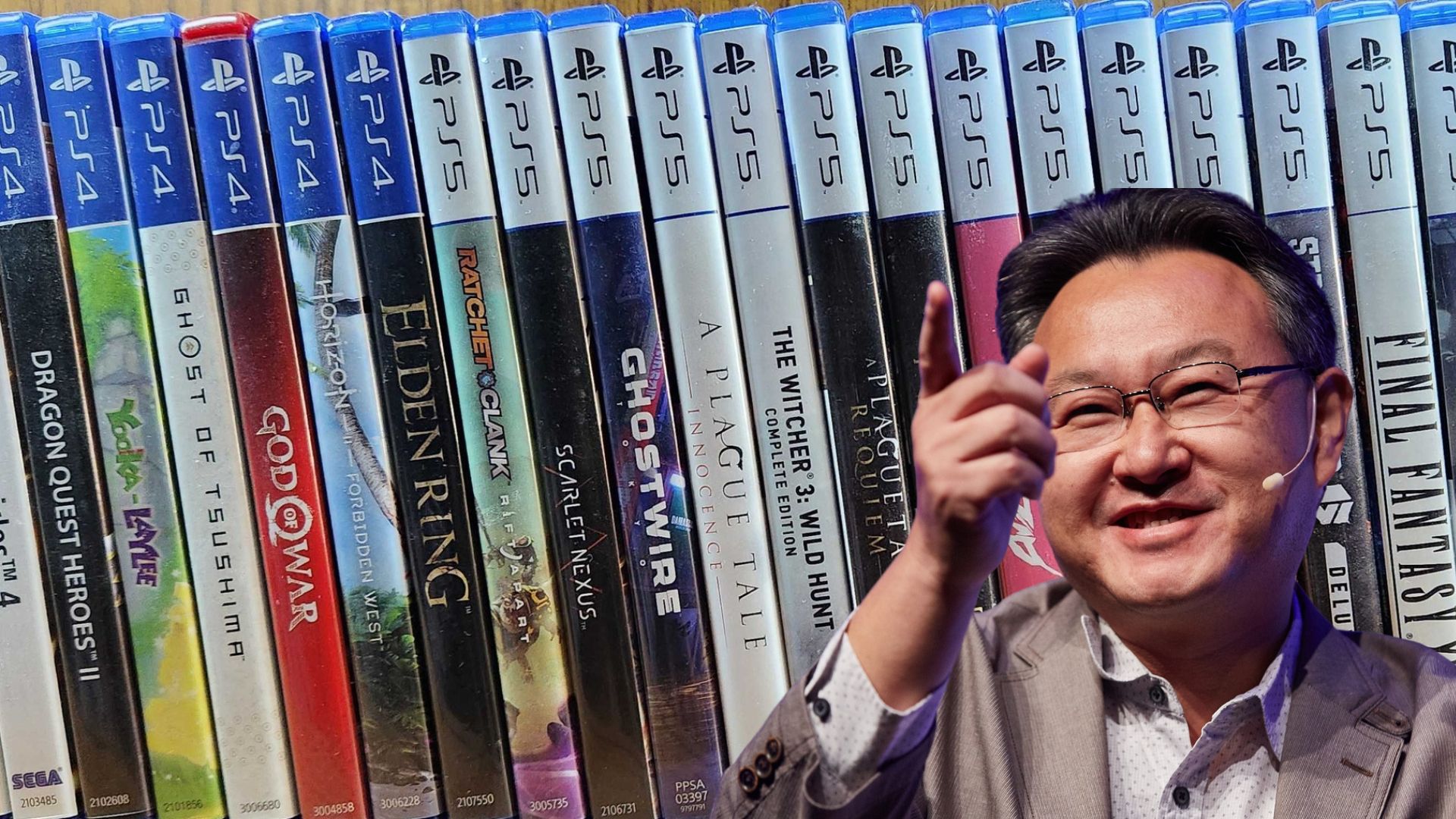
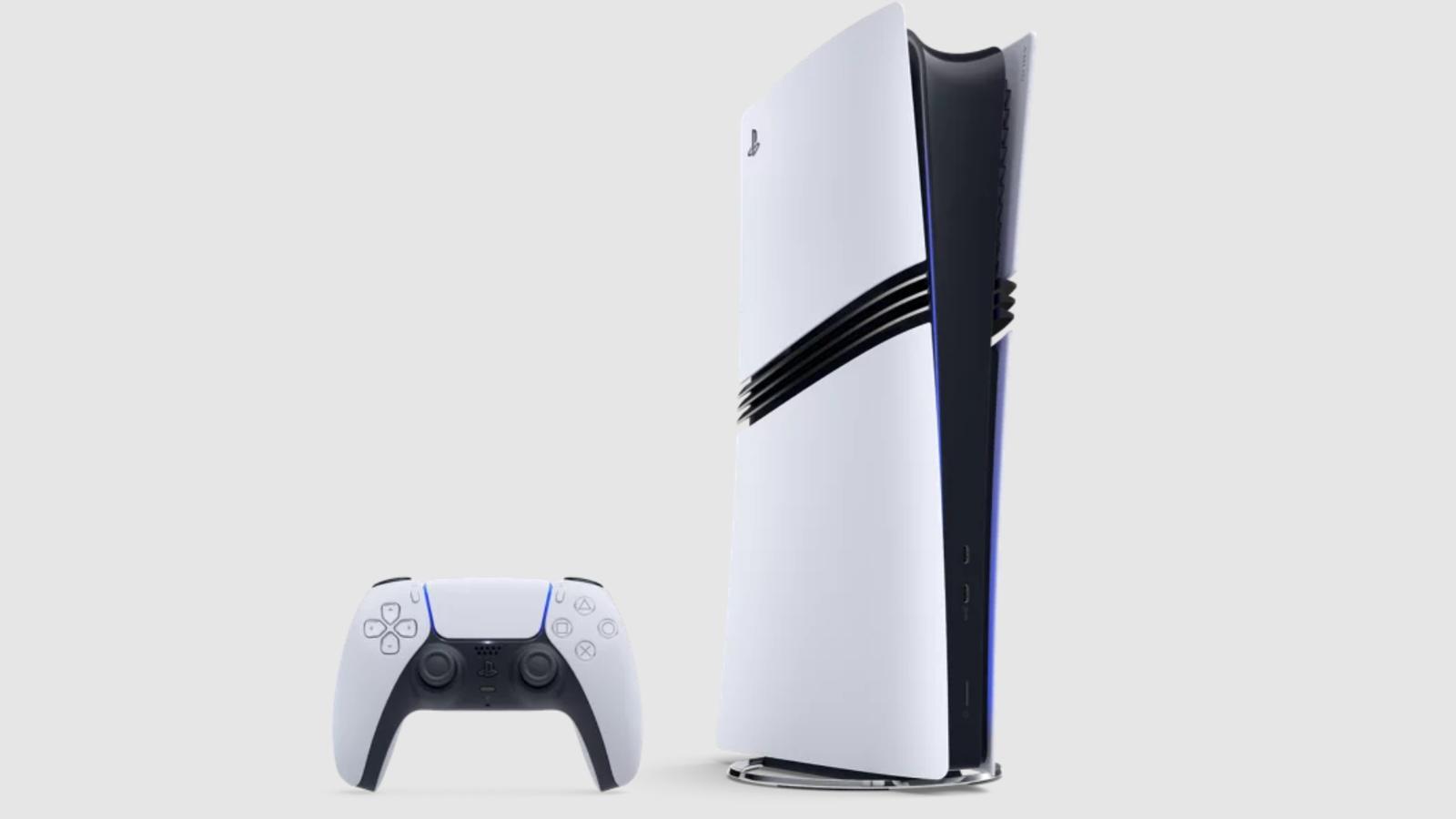
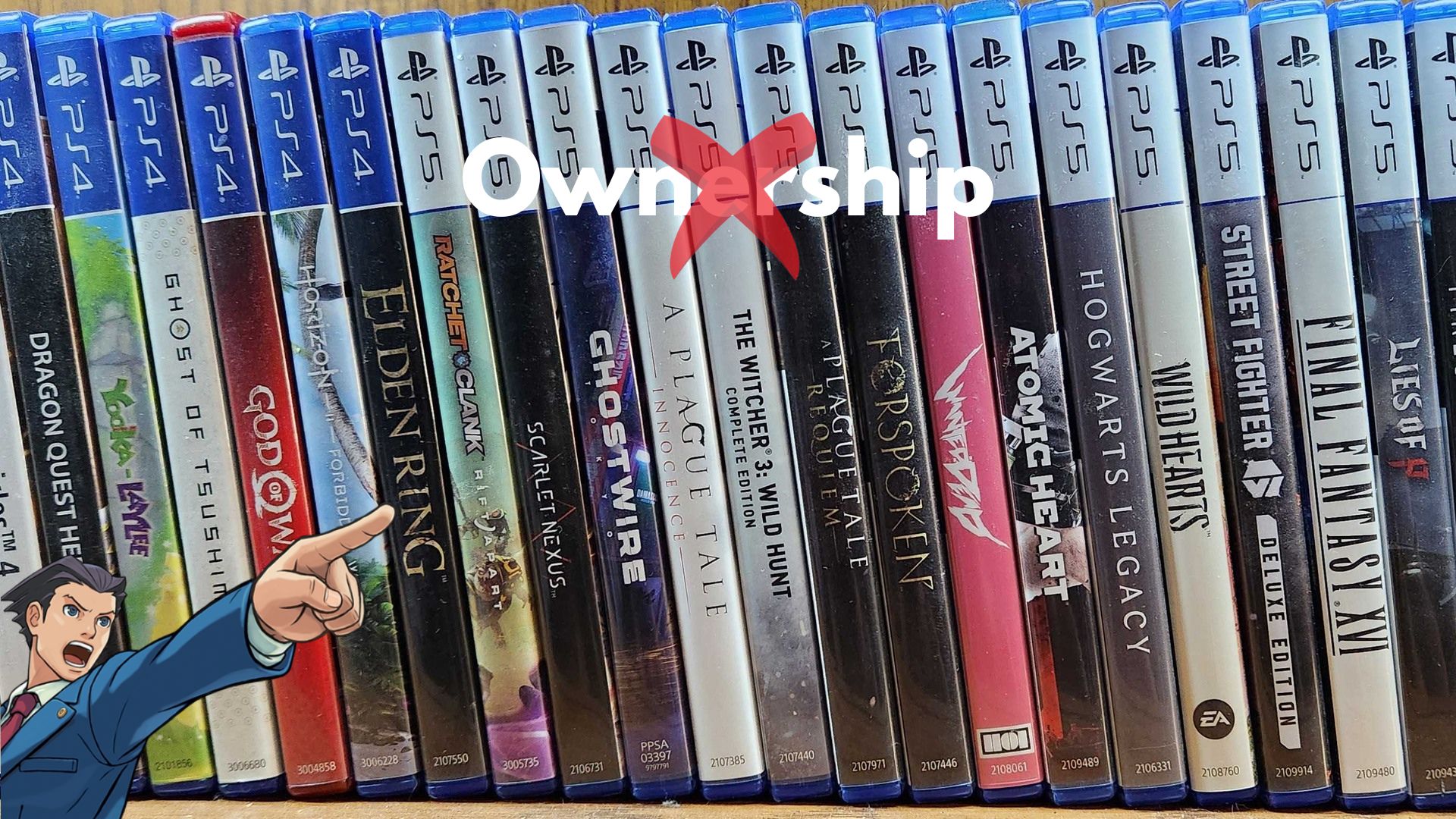
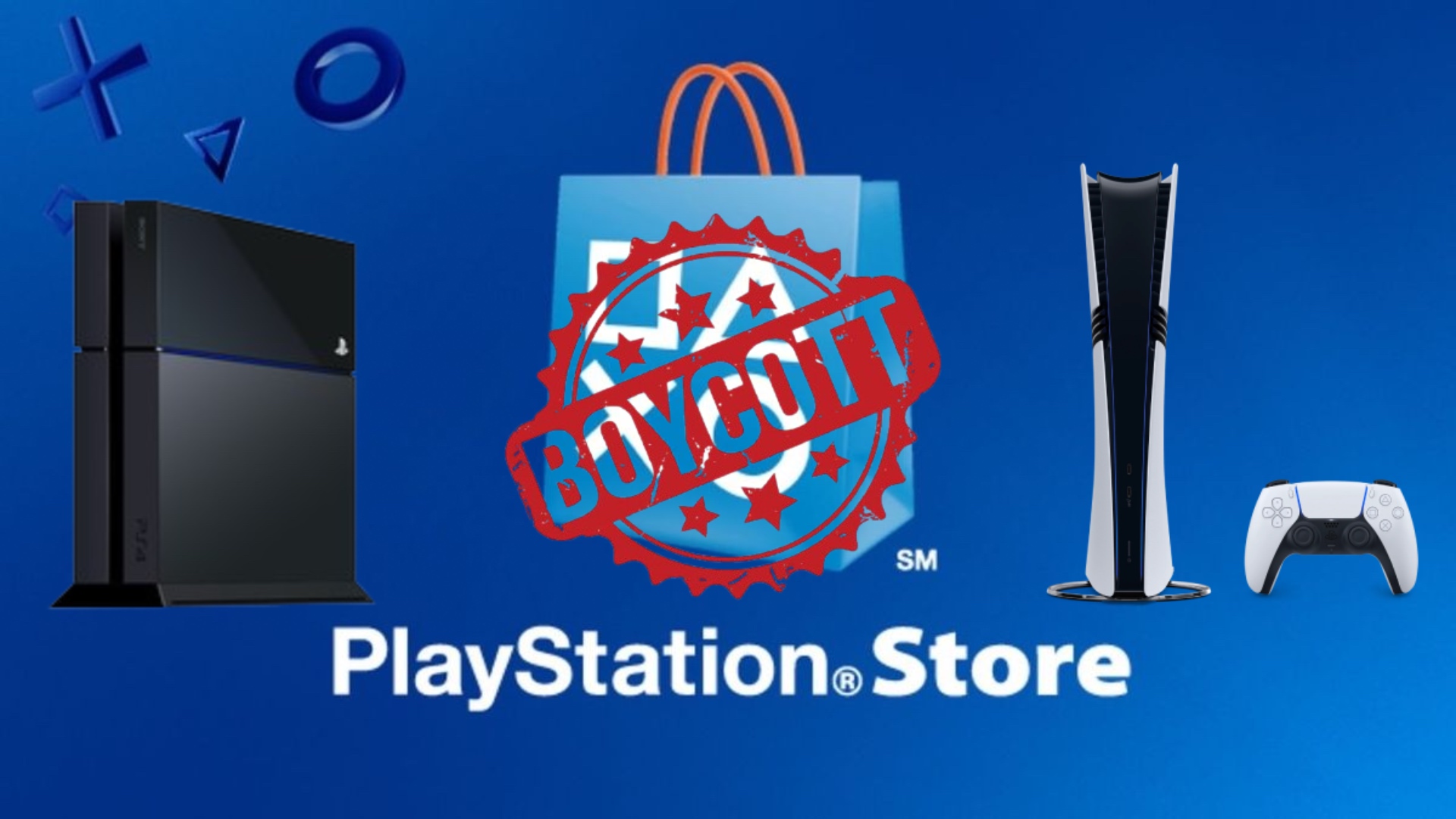
Sony Interactive Entertainment's announced discontinuation of new PlayStation physical disc printing starting January 2028 represents a major market inflection point for cross-border e-commerce sellers, particularly those operating in gaming merchandise, collectibles, and retro gaming categories. The news triggered a planned "PlayStation Blackout" boycott (August 23-30, 2026) that, while expected to have minimal direct impact on Sony's strategy, reveals significant underlying consumer sentiment: gaming communities remain deeply invested in physical media ownership, with major releases still achieving 50-50 physical-to-digital sales splits according to community reports.
For sellers, this creates a dual-window opportunity: First, an immediate 18-month surge window (January 2028 deadline) where consumers will rush to purchase final physical releases, legacy game inventory, and PlayStation disc-based products before production ceases. Second, a long-term collectibles boom as physical PlayStation discs transition from consumable products to scarce collectible assets, similar to how vinyl records experienced a 30-year decline followed by a $1.2B+ resurgence in the 2010s.
Affected seller categories include: Gaming merchandise sellers (collectible game cases, limited editions), retro gaming specialists (legacy PS1-PS5 physical titles), console accessory vendors (disc storage solutions, protective cases), and collectibles dealers. The 50-50 physical-to-digital sales split indicates substantial ongoing demand—if PlayStation's annual game sales reach $15-20B, physical media represents $7.5-10B in addressable market before the January 2028 cutoff.
Platform implications are significant: Amazon's video games category will see inventory velocity spikes for physical titles; eBay's collectibles and gaming sections will experience price appreciation for out-of-print discs; Shopify-based gaming retailers can capitalize on nostalgia marketing. The boycott's poor timing (during Gamescom, absent major launches like GTA 6) and minimal projected participation (estimated <0.001% of player base) suggests Sony's decision is strategically locked in, making this a supply-side certainty rather than demand uncertainty.
Key risk for sellers: Inventory management during the 18-month window. Sellers holding physical game stock face binary outcomes—either liquidate before January 2028 at declining prices, or hold for collectible appreciation (uncertain timeline, 3-5+ years). Sellers should monitor physical game sales velocity, regional demand variations (physical media stronger in Japan/EU than US), and competitor inventory positioning on major platforms.
Questions 8
What are the shipping and logistics considerations for selling physical PlayStation games internationally?
Physical game discs present specific logistics challenges for cross-border sellers: (1) Weight and dimensional efficiency—game cases are lightweight but bulky, affecting FBA storage costs and international shipping rates; (2) Fragility—discs require protective packaging to prevent damage during transit, increasing fulfillment costs 5-10%; (3) Regional demand variations—physical media demand is 40-60% higher in EU and Japan than US, affecting inventory positioning across fulfillment networks; (4) Customs classification—video games may face tariff variations by destination country; (5) Returns management—collectible discs have higher return rates if condition expectations aren't met. Sellers should consider regional 3PL providers for EU/Japan markets, implement detailed condition photography, and use protective packaging to minimize damage claims. Monitor FBA storage fees—physical game inventory may trigger higher long-term storage charges if velocity declines post-2028.
How does PlayStation's disc discontinuation compare to Xbox and PC gaming platform strategies?
The news notes that competing platforms like PC and Xbox have already transitioned to digital-only models without similar consumer resistance, suggesting PlayStation's move aligns with broader industry consolidation toward digital distribution. However, PlayStation's decision to announce a specific discontinuation date (January 2028) differs from gradual transitions—it creates a defined scarcity event. For sellers, this means: (1) PlayStation physical media becomes uniquely scarce compared to Xbox/PC digital-only ecosystems; (2) Collectible appreciation potential is higher for PlayStation discs due to defined end-of-production date; (3) Cross-platform gaming merchandise opportunities exist as consumers seek physical media alternatives across all legacy platforms. Monitor whether Xbox or PC announce similar discontinuation timelines, which would expand the collectibles market.