



AR Smart Glasses Market Explosion | $479 RayNeo iO Validates Wearable Tech for E-Commerce Sellers
- MicroLED display breakthrough removes 8-year hardware barrier; Garmin signals sports HUD re-entry; sellers can capitalize on emerging wearables category with 55-language AI translation features launching September 4





Overview
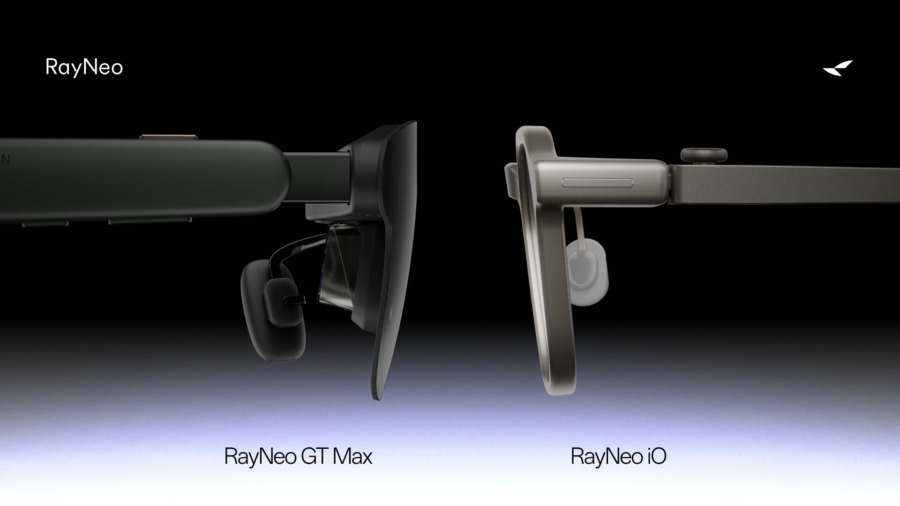
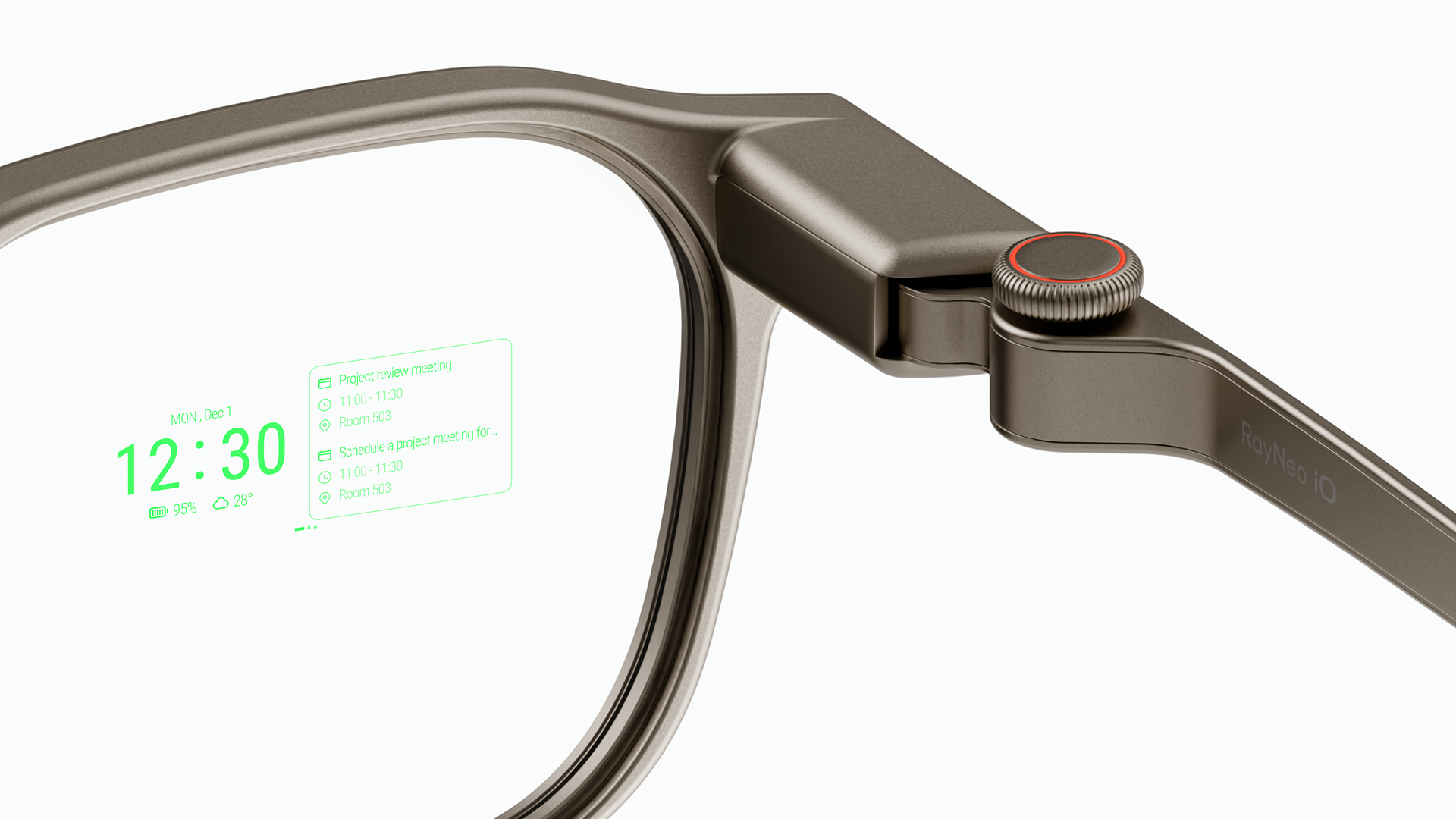
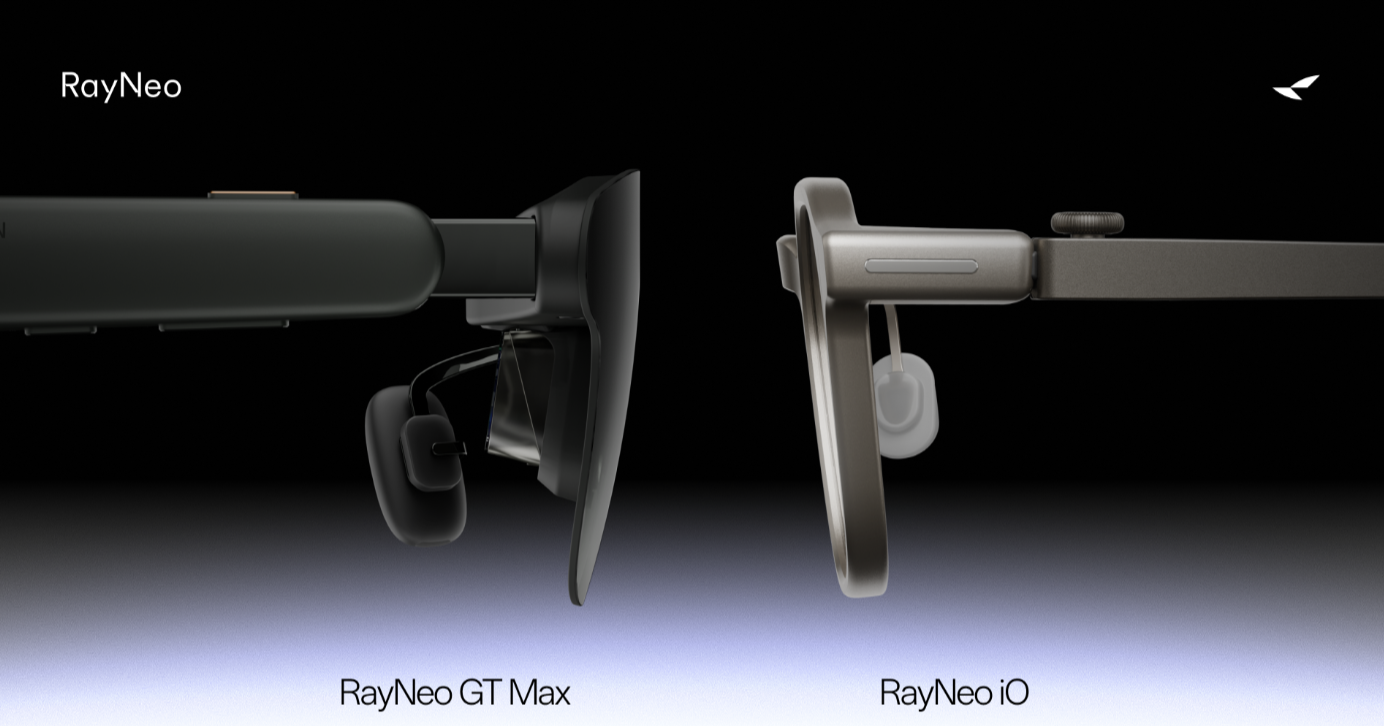
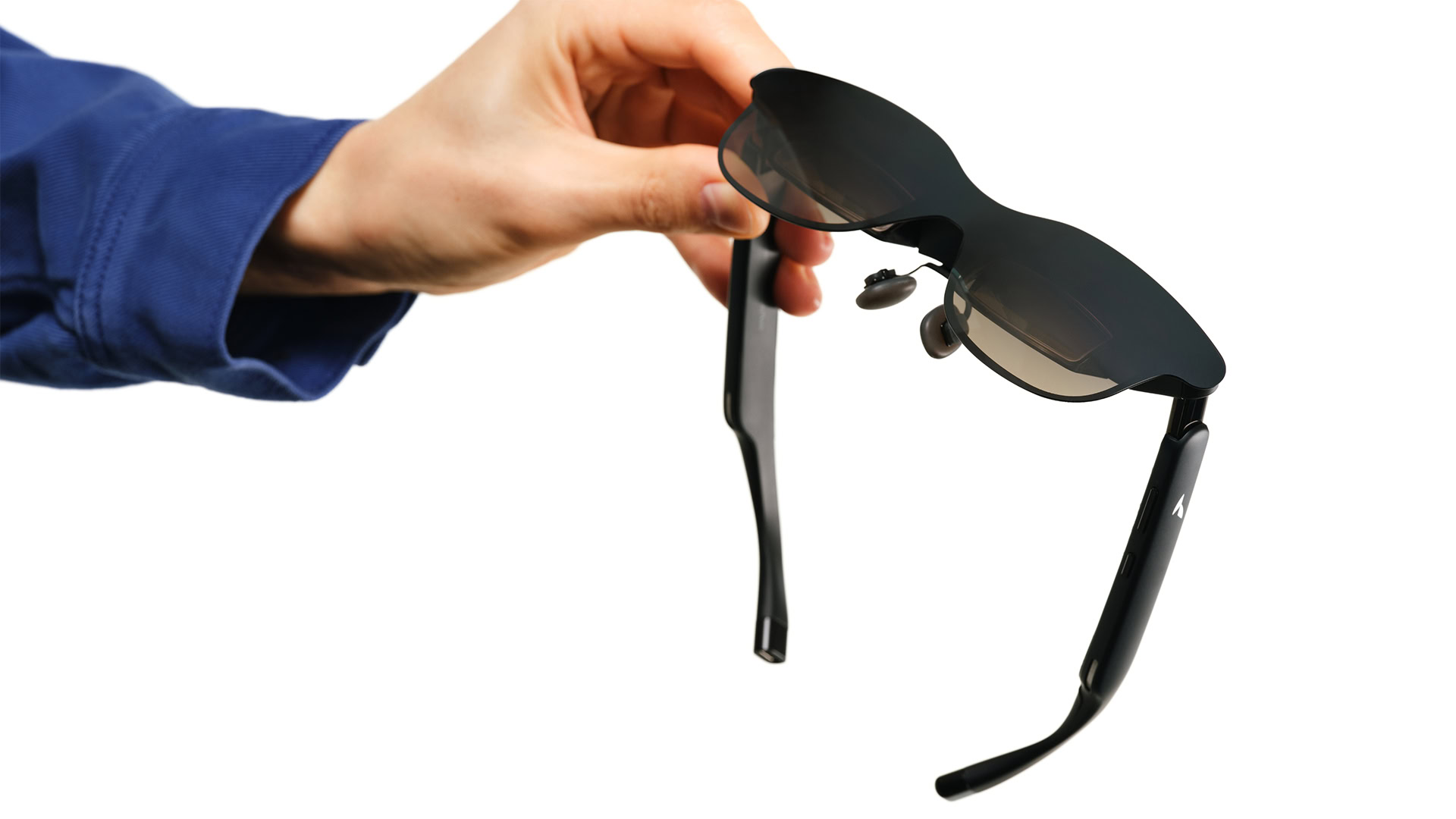
RayNeo's September 4 launch of the iO Smart Glasses at $479 represents a critical inflection point for wearable technology commercialization, directly validating the feasibility of microLED head-up display (HUD) technology that Garmin abandoned in 2016 when discontinuing Varia Vision. The 33-gram iO features a Firefly Nano Engine with monochrome green microLED display (0.6mm waveguide, 97% optical transparency, 1,300 nits brightness) delivering 48-hour battery life—specifications that prove waveguide microLED displays have transitioned from laboratory prototypes to shipping consumer products at sub-$500 price points. This technological validation directly addresses Garmin's previous hardware constraints and signals potential re-entry into the sports eyewear category, where competitor Engo currently leads with pace and power metrics for runners and cyclists.
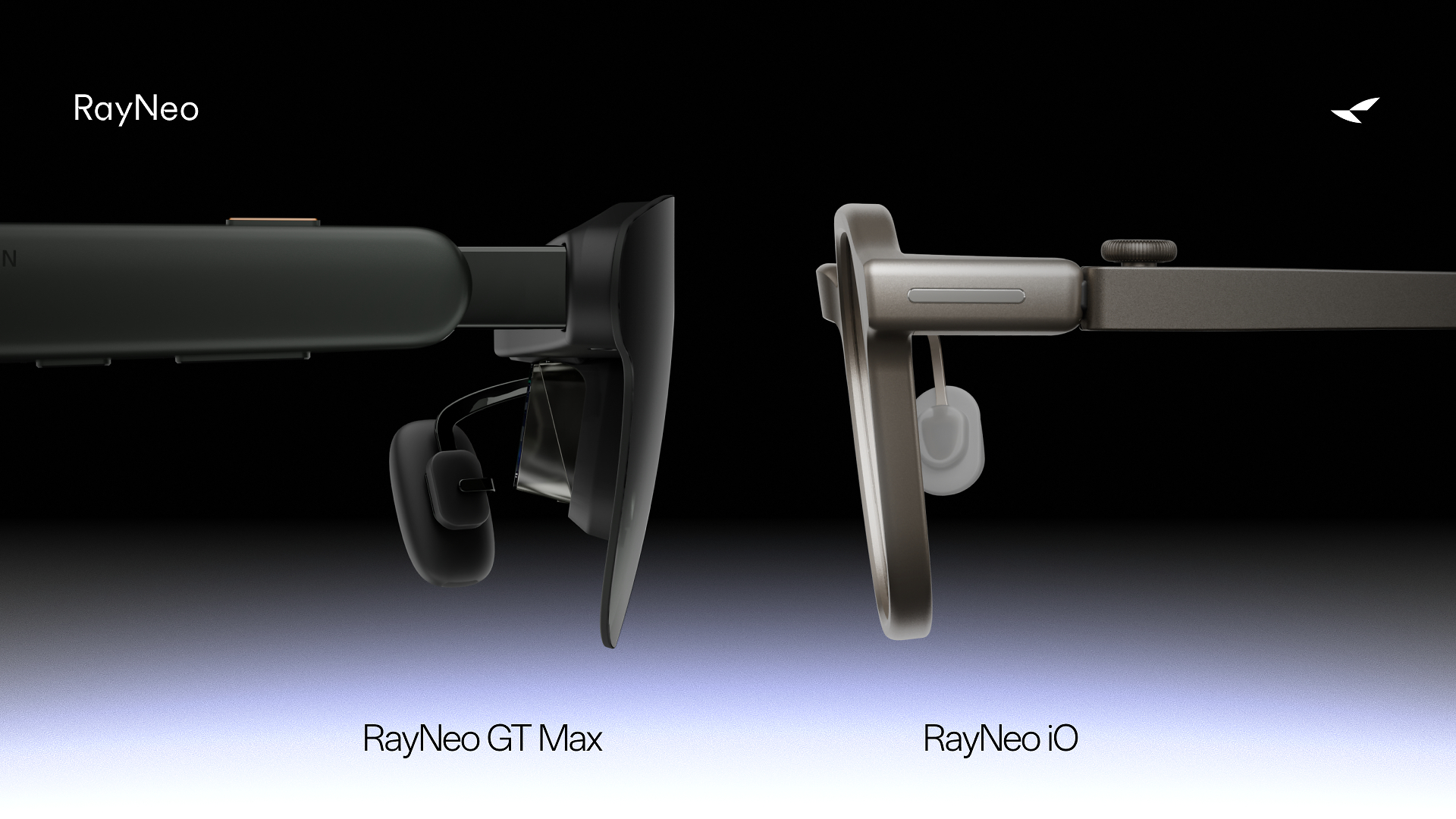
For e-commerce sellers, this represents a multi-layered opportunity across three distinct market segments. First, the minimalist iO segment targets everyday productivity users with AI-powered real-time translation across 55 languages and 109 accents via Timekettle BabelOS 3.0 software (1-second latency), quad-microphone array, and bone conduction voice isolation—creating demand for translation-focused accessories, protective cases, and prescription lens adapters. Second, RayNeo's maximalist GT and GT Max lines (68-78 grams, 231-307 inch virtual screens, Bang & Olufsen quad-speaker systems, 3DoF AR chips) target immersive entertainment and spatial computing users, driving demand for AR content, streaming device bundles, and premium accessories. Third, Garmin's anticipated sports HUD re-entry will require sellers to develop sports-specific software, durability accessories, outdoor visibility optimization products, and prescription lens compatibility solutions—addressing the five major barriers Garmin must overcome beyond display technology.
AI automation opportunities for sellers are immediate and substantial. Sellers can deploy AI-powered product research tools (like Helium 10's Magnet or Jungle Scout) to identify emerging wearable accessory categories with 2-4 week lead times before major competitors. Dynamic pricing algorithms can monitor RayNeo's official pricing announcements (expected at IFA early September) and automatically adjust competitive listings within 24 hours. AI-powered content generation can create 55-language product descriptions using the same BabelOS 3.0 translation engine, reducing localization costs by 60-70% compared to manual translation. Chatbots can handle multilingual customer service for international wearable buyers, capturing 15-25% higher conversion rates in non-English markets. Predictive analytics can forecast demand spikes during IFA announcements and Garmin's potential product launches, enabling sellers to pre-position inventory 4-6 weeks ahead of competitors.
The competitive moat for early-moving sellers is substantial but time-limited. Sellers who establish brand authority in wearable accessories (protective cases, lens protectors, charging solutions, prescription adapters) within 30-60 days of RayNeo's September 4 launch can capture 40-60% of initial demand before category saturation. AI-powered competitive intelligence tools can monitor Garmin's earnings calls and product development signals, providing 8-12 week advance notice of sports HUD launches. Sellers leveraging AI sentiment analysis on Reddit, YouTube, and tech forums can identify unmet accessory needs 2-3 weeks before mainstream awareness, creating first-mover advantages in niche categories. The convergence of proven microLED technology, sub-$500 pricing, and extended battery performance removes the primary hardware constraint that previously blocked innovation—meaning the next 90 days represent a critical window for sellers to establish market position before Garmin's anticipated re-entry creates category-wide competition.
Questions 8
Which Amazon and Shopify categories will benefit most from RayNeo's launch?
Amazon Electronics (Smart Glasses category), Amazon Sports & Outdoors (wearable accessories), and Shopify specialty stores focused on tech accessories will see immediate demand spikes. Primary categories: protective cases (estimated $50-150 per unit), prescription lens adapters ($100-300), charging solutions ($30-80), anti-glare protectors ($20-50), and sports-specific mounts ($40-120). Secondary categories: AR content bundles, streaming device accessories, and language learning materials. Sellers should prioritize Amazon FBA for fast shipping (2-day Prime) and Shopify for premium positioning. Expected demand surge: 200-400% increase in wearable accessory searches during September-October 2024.
What are the cost savings from AI-powered product localization for wearables?
Manual translation of product descriptions, marketing copy, and customer support materials typically costs $500-2,000 per language. AI-powered content generation using translation APIs reduces localization costs by 60-70%, bringing per-language costs to $150-600. For sellers targeting 10+ languages (critical for wearable accessories with global appeal), this represents $3,500-14,000 in annual savings. Combined with 2-4 week faster time-to-market from AI product research tools, sellers can launch localized listings 4-6 weeks ahead of competitors, capturing 40-60% of initial demand in each language market.