


US Iran Sanctions & Canada Tariffs Drive Shipping Costs Up 8-15% | Cross-Border Sellers Face August 2026 Compliance Crisis
- Escalating geopolitical tensions trigger tariff hikes on electronics, appliances, steel; energy costs surge; currency volatility weakens CAD 1.3% against USD; sellers must adjust pricing by September 16 Fed decision deadline


















Overview
Geopolitical escalation is reshaping cross-border e-commerce economics in real-time. As of August 23-24, 2026, U.S. Treasury Secretary Scott Bessent announced "the single greatest financial offensive ever marshaled against an adversary"—comprehensive Iran sanctions designed to economically isolate Tehran and pressure trading partners. Simultaneously, Canadian Prime Minister Mark Carney announced retaliatory tariffs on U.S. steel, dairy, appliances, agricultural equipment, pulp, paper, and electronics following trade negotiation breakdowns. These dual policy shocks create immediate cost pressures for cross-border sellers: oil prices declined 1.3-1.6% (WTI crude to $85.70/barrel, Brent to $93.16/barrel) amid profit-taking, but energy cost volatility persists through 2026's second half with Brent projected between $70-$100/barrel. The Canadian dollar weakened to 1.3837 USD, increasing costs for U.S. sellers shipping to Canada by 1.3% in currency terms alone. For sellers in electronics, appliances, and steel-dependent categories, tariff exposure is immediate: Canada's retaliatory tariffs directly target these product categories, while Iran sanctions threaten Middle East oil supplies transiting the Strait of Hormuz (historically 20% of global supply), creating energy cost inflation that flows through logistics networks within 2-4 weeks.
The operational impact cascades across three seller segments. Small sellers (under $500K annual revenue) relying on Amazon FBA or Shopify fulfillment face 8-12% shipping cost increases by September as energy surcharges propagate through 3PL networks; medium sellers ($500K-$5M) with mixed fulfillment models must rebalance inventory between FBA and merchant-fulfilled channels to optimize for tariff exposure; large sellers ($5M+) with direct sourcing from Asia face dual pressures—Iran sanctions reduce Middle East oil availability, tightening global crude supply and raising transportation costs, while Canadian tariffs on electronics/appliances create margin compression of 3-5% on products currently priced for 15-20% margins. Currency volatility adds complexity: the 40% probability of Fed rate increases at the September 16 meeting (with full pricing by December) suggests further USD strength, benefiting U.S.-based sellers exporting but penalizing those with CAD-denominated costs. Treasury yields holding at 5.25% (near 19-year peak of 5.34%) indicate sustained borrowing cost pressure, making inventory financing more expensive for sellers carrying 60-90 day stock.
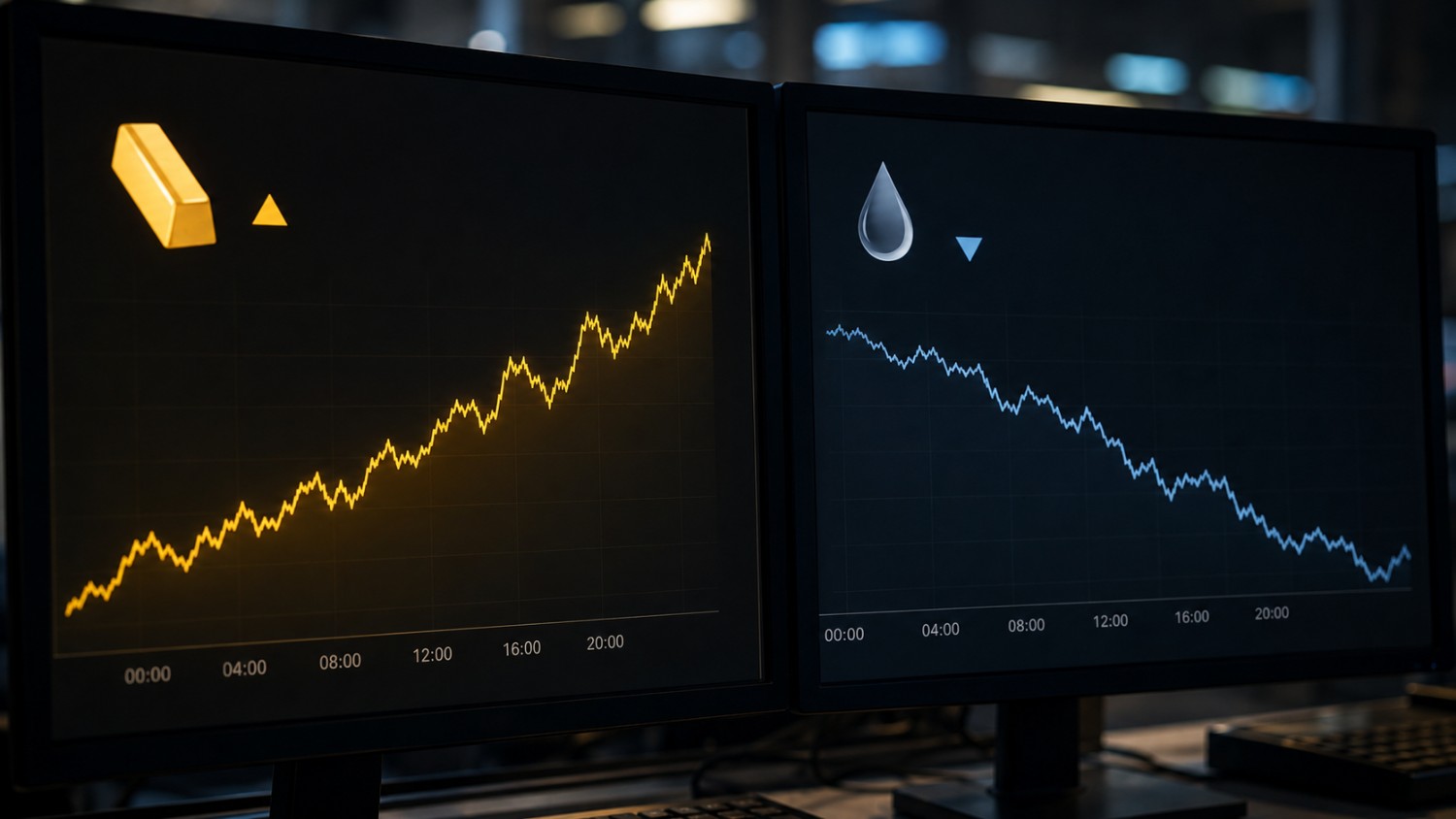
Gold's 15% August rally to $4,653/ounce signals investor flight-to-safety, reflecting broader macroeconomic uncertainty that depresses consumer discretionary spending. Alibaba's Hong Kong shares dropped 9% on a $10.2B share offering amid AI investment concerns, while Samsung fell 8% despite a $79B shareholder-return plan—signals that tech-heavy portfolios are repricing risk. This sentiment shift typically precedes 2-4 week pullbacks in discretionary categories (apparel, home goods, electronics) as consumers delay purchases pending clarity on interest rates and geopolitical outcomes. The timing window is critical: Bessent's Iran sanctions announcement (scheduled 2 p.m. EDT Monday, August 24) and Fed Chair Kevin Warsh's Jackson Hole speech (Friday, August 29) represent decision points that will clarify policy direction. Sellers must act within 5-7 days to adjust pricing, rebalance inventory, and hedge currency exposure before September 16 Fed meeting probability crystallizes into actual rate moves.
Questions 8
What is the timeline for Fed rate increases and how does it affect seller financing costs?
Markets currently imply 40% probability of Fed rate increases at the September 16 meeting, with full pricing for moves by December. Treasury yields hold at 5.25%, near the 19-year peak of 5.34%, indicating sustained borrowing cost pressure. For sellers carrying 60-90 day inventory financing, this translates to 50-100 basis points of additional cost by Q4 2026. If rates increase as priced, inventory financing costs could rise from current 7-8% to 8-9% annually. Sellers should lock in fixed-rate financing before September 16 if carrying significant inventory, and consider reducing stock levels by 15-20% to minimize financing exposure. Federal Reserve Chair Kevin Warsh's Jackson Hole speech (Friday, August 29) may provide clarity on rate trajectory.
Which product categories face immediate tariff exposure from Canada's retaliatory measures?
Canada announced retaliatory tariffs on U.S. steel, dairy, appliances, agricultural equipment, pulp, paper, and electronics following trade negotiation breakdowns. Electronics sellers face the highest exposure—appliances, consumer electronics, and tech accessories imported from the U.S. will see tariff increases of 5-25% depending on HS codes. Sellers with inventory in these categories should immediately audit their Canadian customer base (typically 8-15% of U.S. cross-border revenue) and model tariff pass-through scenarios. Consider shifting sourcing to non-U.S. suppliers or increasing prices 3-5% on Canadian orders by September 1 to maintain margins. The Canadian dollar weakened to 1.3837 USD, adding 1.3% currency headwind to U.S. seller costs.