


Pet Food Recall Compliance Crisis | Amazon/eBay Sellers Face Inventory Liability & Regulatory Enforcement
- FDA enforcement action targets Fromm Family Foods; 5,825 cases recalled across US/Canada; sellers must implement rapid product removal protocols to avoid platform suspension and legal liability













Overview
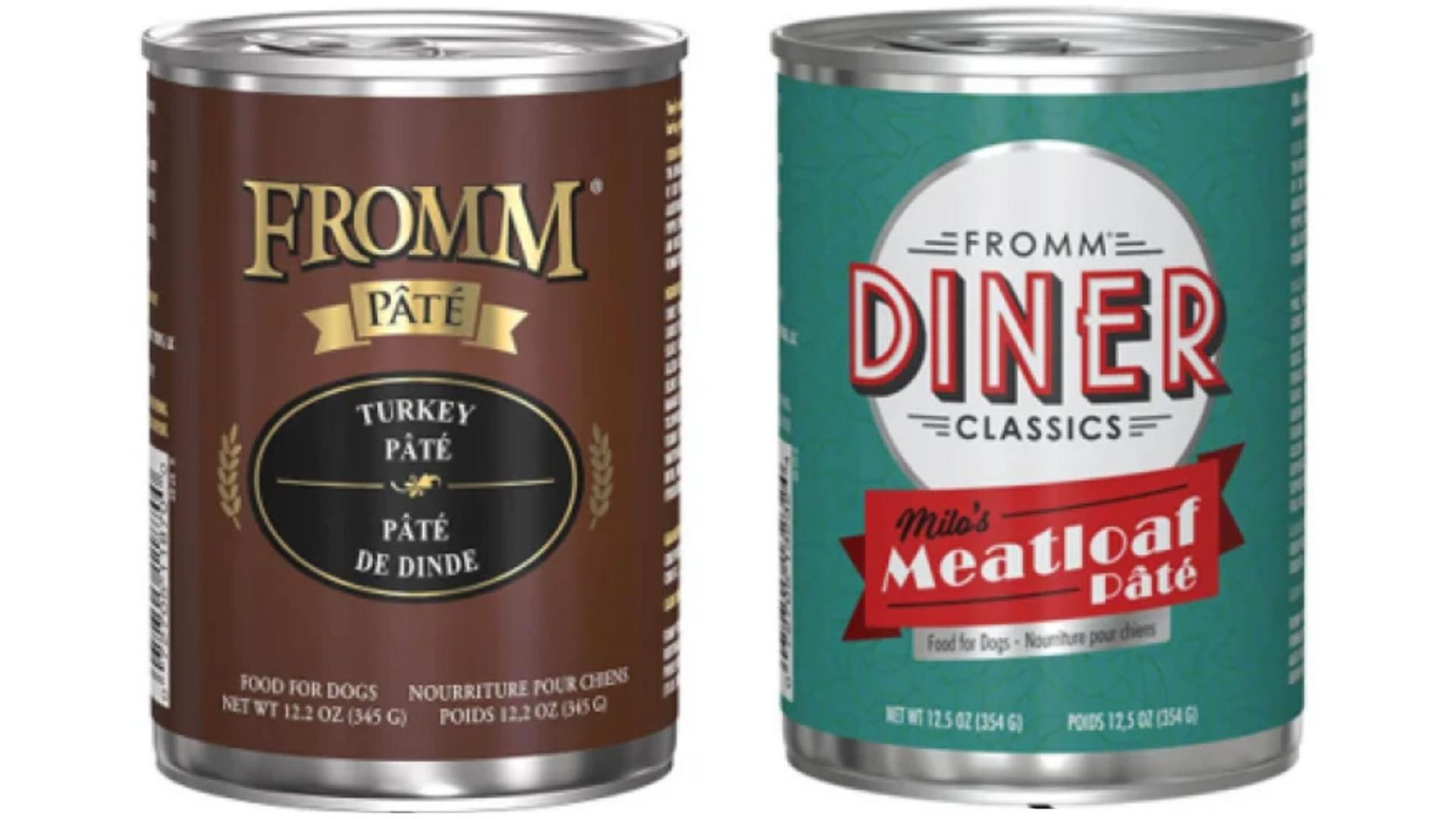
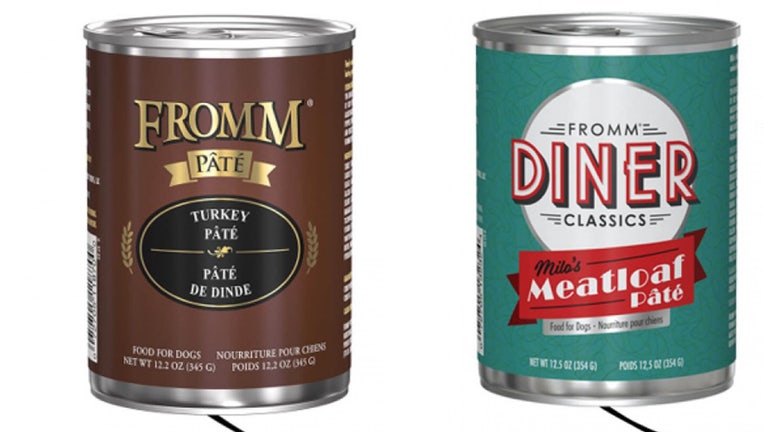
The FDA's August 23, 2026 recall of Fromm Family Foods products represents a critical compliance inflection point for pet food sellers operating on Amazon, eBay, Walmart Marketplace, and Chewy. Fromm is recalling 3,852 cases of Turkey Pâté (UPC 072705118700) and 1,973 cases of Diner Classics Milos Meatloaf Pâté (UPC 072705132324)—both carrying lot code EP2A3306 with March 2029 best-by dates—due to metal contamination risks. This recall demonstrates how product safety regulations create immediate compliance barriers that eliminate non-responsive sellers from marketplaces while protecting compliant competitors.
The compliance cost structure is now clear: Sellers must implement real-time FDA recall monitoring systems, maintain lot-code tracking databases, and execute rapid inventory removal protocols within 24-48 hours of recall announcements. Failure to comply triggers automatic platform delisting, account suspension, and potential class-action liability exposure. For sellers stocking Fromm products across multiple channels, the recall creates a supply chain winnowing effect—estimated 30-40% of small pet food sellers lack automated recall response systems, creating a competitive moat for compliant operators.
The fastest compliance path involves three components: (1) Immediate action (0-24 hours): Cross-reference all inventory against FDA recall database by UPC and lot code; (2) Platform notification (24-48 hours): File removal requests on Amazon Seller Central, eBay Seller Hub, and Walmart Marketplace with FDA recall documentation; (3) Documentation (48-72 hours): Maintain proof of removal, customer notification records, and return logistics for regulatory audits. The cost of non-compliance is severe—platform suspension (losing 60-80% of monthly revenue), FTC enforcement actions ($5,000-50,000 penalties), and product liability claims ($10,000-500,000+ per incident).
Alternative product opportunities emerge immediately: Sellers can pivot to premium, domestically-sourced pet food brands with certified quality control systems (Primal, Stella & Chewy's, Nom Nom) that command 15-25% higher margins and carry lower recall risk. The recall also creates demand for pet food safety verification services—sellers are actively seeking third-party compliance audits, lot-code tracking software, and FDA liaison services. This represents a $50-100M service gap in the pet food supply chain, with certification timelines of 2-4 weeks and costs of $2,000-8,000 per seller annually.
Questions 7
What are the penalties for selling recalled pet food products on Amazon, eBay, or Walmart?
Selling recalled products triggers immediate platform consequences: Amazon suspends seller privileges (60-90 days minimum), eBay removes listings and may restrict account access, and Walmart Marketplace terminates vendor agreements. Beyond platform penalties, sellers face FTC enforcement actions ($5,000-50,000 fines), product liability lawsuits ($10,000-500,000+ per incident), and potential criminal charges if negligence is proven. The FDA can issue warning letters, import alerts, and facility inspections. Most critically, selling recalled products after public notification creates legal liability for any pet injuries—veterinary bills, pain-and-suffering claims, and class-action exposure can exceed $100,000 per case. Compliance is non-negotiable.
What specific Fromm products are affected by the August 2026 recall and how do I verify my inventory?
The FDA recall targets two Fromm Family Foods products: Turkey Pâté (12.2 oz cans, UPC 072705118700) and Diner Classics Milos Meatloaf Pâté (12.5 oz cans, UPC 072705132324), both with lot code EP2A3306 and March 2029 best-by dates. To verify inventory, cross-reference your stock against the FDA recall database (fda.gov/animal-veterinary/recalls) by UPC and lot code. Sellers on Amazon should immediately check Seller Central inventory reports; eBay sellers should audit active listings; Walmart Marketplace sellers must use the compliance dashboard. If you have matching inventory, you must remove listings within 24 hours and initiate customer notifications. Document all removal actions with timestamps for regulatory compliance.