






Ox Alpha AI Coding Model Raises Data Security Risks for E-Commerce Sellers Using AI Tools
- Anonymous frontier AI model processes billions of tokens from enterprise code with unclear data retention; sellers face compliance and IP theft risks





















Overview
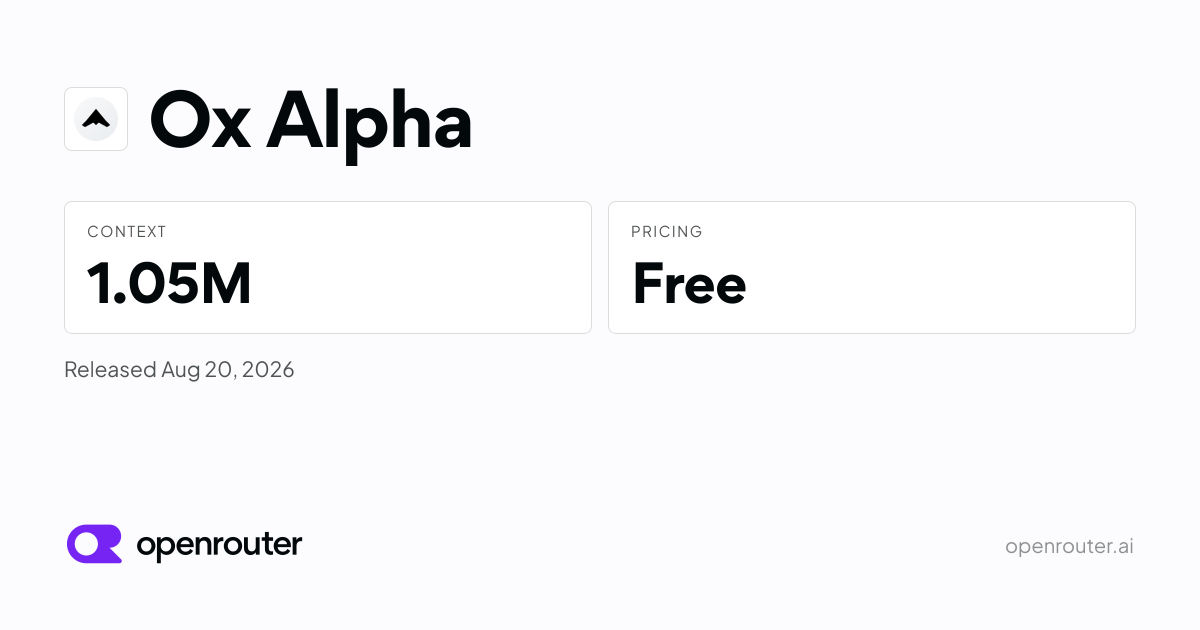
The emergence of Ox Alpha, an anonymous frontier-class AI coding model distributed through OpenRouter since August 20, 2025, presents critical data security and compliance risks for e-commerce sellers leveraging AI-powered tools for product development, automation, and business operations. With a 1,048,576-token context window and 131,072-token output capacity, Ox Alpha processes billions of tokens from enterprise code through tools like Claude Code, yet no company publicly claims ownership. Fingerprinting analysis suggests potential attribution to Z.ai Co. (formerly Zhipu AI), which was added to the U.S. Commerce Department's Entity List on January 16, 2025, citing advancement of China's military modernization through AI development—a designation that creates significant compliance exposure for U.S. and EU-based sellers.
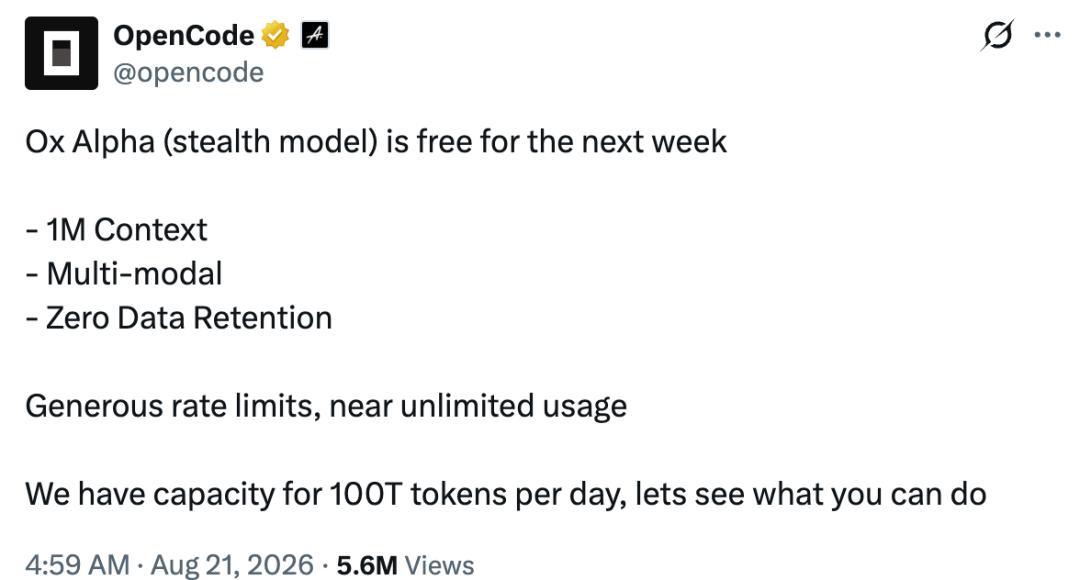
The core threat for e-commerce sellers: OpenRouter retains all prompts and completions per provider terms, while the unnamed provider's data handling practices remain opaque. This means proprietary product research, supplier sourcing strategies, pricing algorithms, customer data, and automation code could flow to an unidentified entity with no transparency. For sellers using AI tools to optimize product listings, generate content, analyze competitor pricing, or build custom automation scripts, this represents a material IP and data sovereignty risk. The distinction between OpenRouter's data retention and OpenCode's advertised "zero retention" is critical—sellers must audit which AI platforms they're using and verify data handling policies before processing sensitive business information.
Competitive intelligence implications: Sellers using Ox Alpha for product research, market analysis, or competitive benchmarking risk exposing their strategic insights to competitors or foreign entities. The model's performance (roughly equivalent to GPT-5.6-sol mid-tier) makes it attractive for cost-conscious sellers seeking free AI capabilities, but the hidden ownership and data retention policies create an asymmetric risk profile. Alternative theories attributing Ox Alpha to Xiaomi's MiMo team or other developers don't eliminate the core concern—the lack of transparency itself is the vulnerability. For sellers in regulated categories (electronics, pharmaceuticals, health products), processing sensitive compliance documentation through Ox Alpha could trigger regulatory violations.
Immediate seller actions: Audit all AI tools currently in use (ChatGPT, Claude, Copilot, specialized e-commerce platforms) and verify data retention policies before processing proprietary information. Avoid using Ox Alpha or any anonymous AI provider for product research, pricing strategy, supplier communications, or customer data analysis. For sellers already using OpenRouter, review historical prompts and consider data breach notification if sensitive information was processed. Implement internal policies restricting AI tool usage to non-proprietary tasks, and consider air-gapped development environments for sensitive automation projects. This incident underscores the need for sellers to adopt AI governance frameworks that treat AI tools as potential data exfiltration vectors rather than trusted infrastructure.
Questions 8
What is Ox Alpha and why should e-commerce sellers care about it?
Ox Alpha is a frontier-class AI coding model distributed anonymously through OpenRouter since August 20, 2025, with a 1,048,576-token context window that processes billions of tokens from enterprise code. Sellers should care because it's being used by coding tools like Claude Code to automate product research, pricing optimization, and business automation—yet the model's true owner remains unknown, and data retention policies are opaque. If you've used OpenRouter or similar platforms to process proprietary product data, supplier information, or pricing strategies, that data may be retained by an unidentified provider with unclear data handling practices.
Is Ox Alpha connected to Chinese AI company Zhipu AI or Z.ai?
Fingerprinting analysis by developer unclecode identified infrastructure alignment with GLM-5.3 on six of nine probes, suggesting potential attribution to Z.ai Co. (formerly Zhipu AI). This is significant because Zhipu AI was added to the U.S. Commerce Department's Entity List on January 16, 2025, citing advancement of China's military modernization through AI development. However, alternative theories point to Xiaomi's MiMo team or other developers. The lack of confirmed ownership is itself the problem—sellers cannot verify data handling practices or compliance with U.S./EU regulations when using an anonymous AI provider.