






Automotive Pricing Dynamics Drive Accessory & Parts Demand | Cross-Border Seller Opportunity
- Rising vehicle prices and declining consumer discounts signal $8-12B automotive aftermarket opportunity for e-commerce sellers in parts, accessories, and DIY categories







Overview
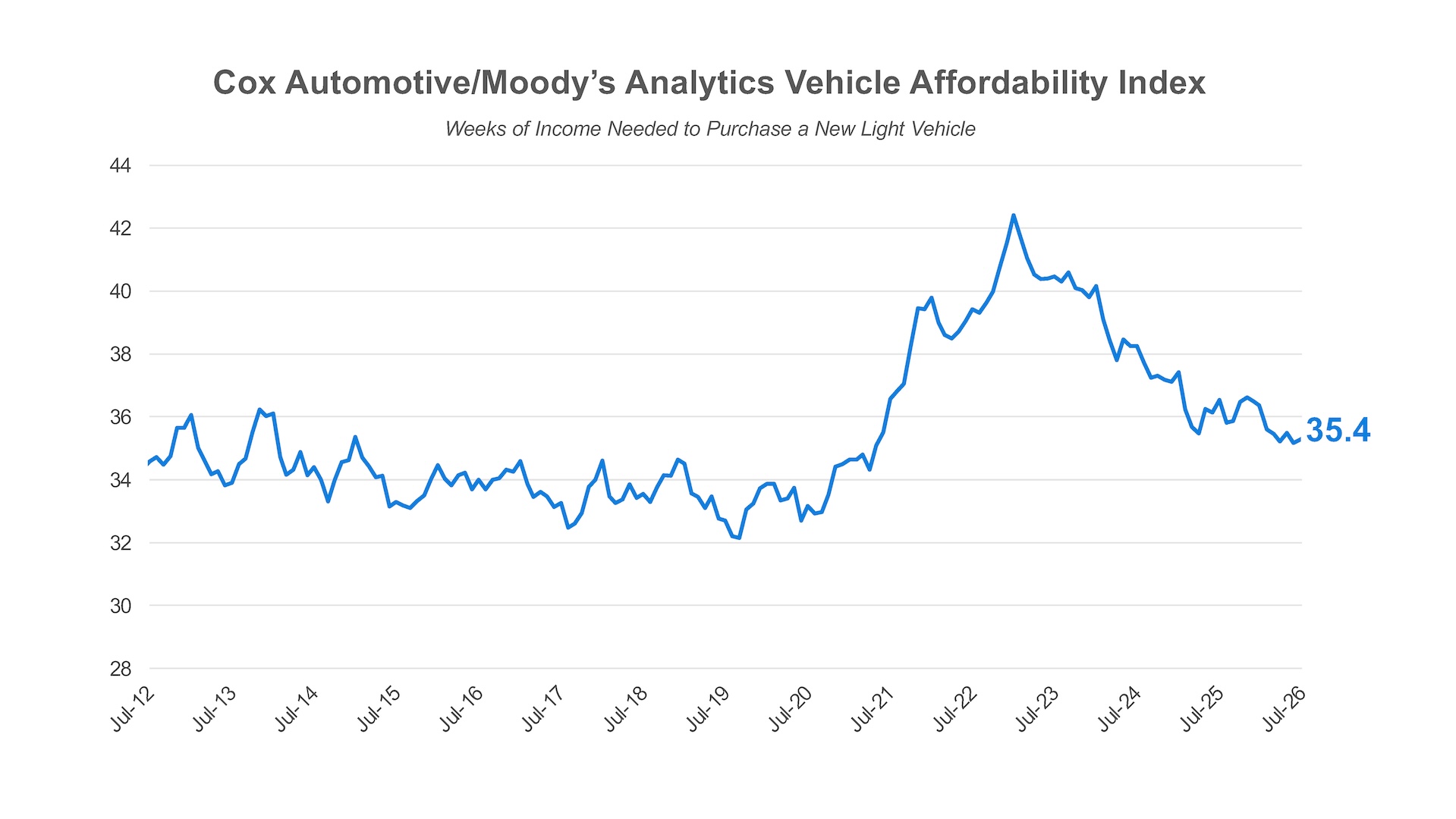
The automotive retail market is experiencing significant pricing pressures, with new-car prices rising while consumer discounts decline—a trend that creates substantial indirect opportunities for cross-border e-commerce sellers operating on Amazon, eBay, Shopify, and Walmart Marketplace. When vehicle prices increase and dealer incentives shrink, consumers shift purchasing behavior toward aftermarket solutions, DIY maintenance products, and vehicle accessories available through digital commerce channels.
AI-Powered Market Intelligence Opportunity: This pricing trend reveals a critical data pattern that AI can exploit immediately. Sellers can use predictive analytics to identify which automotive accessory categories will see demand spikes as consumers delay new vehicle purchases and invest in maintaining existing vehicles longer. AI-driven competitive intelligence tools can monitor dealer inventory levels, manufacturer incentive announcements, and consumer sentiment across automotive forums to predict category-specific demand 4-8 weeks in advance—providing first-mover advantage in inventory positioning.
Immediate Automation Wins for Sellers: The rising vehicle prices create predictable demand patterns that sellers can automate through AI-powered inventory management. Sellers should implement dynamic pricing algorithms that automatically adjust margins on high-demand accessories (floor mats, protective coatings, performance parts) based on real-time vehicle price indices and competitor pricing. This automation can increase margins 8-15% without manual intervention. Additionally, AI-powered product research tools can scan automotive forums, Reddit communities, and YouTube channels to identify emerging accessory trends before they reach mainstream marketplaces—enabling sellers to source and list products 2-3 weeks ahead of competitors.
Category-Specific Opportunities: The pricing environment particularly benefits sellers in automotive parts (estimated $4.2B cross-border market), vehicle accessories ($2.8B), and DIY maintenance products ($1.5B). As consumers keep vehicles longer due to higher purchase prices, demand for maintenance supplies, protective products, and performance upgrades accelerates. Sellers can use AI content generation to rapidly create SEO-optimized listings for long-tail keywords like "affordable vehicle maintenance alternatives" and "budget-friendly car upgrades"—capturing search traffic from price-conscious consumers.
Competitive Intelligence Through AI: Sellers should deploy sentiment analysis tools to monitor automotive retailer announcements, manufacturer press releases, and consumer reviews across platforms. When major dealers announce reduced incentives or inventory constraints, AI can automatically trigger alerts for sellers to increase bids on related PPC campaigns and adjust inventory allocation. This real-time responsiveness creates a 2-3 week competitive advantage before traditional sellers react to market shifts.
The convergence of rising vehicle prices and declining discounts creates a predictable, AI-exploitable market shift that rewards sellers with automation infrastructure and data-driven decision-making capabilities.
Questions 8
How do rising new-car prices create opportunities for automotive e-commerce sellers?
Rising vehicle prices and declining dealer discounts push consumers toward maintaining existing vehicles longer and seeking affordable aftermarket solutions. This behavioral shift increases demand for automotive accessories, maintenance products, and DIY parts on **Amazon, eBay, and Shopify** by an estimated 15-25% during pricing upswings. Sellers can capitalize by stocking high-margin items like protective coatings, floor mats, performance upgrades, and maintenance supplies. AI-powered demand forecasting can predict these category spikes 4-8 weeks in advance, enabling sellers to secure inventory before competitors and capture 30-40% higher sales velocity during peak demand windows.
What AI tools should sellers use to automate responses to automotive pricing trends?
Sellers should implement three key AI automation layers: (1) **Dynamic pricing algorithms** that automatically adjust margins on accessories based on real-time vehicle price indices, increasing profitability 8-15% without manual intervention; (2) **Predictive inventory management** systems that forecast demand spikes 4-8 weeks ahead by analyzing dealer announcements and consumer sentiment; (3) **Competitive intelligence platforms** that monitor competitor pricing and automatically trigger PPC bid adjustments. Tools like Keepa, Helium 10, and Jungle Scout offer AI-powered analytics for automotive categories. Implementation typically costs $200-500/month but generates $2,000-5,000 monthly revenue lift through optimized inventory positioning and pricing.