


Alibaba's $10B AI Investment Signals Platform Fee Restructuring & New Seller Tools
- Alibaba raises $10.21B in Hong Kong (largest primary offering by HK-listed company), accelerates AI payback to 2.5 years, launches Wan3.0 video model; sellers face potential fee increases but gain advanced logistics/analytics tools








Overview
Alibaba's $10.21 billion Hong Kong share placement on August 24, 2026, represents a strategic pivot in Chinese tech financing and signals imminent platform monetization of AI capabilities for cross-border sellers. The company raised capital at an 8.4% discount (HK$112.70 per share), marking the largest primary follow-on offering by a Hong Kong-listed company and the third-largest globally in 2026. This capital raise directly funds Alibaba's aggressive AI infrastructure expansion: the company has already spent nearly half of its three-year capital expenditure plan, with quarterly net profit declining 75% year-over-year due to AI spending. Critically, management accelerated the projected payback period on AI investments from three years to 2.5 years, signaling confidence in rapid monetization of AI services.
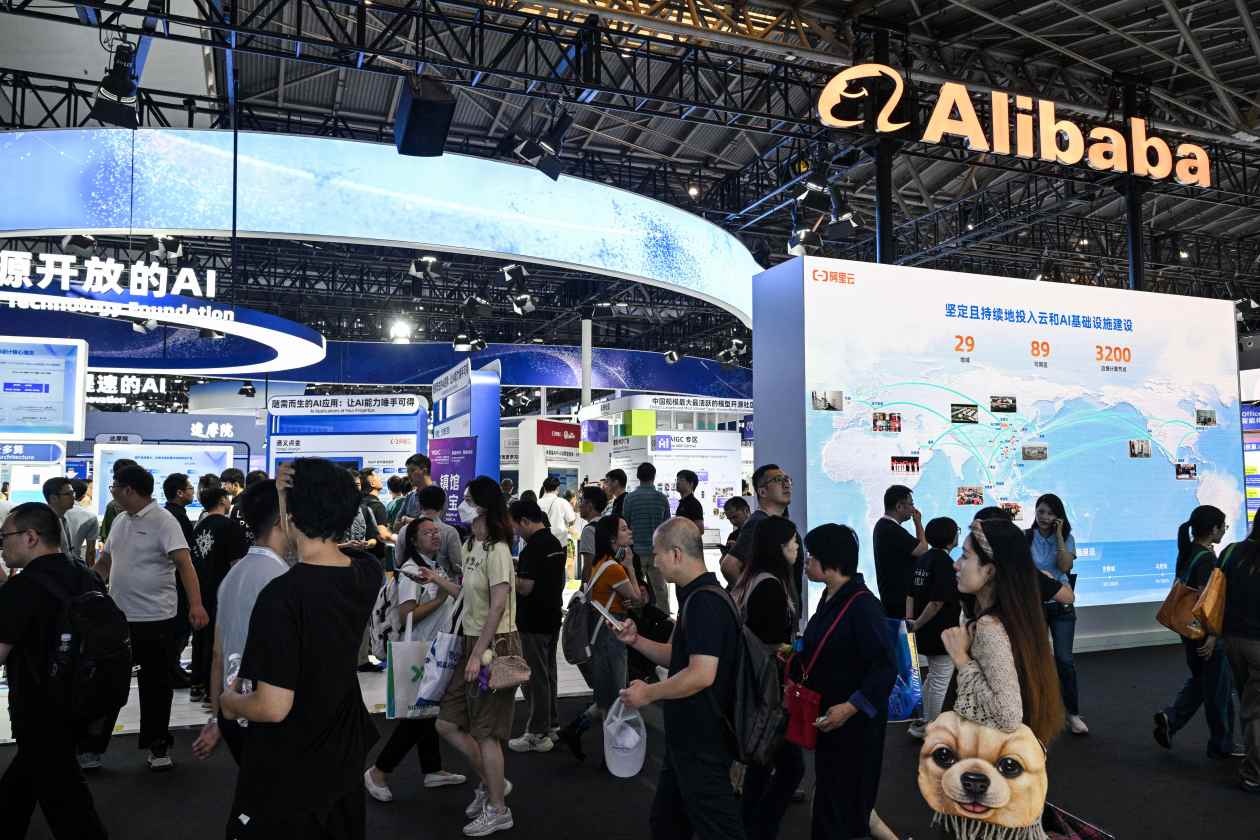
For cross-border sellers, this development carries three immediate implications: (1) Platform fee restructuring is likely within 6-12 months as Alibaba seeks to recoup AI investments through new service offerings or commission increases; (2) Enhanced seller tools will emerge, including AI-powered logistics optimization, predictive analytics, and automated customer service—potentially bundled as premium services; (3) Global data center expansion (now 104 availability zones across 30 regions, with new South Korea facility) will improve platform performance and compliance capabilities in key markets. The Wan3.0 AI video model launch (August 24, 2026) demonstrates immediate product deployment: the model generates 30-second videos from business documents, spreadsheets, and slides, with applications in advertising, product marketing, and promotional content creation. Sellers managing multiple product listings can leverage this tool to streamline content workflows, though integration into seller dashboards remains unconfirmed.
The geopolitical context amplifies these implications. Alibaba's shift from US listings to Hong Kong capital raises reflects changing investor sentiment regarding Chinese tech valuations and US-China trade tensions. This strategic pivot toward Asian markets suggests Alibaba will prioritize Asia-Pacific seller support and infrastructure investment, potentially creating competitive advantages for sellers operating in Southeast Asia, India, and Greater China regions. The accelerated AI payback timeline indicates management expects rapid adoption of AI-driven commerce solutions, meaning sellers who adopt Alibaba's emerging AI tools early will gain competitive advantages in logistics efficiency and customer engagement. However, the 75% earnings decline signals near-term margin pressure on the platform, which historically translates to increased seller fees or reduced promotional support during the monetization phase.
Questions 7
What does Alibaba's $10.21 billion Hong Kong capital raise mean for seller fees?
Alibaba's accelerated AI payback timeline (2.5 years vs. original 3 years) signals the company expects rapid monetization of AI features, likely through new premium seller services or commission increases within 6-12 months. The company's 75% year-over-year earnings decline due to AI spending creates margin pressure, historically resulting in platform fee restructuring. Sellers should anticipate potential 5-15% increases in commission rates or introduction of mandatory AI-powered logistics/analytics services priced at $50-200/month depending on seller tier. Monitor Alibaba Seller Central announcements closely for fee structure changes starting Q4 2026.
How can sellers leverage Alibaba's Wan3.0 AI video model for product marketing?
Wan3.0 generates 30-second promotional videos from business documents, spreadsheets, slides, and web pages—enabling sellers to create product marketing content at scale without hiring video production teams. The model is currently deployed in advertising and tourism promotion sectors, with integration into seller dashboards expected by Q1 2027. Sellers can use Wan3.0 to convert product specification sheets into engaging video ads for TikTok Shop, Shein, and other short-form video platforms, reducing content creation costs by 60-70% compared to outsourced production. Early adopters (sellers with 1000+ monthly listings) should request beta access through Alibaba Cloud's seller program.