


Amazon Hardware Price Surge 60% | Seller Opportunity in Refurbished & Alternative Devices
- Echo Dot jumps $49.99→$79.99 (60% hike), Kindle base model $110→$150 (36% increase); creates white space for refurbished, third-party smart home, and budget e-reader alternatives across Amazon, eBay, Shopify













Overview
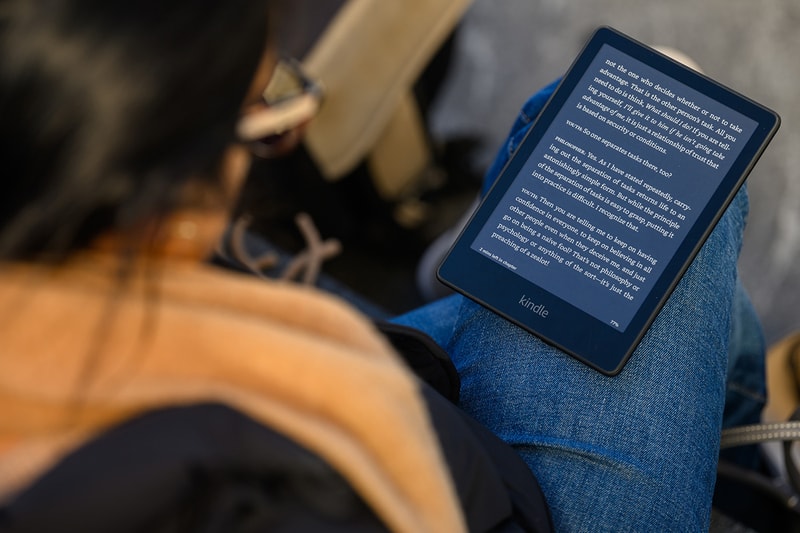
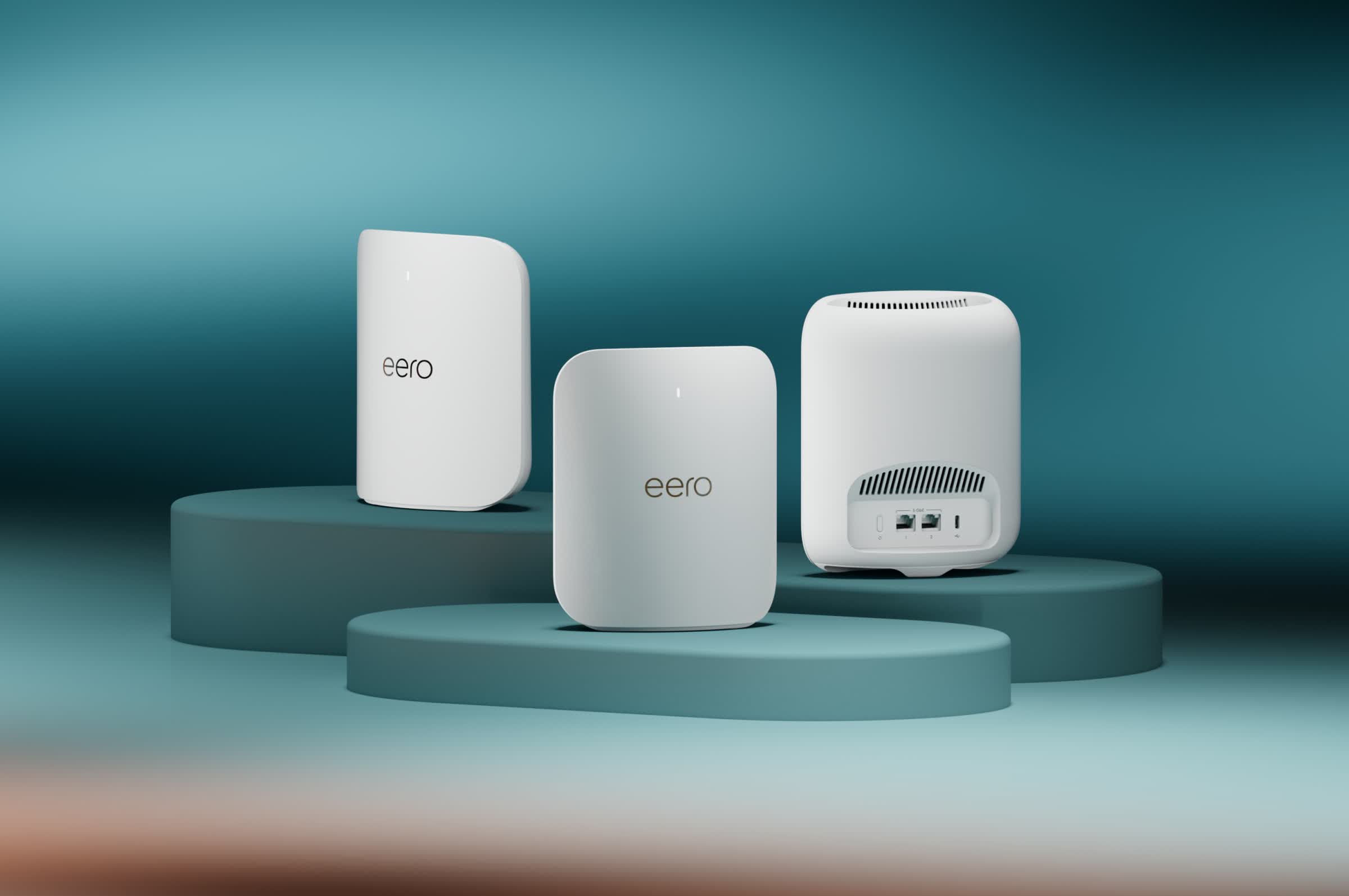
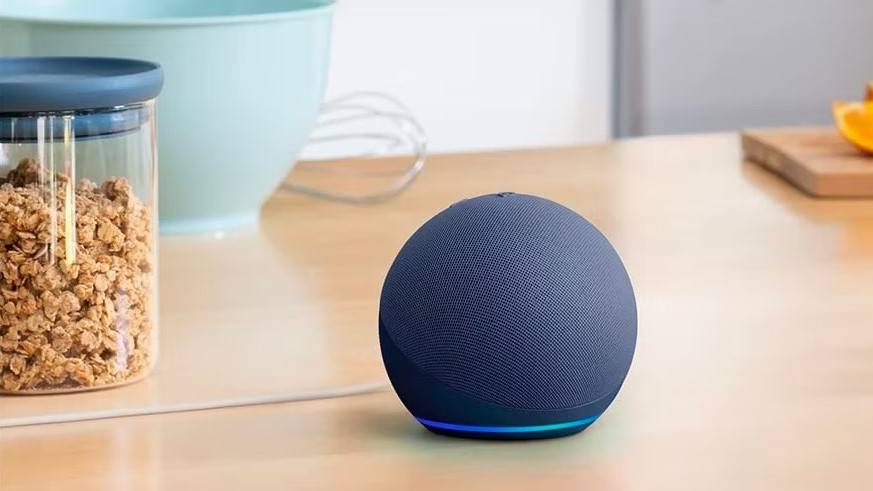
Amazon's aggressive hardware price increases in late August 2026—ranging from 20% to 60% across Echo, Kindle, Fire TV, and eero products—signal a critical inflection point for third-party sellers. The Echo Dot (5th gen) experienced the steepest percentage jump from $49.99 to $79.99 (60% increase), while the Kindle 16GB model rose 36.4% to $149.99, and Fire TV Stick 4K Max climbed $25 to $85. Amazon attributed these adjustments to "significantly increased costs of memory and storage chips," confirming industry-wide semiconductor supply constraints. Critically, Amazon's pricing strategy reveals margin optimization logic: the premium Kindle Scribe Colorsoft maintained $680 pricing despite higher memory content, while entry-level devices absorbed steeper percentage increases. This creates immediate white-space opportunities for sellers.
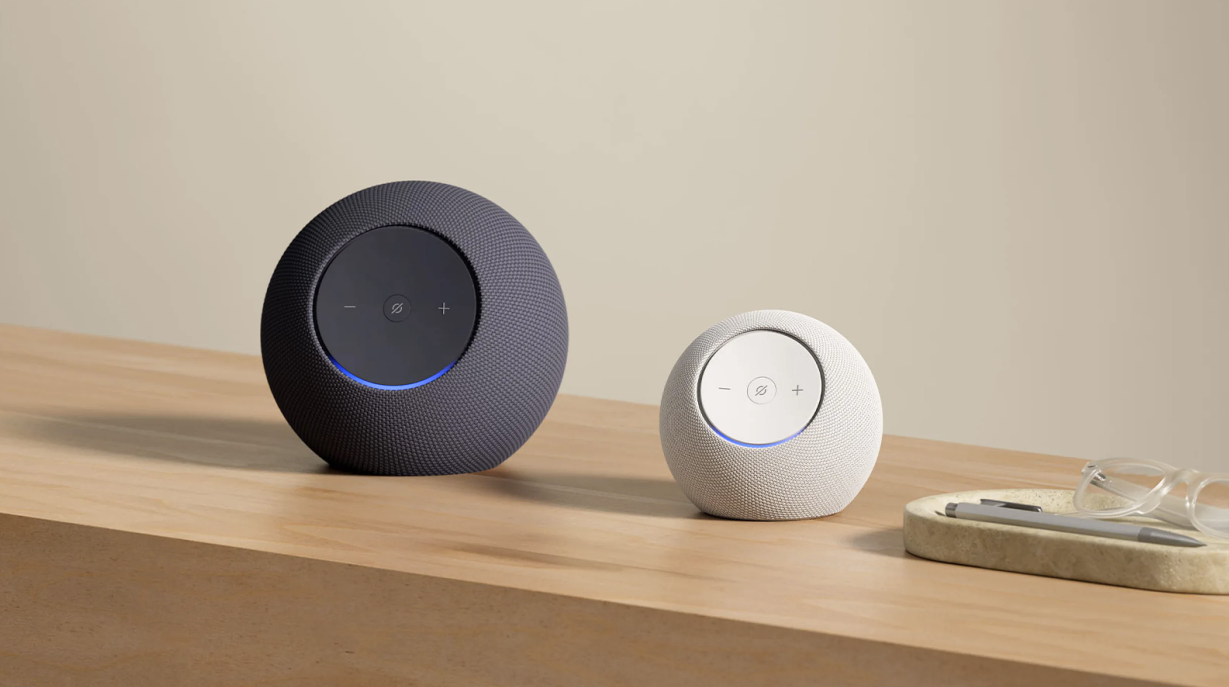
For third-party sellers on Amazon, eBay, and Shopify, this price shock opens three distinct opportunity vectors. First, the refurbished/renewed device market becomes highly attractive—sellers can source pre-2012 Kindle devices (now unsupported by Amazon) and refurbished Echo Dots at 30-40% discounts, then resell at $55-65 price points, capturing price-sensitive customers priced out by Amazon's new $79.99 Echo Dot. Second, alternative smart home ecosystems (Google Home, Apple HomePod mini, Samsung SmartThings) become competitive substitutes; sellers stocking these alternatives can capture demand deflection. Third, budget e-reader alternatives (Kobo, Tolino, generic Android tablets) address the Kindle affordability gap—the $150 base Kindle now competes directly with full-featured tablets at similar price points.
Platform-specific dynamics amplify these opportunities. On Amazon itself, third-party sellers can exploit category gaps: refurbished smart speakers (BSR typically 5,000-15,000 in Electronics), budget e-readers (lower competition in non-Kindle segments), and smart home bundles. eBay's refurbished electronics category sees 8-12% monthly search volume growth in smart home devices, with lower seller saturation than Amazon. Shopify sellers can build niche stores around "budget smart home" or "Kindle alternatives," leveraging the price shock narrative in paid ads. Regional variations matter: US price-sensitive segments (rural areas, budget-conscious demographics) show highest demand deflection; EU sellers face additional complexity as semiconductor costs affect local pricing differently. The timing—late August 2026—suggests back-to-school and Q4 holiday season demand will test price elasticity; sellers who stock alternatives by September 15 can capture early holiday shoppers.
Questions 7
How much did Amazon increase prices on Echo Dot and Kindle devices in August 2026?
Amazon raised the Echo Dot (5th generation) from $49.99 to $79.99—a 60% increase—making it the steepest percentage hike across the product line. The Kindle 16GB model jumped 36.4% to $149.99 (from $110), while the Echo Show experienced 11-25% increases depending on model size. The Echo Spot rose 37.5% to $109.99, and Fire TV Stick models saw 14-41.7% increases. Amazon attributed these adjustments to significantly elevated memory and storage chip costs affecting the entire consumer electronics industry. For sellers, these price points create immediate opportunities to source refurbished alternatives at lower price points and capture price-sensitive customers.
What seller opportunities exist from Amazon's hardware price increases?
Three primary opportunities emerge: (1) Refurbished smart speakers—sellers can source pre-owned Echo Dots at $35-50 wholesale and resell at $55-65, undercutting Amazon's new $79.99 price while maintaining 30-40% margins; (2) Alternative smart home ecosystems—Google Home Mini ($49), Apple HomePod mini ($99), and Samsung SmartThings devices become competitive substitutes as customers seek lower-cost options; (3) Budget e-reader alternatives—Kobo Clara ($129-149) and generic Android tablets now compete directly with Kindle at similar price points. eBay's refurbished electronics category shows 8-12% monthly search volume growth in smart home devices, indicating strong demand for alternatives. Shopify sellers can build niche stores around 'budget smart home' positioning, leveraging the price shock narrative in paid advertising campaigns.