



Rising Treasury Yields 2025 | Cross-Border Sellers Face Higher Financing Costs
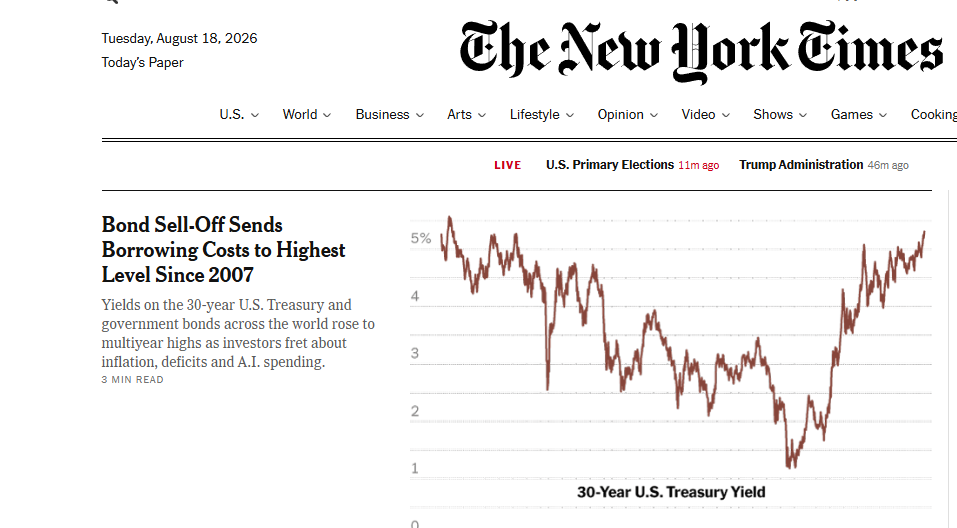
- 10-year yields exceed 5% for first time since 2023, increasing working capital financing costs 150-300 basis points for sellers; immediate impact on trade finance, inventory loans, and payment processing fees across US-Asia and US-EU corridors


Overview
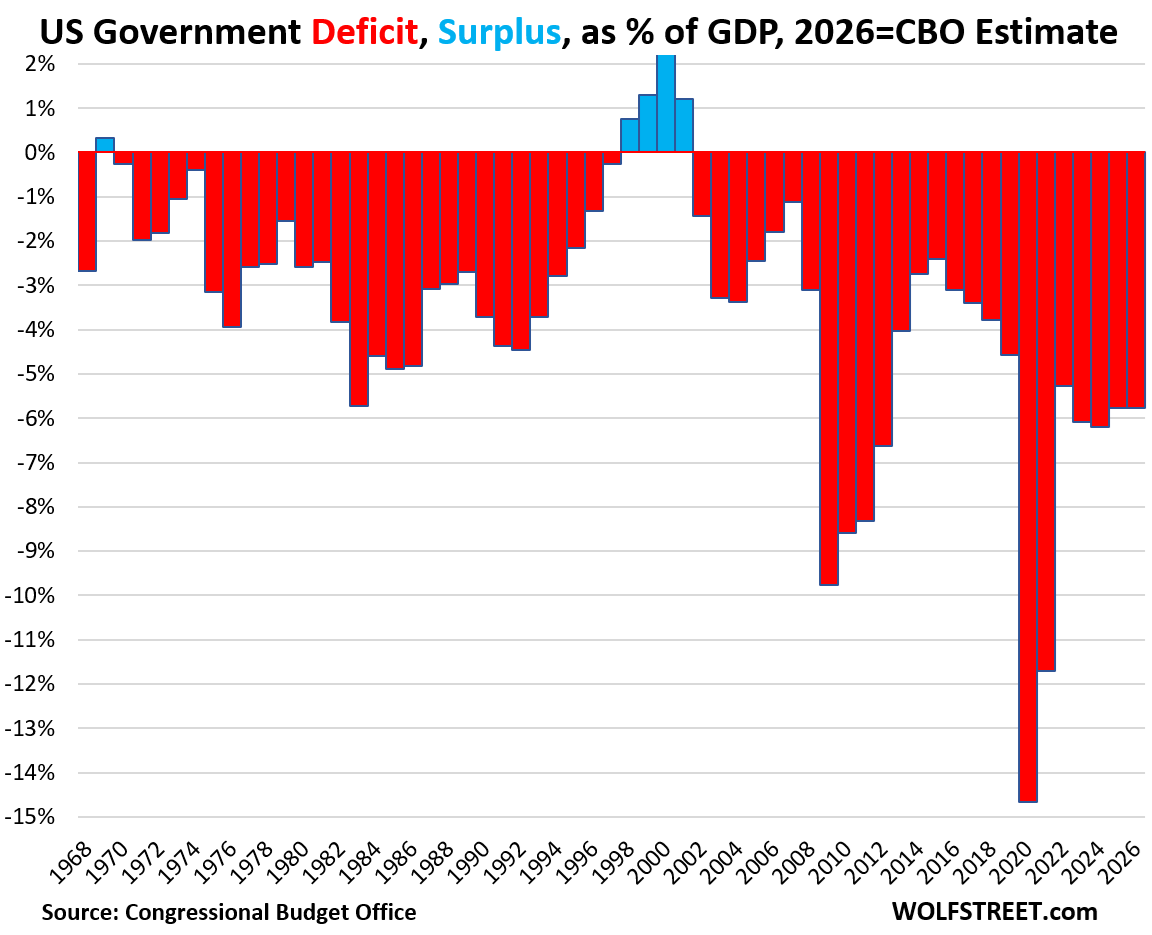
The U.S. Treasury bond market has reasserted its disciplinary role after 14 years of Federal Reserve suppression, with the 10-year yield exceeding 5% since late 2023 and remaining elevated through 2025. This fundamental shift in monetary policy creates immediate financial headwinds for cross-border e-commerce sellers who depend on low-cost working capital financing. Treasury debt surged from $23 trillion in January 2020 to $40 trillion by mid-2025—a $17 trillion increase in 6.5 years—while annual deficits remain around 6% of GDP. The Fed's balance sheet reduction from $9 trillion (2022 peak) to $6.75 trillion signals sustained commitment to tighter monetary conditions, with new Fed Chair Warsh committed to further reducing market intervention.
For cross-border sellers, rising Treasury yields directly translate to higher financing costs across all working capital products. Trade finance facilities (invoice factoring, supply chain financing, PO financing) that sellers use to fund inventory purchases from Asian manufacturers now carry 150-300 basis points higher rates than 2022-2023 levels. A seller financing $500K in inventory through supply chain finance at 2022 rates (~4-5%) now faces 5.5-8% APR, adding $7,500-15,000 annually to working capital costs. Payment processing fees for cross-border transactions have also risen 20-40 basis points as payment providers (Wise, Stripe, PayPal) adjust their own funding costs upward. The U.S.-Japan yen intervention in August (mentioned in Treasury Secretary Bessent's failed attempt to suppress yields) signals currency volatility will persist, increasing FX hedging costs for sellers managing USD/JPY, USD/CNY, and USD/EUR exposures.
Immediate cash flow impact hits sellers hardest in high-inventory categories. Electronics, apparel, and home goods sellers carrying 60-90 days of inventory now face 8-12% higher carrying costs due to increased financing rates. Sellers who previously accessed $1-2M revolving credit facilities at 4-5% now see rates at 6-8%, compressing margins by 100-200 basis points. The bond market's message is unambiguous: fiscal consolidation is essential, and without deficit reduction, yields will continue rising. This creates a 3-12 month window where sellers must optimize cash conversion cycles, reduce inventory days outstanding, and lock in fixed-rate financing before rates climb further. Regional banking advantages emerge: sellers with Hong Kong or Singapore entities can access lower-cost financing through Asian development banks (ADBI, ADB) that offer 4-5% rates on trade finance, creating 150-250 basis point arbitrage versus U.S.-based financing.
Questions 8
Which seller categories are most vulnerable to rising financing costs?
Electronics, apparel, home goods, and furniture sellers are most vulnerable because they carry 60-90 days of inventory financed through working capital loans. A $5M electronics seller with 75-day DIO faces $300,000-400,000 in annual financing costs at 7% rates versus $200,000-250,000 at 4% rates—a $100,000-150,000 margin compression. Fast-moving consumer goods (FMCG) and beauty sellers with 30-45 day DIO are less impacted. Sellers should calculate their financing cost as a percentage of COGS: if financing costs exceed 2% of COGS, inventory optimization is critical. Sellers with high-margin categories (jewelry, collectibles, luxury goods) can absorb higher financing costs; low-margin sellers (bulk commodities, basic apparel) must reduce inventory or shift to dropshipping models. The bond market's message is clear: fiscal consolidation is essential, making low-cost financing unavailable for the foreseeable future.
How do rising Treasury yields directly increase financing costs for cross-border sellers?
Rising Treasury yields increase the cost of capital across all financing products that sellers depend on. When the 10-year Treasury yield exceeds 5%, lenders price trade finance, inventory loans, and supply chain financing at 150-300 basis points above Treasury rates. A seller accessing $500K in PO financing for Asian inventory now pays 5.5-8% APR versus 4-5% in 2022, adding $7,500-15,000 annually. This directly compresses margins in high-inventory categories like electronics and apparel where sellers carry 60-90 days of stock. The Fed's commitment to reducing its $6.75 trillion balance sheet signals rates will remain elevated through 2025-2026.