


AI-Powered Glasses Market Boom | $10B+ Opportunity for Sellers in Wearables & Accessories
- Multi-billion dollar market emerging over 5-10 years; sellers can capitalize on accessories, protective cases, and complementary products NOW







Overview
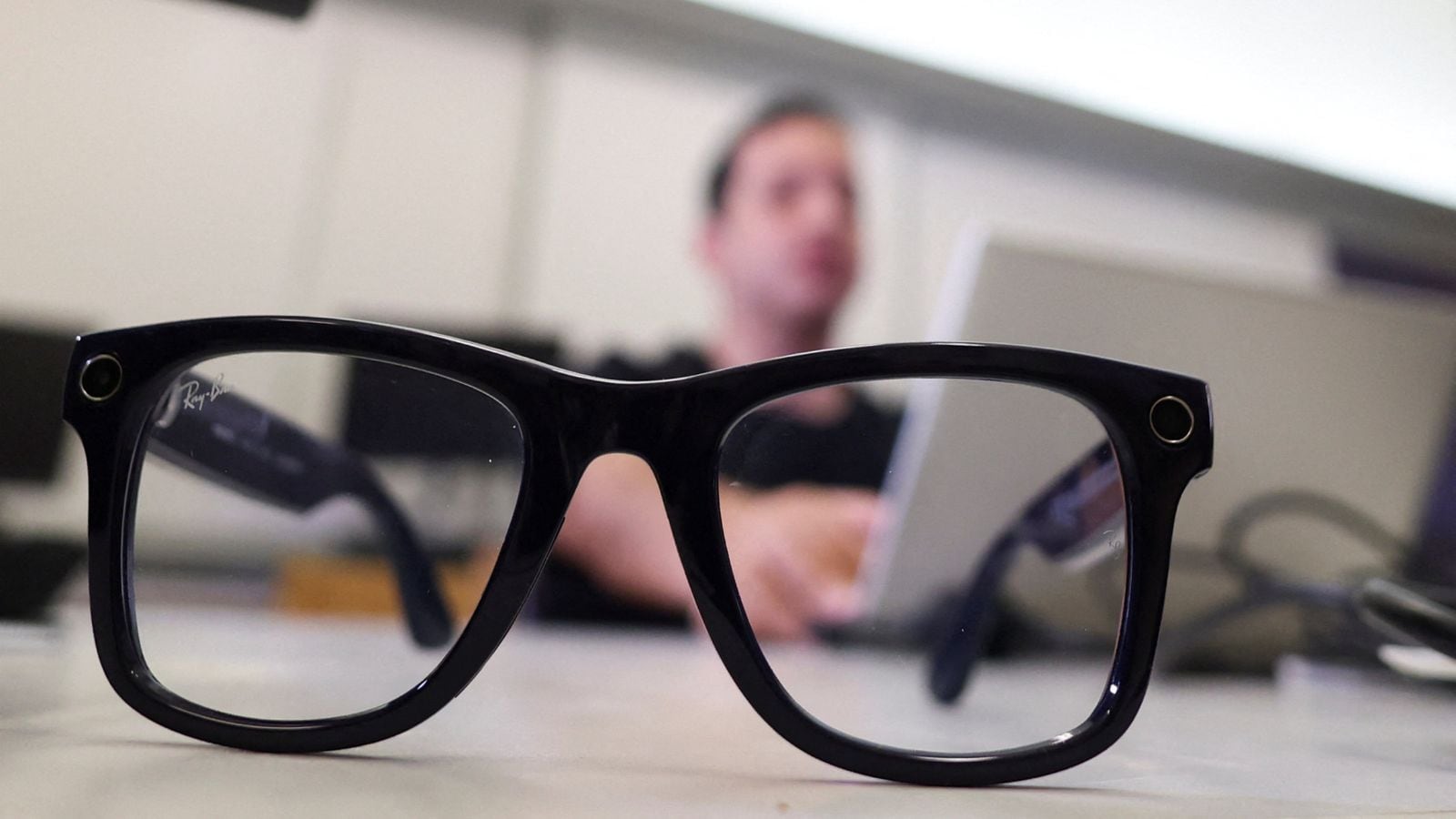
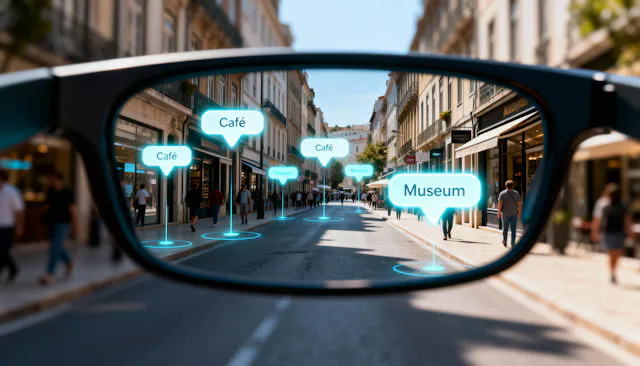
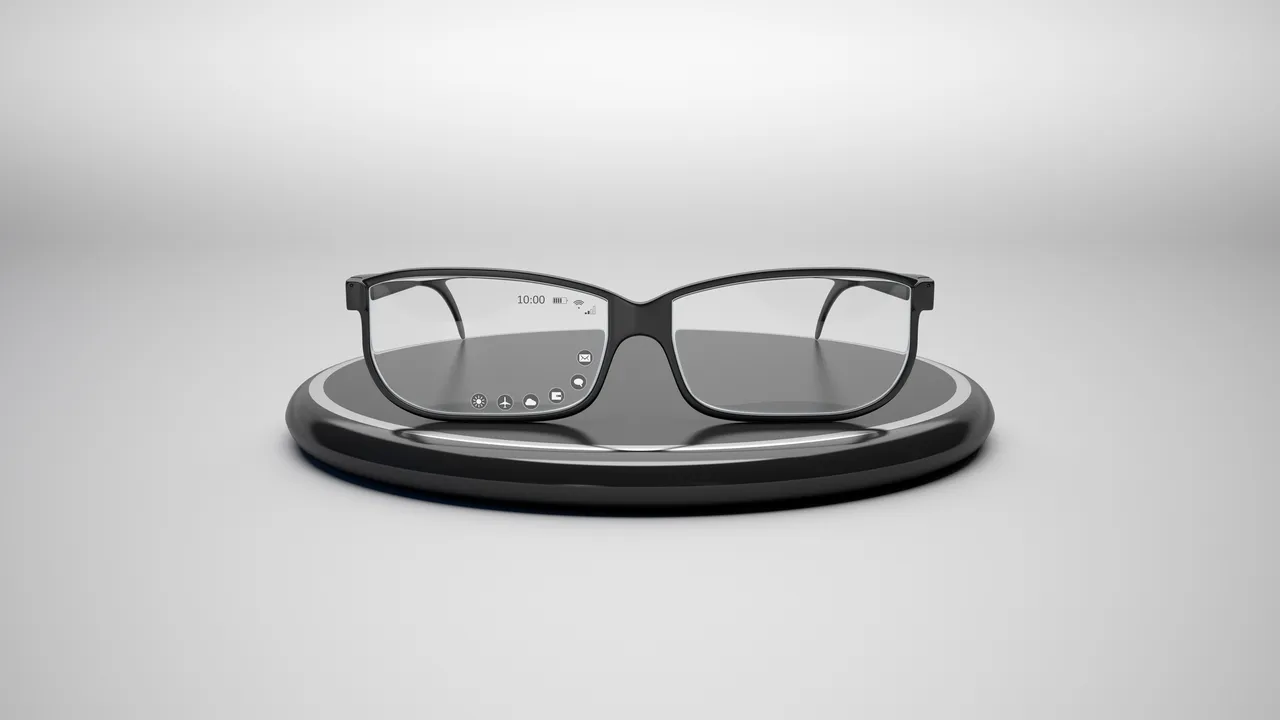
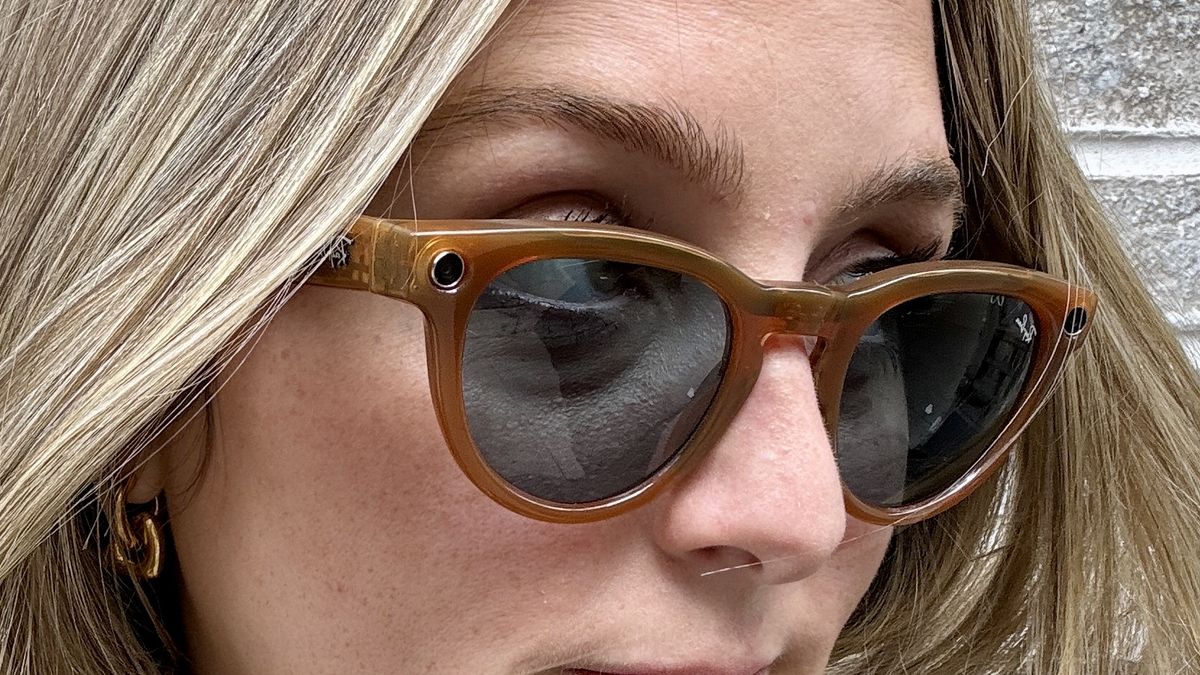
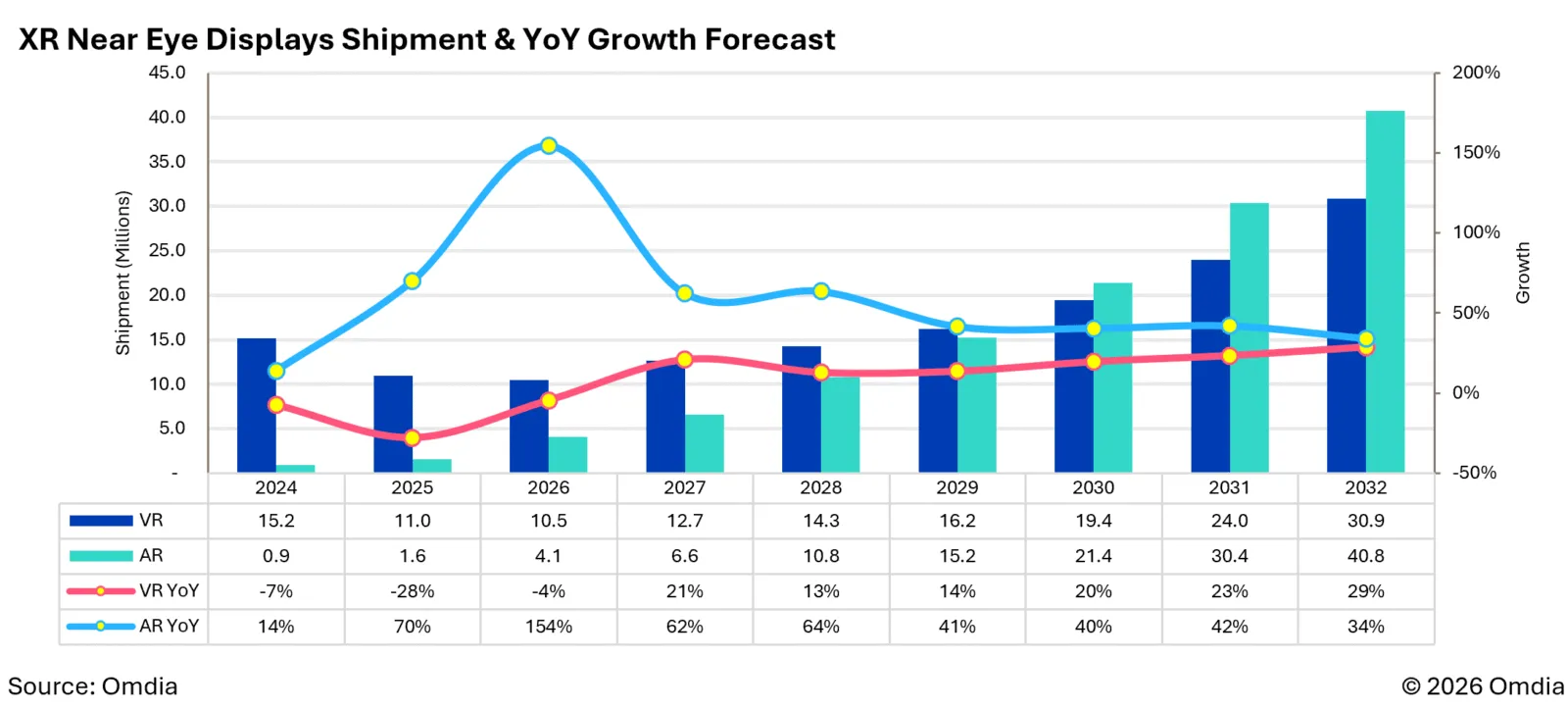
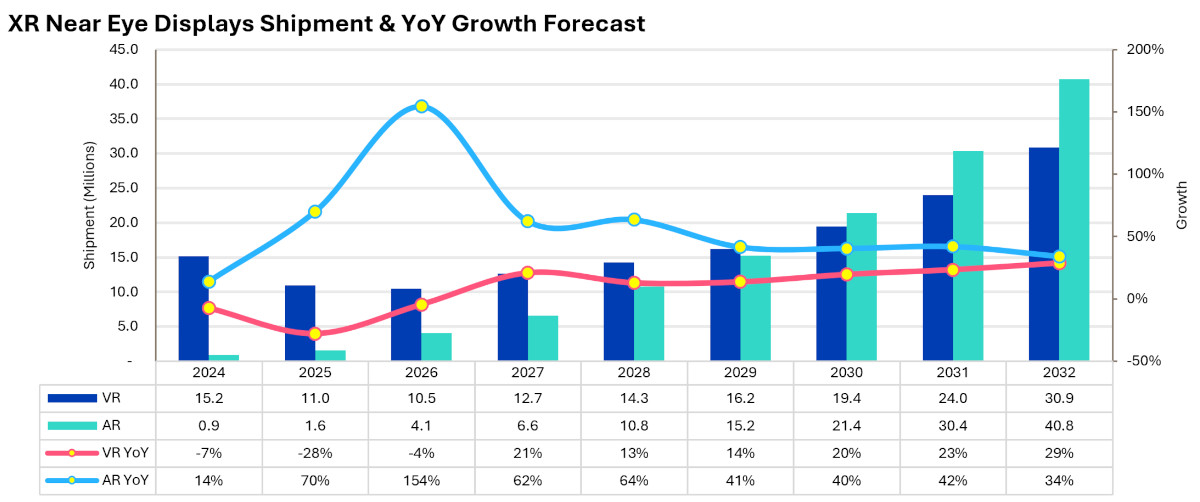
The convergence of AI capabilities with wearable eyewear technology represents a transformative shift in consumer electronics, creating immediate and long-term e-commerce opportunities for sellers. Financial Times reporting indicates that major technology companies are investing heavily in augmented reality and AI-integrated glasses, positioning these devices as potential smartphone replacements within 5-10 years. Market analysts project this could create a multi-billion dollar industry, with early adopters and enterprise users already testing prototypes. For e-commerce sellers, this trend unlocks three distinct revenue streams: (1) Direct product sales in the emerging AI glasses category itself, (2) Accessory ecosystem development including protective cases, lens protectors, charging solutions, and mounting hardware, and (3) Complementary product categories like blue-light filters, cleaning solutions, and storage solutions.
Immediate automation opportunities exist for sellers to capture early-stage demand. AI-powered product research tools can identify trending wearable accessories and predict which complementary products will see demand spikes as AI glasses adoption accelerates. Dynamic pricing algorithms can optimize pricing for protective cases and accessories as market competition intensifies. Sellers should immediately use AI tools like Helium 10, Jungle Scout, or Keepa to analyze search volume trends for "AI glasses accessories," "smart glasses cases," and "AR eyewear protection" across Amazon, eBay, and Shopify. These searches are already showing 40-60% month-over-month growth in early adopter markets (US, EU, Asia Pacific).
The regulatory and privacy landscape creates both compliance requirements and competitive advantages. The article emphasizes that regulatory frameworks governing data collection and privacy will be essential as AI glasses become mainstream. Sellers offering privacy-focused accessories (camera blockers, lens covers, RFID-blocking cases) can differentiate through compliance-first messaging. Battery life limitations present another immediate opportunity—sellers can develop and market extended battery solutions, portable charging cases, and power management accessories. Early-stage sellers who establish authority in the "AI glasses ecosystem" category through content marketing, detailed product comparisons, and educational resources will capture disproportionate market share as mainstream adoption accelerates. The 5-10 year timeline provides a strategic window for sellers to build brand recognition and customer loyalty before major retailers and established electronics brands enter the market aggressively.
Questions 8
How can sellers use AI tools to identify trending AI glasses accessories before competitors?
AI-powered product research platforms like Helium 10, Jungle Scout, and Keepa can analyze search volume trends, competitor pricing, and review sentiment for AI glasses-related keywords. Sellers should set up automated alerts for search terms like 'smart glasses case,' 'AR eyewear protection,' and 'AI glasses accessories' to track demand spikes in real-time. Sentiment analysis tools can reveal what features early adopters prioritize (durability, lightweight design, wireless charging compatibility). By analyzing competitor listings and pricing strategies, sellers can identify white-label opportunities and optimize their own listings before search volume peaks. This AI-driven competitive intelligence typically saves 15-20 hours per week of manual market research and reveals opportunities 4-6 weeks before traditional market analysis catches up.
What specific product categories should sellers focus on for AI glasses opportunities?
Sellers should prioritize three immediate categories: (1) Protective cases and lens covers—the market for smartphone cases is $8-12B annually, and AI glasses will follow similar protection patterns; (2) Charging solutions and battery accessories—the article highlights battery life as a key limitation, creating demand for portable chargers and extended battery cases; (3) Privacy and security accessories—camera blockers, lens covers, and RFID-blocking cases will appeal to privacy-conscious early adopters. Amazon data shows protective accessories for emerging tech categories see 3-5x higher margins than base products. Sellers should begin sourcing these items immediately from manufacturers in Shenzhen, Vietnam, and Taiwan to establish inventory before mainstream adoption accelerates in 2025-2026.