

Trademark Enforcement Escalation | Small Business Branding Risk & Compliance Opportunities for Sellers
- Buc-ee's filed 10+ federal lawsuits since 2007; aggressive trademark strategy creates $50K-$200K+ legal defense costs for small retailers and e-commerce sellers with animal mascot branding
Overview
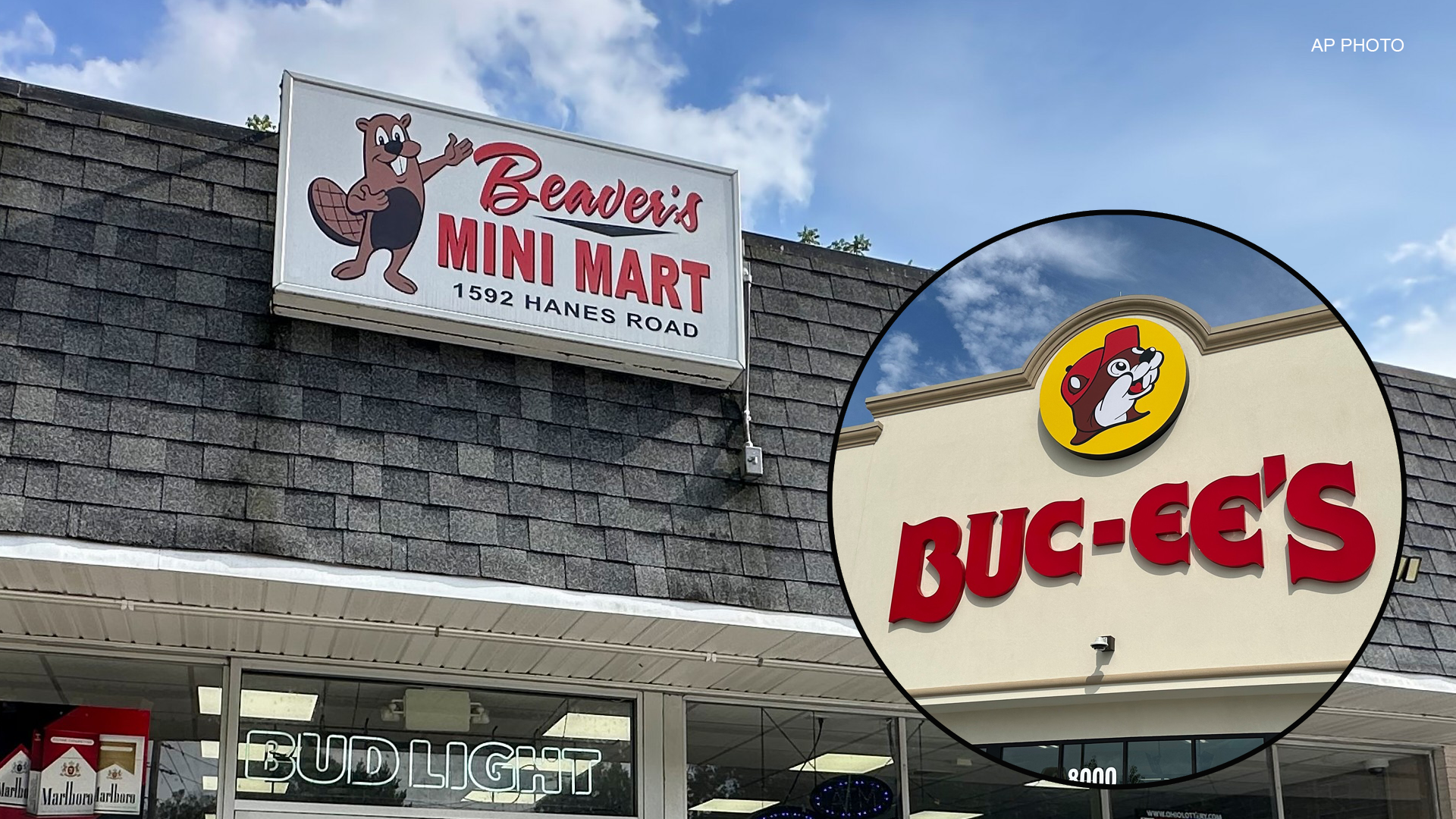
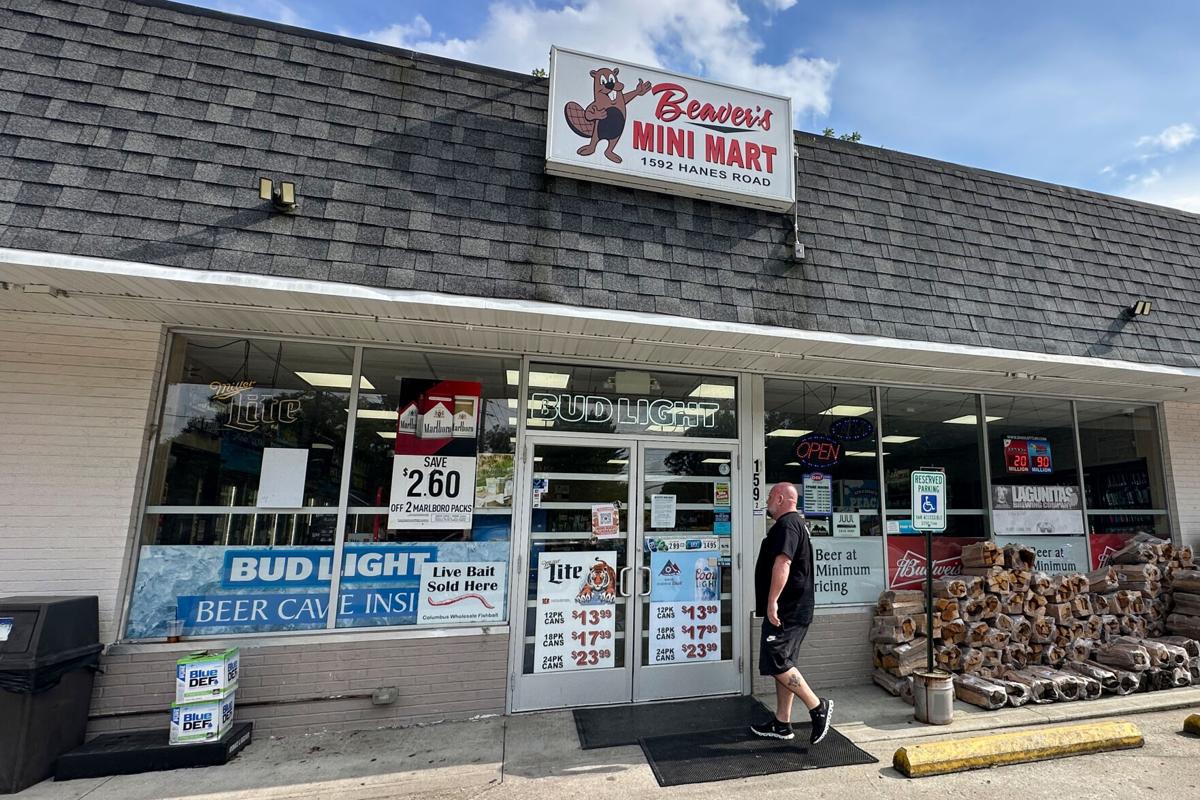
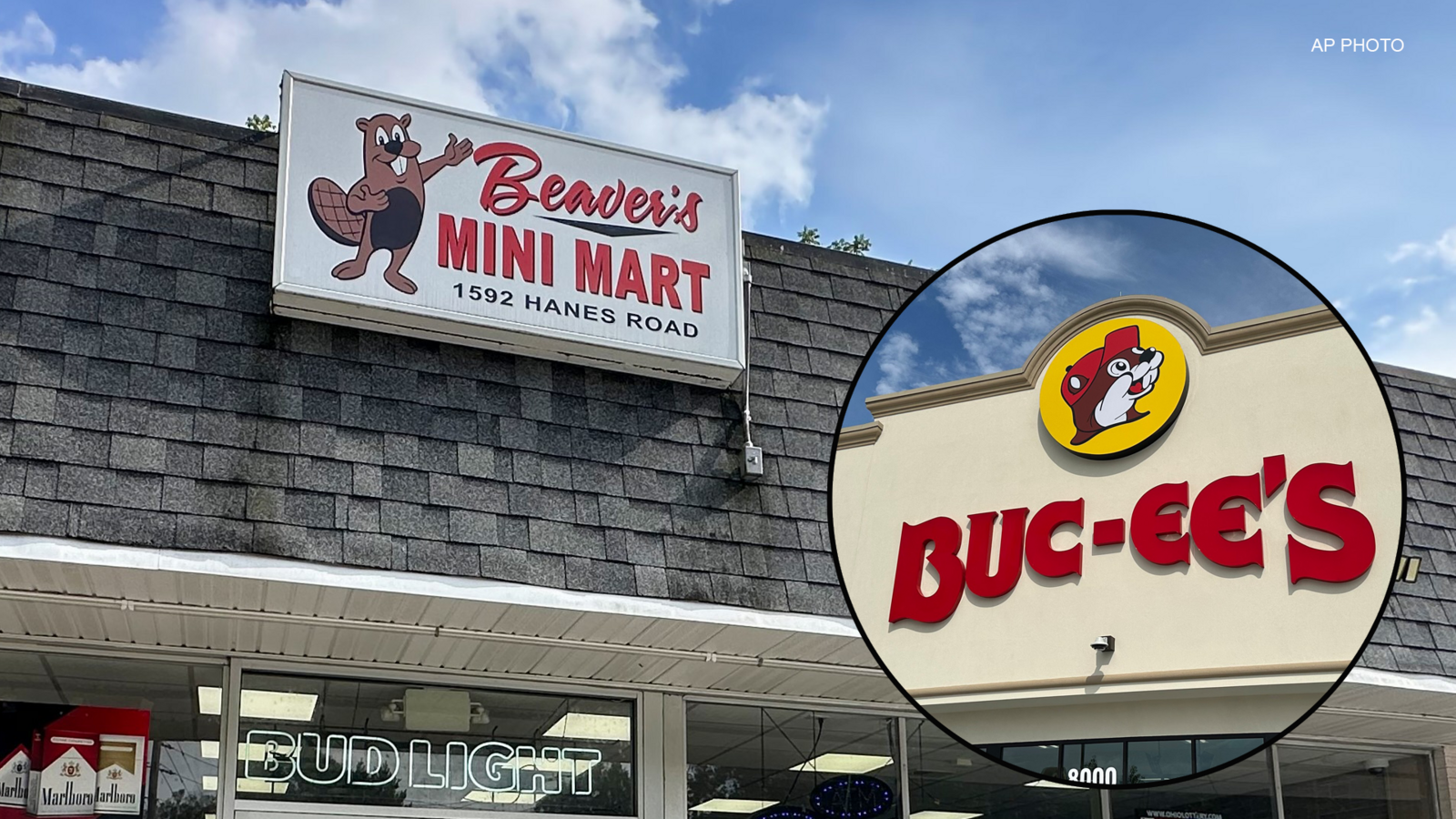
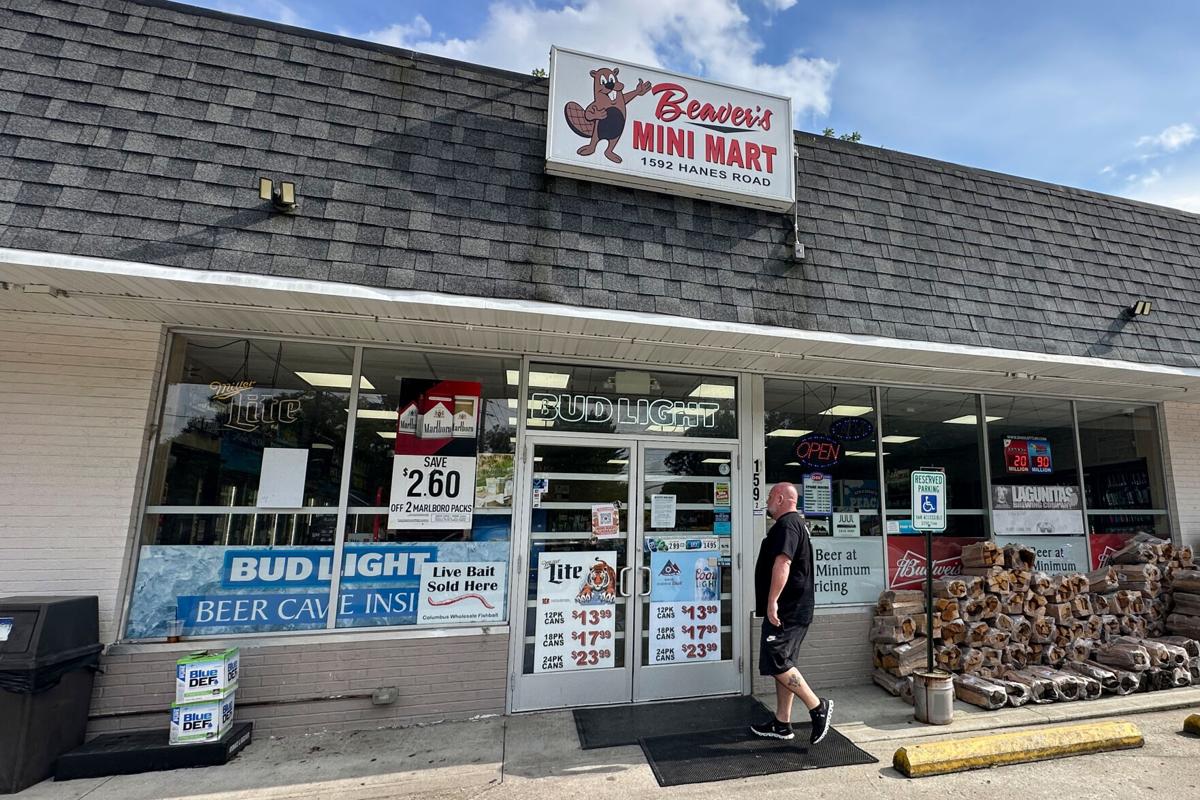
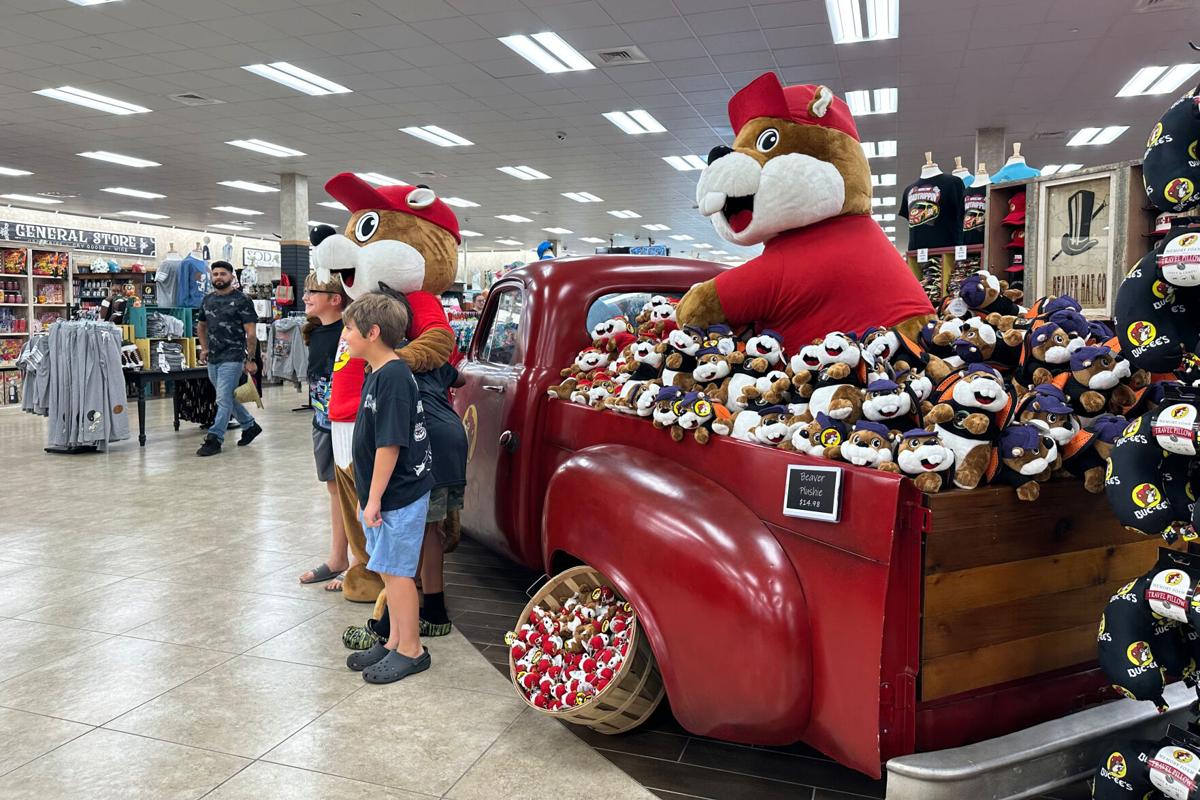
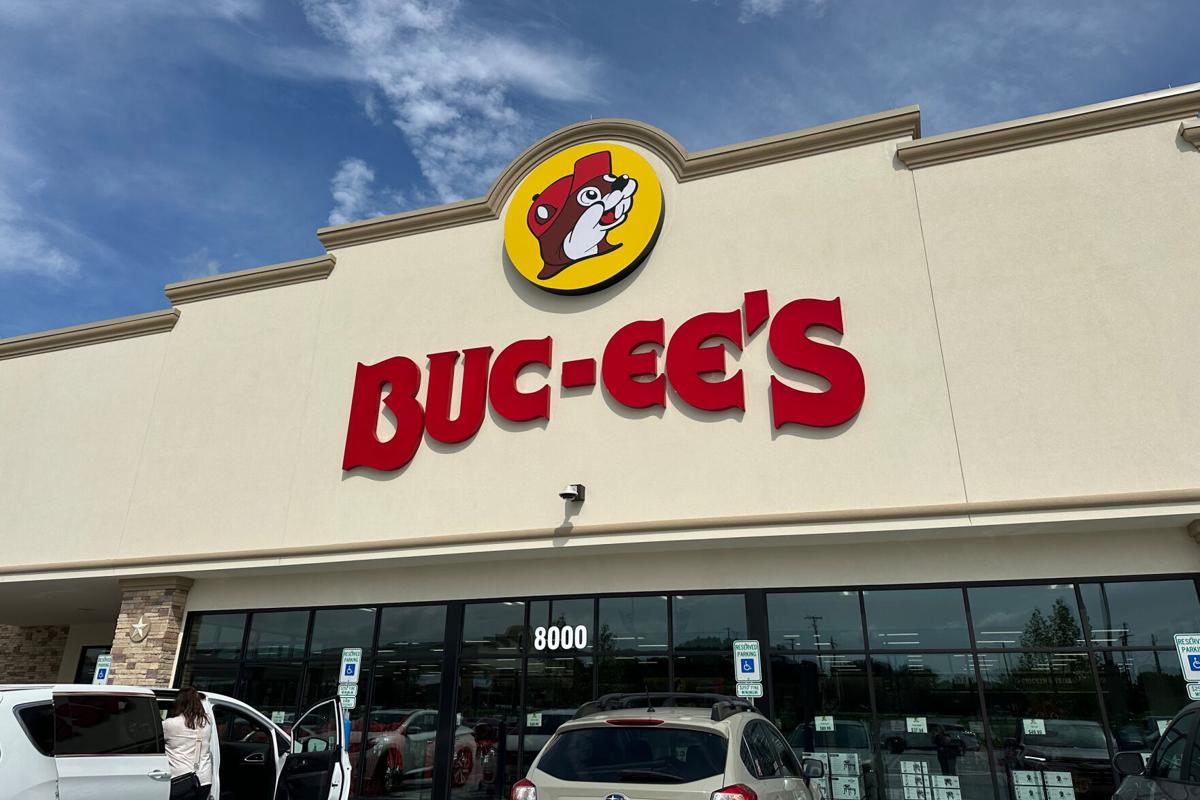
Buc-ee's aggressive trademark enforcement strategy represents a critical compliance inflection point for e-commerce sellers, particularly those operating in convenience retail, food/beverage, and branded merchandise categories. Since registering trademarks with the U.S. Patent and Trademark Office in 2007-2010, Buc-ee's has filed at least 10 federal lawsuits targeting smaller competitors, with the July 2026 lawsuit against Beaver's Mini Mart exemplifying the pattern. The company examines complete brand packages—mascot, colors, name, phonetic similarities, and customer impression—creating a high-risk environment for any seller using animal mascots combined with similar naming conventions (six letters, two syllables, ending in 'eez' as demonstrated in the Teddys Market case).
For e-commerce sellers, this litigation pattern creates three distinct compliance challenges: First, trademark infringement liability extends beyond physical retail to online marketplaces where branded merchandise, private label products, and licensed goods are sold. Sellers offering animal-themed merchandise, convenience store products, or branded collectibles face heightened scrutiny if their branding elements—logos, color schemes, mascot designs—create even arguable "consumer confusion." Second, the financial burden is substantial: Beaver's Mini Mart's legal defense required a $69,000+ GoFundMe campaign, representing 2-4 months of operational revenue for small businesses. For e-commerce sellers, trademark litigation costs typically range from $50,000-$200,000+ in legal fees, expert witness testimony, and potential damages. Third, Buc-ee's expansion to 12 new locations across 10 states through 2031 intensifies enforcement as the company protects brand value during rapid scaling—a pattern that incentivizes aggressive litigation against any perceived competitor.
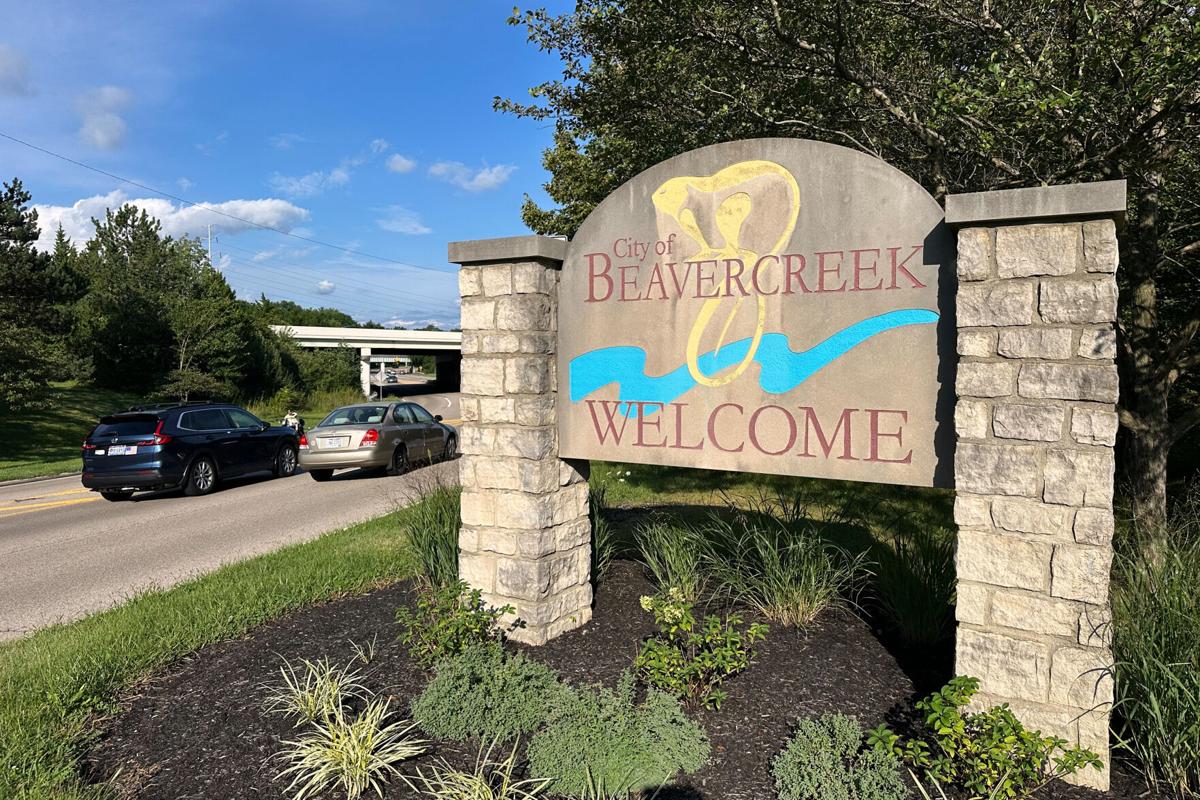
The compliance opportunity emerges in three areas: (1) Trademark clearance services are underserved for small sellers; conducting comprehensive trademark searches before launching branded products or mascot-based merchandise could prevent costly litigation. (2) Brand differentiation strategies that avoid animal mascots, phonetic similarities, and color-scheme overlaps create a competitive moat for compliant sellers. (3) Merchandise licensing and parody products represent a growing category—John Oliver's "Buc-off" parody merchandise generated significant social media engagement, signaling consumer appetite for commentary-based branded goods that operate in fair-use territory. Sellers can capitalize on anti-corporate sentiment by developing compliant parody merchandise, community-solidarity products, and alternative branding that explicitly avoid trademark conflicts. The Beavercreek community's solidarity campaign—with local bakeries and retailers temporarily altering logos to feature beavers—demonstrates demand for community-identity-based merchandise that sellers can monetize through Amazon Merch on Demand, Printful, or Etsy without trademark exposure.
Questions 8
What trademark elements does Buc-ee's use to prove infringement against small businesses?
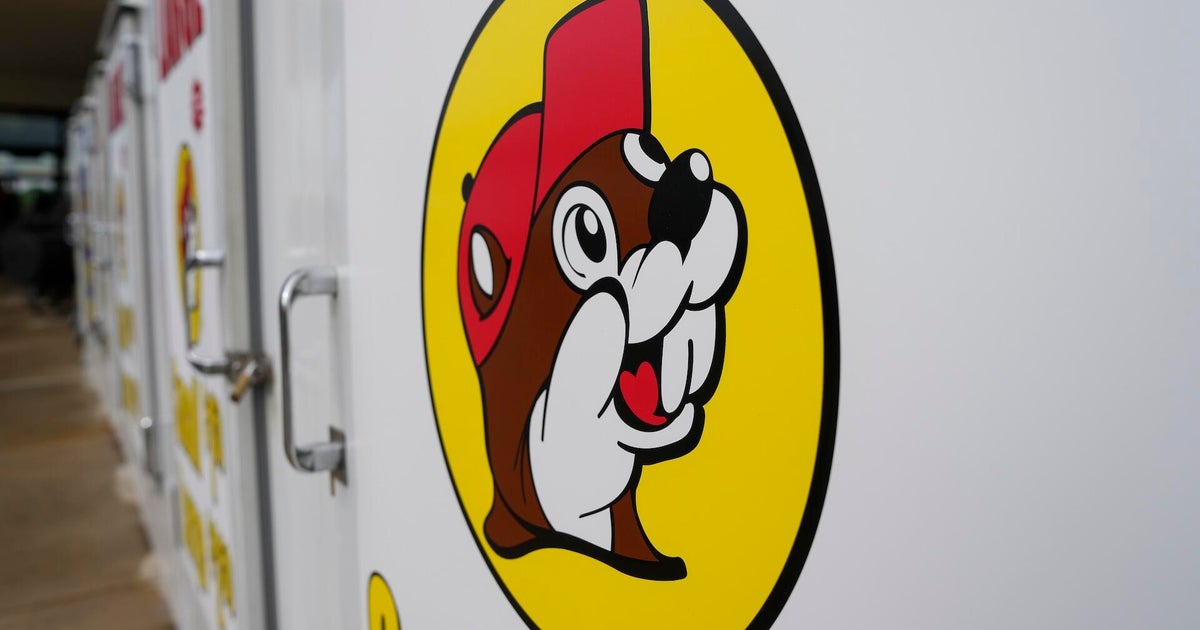
Buc-ee's examines the complete brand package: mascot design, color schemes, phonetic name similarities, and overall customer impression. In the Teddys Market case, Buc-ee's argued that phonetic similarities—both names being six letters, two syllables, ending in 'eez'—combined with cartoon animal mascots create trademark confusion. For Beaver's Mini Mart, the company alleged that the smiling beaver logo, name, and red-letter branding too closely resemble Buc-ee's branded 'Bucky' beaver mascot. This multi-element approach means sellers cannot rely on single differentiators; they must ensure their entire brand package—visual identity, naming convention, color palette, and mascot style—is distinctly different from established trademarks. Sellers should conduct comprehensive trademark searches covering all these elements before launching branded products.
What is the fastest way for sellers to verify their branding doesn't infringe existing trademarks?
The fastest compliance path involves three steps: (1) Conduct a USPTO trademark search at uspto.gov/trademarks/search, which takes 1-2 hours and costs $0; (2) Review the complete brand package—mascot, colors, name, phonetic similarities—against existing registrations, particularly in your product category; (3) Hire a trademark attorney for a formal clearance opinion ($1,000-$3,000), which provides legal protection if infringement claims arise. The entire process takes 2-4 weeks and costs $1,500-$5,000, far less than litigation defense. For e-commerce sellers, this is essential before launching private label products, branded merchandise, or mascot-based designs. Amazon Brand Registry also provides some protection, but it requires existing trademark registration—sellers should secure trademarks before scaling products across marketplaces.