


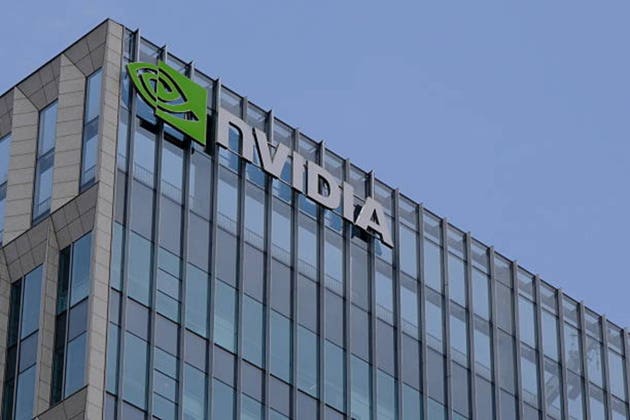


Nvidia AI Server Prices Jump 15% | Cloud Cost Crisis for E-Commerce Sellers
- Downstream price increases expected for AWS, Google Cloud, Azure; sellers face 8-15% operational cost rise by Q4 2026






Overview
Nvidia's 15%+ price increase on AI servers (announced August 24, 2026) signals a critical cost escalation for e-commerce sellers relying on cloud infrastructure. The price hikes affect servers equipped with Vera Rubin and Grace Blackwell chips, driven by surging memory chip costs. Major cloud providers—AWS, Google Cloud, and Microsoft Azure—will likely pass these costs downstream to sellers within 60-90 days, creating margin compression across all seller segments.
For cross-border e-commerce sellers, this translates to immediate operational cost increases. Sellers utilizing AI-powered services for inventory management, customer analytics, demand forecasting, and logistics optimization will face higher cloud computing bills. Small-to-mid-size sellers (SMBs) with 1,000-10,000 monthly units shipped will absorb 8-12% increases in cloud infrastructure costs, while enterprise sellers may negotiate volume discounts but still face 5-8% increases. Sellers dependent on AI-driven pricing optimization, dynamic inventory allocation, and predictive analytics—increasingly critical for competitive advantage—will see their operational expenses rise significantly.
The automation opportunity is immediate: sellers must optimize cloud resource utilization NOW to offset future price increases. AI tools like CloudOptimizer, Kubecost, and native cloud cost management dashboards can identify 15-25% waste in current infrastructure spending through automated resource right-sizing, reserved instance optimization, and spot instance utilization. Sellers should audit their cloud spending across AWS (EC2, RDS, S3), Google Cloud (Compute Engine, BigQuery), and Azure (VMs, Cosmos DB) to identify redundant services, underutilized resources, and opportunities for consolidation. This analysis can be automated using cloud-native tools, saving 10-15 hours of manual analysis per month.
Strategic implications vary by seller segment. Large sellers (10,000+ monthly units) with dedicated DevOps teams can negotiate directly with cloud providers or shift workloads to more cost-efficient regions. Mid-market sellers should evaluate 3PL providers offering integrated cloud services or consider hybrid approaches combining on-premise infrastructure with cloud bursting. Smaller sellers face the greatest margin pressure and should prioritize consolidating multiple cloud services into single-provider ecosystems (AWS, Google, or Azure) to maximize volume discounts and simplify cost management. The competitive advantage accrues to sellers who automate cost optimization—those using AI-powered cloud cost management tools will maintain margins while competitors absorb price increases.
Questions 8
Which e-commerce sellers are most vulnerable to these cloud cost increases?
Small-to-mid-size sellers (SMBs) shipping 1,000-10,000 monthly units are most vulnerable because they lack negotiating power with cloud providers and operate on 10-20% net margins. Sellers heavily dependent on AI services—dynamic pricing, demand forecasting, inventory optimization, customer segmentation—will see the largest cost increases. Sellers using multiple cloud providers (AWS for storage, Google Cloud for analytics, Azure for CRM) face compounded increases. Enterprise sellers with 50,000+ monthly units can negotiate volume discounts directly with cloud providers, reducing their exposure to 3-5% increases.
How will Nvidia's 15% price increase affect my cloud hosting costs as an e-commerce seller?
Nvidia's price hike on AI servers will cascade to AWS, Google Cloud, and Azure within 60-90 days. Sellers using these platforms for AI-powered inventory management, pricing optimization, and customer analytics should expect 5-15% increases in cloud infrastructure bills by Q4 2026. Small sellers with tight margins will feel the impact most acutely. To mitigate, audit your current cloud spending using native cost management tools (AWS Cost Explorer, Google Cloud Cost Management, Azure Cost Management) to identify 15-25% in potential savings through resource optimization, reserved instances, and spot instance utilization.