




US-Canada 50% Tariffs Trigger Currency Shock | Cross-Border Seller Margin Crisis
- 50% tariff rate compounds with stronger USD to compress margins 15-25% for Canadian exporters; US sellers face retaliatory duties on Canadian imports




Overview
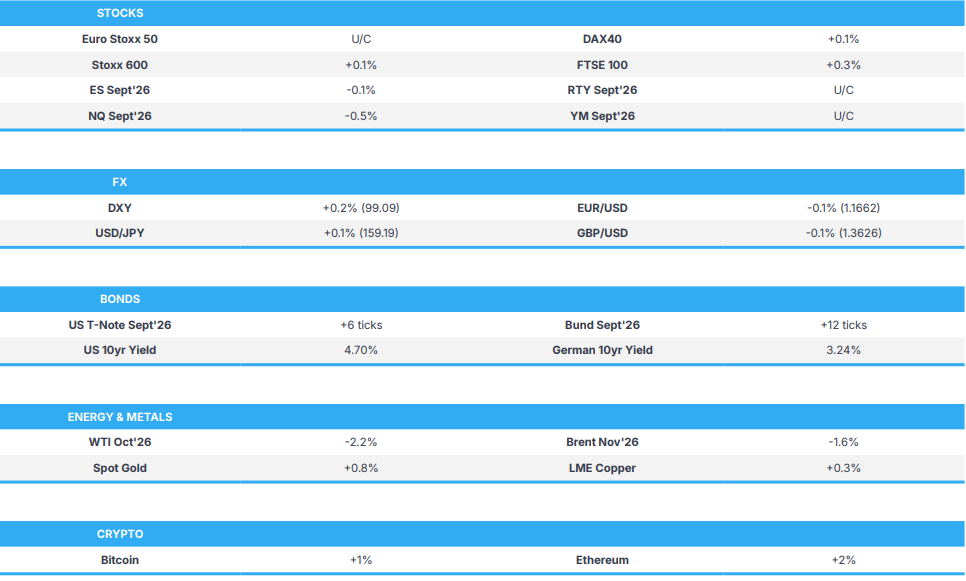
The U.S. announcement of 50% tariffs on Canadian goods, coupled with Canada's matching retaliatory tariffs on American products, has triggered a dual-impact crisis for cross-border e-commerce sellers operating between the two nations. The strengthening U.S. dollar simultaneously compounds these tariff pressures, creating a perfect storm for margin compression and pricing strategy disruption. For Canadian sellers exporting to the U.S. market, the combination of 50% import duties plus an unfavorable exchange rate creates a 15-25% effective cost increase on landed goods—a margin compression that forces immediate repricing or inventory repositioning decisions.
Tariff Impact by Seller Segment: Canadian-based sellers face the most acute pressure. A product with a $100 landed cost now carries $150 in tariff liability, while currency depreciation increases the CAD-to-USD conversion cost by 3-5%. This dual headwind means Canadian sellers must either absorb 15-25% margin compression, raise prices 15-25% (risking Buy Box loss on Amazon/eBay), or exit the U.S. market entirely. U.S.-based sellers exporting to Canada face similar retaliatory tariff exposure, though the stronger dollar partially offsets their export pricing disadvantage—making U.S. exports cheaper for Canadian consumers despite tariff costs.
Currency Dynamics Amplify Tariff Pain: The stronger U.S. dollar makes American exports more expensive for international buyers while making imports cheaper for U.S. consumers. For Canadian sellers, this creates asymmetric pressure: tariffs increase costs while currency weakness reduces competitiveness. A Canadian seller with 30% margins on a $50 product now faces $7.50 in tariffs plus currency headwinds, reducing effective margins to 10-15%. This environment demands immediate supply chain optimization—evaluating alternative sourcing from Mexico or U.S.-based suppliers, implementing dynamic pricing models across Amazon Seller Central and eBay, and potentially shifting inventory to 3PL providers in the U.S. to avoid tariff exposure.
Policy Uncertainty Window: These tariff announcements reflect broader Trump administration trade policy shifts prioritizing tariff-based economic strategies. The timing creates a critical 30-90 day window before competitors fully adjust pricing and supply chains. Early-moving sellers can capture market share by: (1) pre-positioning inventory in U.S. warehouses before tariffs fully activate, (2) locking in supplier contracts at current rates, (3) implementing tiered pricing strategies by market, and (4) diversifying sourcing to non-tariffed countries. Sellers should monitor additional tariff announcements affecting other trading partners and product categories, as policy uncertainty will likely persist through 2025.
Questions 8
How do 50% tariffs affect my landed costs as a Canadian seller?
A 50% tariff directly increases your landed cost by 50% on the product value. If your product costs $100 to source, you now face $50 in tariff liability, raising total landed cost to $150. Combined with the strengthening U.S. dollar (which increases CAD-to-USD conversion costs by 3-5%), your effective cost increase reaches 15-25%. For example, a product with 30% margins ($50 retail price, $35 cost) now has only 10-15% margins after tariffs and currency adjustment. You must immediately review your Amazon Seller Central pricing, eBay listings, and Shopify store prices to determine if you can maintain competitiveness or need to exit the U.S. market.
Should I shift sourcing from Canada to Mexico or Vietnam?
Yes, this is a critical strategic decision for the next 90 days. Mexico benefits from USMCA tariff preferences (0% on many categories), making it an immediate alternative for Canadian sourcing. Vietnam and India offer lower manufacturing costs but face standard tariff rates (typically 5-15% base rates). Calculate the total landed cost comparison: Canadian product ($100 cost + $50 tariff = $150) vs. Mexico ($95 cost + $0 tariff = $95) vs. Vietnam ($70 cost + $10 tariff = $80). For most categories, Mexico becomes cost-competitive immediately, while Vietnam requires volume commitments to offset longer lead times. Start supplier conversations now—most factories have 4-8 week lead times, so early movers can lock in rates before competitors flood the market.