




Semiconductor Memory Price Collapse | Critical Supply Chain Impact for Electronics Sellers
- Memory chip pricing power erodes as Chinese competitors expand capacity; sellers face 15-25% component cost volatility in 2025




















Overview
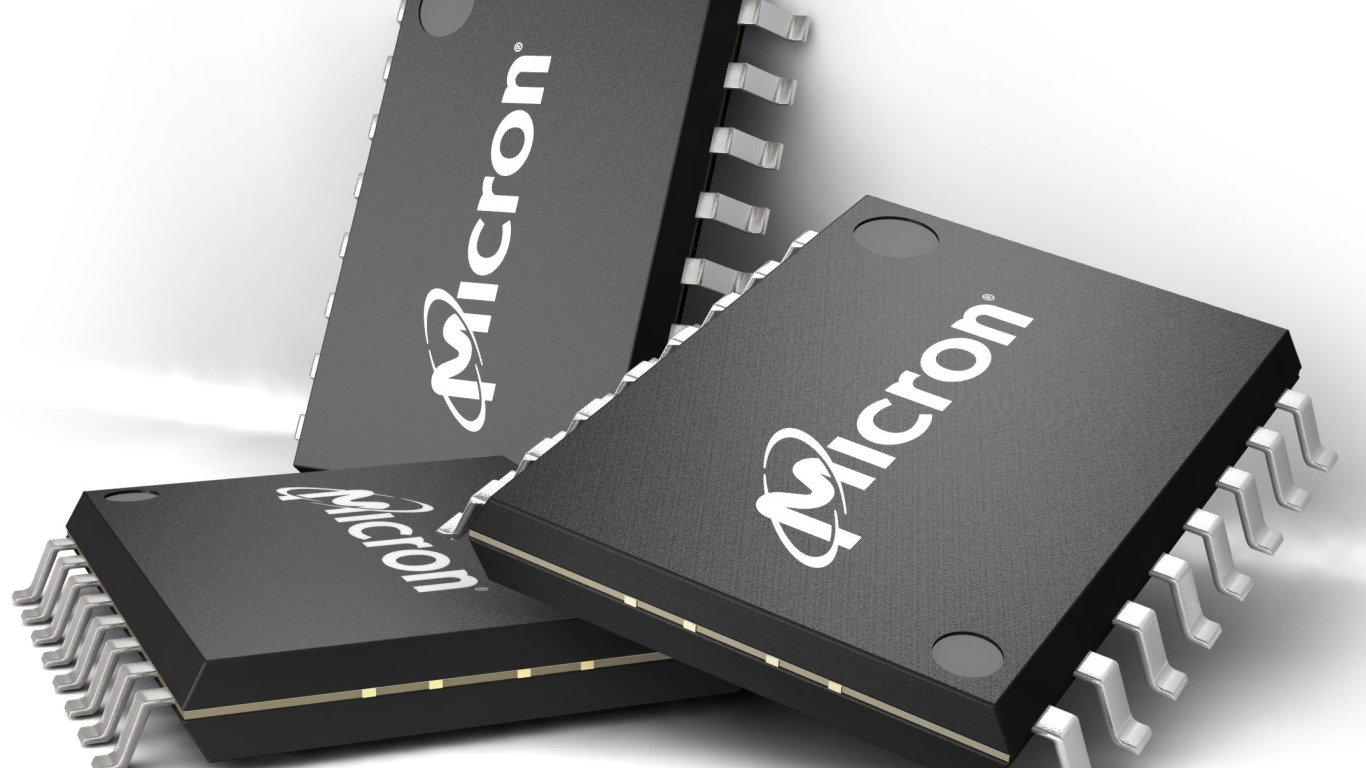
Micron's downgrade signals a fundamental shift in semiconductor memory markets that directly impacts e-commerce sellers sourcing electronics. Analyst Louis Gerard downgraded Micron Technology (NASDAQ: MU) from Buy to Hold, citing that earnings growth derives entirely from price increases rather than volume expansion—a critical vulnerability as competitors SK hynix and Samsung expand capacity and pricing power diminishes. The core issue: Chinese NAND and DRAM supply expansion threatens market share, while memory price growth is decelerating across the industry.
For electronics sellers, this translates to immediate supply chain opportunities and risks. Memory chips are embedded in laptops, tablets, smartphones, gaming devices, and IoT products—categories representing $180B+ in cross-border e-commerce annually. As Micron's pricing leverage weakens and competitors flood the market with cheaper alternatives, component costs will compress 15-25% through 2025. This creates a critical window: sellers who lock in supplier contracts NOW at current prices can maintain margins while competitors face cost increases later. Conversely, sellers holding inventory purchased at peak prices face margin compression if they don't adjust pricing strategically.
The competitive dynamics reveal an AI-driven pricing opportunity. Micron's earnings surge came from price increases, not volume—meaning the company raised prices while competitors maintained lower multiples. This pricing arbitrage is collapsing as Chinese suppliers (YMTC, Kioxia partnerships) scale production. Sellers using dynamic pricing AI tools can monitor memory chip spot prices in real-time and adjust product pricing (laptops, SSDs, RAM modules) accordingly. For example, a seller offering gaming laptops can use AI to track DRAM futures prices and automatically adjust listing prices 2-3 weeks ahead of competitor price drops, capturing margin before the market corrects.
Patent litigation and Chinese supply expansion create sourcing risks. Gerard specifically flags patent litigation exposure and Chinese NAND/DRAM expansion as material threats to Micron's profitability. For sellers, this means: (1) Suppliers using Micron chips may face cost increases if litigation impacts production; (2) Chinese-sourced electronics (phones, tablets, SSDs) will become more price-competitive as local memory costs drop; (3) Supply chain diversification becomes critical—sellers relying on single-source Micron-dependent suppliers face margin pressure.
The immediate actionability is HIGH for electronics sellers. This is not a distant market shift—it's happening NOW. Sellers in laptops, gaming devices, smartphones, and storage categories should immediately audit their supply chain exposure to Micron-dependent manufacturers and lock in pricing with suppliers offering Chinese memory alternatives before Q2 2025.
Questions 8
What is the competitive threat from Chinese NAND and DRAM suppliers?
Analyst Gerard specifically identifies Chinese NAND and DRAM supply expansion as a material risk to Micron's market share and profitability. Chinese manufacturers like YMTC and Kioxia partnerships are scaling production, which will drive down memory costs industry-wide. For electronics sellers, this creates both opportunity and risk: Chinese-sourced products (phones, tablets, SSDs) will become significantly more price-competitive, potentially undercutting sellers using Micron-dependent suppliers. Sellers should diversify sourcing to include Chinese memory alternatives and monitor competitor pricing on Chinese-manufactured electronics to stay competitive.
How will Micron's pricing power loss affect laptop and gaming device sellers?
Micron's downgrade signals that memory chip prices will decline 15-25% through 2025 as competitors expand capacity. For sellers sourcing laptops and gaming devices, this means component costs will compress significantly. Sellers who lock in supplier contracts NOW at current prices can maintain margins while competitors face cost increases later. Conversely, sellers holding inventory purchased at peak Micron-inflated prices should prepare for margin compression unless they adjust retail pricing strategically. The key: monitor memory spot prices weekly and adjust product pricing 2-3 weeks ahead of market corrections using AI pricing tools.