



3D-Printed Upcycled Plastic Cookies | Emerging Food Tech Opportunity for Sustainable Snacking Sellers
- NASA-backed innovation signals $60/kg production cost with 35-56% global food demand growth by 2050, creating premium sustainable snacking category for forward-thinking e-commerce sellers



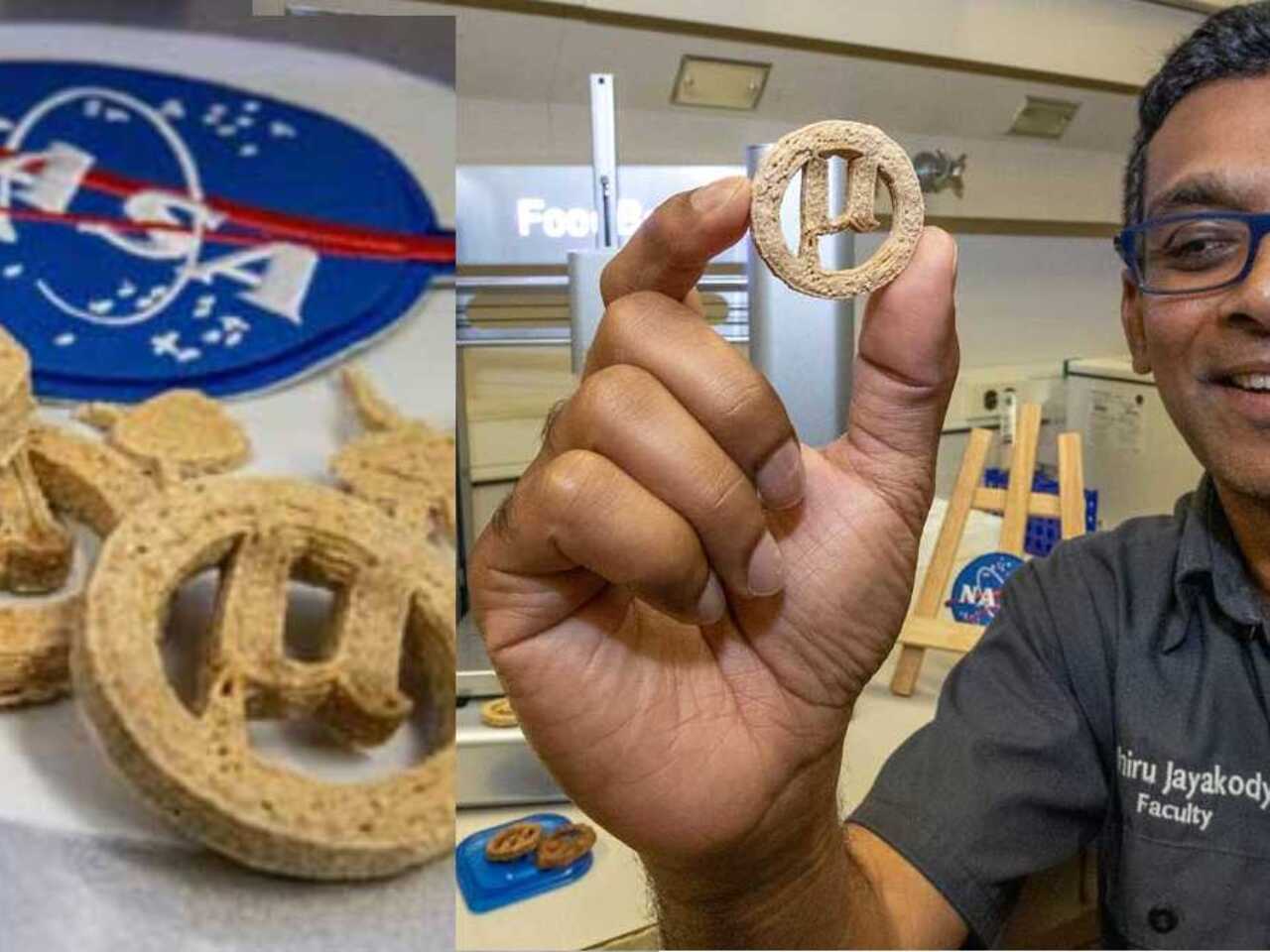












Overview
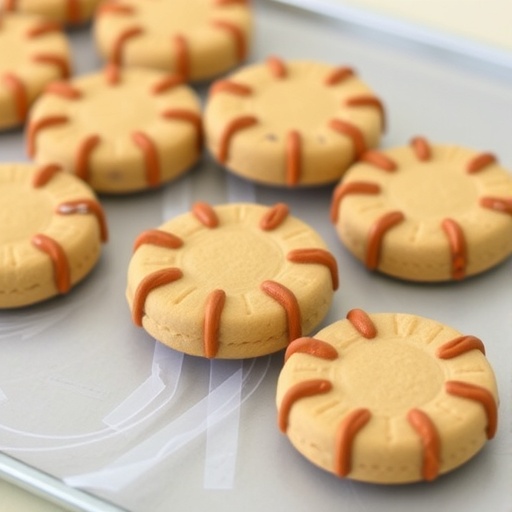
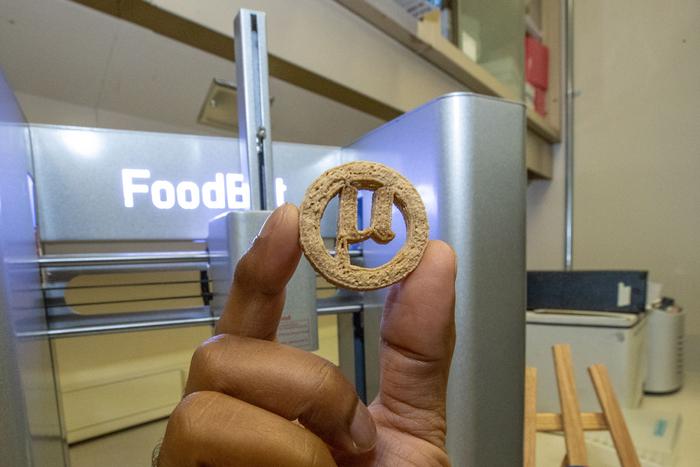
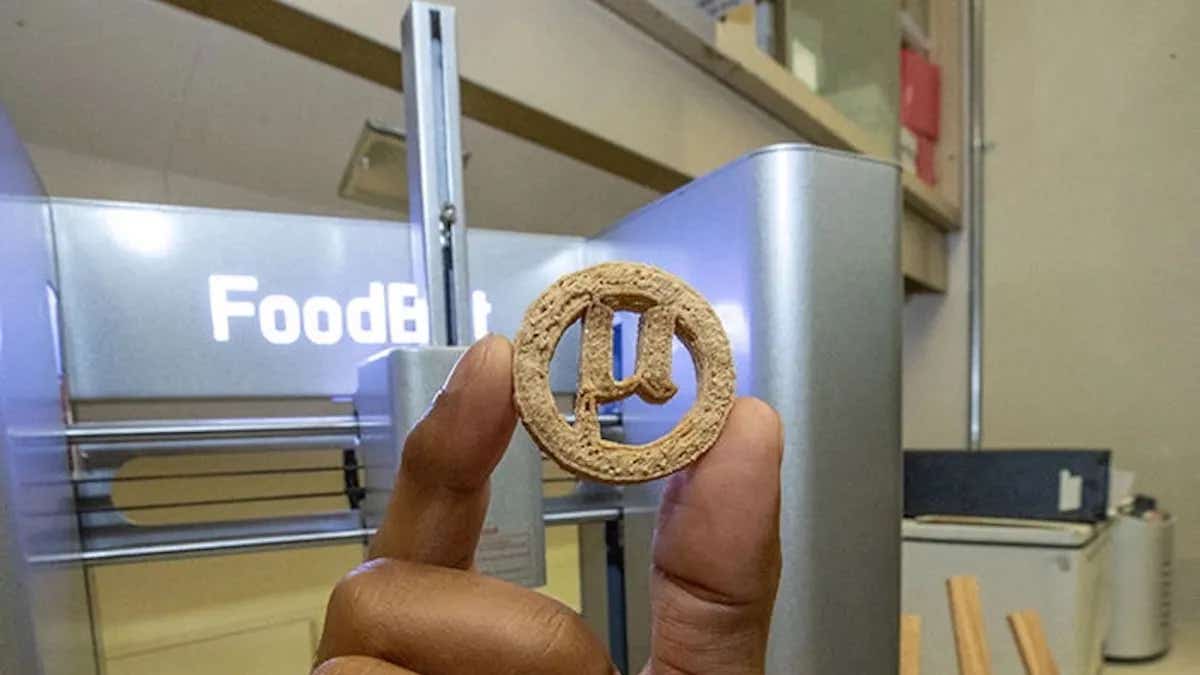
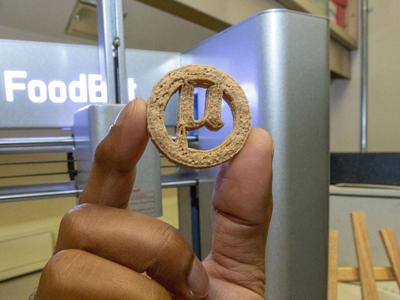
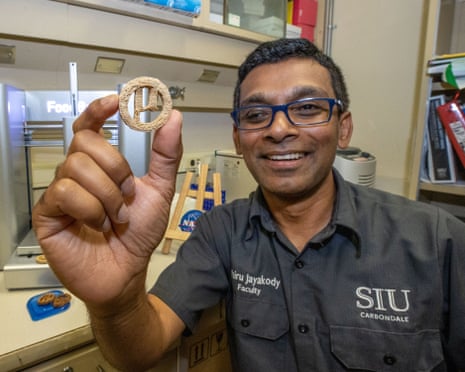
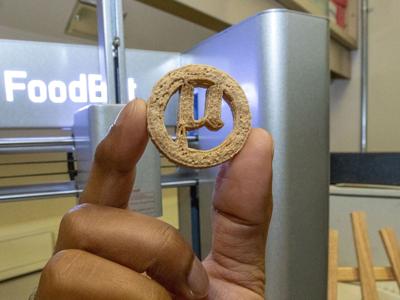
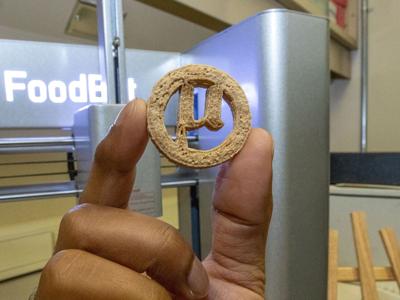
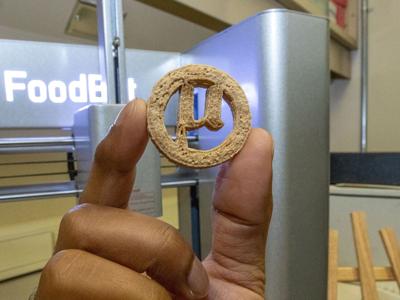
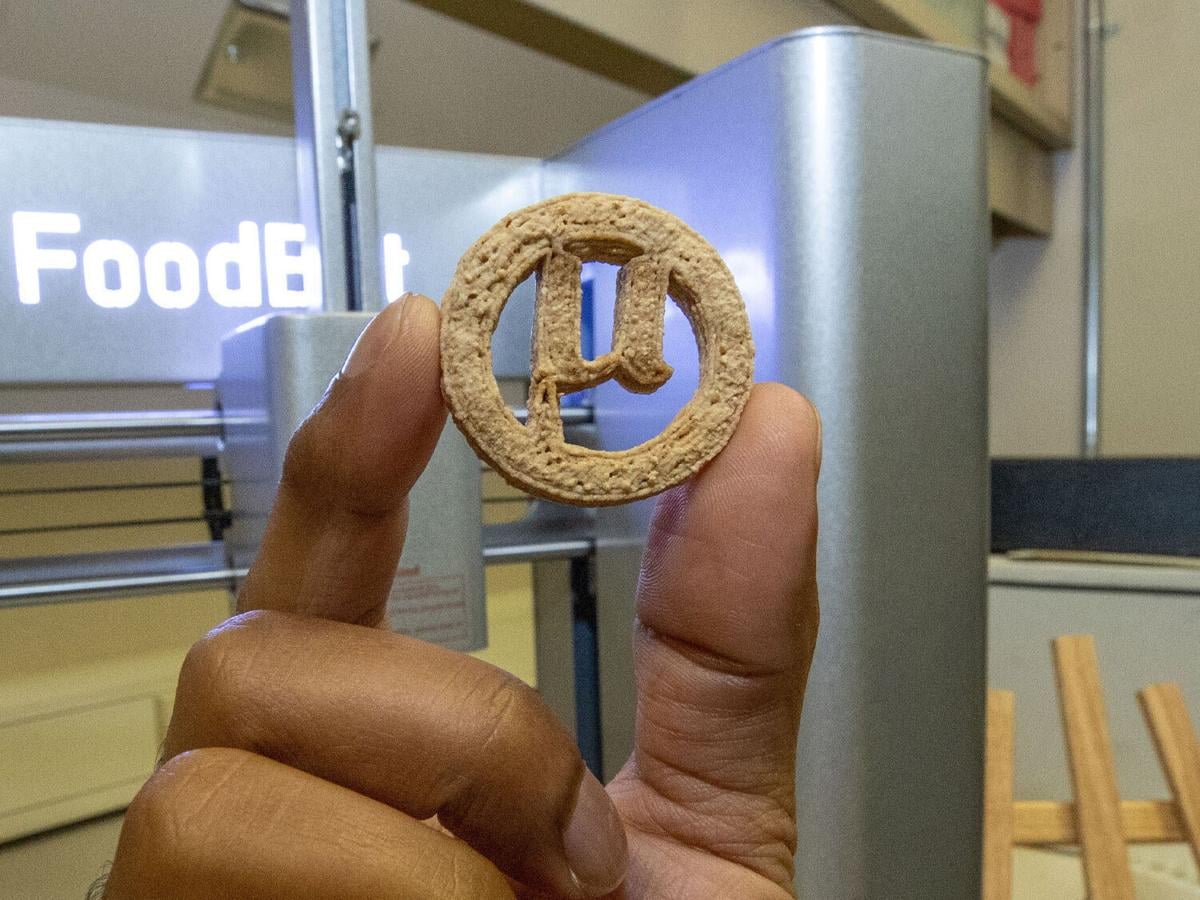
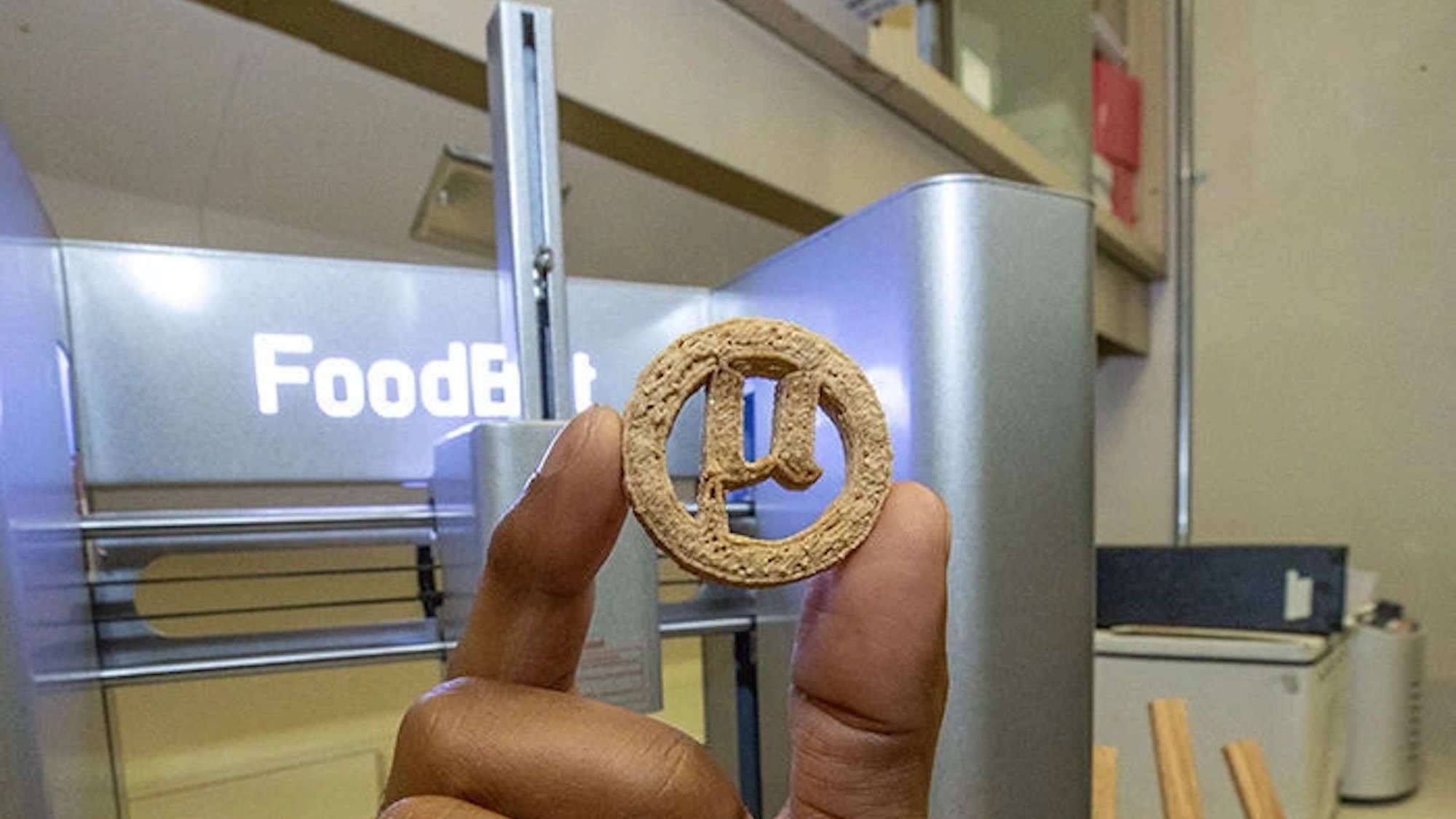
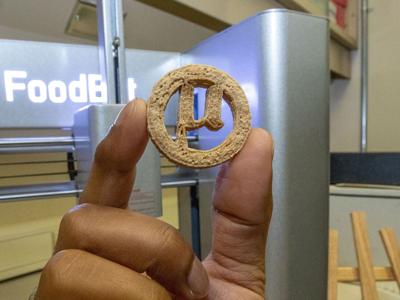
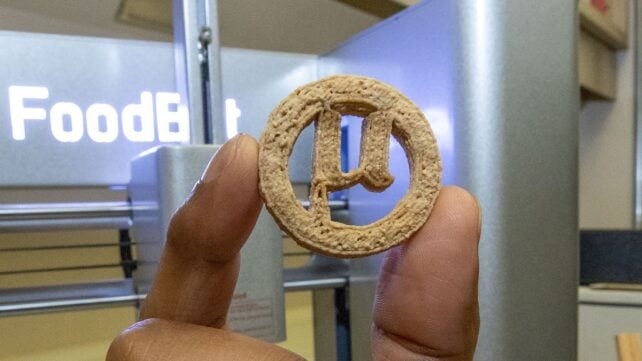
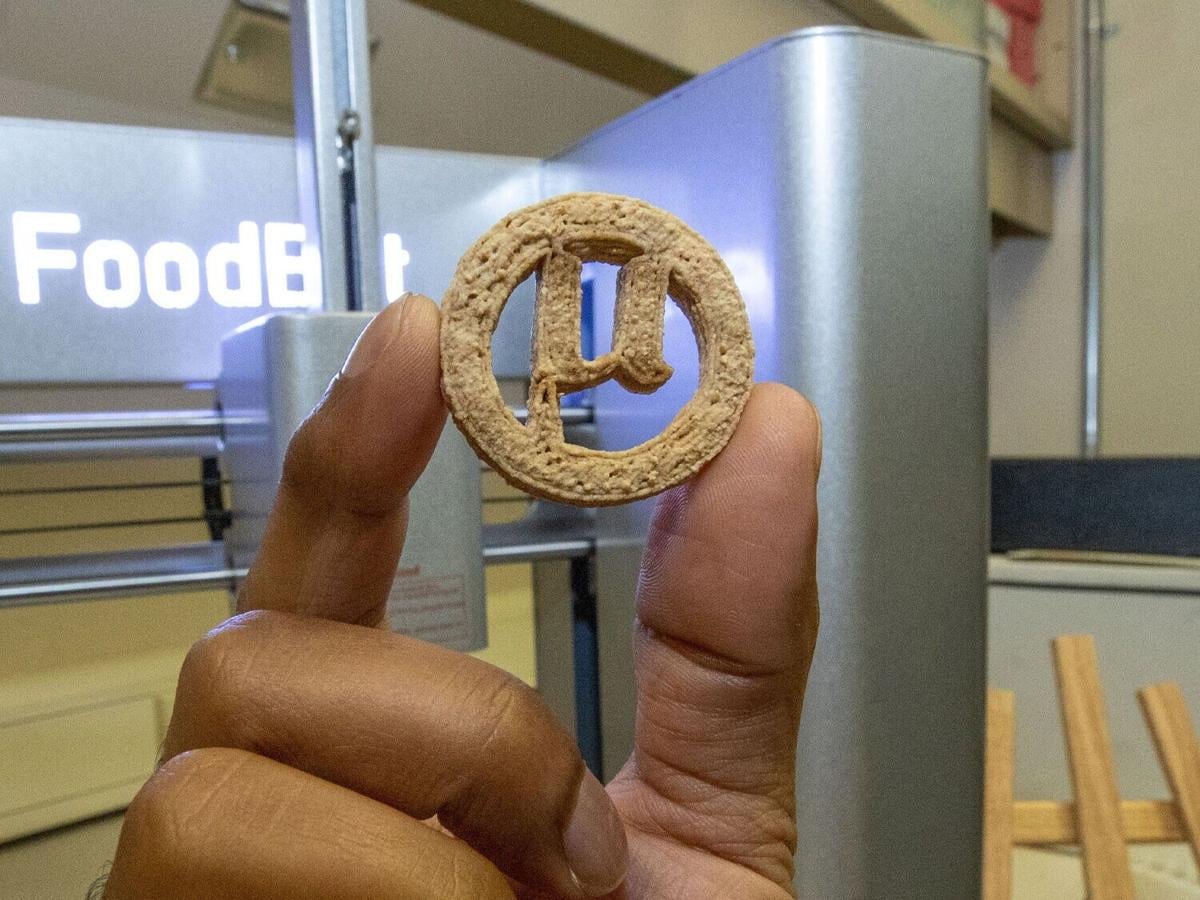
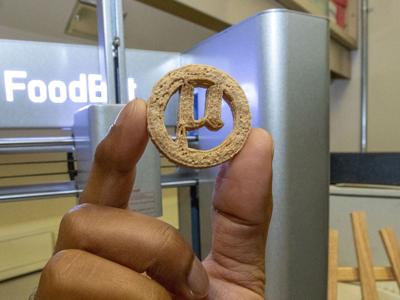
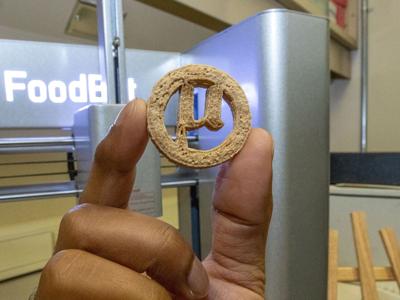
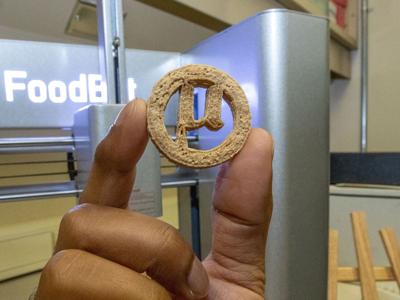
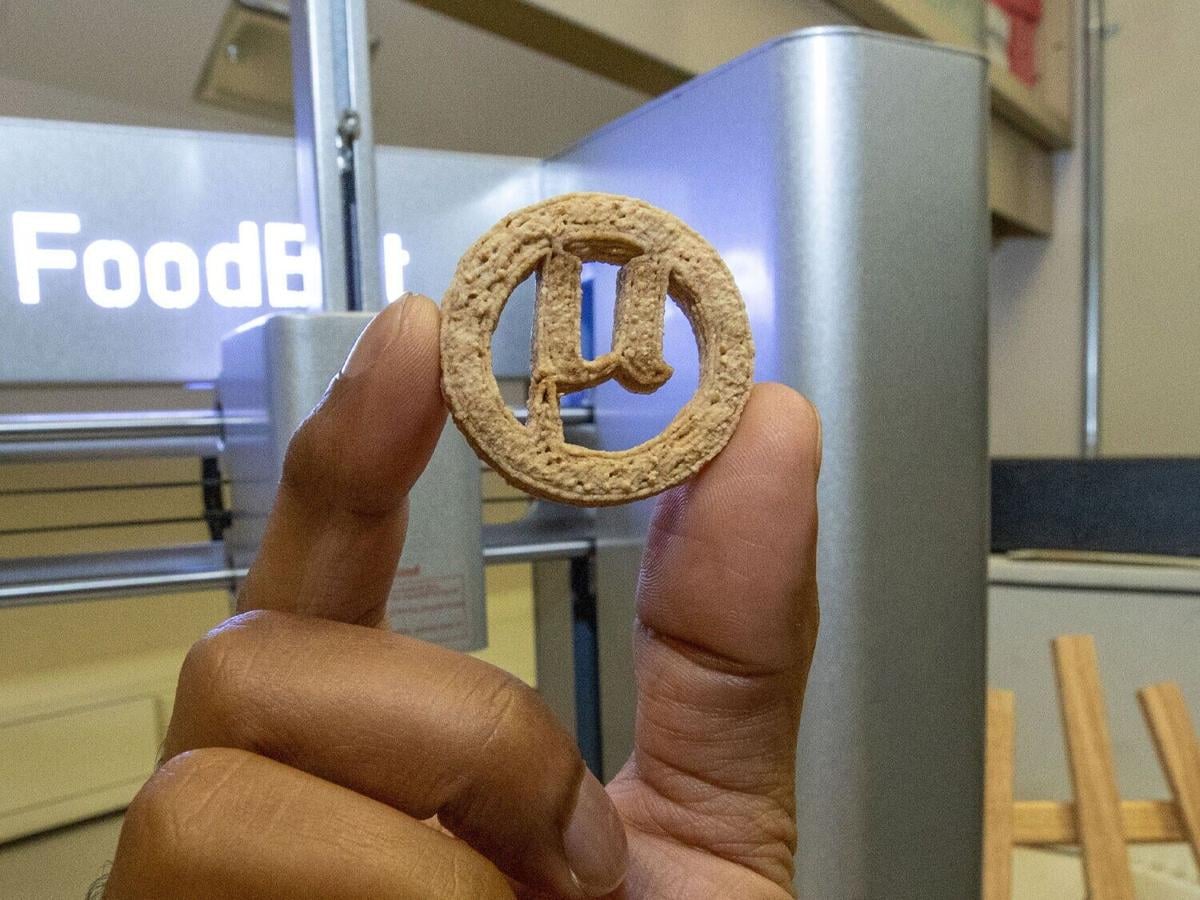
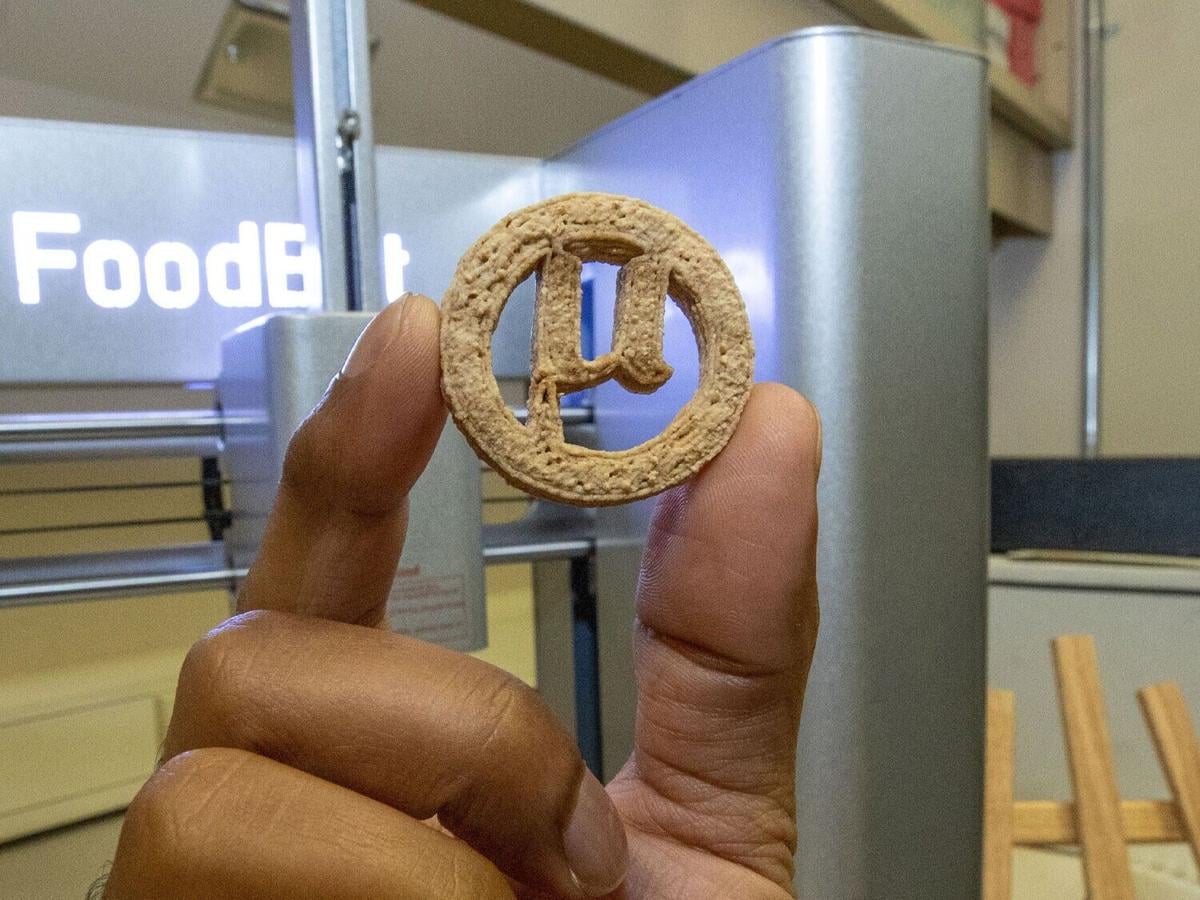
Southern Illinois University researchers have successfully developed 3D-printed cookies from upcycled plastic (PET) using genetically engineered yeasts, marking a breakthrough in sustainable food technology with significant e-commerce implications. Led by Dr. Lahiru Jayakody, the NASA-funded Deep Space Food Challenge project transforms polyethylene terephthalate—commonly found in single-use water bottles—into edible proteins, fats, and flavorings through microbial engineering. Current production costs reach approximately $60 per kilogram, with researchers projecting substantial reductions through scaled manufacturing and improved yeast efficiency.
AI-Powered Opportunity for Sellers: This innovation creates an immediate competitive advantage for sellers willing to adopt AI-driven product research and positioning strategies. E-commerce sellers can leverage AI tools to identify emerging sustainable food categories before mainstream adoption, analyze consumer sentiment around eco-friendly snacking, and predict demand spikes as the technology scales. Specifically, sellers should use AI-powered market analysis tools to monitor patent filings, research institution announcements, and sustainability-focused consumer communities to identify early-stage product opportunities. Dynamic pricing algorithms can help sellers position premium sustainable snacks at optimal price points as consumer acceptance grows.
Market Context and Automation Wins: The research directly addresses global food security challenges—food demand is projected to increase 35-56% by 2050 with approximately 30% of the world population facing hunger risks. This creates a massive addressable market for sustainable, space-efficient food products. Sellers can immediately automate competitive intelligence by setting up AI-powered monitoring systems to track mentions of "upcycled food," "sustainable snacking," and "food tech innovation" across Amazon, Shopify, and specialty food marketplaces. Content automation tools can generate product listings, SEO-optimized descriptions, and marketing copy for emerging sustainable snack categories without manual effort. Sellers should also implement AI-powered customer sentiment analysis to understand acceptance barriers—the research acknowledges that "public acceptance of plastic-derived food products will require significant cultural adjustment"—and craft messaging that addresses consumer hesitation about food derived from recycled materials.
Competitive Intelligence and Data-Driven Positioning: The technology's applications extend beyond space missions to extreme Earth environments (submarines, disaster zones), creating multiple niche markets for sellers to target. AI-powered demand forecasting can help sellers identify which geographic markets and consumer segments will adopt sustainable snacking first, enabling first-mover advantages. Sellers should use predictive analytics to monitor when production costs decline from $60/kg toward commercial viability, signaling optimal entry timing for inventory investment. The 3-5 year timeline to mainstream adoption provides a window for sellers to build brand authority in sustainable snacking before competition intensifies.
Questions 8
What is 3D-printed upcycled plastic food and why should e-commerce sellers care about it?
3D-printed upcycled plastic food represents a breakthrough sustainable snacking category where researchers convert polyethylene terephthalate (PET) from water bottles into edible proteins, fats, and flavorings using genetically engineered yeasts. For e-commerce sellers, this signals an emerging premium food category with strong sustainability positioning. Current production costs are $60/kg with expected reductions through scaling, making it commercially viable within 3-5 years. Sellers should begin monitoring this technology now to establish early-mover advantage in sustainable snacking before mainstream adoption drives competition. AI-powered market research tools can help identify optimal entry timing and target consumer segments most receptive to food tech innovation.
How can sellers use AI to capitalize on emerging food tech trends like upcycled plastic cookies?
Sellers can implement AI-powered competitive intelligence systems to automatically monitor patent filings, research announcements, and consumer sentiment around food tech innovations. Use AI tools like Helium10 Black Box or Semrush to track emerging product categories and identify gaps in sustainable snacking listings on Amazon and Shopify. Implement predictive analytics to forecast when production costs decline from $60/kg to commercial viability, signaling optimal inventory investment timing. Deploy sentiment analysis tools to understand consumer hesitation about plastic-derived foods and craft messaging that addresses acceptance barriers. Content automation platforms can generate SEO-optimized product listings and marketing copy for emerging categories without manual effort, saving 10-15 hours weekly per product line.