
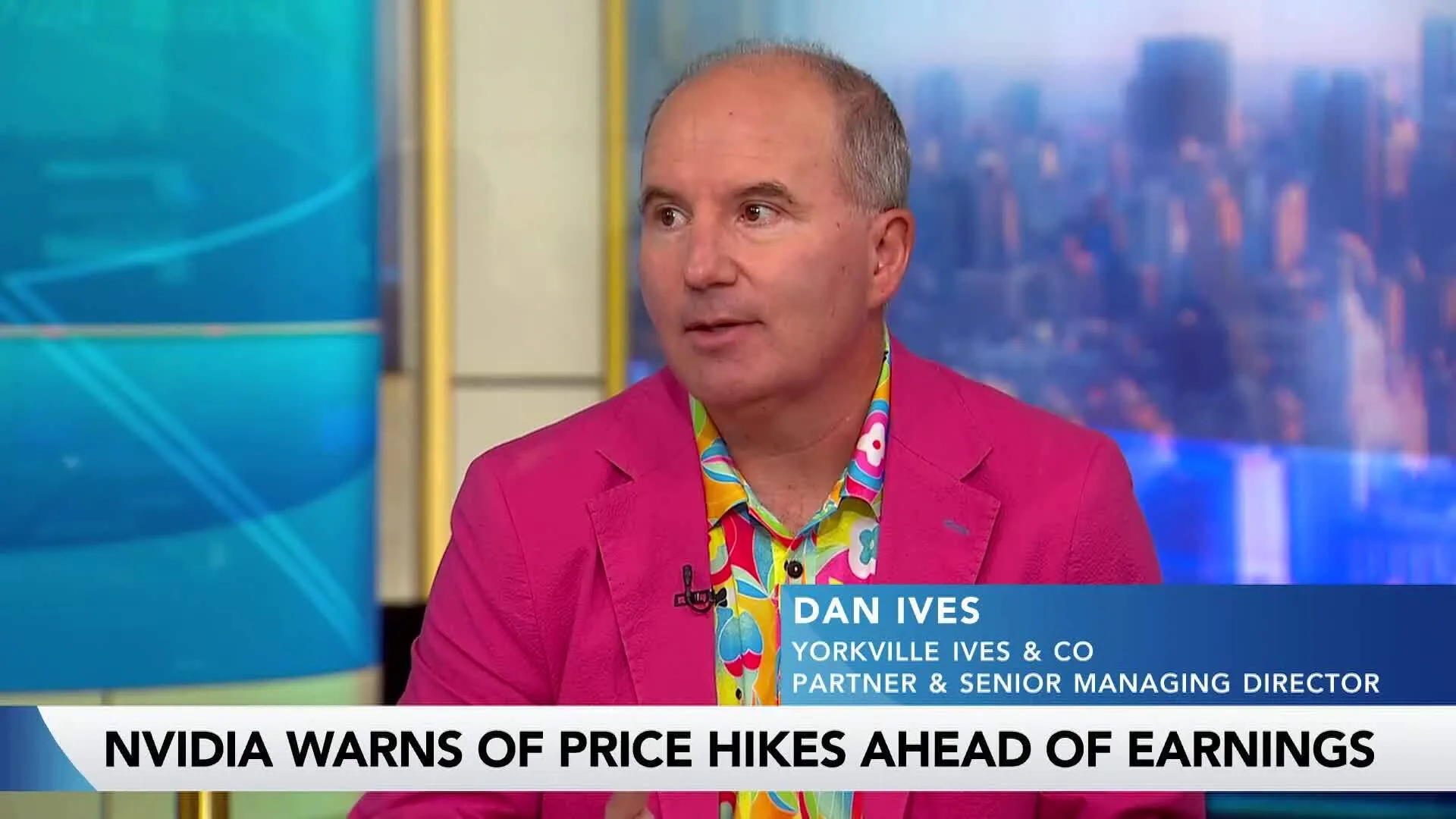


AI Infrastructure Cost Surge Reshapes E-Commerce Tech Stack | 15% Server Price Hike Drives Seller Automation Urgency
- Nvidia's 15% AI server price increase (early 2027) signals 18-24 month window for sellers to lock in AI automation tools before costs escalate; memory supercycle through mid-2028 creates urgency for data-driven sellers to adopt predictive pricing, inventory optimization, and customer service automation NOW


Overview
Nvidia's 15% AI server price hike beginning early 2027 represents a critical inflection point for e-commerce sellers relying on cloud-based AI tools. The price increase reflects a 15:1 demand-to-supply ratio for AI infrastructure, with memory components (HBM4, SOCAMM2, PCIe Gen6) representing significant cost drivers. Micron Technology's quarterly revenue of $41.46 billion (up from $9.3 billion YoY) and 84.9% non-GAAP gross margin demonstrate how supply constraints are cascading through the ecosystem. Critically, TrendForce data shows that Micron, Samsung, and SK Hynix allocations will cover only 60% of Nvidia's 2027 LPDRAM requirements, forcing Nvidia to reduce SOCAMM capacity by half. This supply-demand imbalance is expected to persist until mid-to-late 2028.
For e-commerce sellers, this creates an immediate automation opportunity window. AI-powered tools for product research, dynamic pricing, inventory optimization, and customer service automation currently operate on cloud infrastructure that will become 15-20% more expensive within 18 months. Sellers using AI tools like ChatGPT API, Midjourney, or custom ML models for demand forecasting should expect their cloud computing costs to rise $200-500/month per 1,000 SKUs by Q1 2027. This cost escalation incentivizes sellers to adopt on-premise or edge-computing solutions NOW, or lock in multi-year cloud contracts before price increases take effect. The memory supercycle also signals that AI-powered competitive advantages (predictive analytics, dynamic pricing, sentiment analysis) will become increasingly expensive to maintain, creating a "first-mover advantage" for sellers who automate TODAY.
The strategic implication is clear: sellers must accelerate AI adoption before infrastructure costs rise. Hyperscalers (Amazon, Google, Meta) cannot reduce AI investment as demand accelerates, ensuring continued pressure on memory suppliers and elevated pricing through 2028. This creates a 12-18 month window where sellers can implement AI automation at current cost levels, then benefit from competitive moats as late-adopters face higher infrastructure costs. Sellers in high-margin categories (electronics, beauty, luxury goods) should prioritize AI-driven personalization and dynamic pricing, as these tools will become 15-25% more expensive to operate by 2027. Additionally, the shift in pricing power downstream through the supply chain suggests that sellers relying on cloud-based fulfillment optimization and logistics AI should negotiate multi-year contracts with 3PL providers NOW, before infrastructure cost increases force price hikes on fulfillment services.
Questions 7
How will Nvidia's 15% server price increase affect my e-commerce business by 2027?
Nvidia's price increase on Vera Rubin and Grace Blackwell server systems (deliveries beginning early 2027) will cascade to cloud service providers like AWS, Google Cloud, and Azure, increasing AI tool costs by 12-18% for sellers using predictive analytics, dynamic pricing, or chatbot automation. If you currently spend $500/month on cloud-based AI tools, expect costs to rise to $560-590/month by Q2 2027. The memory supercycle is expected to persist until mid-to-late 2028, meaning prices will remain elevated for 18+ months. Sellers should lock in multi-year cloud contracts NOW at current rates to avoid future increases.
Should I negotiate multi-year cloud contracts now to lock in current pricing?
Yes. With Micron, Samsung, and SK Hynix allocations covering only 60% of Nvidia's 2027 LPDRAM requirements, cloud providers will face margin pressure and will likely increase prices by Q1-Q2 2027. Negotiating 2-3 year contracts with AWS, Google Cloud, or Azure NOW at current rates protects your automation costs through 2028-2029. For sellers spending $1,000-5,000/month on cloud services, a multi-year contract can save $3,000-15,000 over 36 months compared to month-to-month pricing. Contact your cloud provider's enterprise sales team immediately to discuss volume discounts and multi-year pricing before the memory supercycle drives rates higher.