



US-Canada Trade War: 50% Tariffs Impact $20-28B Goods | Seller Pricing Crisis
- 50% tariffs on dairy, wood, furniture, steel, auto parts effective immediately; Canadian dollar drops 0.7%; sellers face 8-15% margin compression across affected categories


























Overview
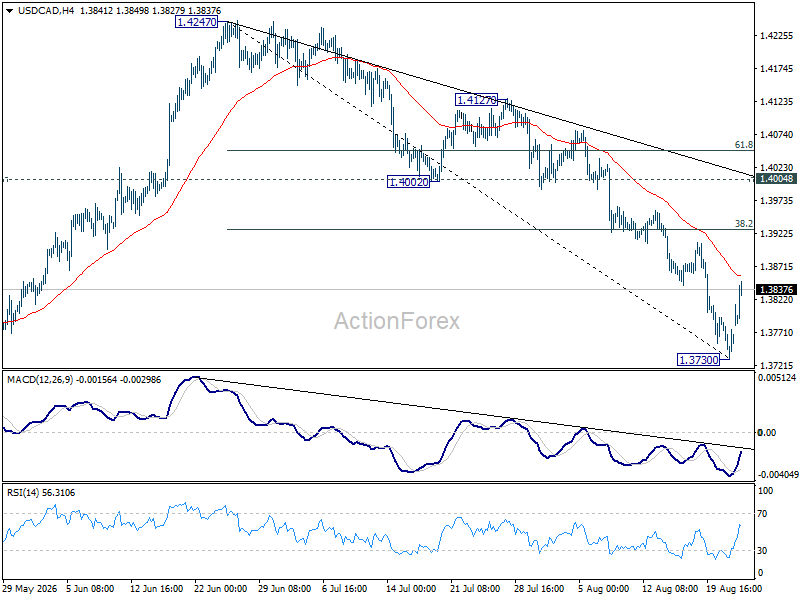
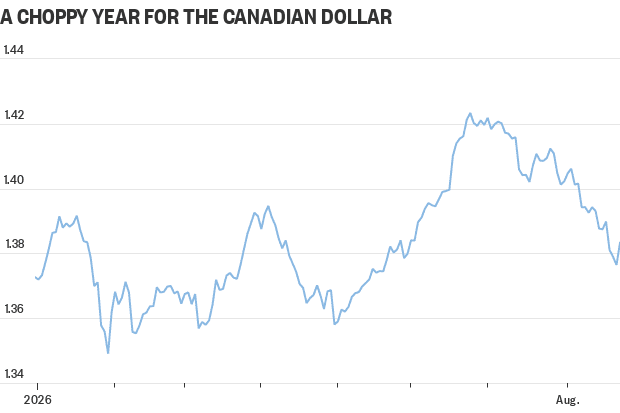
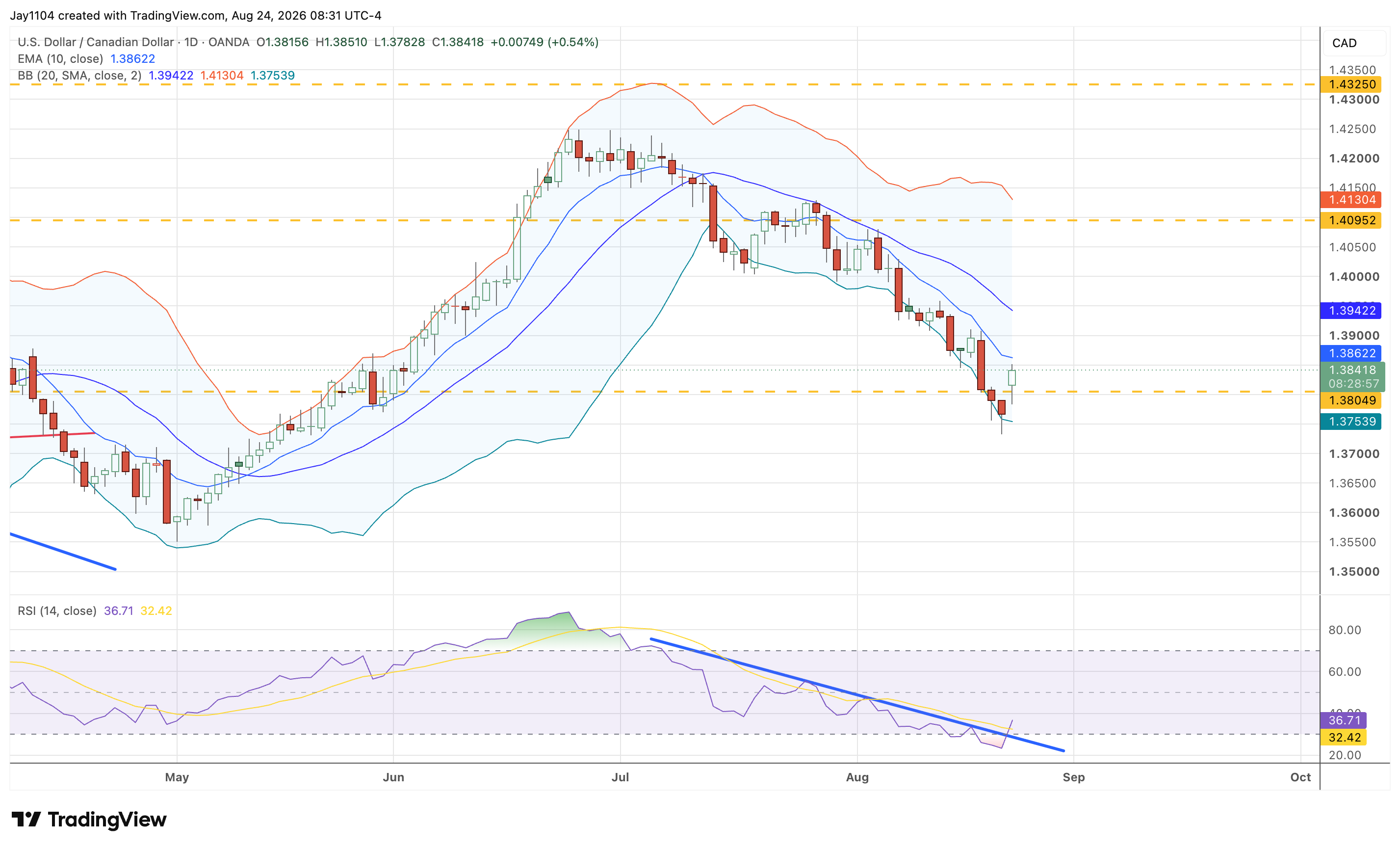
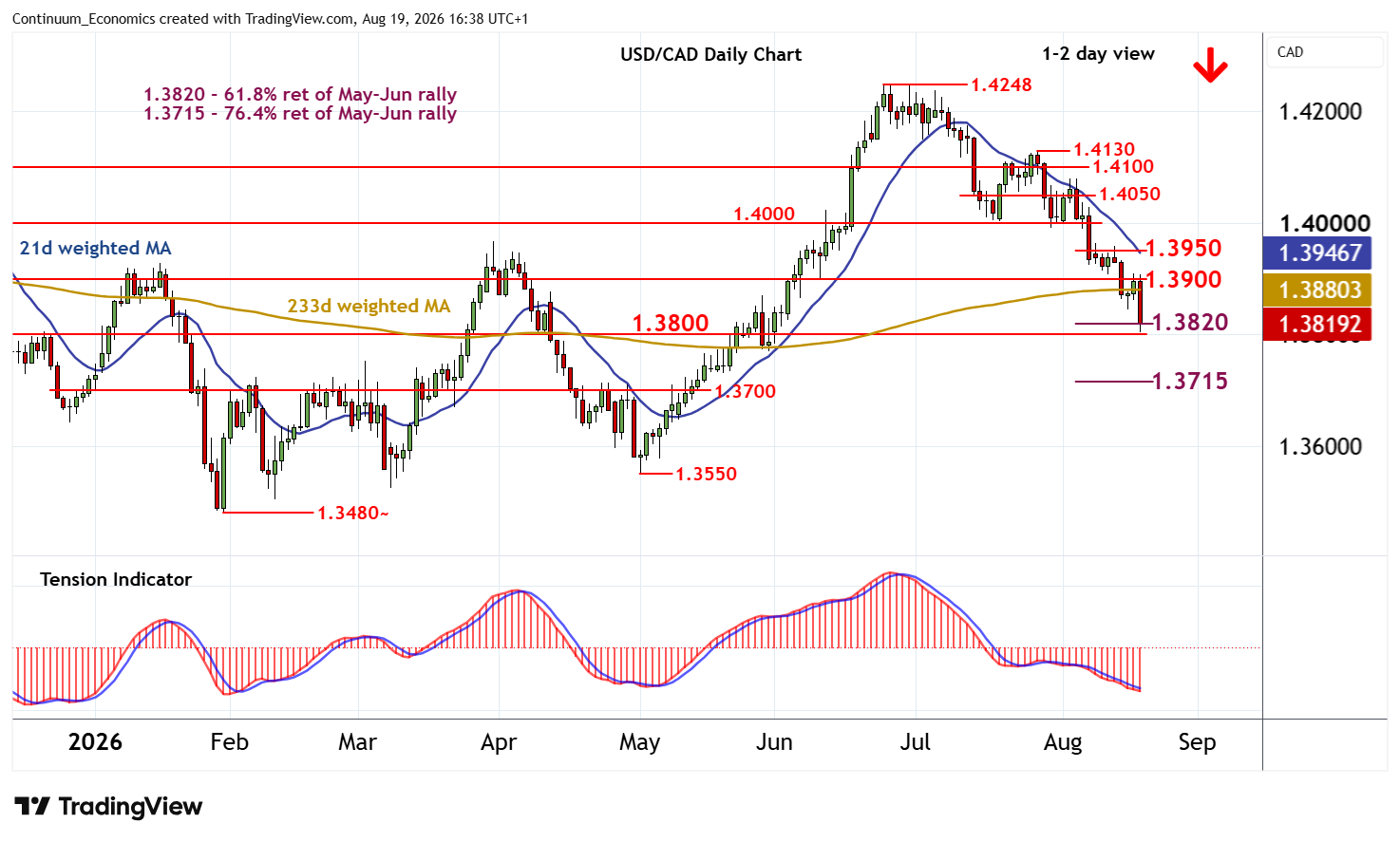
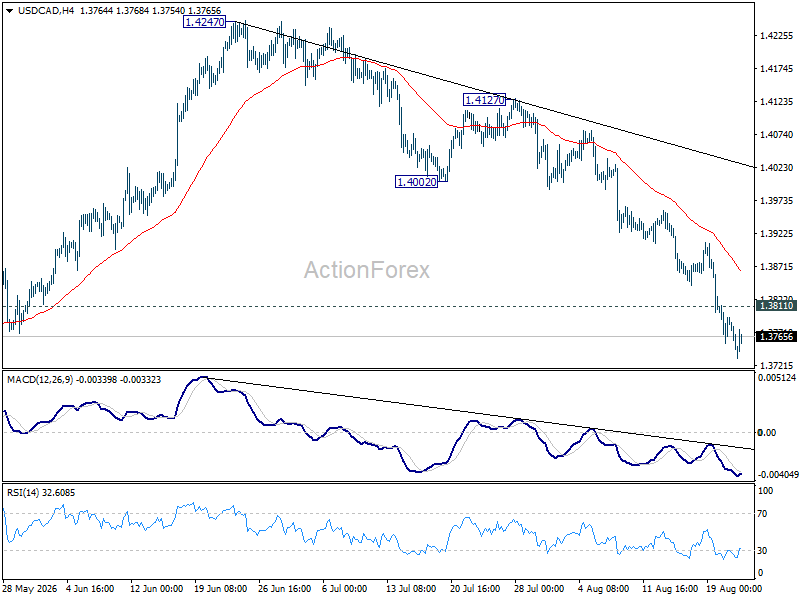
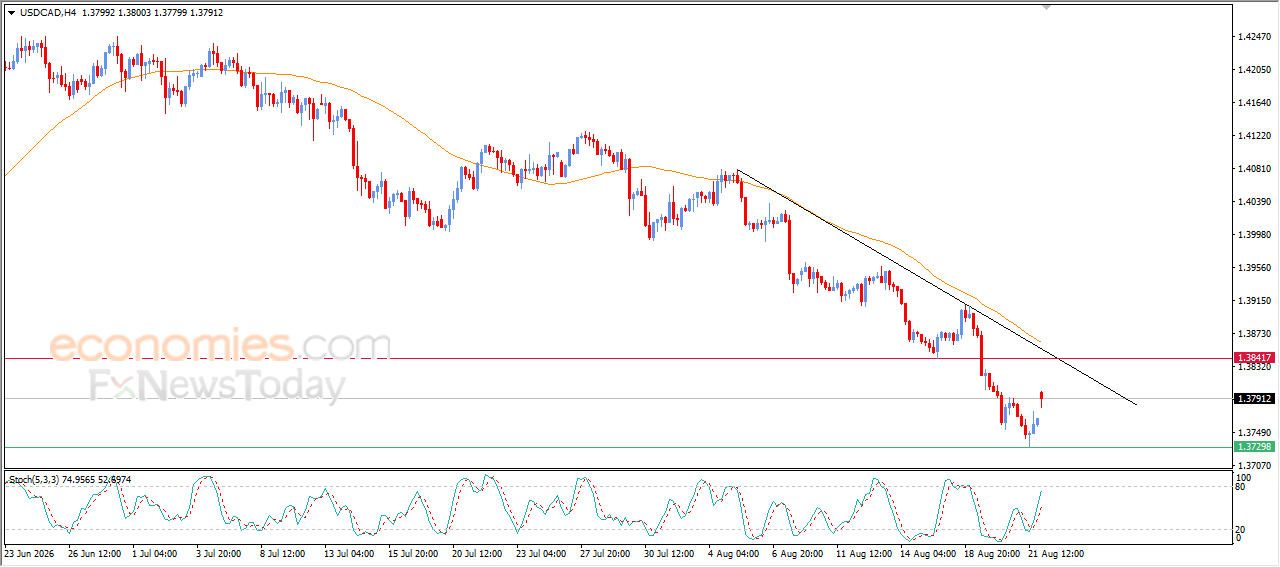
The US-Canada trade war escalation represents a critical pricing and sourcing crisis for cross-border e-commerce sellers. On August 24, 2026, the US imposed 50% tariffs on approximately $20-28 billion of Canadian imports including dairy, wine, wood products, furniture, cement, ceramics, steel, and auto parts, while Canada announced retaliatory tariffs effective September 8 targeting steel, dairy, agricultural equipment, paper, and electronics. The Canadian dollar depreciated 0.7% to C$1.3851 against the US dollar, marking its largest daily decline in over two months, while 10-year bond yields fell 9 basis points to 3.68%, signaling investor flight-to-safety behavior.
For cross-border e-commerce sellers, this creates immediate operational challenges across three dimensions. First, tariff cost impact: The 50% duty rate on $28 billion in goods directly increases landed costs for US-bound shipments. Sellers in furniture, wood products, and auto parts categories face 8-15% margin compression unless they raise prices, risking Buy Box loss and conversion rate decline. A $100 furniture item with 40% COGS now carries an additional $50 tariff cost, requiring price increases from $199 to $249+ to maintain margins—a 25% retail price jump that typically reduces conversion by 15-20% based on historical elasticity data. Second, currency volatility: The loonie's 0.7% depreciation makes US imports more expensive for Canadian sellers while theoretically improving export competitiveness, but tariff costs completely offset this advantage. Canadian sellers importing US components now face 0.7% currency headwinds plus 50% tariffs, creating a compounding cost crisis. Third, supply chain uncertainty: Trump's threatened additional tariffs on vehicles and auto parts create planning paralysis. Sellers cannot confidently lock in pricing or inventory levels through September 8 when Canadian retaliatory tariffs take effect.
The affected product categories represent significant e-commerce volume. Furniture and home goods (wood products, ceramics) generate approximately $2-3B in annual US-Canada cross-border trade. Auto parts and accessories represent another $1.5-2B corridor. Dairy and food products, while smaller in e-commerce volume, affect specialty food sellers on Amazon Fresh and Walmart Marketplace. The tariff structure creates immediate arbitrage opportunities for sellers willing to shift sourcing: products currently sourced from Canada can be re-sourced from Mexico (USMCA-compliant, 0% tariffs), Vietnam, or India at comparable or lower total landed costs. However, this requires 4-8 week lead time changes and minimum order quantity negotiations. Sellers with existing Canadian supplier relationships face a critical decision window: renegotiate pricing immediately (suppliers will resist absorbing 50% tariffs) or execute sourcing transitions before September 8 retaliatory tariffs create additional complexity. Capital Economics estimates extending 50% tariffs to one-fifth of Canada's US exports could reduce Canadian GDP by 2% and trigger recession, which will depress consumer spending and reduce demand for discretionary categories like furniture, electronics, and auto accessories by 10-15% through Q4 2026.
Questions 8
How does the Canadian dollar depreciation affect my cross-border pricing strategy?
The loonie's 0.7% depreciation to C$1.3851 creates a dual impact. For Canadian sellers exporting to the US, currency weakness theoretically improves competitiveness (your CAD prices convert to lower USD), but 50% tariffs completely offset this advantage—you lose the currency benefit and gain tariff costs. For US sellers importing Canadian goods, the weaker loonie makes Canadian sourcing more expensive in USD terms. The real opportunity: Canadian sellers should NOT rely on currency depreciation to offset tariffs. Instead, immediately shift pricing models to reflect tariff costs, not currency moves. Monitor the loonie's trajectory through September 8; if it weakens further to C$1.40+, tariff impacts worsen. Consider currency hedging for Q4 2026 inventory commitments to lock in exchange rates and reduce pricing uncertainty.
What happens to consumer demand in Canada if tariffs trigger recession?
Capital Economics estimates extending 50% tariffs to one-fifth of Canada's US exports could reduce Canadian GDP by 2% and trigger recession. This directly impacts e-commerce demand: discretionary categories like furniture, electronics, and auto accessories typically see 10-15% demand decline during recessions. Canadian consumer spending will contract as job losses reach 90,000 (per economic estimates) and business investment freezes. For sellers targeting Canadian consumers, expect 12-18% revenue decline through Q4 2026 in discretionary categories. Shift inventory focus to essential categories (home improvement, automotive maintenance) and reduce price points to capture budget-conscious consumers. Monitor Canadian unemployment and consumer confidence indices weekly; if recession indicators strengthen, accelerate inventory liquidation and reduce Q4 2026 purchase orders by 20-30%.