

/Amazon%20box%20delivery%20by%20Tumisu%20via%20Pixabay.jpg)

Amazon Prime Air Reaches 500 US Cities | New Ultra-Fast Delivery Category for Lightweight Products
- Drone delivery expanding to 500 US cities by year-end at $2.99/delivery; creates urgent opportunity for sellers of sub-5lb items including electronics, musical instruments, beauty products, and specialty goods
Overview
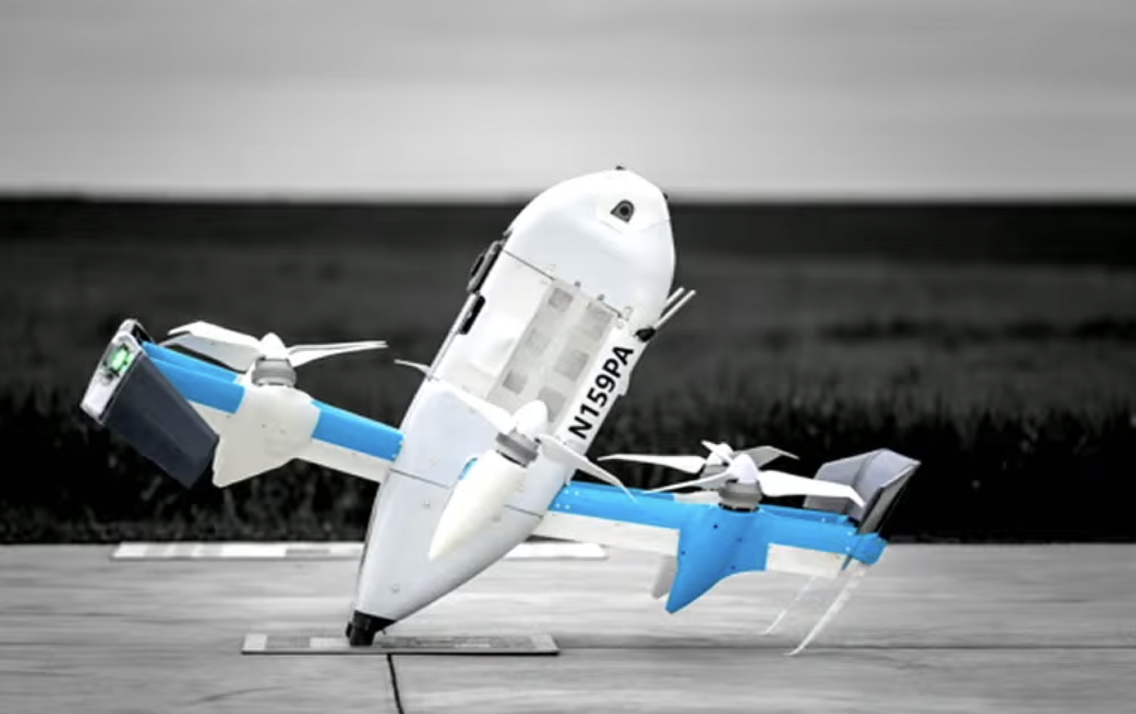
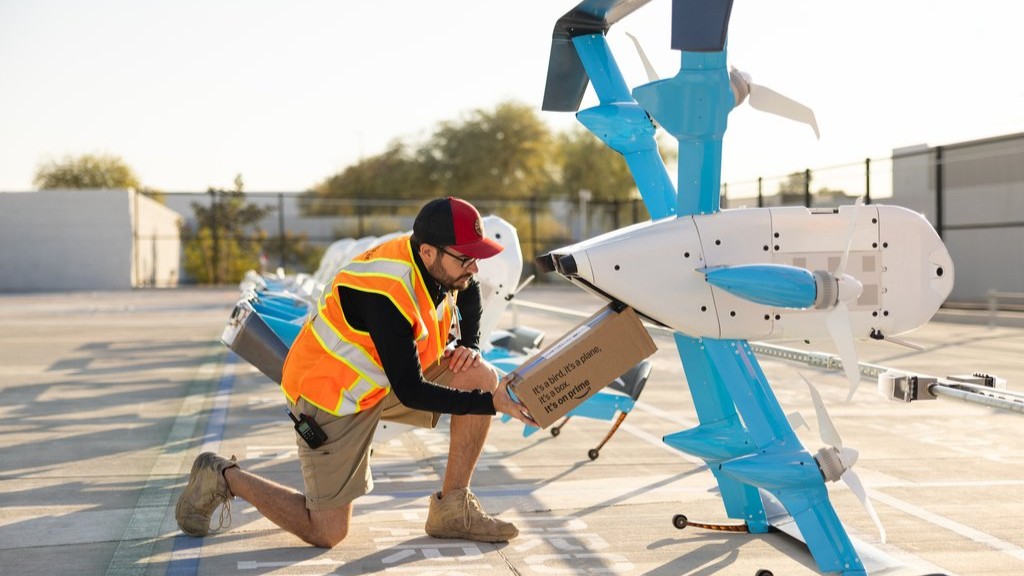
Amazon's Prime Air drone delivery service represents a fundamental shift in last-mile logistics that directly impacts seller strategy and product positioning. The service is expanding to 500 US cities by year-end 2025, charging $2.99 per delivery for items under five pounds that fit within the drone's cargo box. Early Phoenix-area adopters have completed over a dozen deliveries since December 2024, with one-hour delivery windows and 35-second noise profiles during final descent. This creates an immediate product category opportunity for sellers: lightweight, high-value items that benefit from ultra-fast delivery are now viable on Amazon with a new fulfillment method that complements rather than replaces traditional FBA.
Platform-Specific Seller Implications: The drone delivery infrastructure fundamentally changes the competitive dynamics for sub-5lb categories. Sellers offering musical instrument reeds, phone accessories, small electronics, beauty samples, specialty food items, and time-sensitive products now have a differentiation advantage—they can advertise "Prime Air eligible" status, which signals same-day or next-hour delivery capability. This creates a new product tier between standard Prime (2-day) and same-day delivery. Amazon's cross-training of warehouse employees suggests the company is preparing for significant operational scaling, meaning drone-eligible inventory will become a priority fulfillment method. Sellers should expect Amazon to incentivize drone-compatible products through improved placement and promotional visibility.
Category Opportunities & Regional Demand: The $2.99 delivery fee makes economic sense only for higher-margin items or time-sensitive purchases. High-opportunity categories include: (1) Musical instruments/accessories (explicitly mentioned as high-satisfaction use case), (2) Phone/tech accessories ($15-50 price point), (3) Beauty/cosmetics samples and travel sizes, (4) Specialty food/supplements, (5) Hobby/craft supplies, (6) Small electronics/gadgets. Phoenix's early adoption signals strong demand in Sun Belt metropolitan areas with favorable weather and suburban density. Sellers in these regions can test drone-optimized product listings immediately. The service complements rather than replaces traditional delivery, meaning sellers should maintain FBA inventory but strategically position lightweight, high-margin SKUs for drone fulfillment. Early movers in drone-optimized packaging and product selection will capture Buy Box advantage as Amazon's algorithm learns which products drive highest drone delivery adoption rates.
Questions 7
How does Prime Air drone delivery affect FBA seller strategy?
Prime Air complements rather than replaces traditional FBA delivery, as most orders exceed the five-pound weight limit. Sellers should maintain standard FBA inventory while strategically positioning lightweight, high-margin products for drone fulfillment. Amazon is cross-training warehouse employees to transition to different roles, indicating significant operational scaling. Sellers can expect Amazon to incentivize drone-compatible products through improved placement and promotional visibility. Early movers who optimize packaging and product selection for drone delivery will gain competitive advantage in their categories, particularly in metropolitan areas like Phoenix where the service is already operational.
What are the geographic priorities for sellers launching drone-optimized products?
Phoenix, Arizona is the primary early-adoption market where users have completed over a dozen deliveries since December 2024, with one-hour delivery windows. The service will expand to 500 US cities by year-end 2025, suggesting Sun Belt metropolitan areas with favorable weather and suburban density are priority markets. Sellers should test drone-optimized product listings and inventory positioning in these regions first, then scale to secondary markets as the service expands. Regional demand signals indicate strong consumer acceptance of the $2.99 delivery fee for time-sensitive, lightweight items, making early geographic targeting critical for market share capture.