

Xiaomi's Xring O3 Chip Launch Reshapes Smartphone Supply Chain | Sellers Must Adapt to Proprietary Device Ecosystem
- Xiaomi targets 200K-300K foldable units with proprietary chip; challenges Huawei's 68% market share; impacts parts sourcing, pricing, and warranty strategies for 50K+ cross-border sellers














Overview
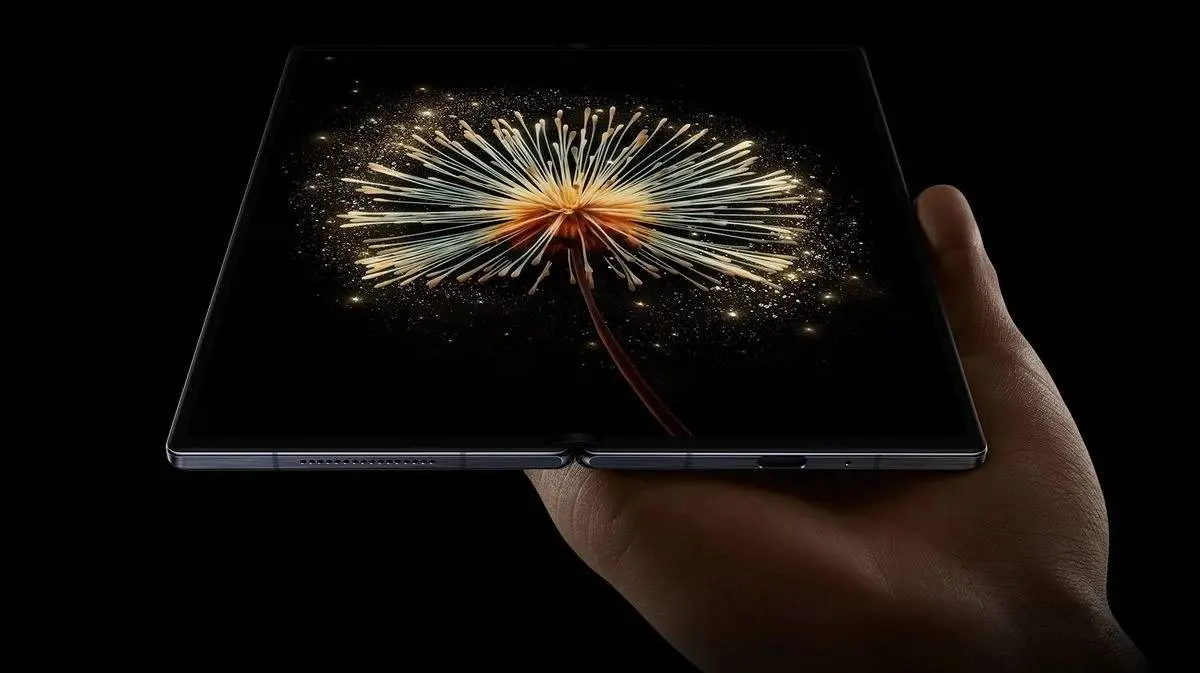
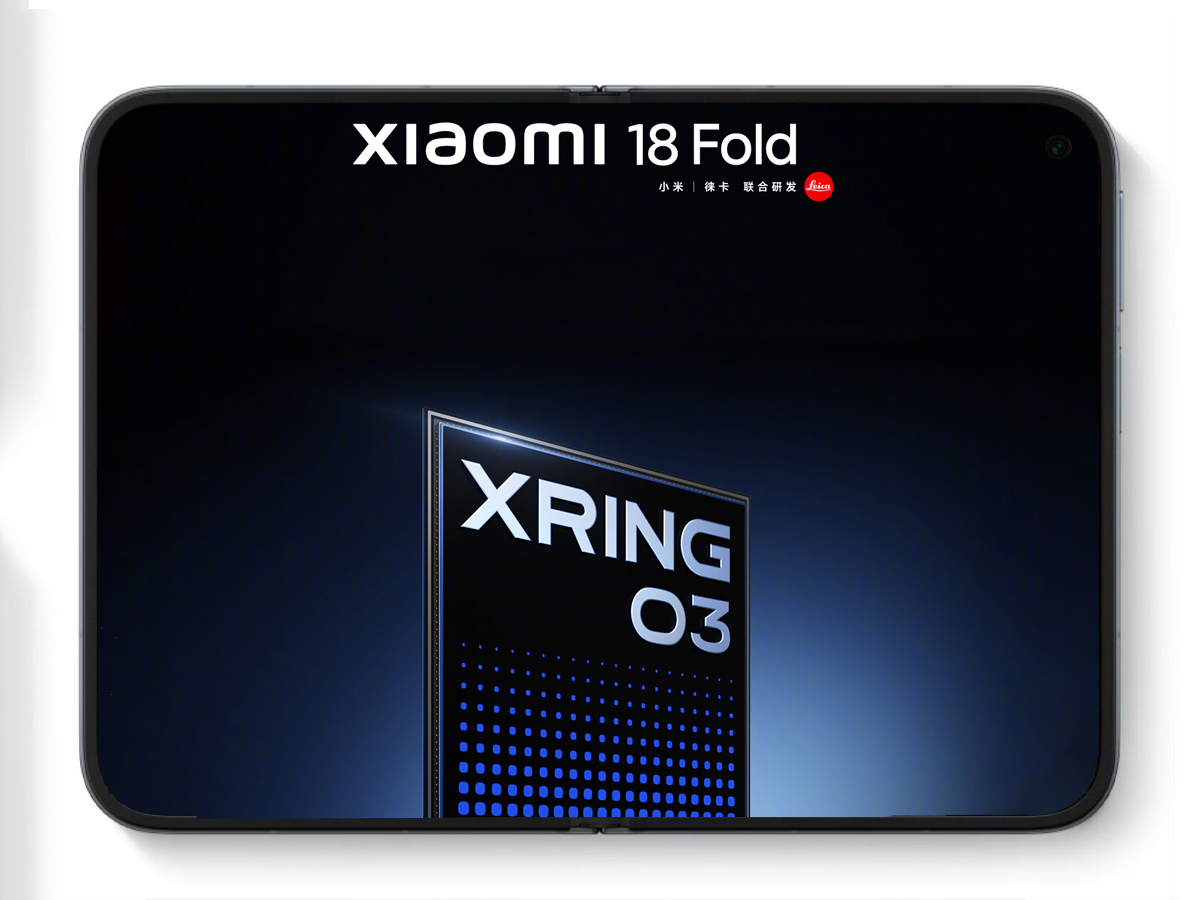
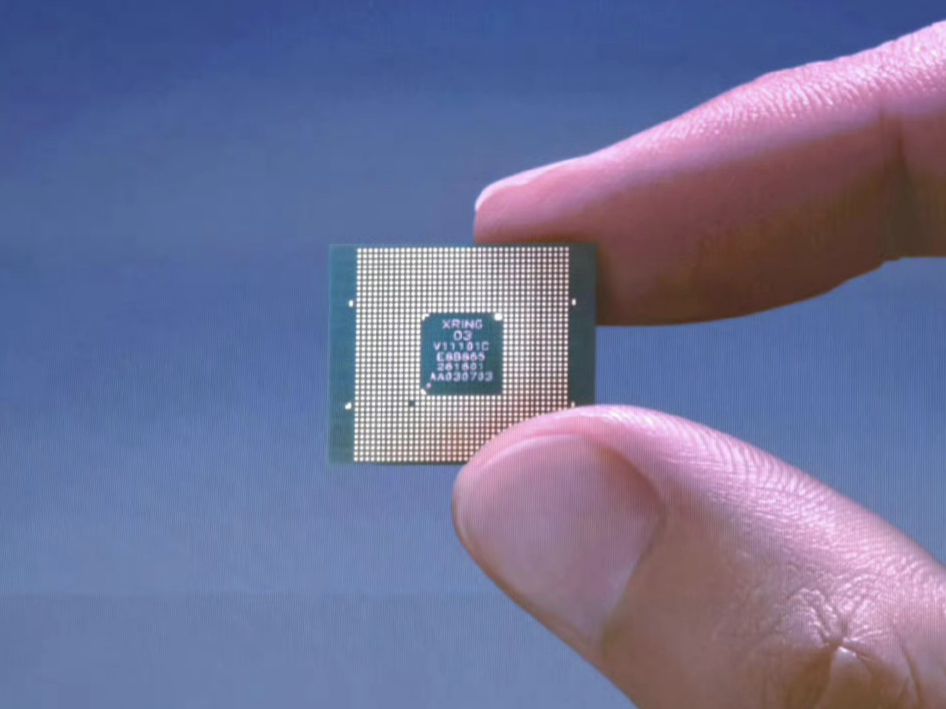
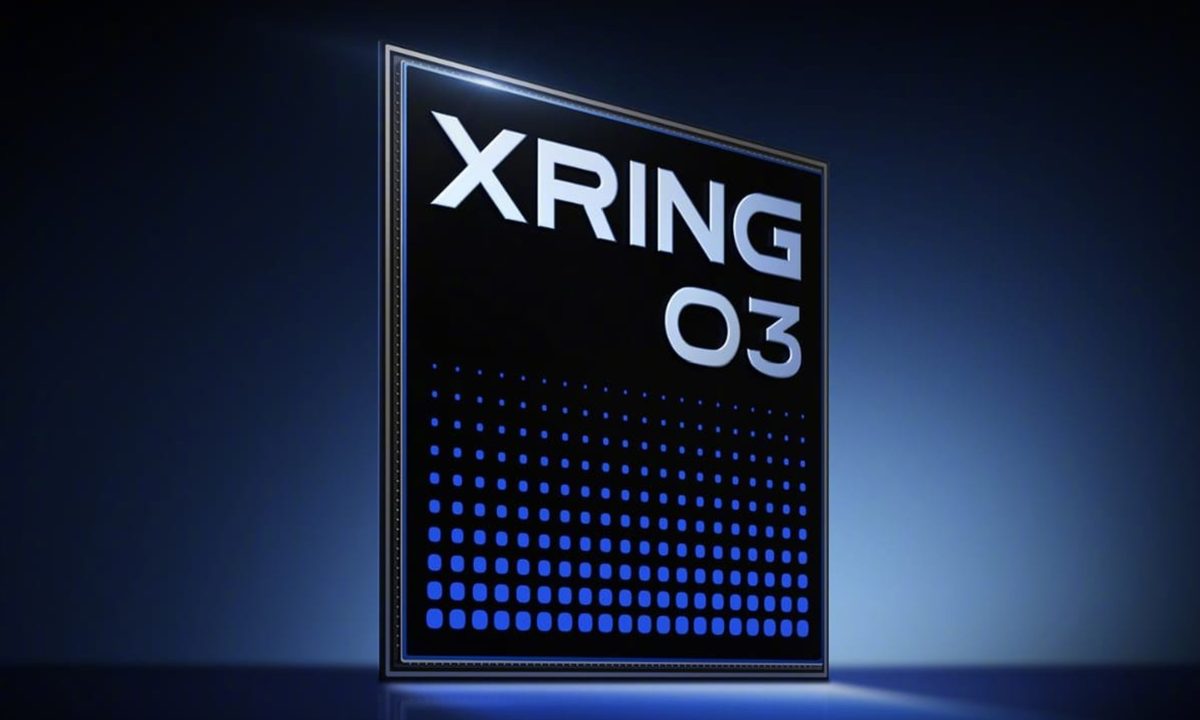
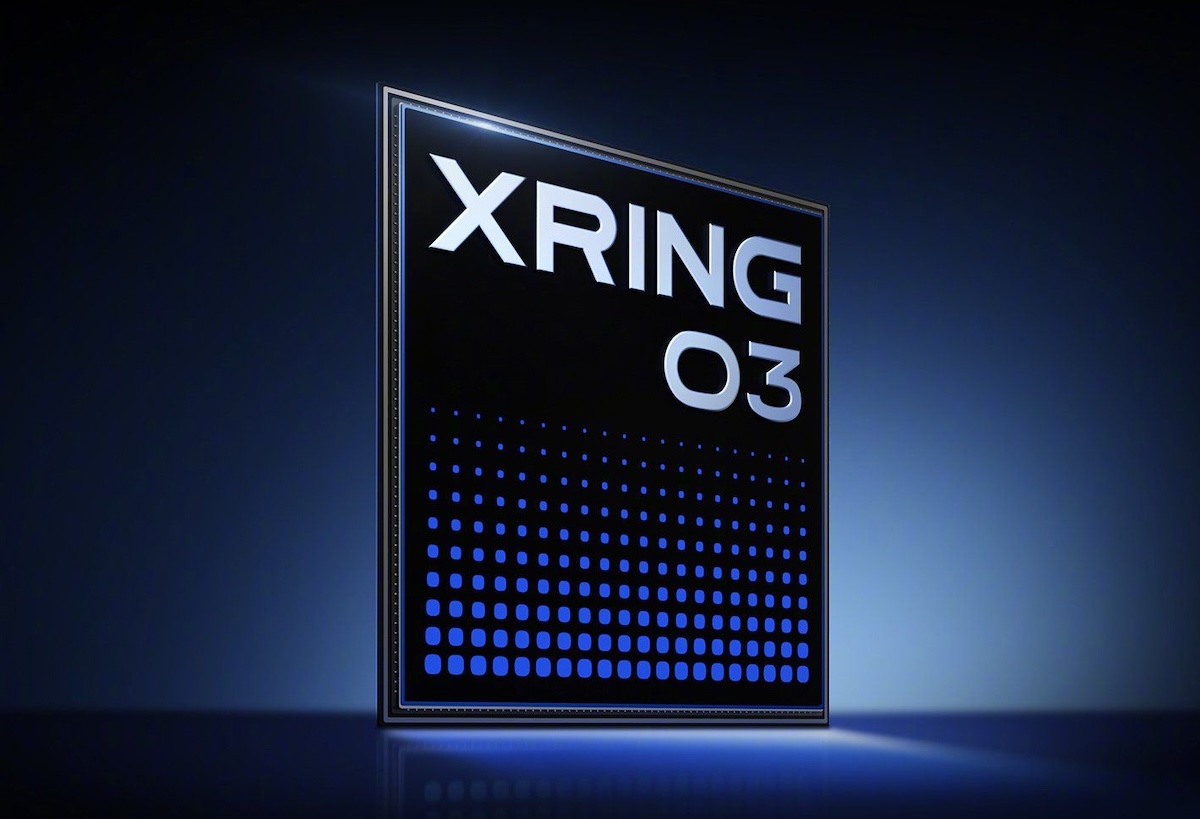
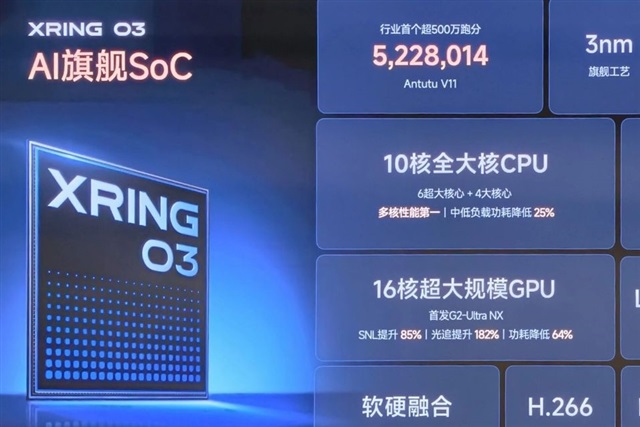
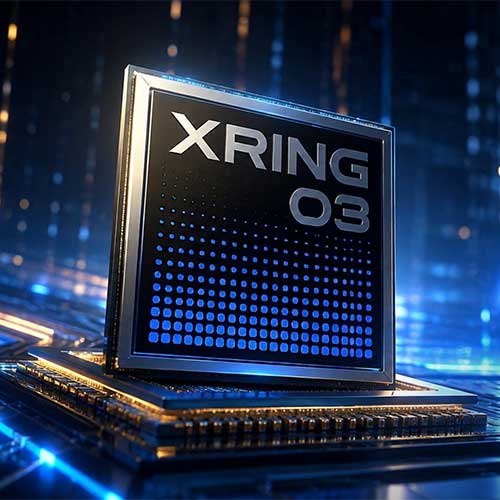
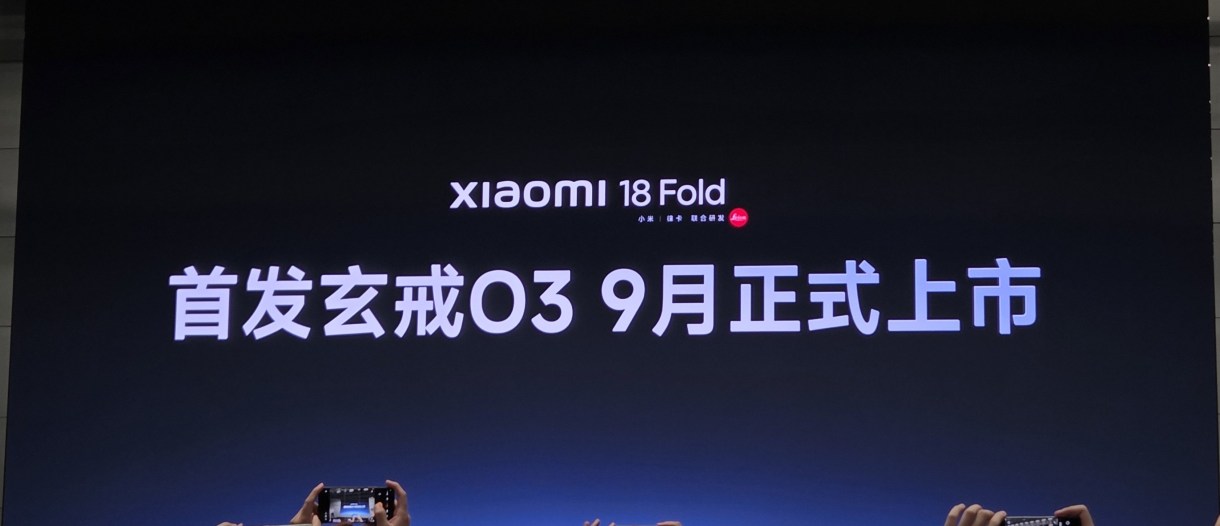
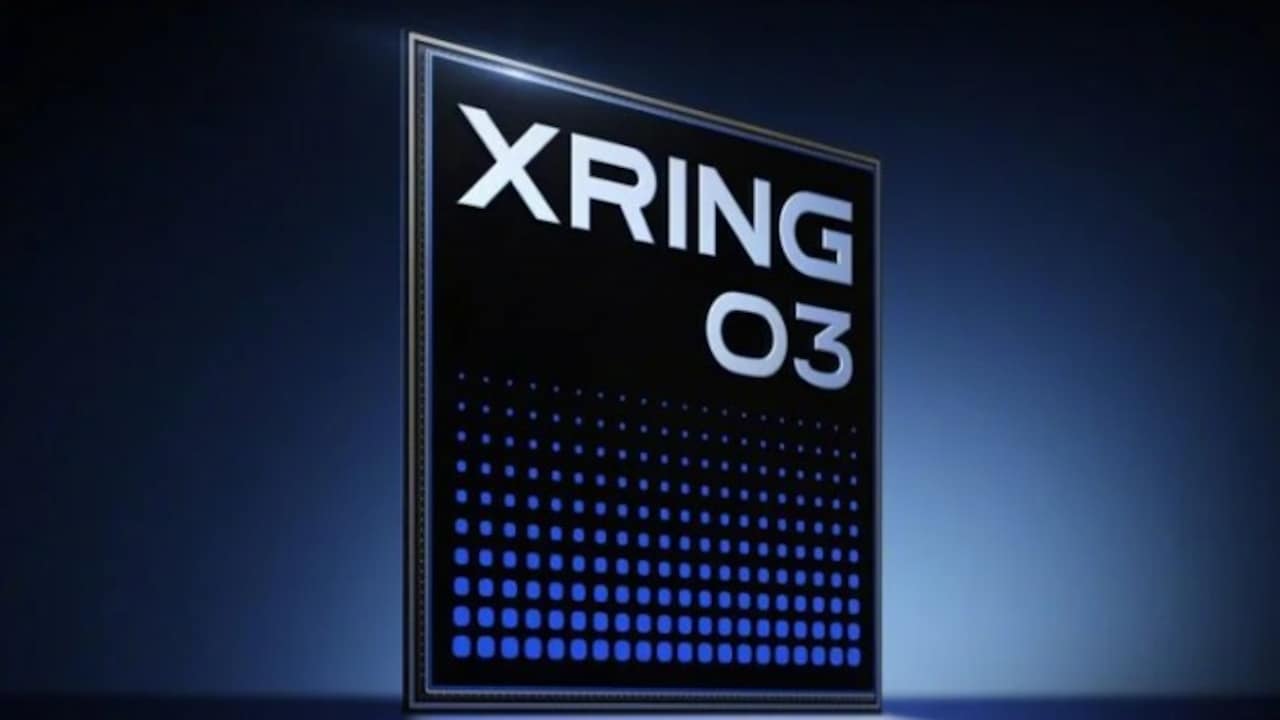
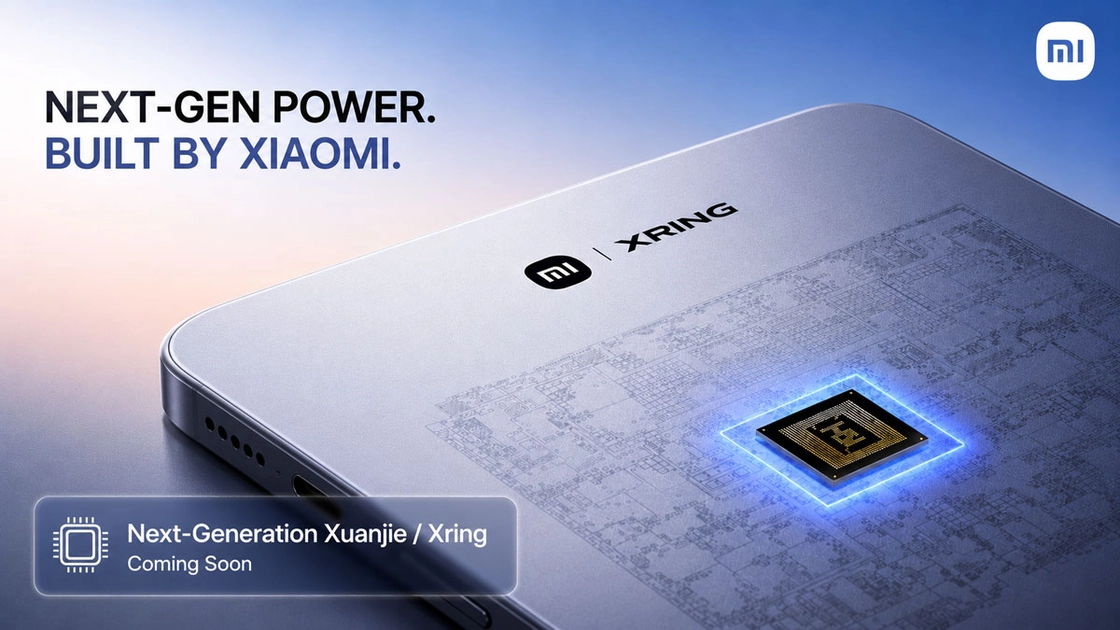
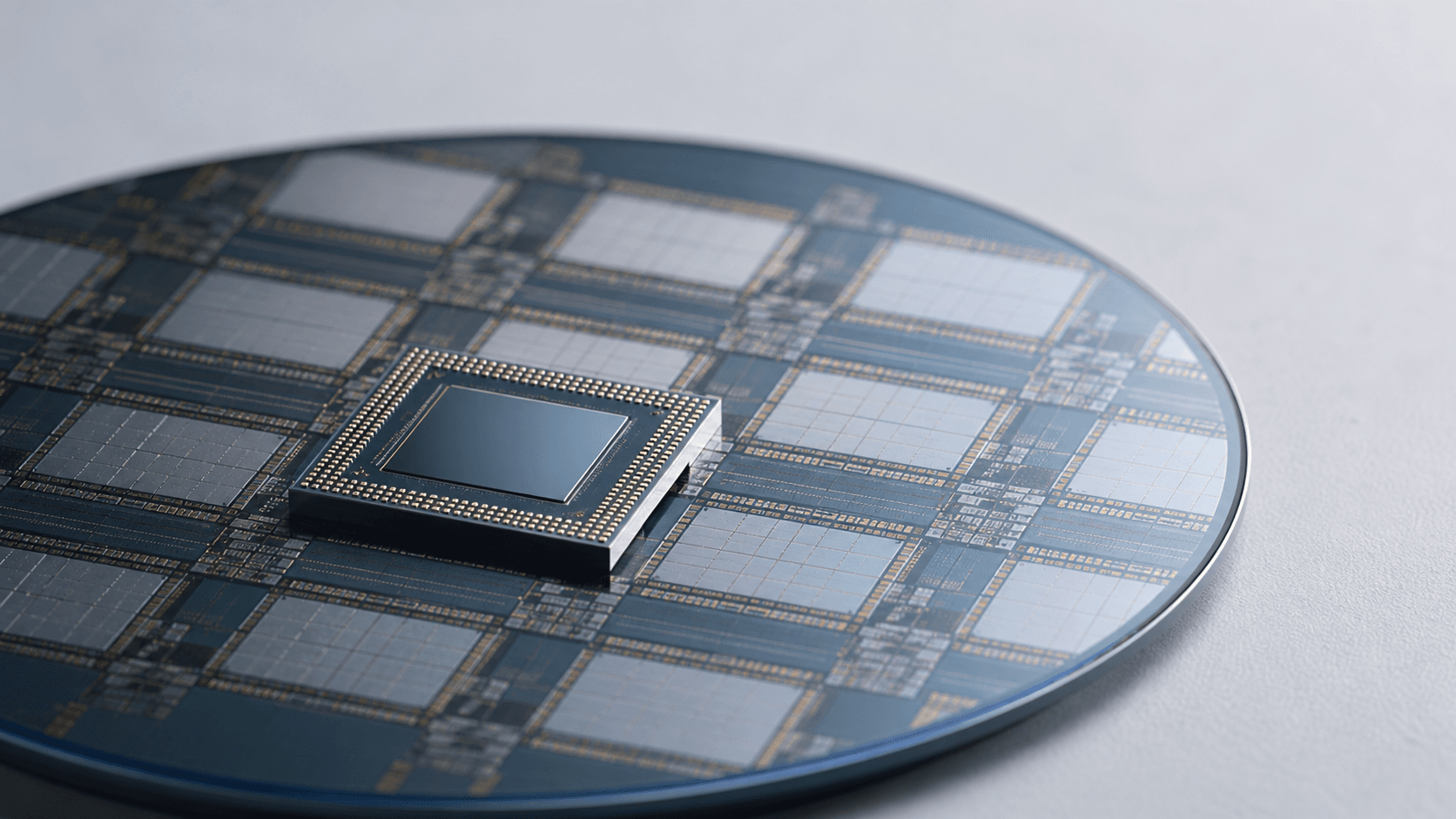
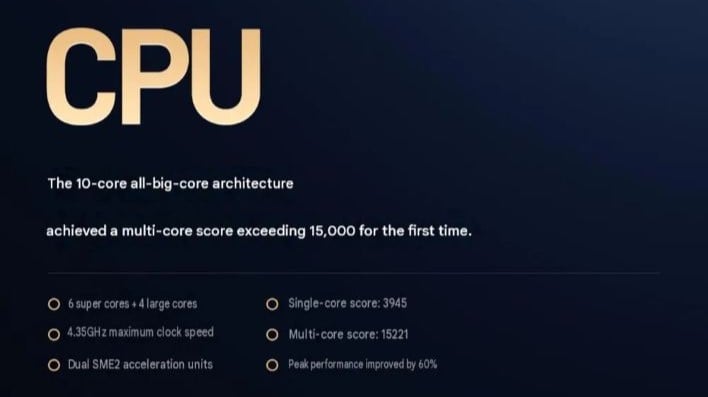
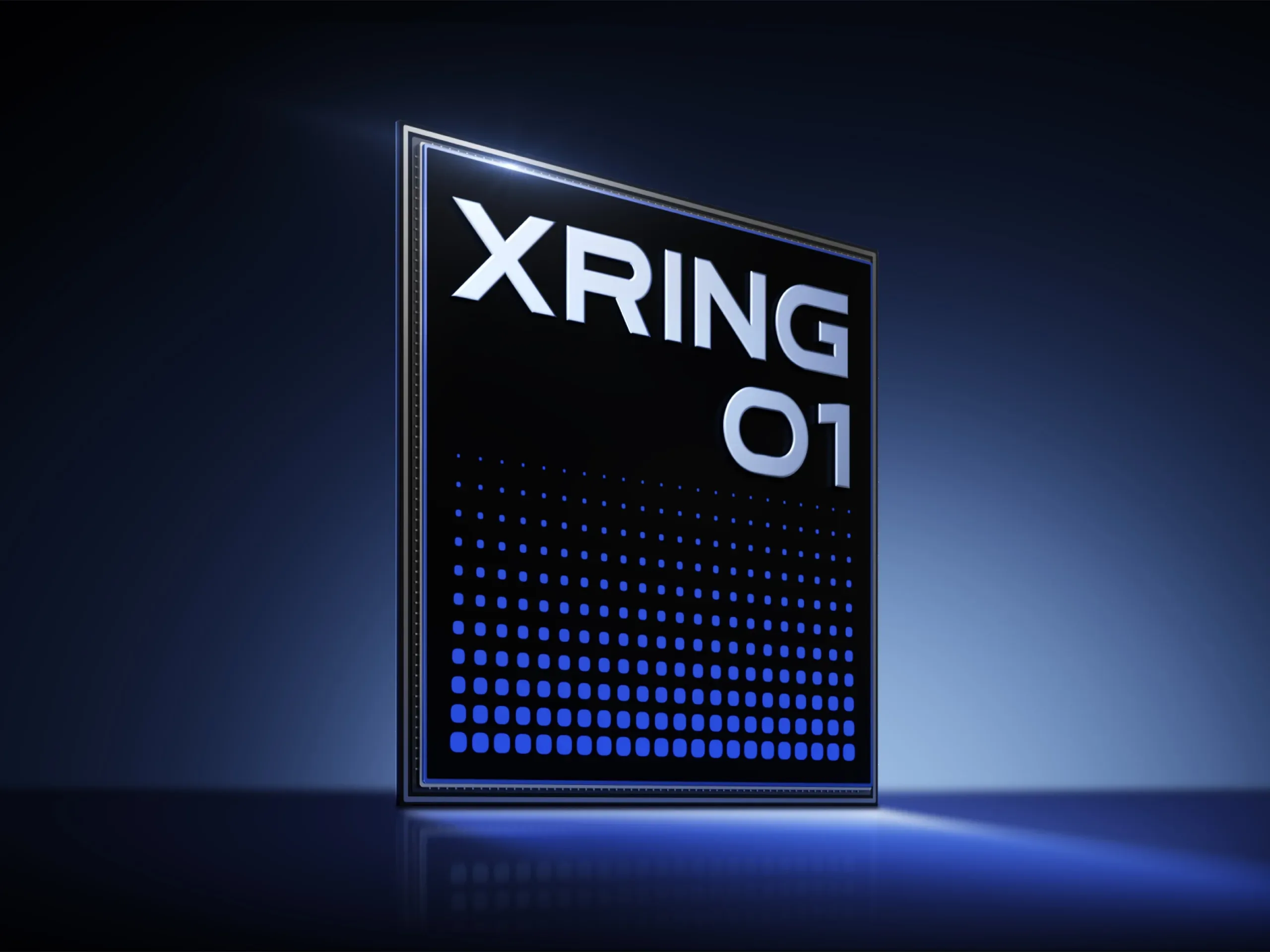
Xiaomi's August 24, 2026 launch of the Xring O3 proprietary processor marks a critical inflection point for cross-border e-commerce sellers operating in the smartphone and accessories ecosystem. The company has invested $3 billion (20 billion yuan) in semiconductor development, with the Xring O1 already achieving 1 million cumulative shipments since May 2025. The O3 targets 200,000-300,000 units for Xiaomi's flagship foldable phone, directly challenging Huawei's 68% market dominance in China's foldable segment (1.6 million Q2 units). This vertical integration strategy mirrors Apple's A-series and Samsung's Exynos approaches, signaling a fundamental shift in how major OEMs reduce supplier dependence and differentiate products.
For cross-border sellers, this development creates immediate supply chain disruption and long-term market repositioning challenges. Xiaomi's reduced reliance on Qualcomm and MediaTek will compress component sourcing options for sellers specializing in Xiaomi device parts, repairs, and accessories. The proprietary chip architecture complicates warranty and repair ecosystems—sellers offering Xiaomi device repairs or replacement parts face higher barriers to entry as proprietary components become harder to source and more expensive. Secondary market sellers (refurbished/used Xiaomi devices) will encounter pricing pressure as premium positioning increases average selling prices from 1,141 yuan (H1 2025) to 1,329 yuan (H1 2026), a 16.5% increase that may reduce demand elasticity in price-sensitive markets.
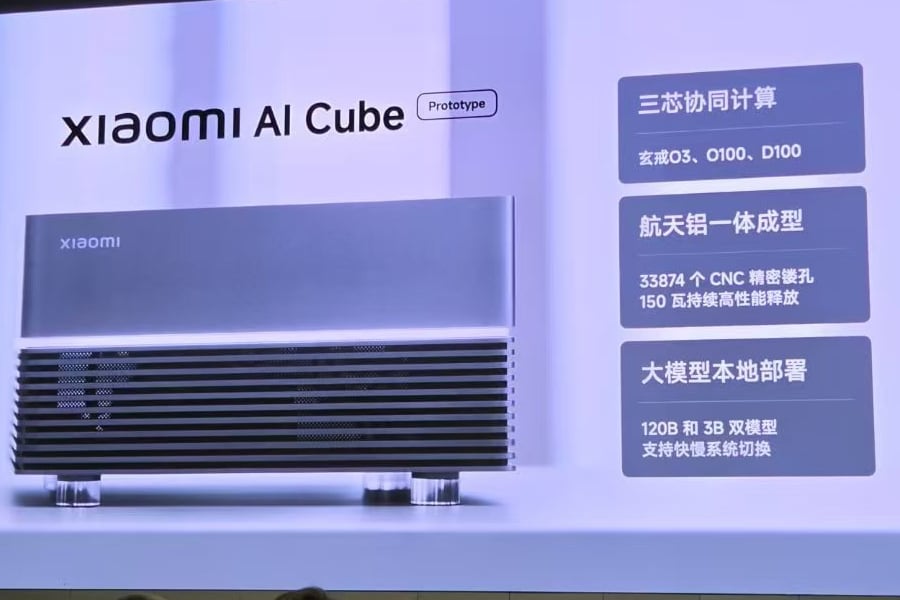
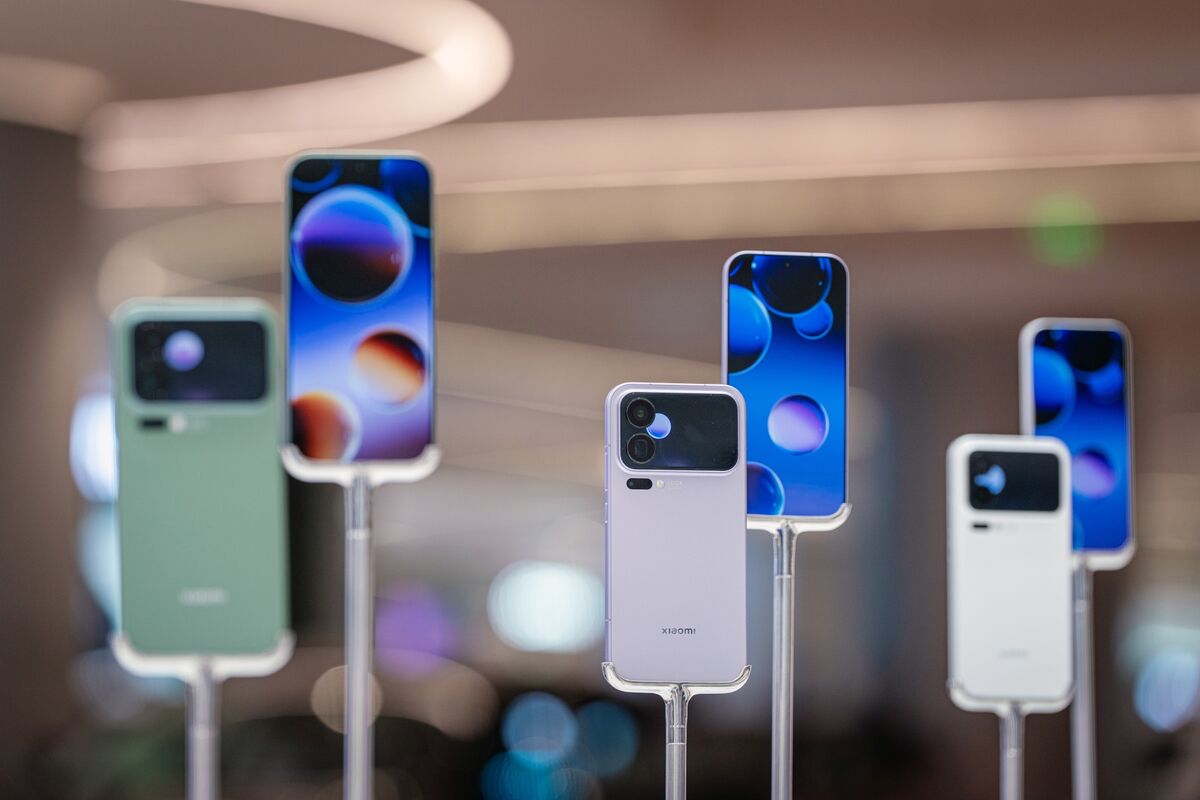
The broader context amplifies urgency: global smartphone shipments are expected to decline 14% in 2026 (IDC forecast), while rising memory and component costs pressure margins across the category. Sellers must immediately audit their Xiaomi inventory exposure and reassess pricing strategies. The launch of two additional chips—the O100 (6nm AI/MiMo LLM support) and D100 (3nm autonomous driving)—scheduled for 2026 deployment signals Xiaomi's commitment to premium positioning, which will further segment the market between high-margin flagship devices and budget alternatives. This creates a bifurcated opportunity: sellers can either pursue premium Xiaomi ecosystem products (cases, chargers, screen protectors optimized for foldables) or pivot to competing brands facing margin compression from Xiaomi's vertical integration advantage.
AI-powered competitive intelligence becomes essential. Sellers should deploy AI tools to monitor Xiaomi's supply chain announcements, TSMC production capacity allocations, and competitor responses (Samsung, Apple, Huawei chip roadmaps). Predictive pricing models can identify optimal windows to adjust Xiaomi device and accessory pricing before market saturation. Sentiment analysis on Xiaomi forums and social media reveals consumer concerns about repair costs and parts availability—creating opportunities for sellers to position themselves as "authorized repair partners" or "compatible parts specialists" with transparent pricing and warranty guarantees.