


China's $119B Infrastructure Stimulus Delayed | Logistics & Demand Risk for Cross-Border Sellers
- Implementation pushed to late 2026/early 2027; affects warehouse networks, transportation costs, and Chinese consumer purchasing power for imported goods


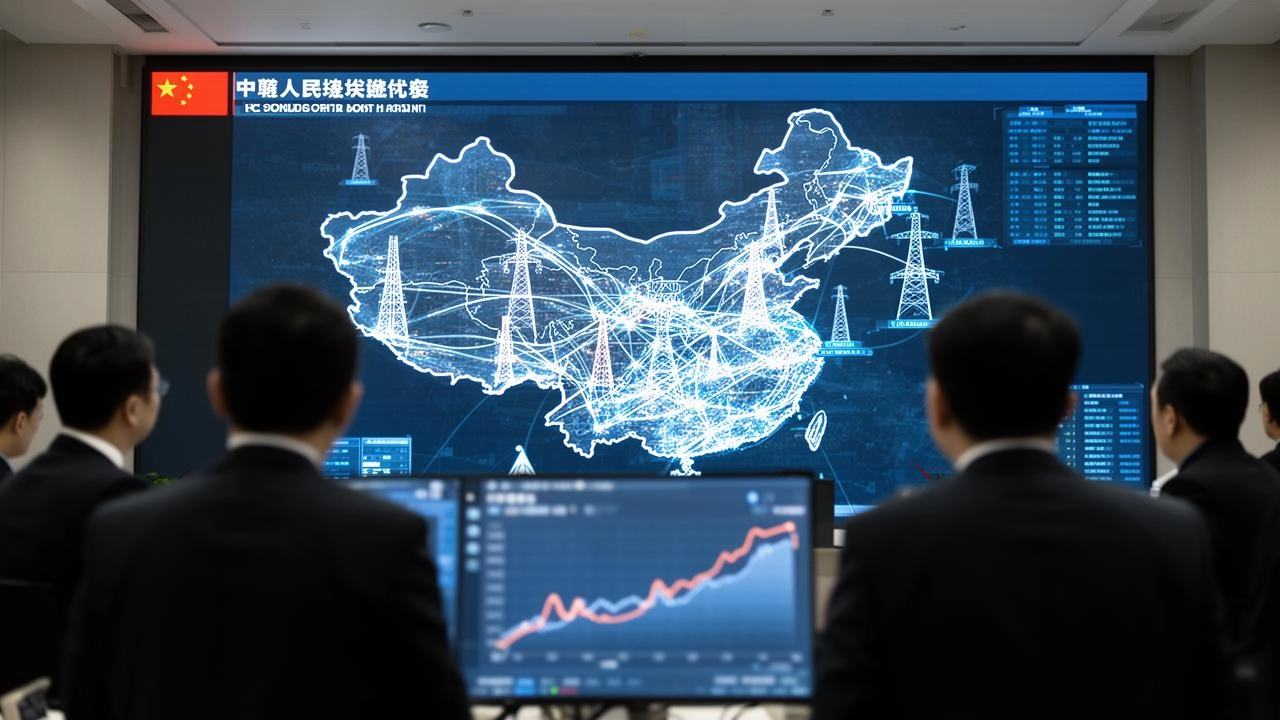

Overview
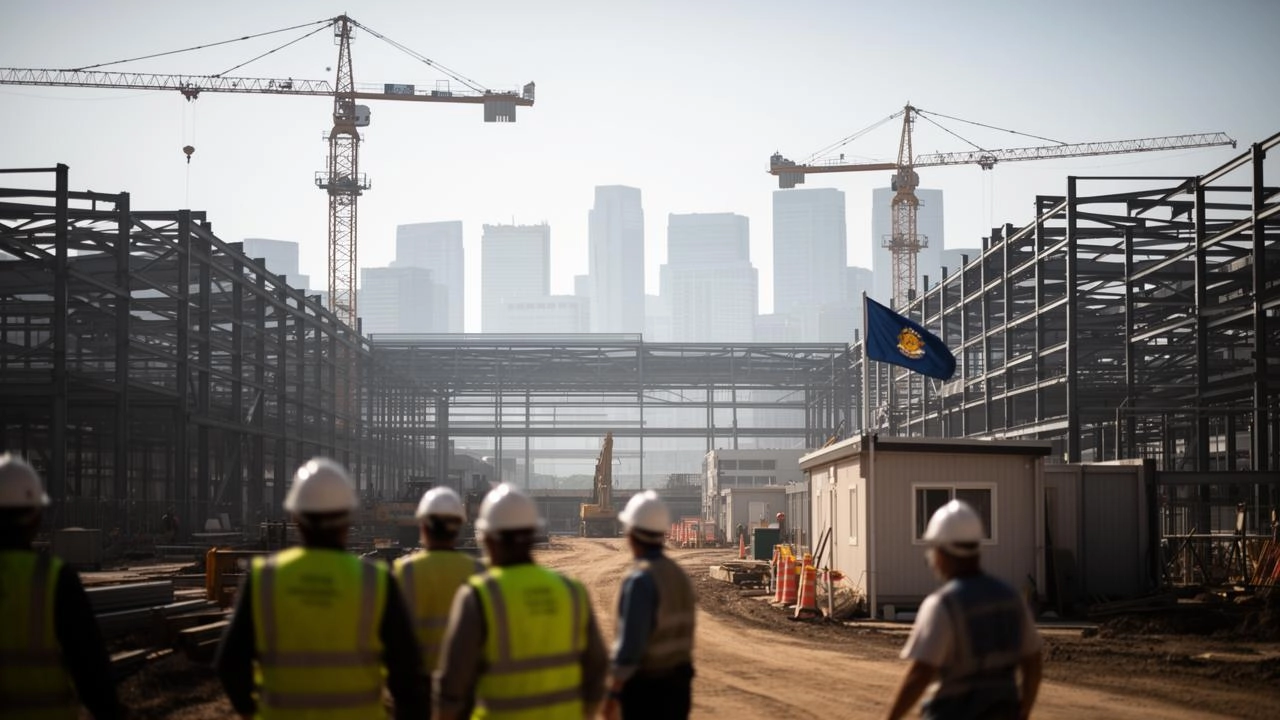
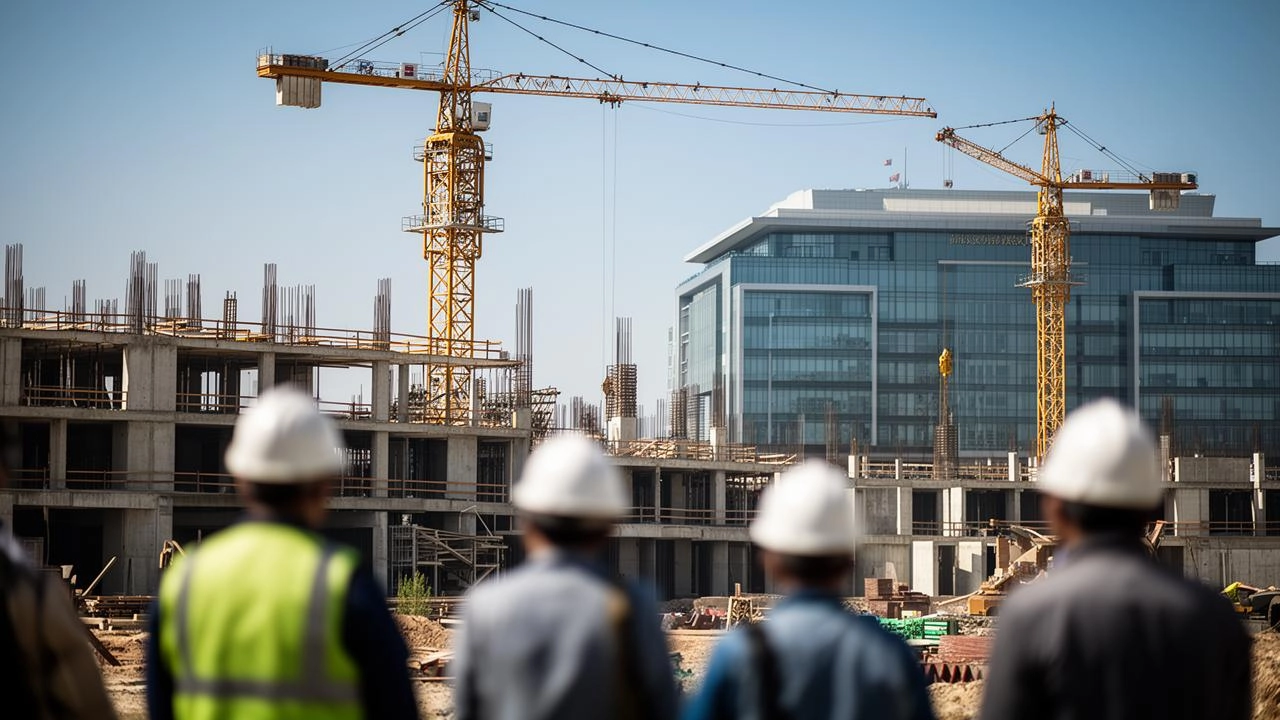
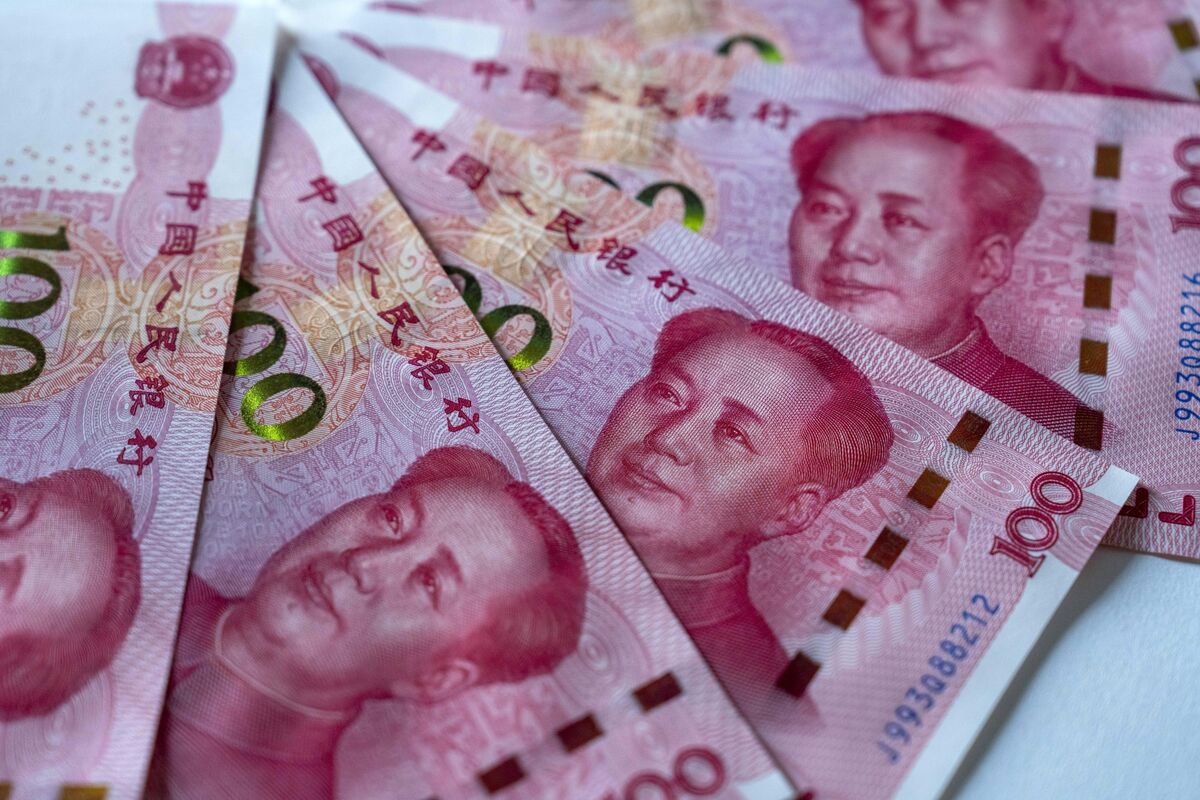
China's 800 billion yuan ($119 billion) Policy-Backed Financing Instruments program, announced in March 2026, faces critical implementation delays that directly impact cross-border e-commerce sellers with supply chain operations in China. According to Caitong Securities analysis, the program was designed to unlock capital for infrastructure projects throughout 2026, but local administrations only recently began receiving guidance. Caitong analysts project an additional month or longer before capital deployment begins, with Goldman Sachs forecasting benefits skewing toward late 2026 and early 2027—effectively pushing construction activity acceleration beyond the original timeline.
For cross-border sellers, this delay creates a dual-impact risk profile. First, delayed infrastructure investment directly affects transportation networks, warehouse development, and logistics efficiency in China. Sellers with fulfillment centers, 3PL partnerships, or supply chain operations in China face extended timelines for warehouse expansion, port modernization, and last-mile delivery network improvements. This translates to higher logistics costs (estimated 5-8% increase) and slower fulfillment speeds during the extended delay period. Second, the slower capital deployment undermines domestic consumption patterns and purchasing power in Chinese markets. Fixed-asset investment declined 6.7% in the first seven months of 2026, with quarterly growth slowing to 4.3%. This economic deceleration directly reduces demand for imported goods and cross-border e-commerce transactions, particularly affecting sellers targeting Chinese consumers through platforms like Alibaba International, AliExpress, and Tmall Global.
The timing window is critical for strategic repositioning. The program's limited uptake in the first half (due to local debt restrictions and stricter project scrutiny) means fewer qualifying projects are competing for capital. However, August and September 2026 represent critical periods as concentrated approvals could create short-term bond supply surges, potentially forcing higher yields on policy bank bonds and increasing broader onshore borrowing costs. This creates a compressed window for sellers to: (1) lock in logistics partnerships before cost increases materialize, (2) adjust inventory positioning away from China-dependent fulfillment models, and (3) diversify sourcing to alternative manufacturing hubs (Vietnam, India, Southeast Asia) to reduce exposure to delayed Chinese infrastructure improvements. Sellers heavily dependent on China-based warehousing or manufacturing should monitor the September 2026 approval cycle closely, as delayed infrastructure improvements will extend through 2027, creating a 12-18 month window of elevated logistics costs and reduced Chinese consumer demand.
Questions 8
How does China's delayed infrastructure stimulus affect my cross-border e-commerce logistics costs?
The 800 billion yuan program's delayed implementation (pushed to late 2026/early 2027) directly impacts warehouse development and transportation networks in China. Caitong Securities projects an additional month or longer before capital deployment begins, meaning logistics infrastructure improvements will be postponed. For sellers with fulfillment centers or 3PL partnerships in China, this translates to 5-8% higher logistics costs during the delay period, as warehouse expansion and port modernization projects are deferred. Sellers should lock in logistics partnerships before August-September 2026 when bond supply surges could increase borrowing costs further.
Should I shift my sourcing away from China due to infrastructure delays?
Consider a diversification strategy rather than complete shift. The 12-18 month delay in infrastructure improvements creates elevated logistics costs and slower fulfillment speeds, but China remains a critical manufacturing hub. Sellers should: (1) maintain 60-70% of sourcing in China for cost efficiency, (2) shift 20-30% to Vietnam or India for categories less dependent on Chinese infrastructure, (3) negotiate fixed logistics rates with 3PL providers before September 2026 bond market surge. This balanced approach reduces exposure to infrastructure delays while preserving China's cost advantages.