


US Iran Sanctions Strategy Shift Triggers Oil Volatility | Cross-Border Logistics & Energy Cost Impact for E-Commerce Sellers
- Oil prices drop 3-4% amid sanctions shift, but Strait of Hormuz disruptions create 6-12 month supply chain uncertainty for sellers shipping via Middle East corridors












Overview
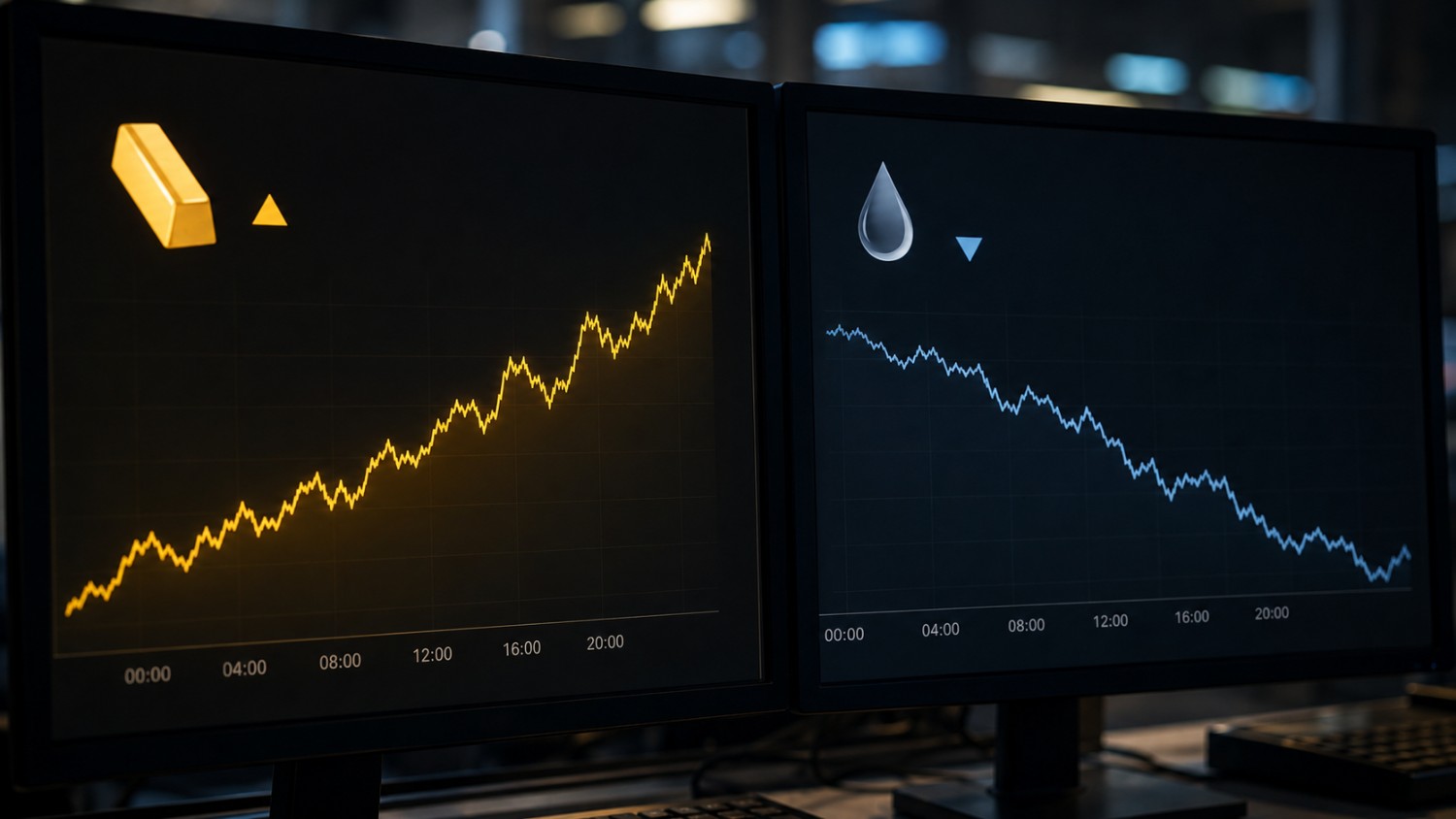
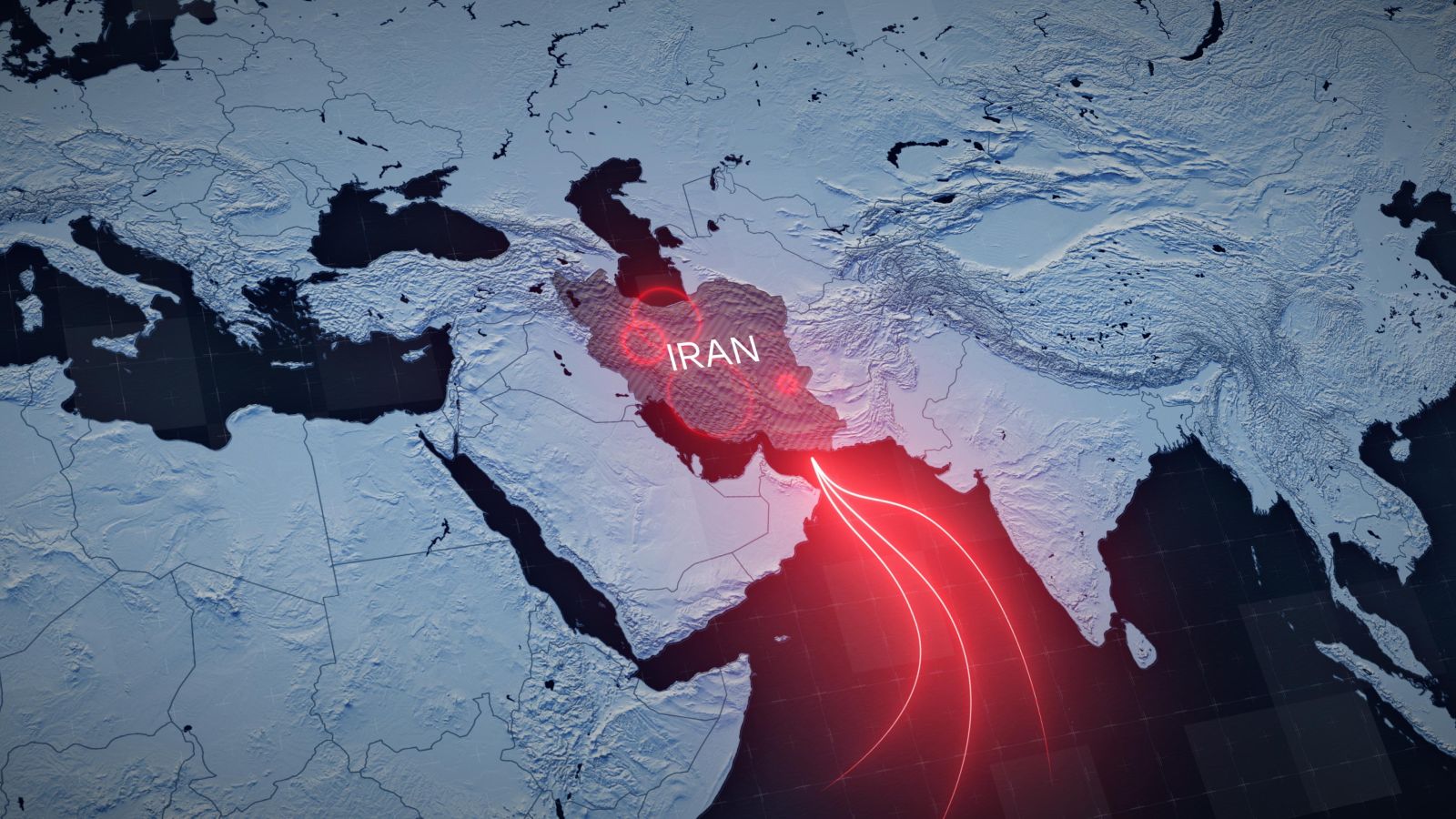
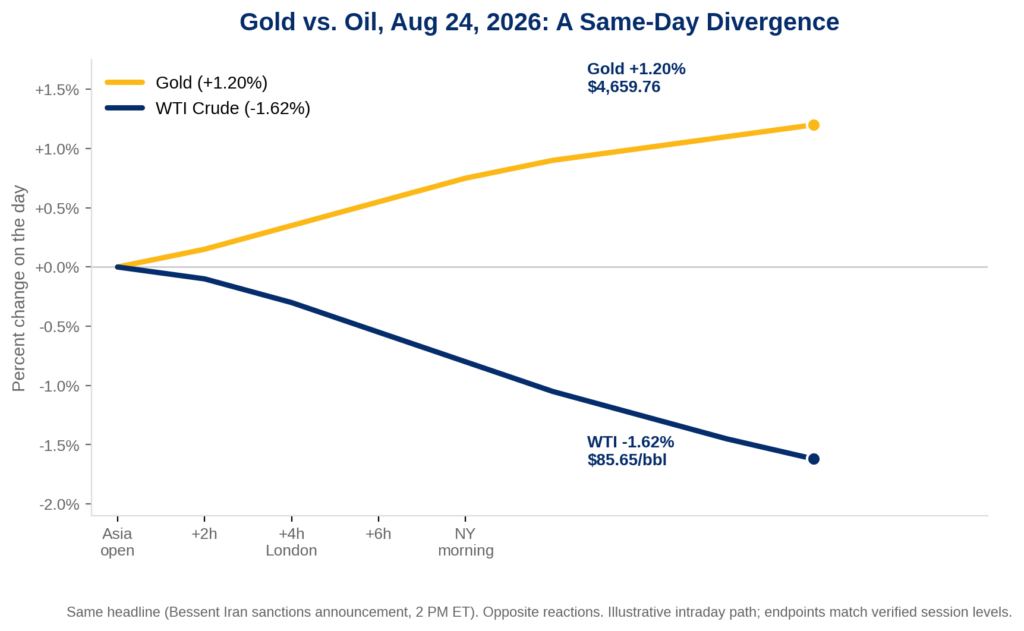
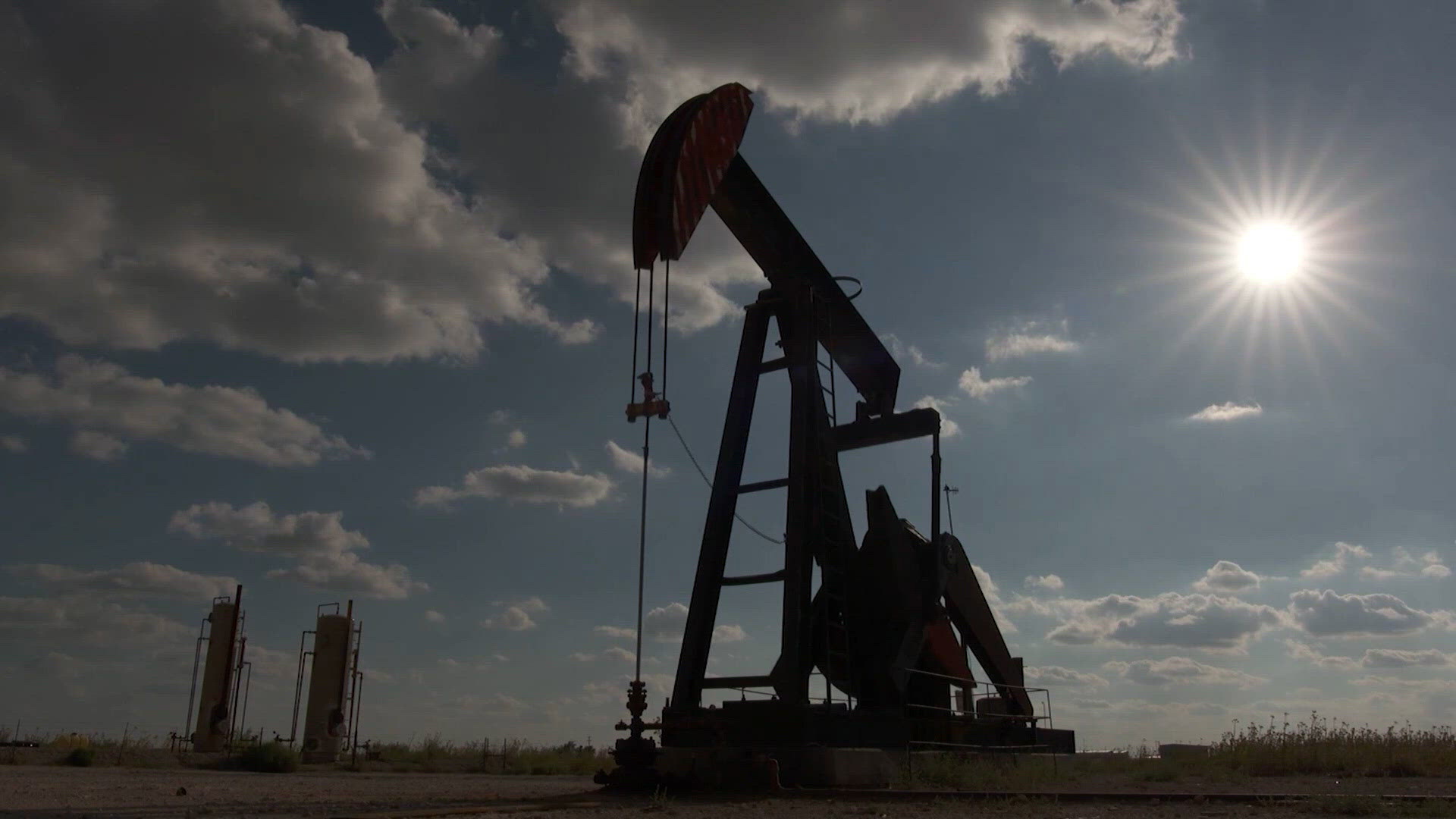
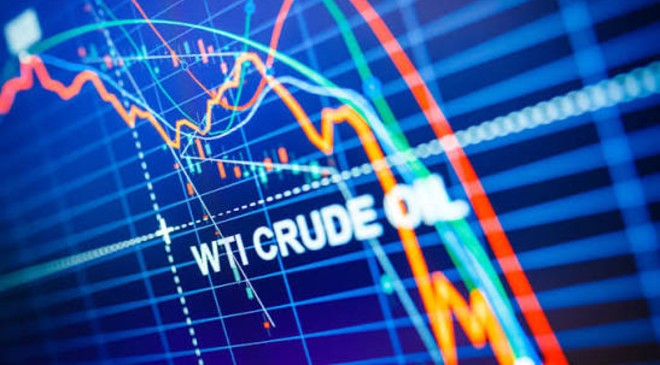
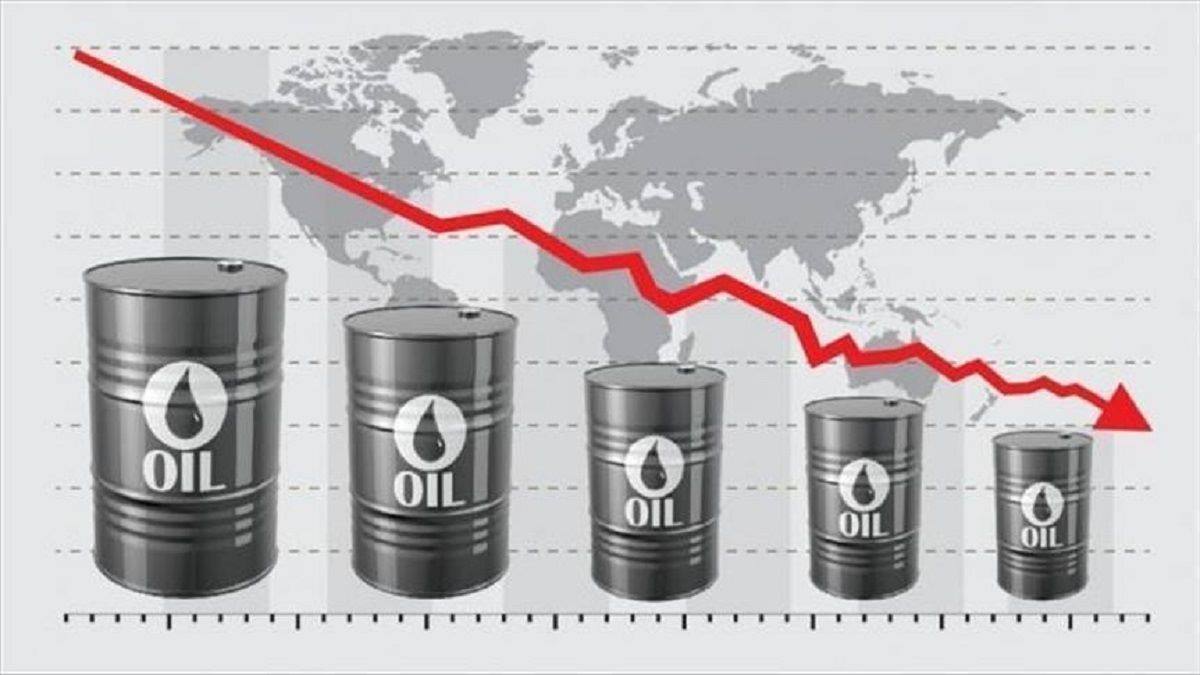
The U.S. shift from military strikes to economic sanctions against Iran has created immediate but contradictory market signals for cross-border e-commerce sellers. Oil prices fell 3-4% on August 25, 2026 (Brent crude to $88.34/barrel, WTI to $81.67), reflecting reduced war premium expectations as Treasury Secretary Scott Bessent announced "economic D-Day" sanctions targeting Iran and countries trading with the Islamic Republic. However, this apparent relief masks critical supply chain vulnerabilities that directly impact seller fulfillment costs and logistics timelines.
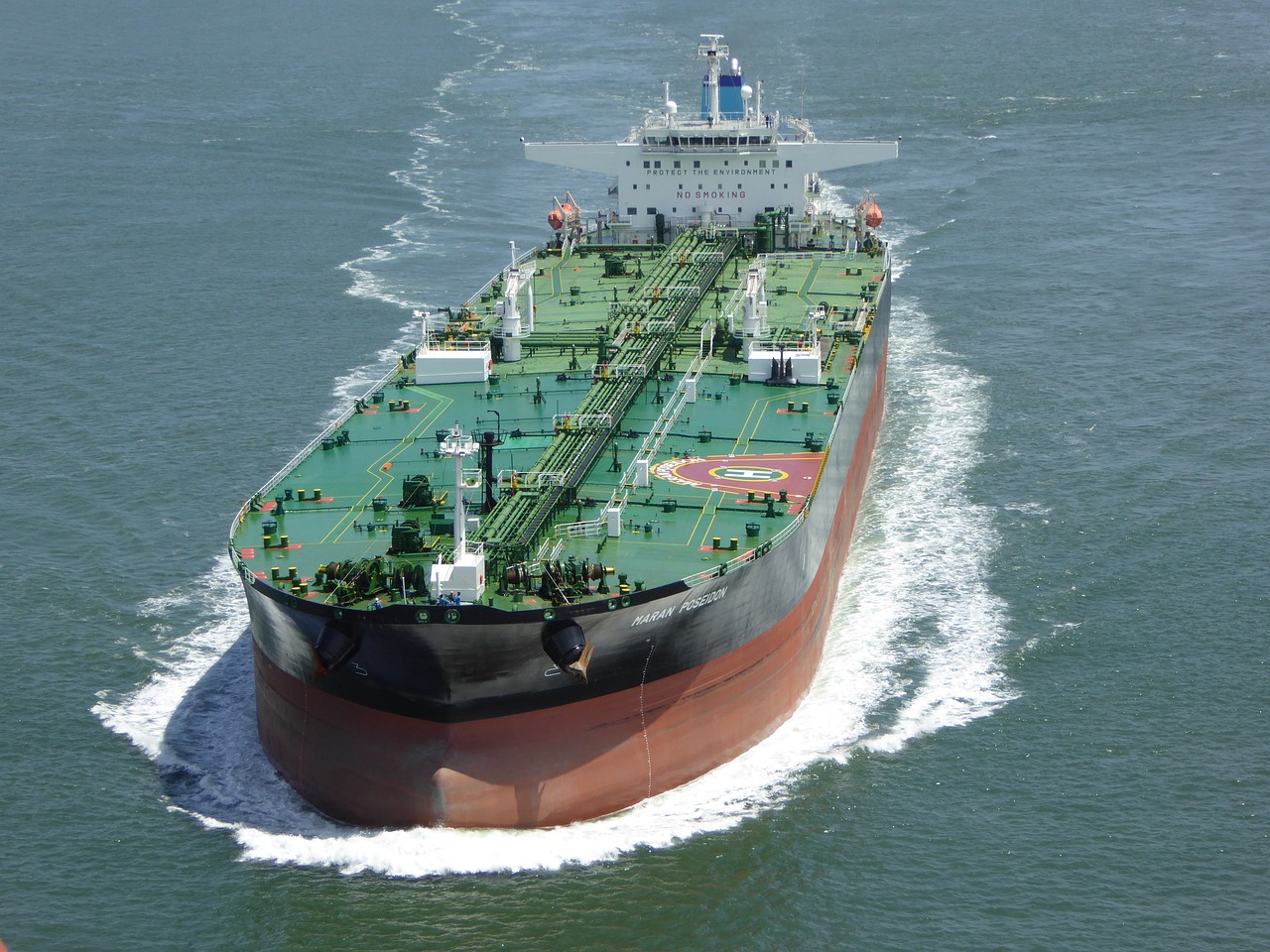
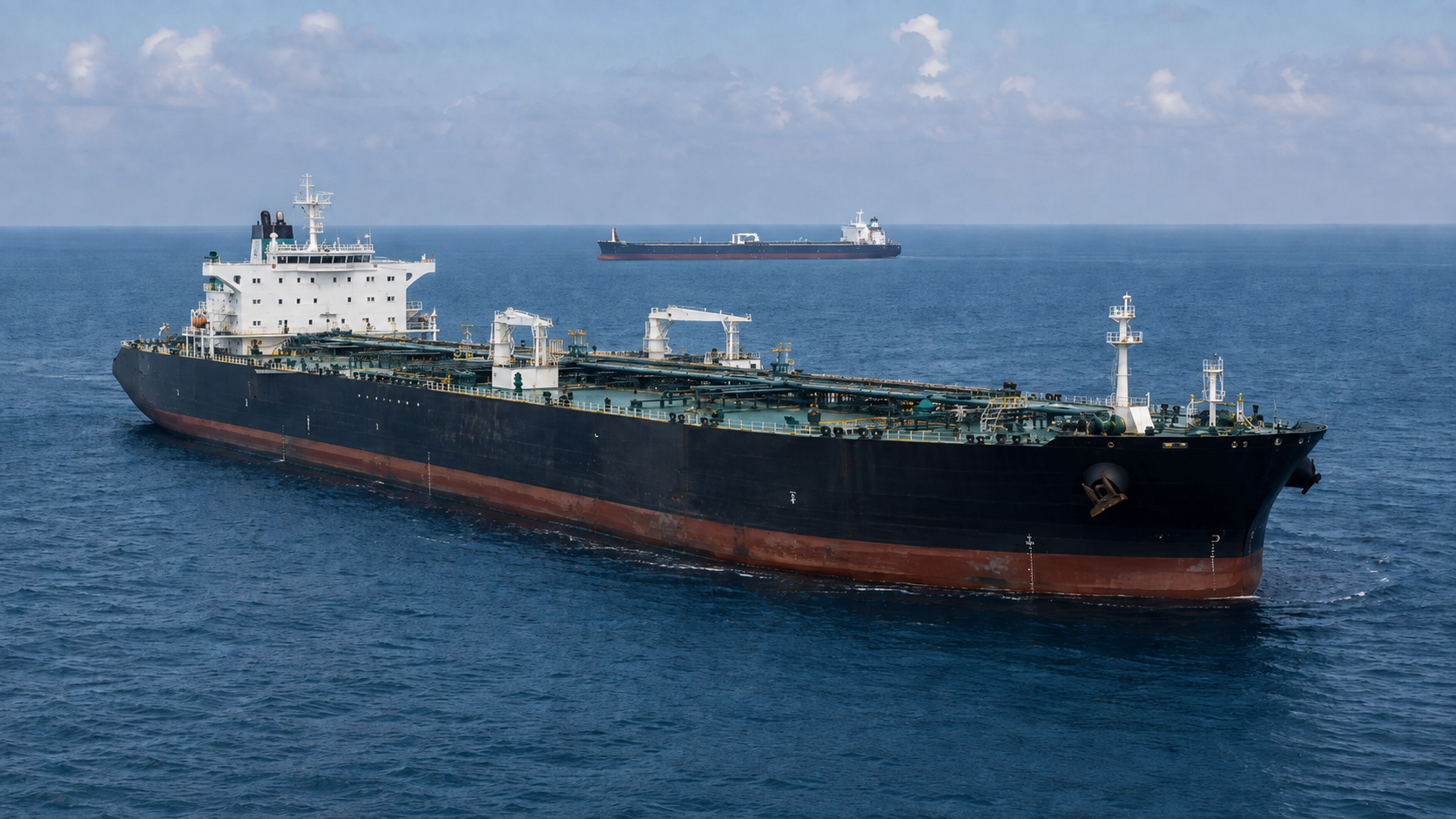
The Core E-Commerce Impact: While lower oil prices initially suggest reduced shipping costs (potentially 2-3% savings on fuel surcharges for sellers using air freight or expedited ocean shipping), the sanctions regime creates three compounding risks. First, China—purchasing 90% of Iran's oil exports—faces potential secondary sanctions, threatening disruption of Chinese banking and refinery operations that underpin the supply chains for 60%+ of Amazon FBA inventory sourced from Asia. Second, the Strait of Hormuz remains a critical chokepoint with only two tankers passing on August 25 (three-month low), indicating vessel transit delays of 5-7 days and insurance premium increases of 8-15% for shipments through this corridor. Third, concurrent supply disruptions from Russia's Novoshakhtinsk refinery (Ukrainian drone damage) and Kazakhstan's Atyrau refinery fire compound energy cost volatility, creating unpredictable fuel surcharge fluctuations for 3PL providers and freight forwarders.
Seller Segment Exposure: Small to mid-sized sellers (annual revenue $500K-$5M) shipping via ocean freight from China/Vietnam to US/EU face the highest risk—their 45-60 day transit times mean current bookings will experience 8-12% fuel surcharge volatility by delivery. Large sellers with diversified sourcing (India, Vietnam, Mexico) and pre-negotiated freight contracts have 30-45 day hedging windows to lock rates before secondary sanctions implementation. Sellers in energy-intensive categories (electronics, appliances, automotive parts) see 3-5% margin compression per 10% oil price swing, while lightweight categories (apparel, accessories) experience minimal direct impact but face indirect cost increases through 3PL handling fees (typically 5-8% of shipping cost).
Timing Window: Treasury Secretary Bessent offered "compliance periods" rather than immediate implementation dates, creating a 4-8 week window before sanctions fully activate. Sellers should monitor Chinese banking sector announcements and Strait of Hormuz insurance premium changes as leading indicators. If Iranian retaliation occurs (as Iran vowed), oil could spike 15-25%, triggering emergency fuel surcharges of 12-18% on ocean freight—a scenario Ritterbusch and Associates warns could materialize within 2-4 weeks if US Middle East installations face attack.
Questions 7
Should I lock in freight rates now before sanctions fully activate?
Yes, immediately for shipments arriving 6-12 weeks out. Treasury Secretary Bessent offered 'compliance periods' rather than immediate implementation dates, creating a 4-8 week window before full sanctions activate. Sellers with pre-negotiated fixed-rate contracts through October 2026 can hedge against 15-25% oil price spikes if Iranian retaliation occurs. Contact your freight forwarder or 3PL provider (DHL, FedEx, Flexport) this week to lock rates for Q4 2026 shipments. Small sellers ($500K-$5M revenue) should prioritize—your 45-60 day ocean transit times mean current bookings will experience fuel surcharge volatility by delivery if rates aren't locked.
Which sourcing countries are safer alternatives to China during sanctions?
Vietnam, India, and Mexico offer lower sanctions exposure. Vietnam (electronics, apparel) and India (automotive, home goods) have diversified energy supplies and aren't major Iran trading partners, reducing secondary sanctions risk. Mexico provides nearshoring advantages for US sellers with 15-20 day transit times versus 45-60 days from Asia. However, Vietnam and India routes still transit the Strait of Hormuz, so insurance premiums will increase 8-15% regardless. Consider splitting sourcing: 60% Vietnam/India for Q4 2026, 40% China for categories with locked freight rates. This reduces concentration risk while maintaining cost competitiveness.