


Apple M6 iMac & Mac Refresh 2025 | Seller Opportunity in Tech Accessories & Refurbished Electronics
- Fall 2025 product cycle creates demand surge for compatible accessories, trade-in programs, and refurbished M4/M5 models; sellers can capture 15-25% margin uplift in peripherals category




Overview
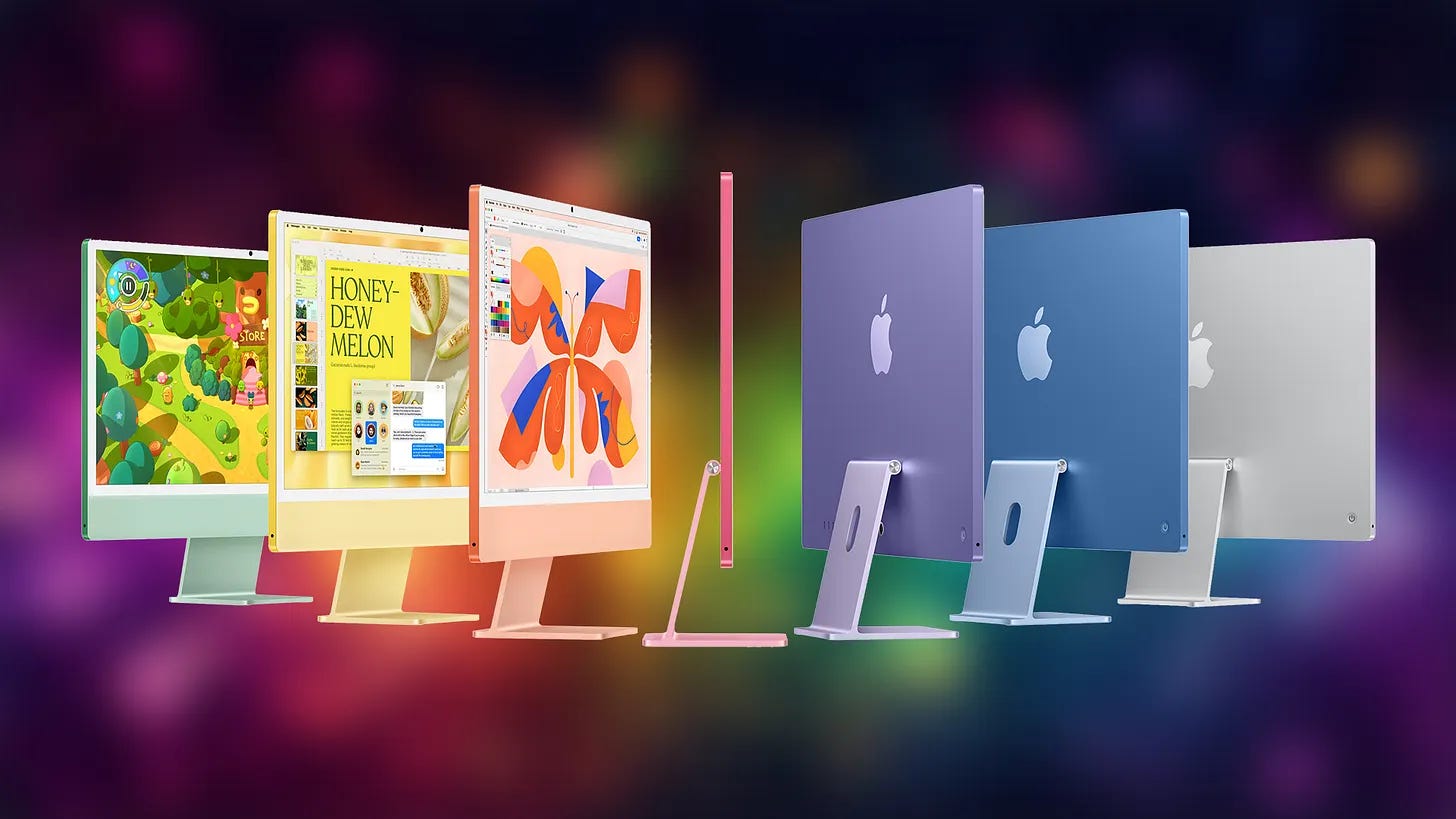
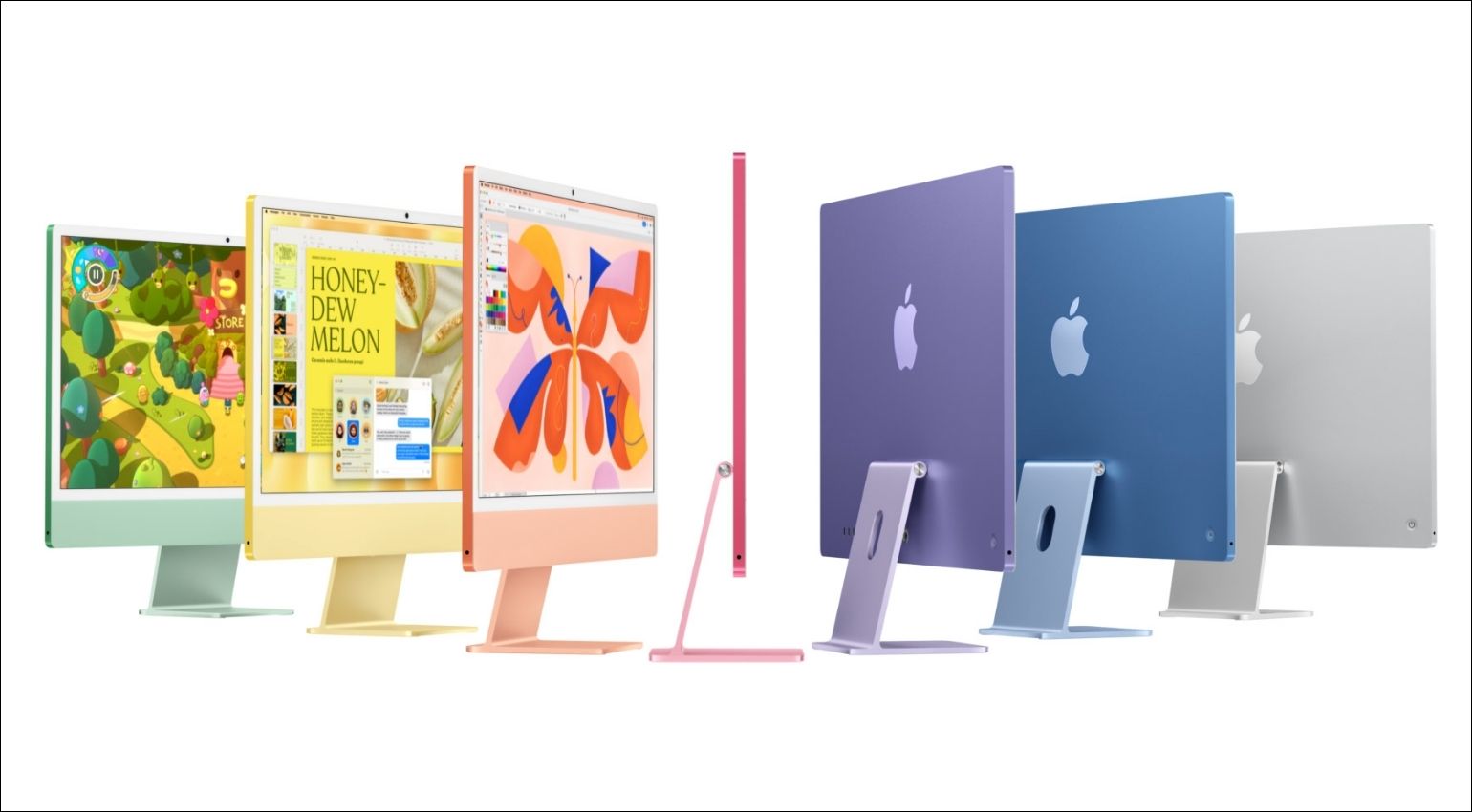
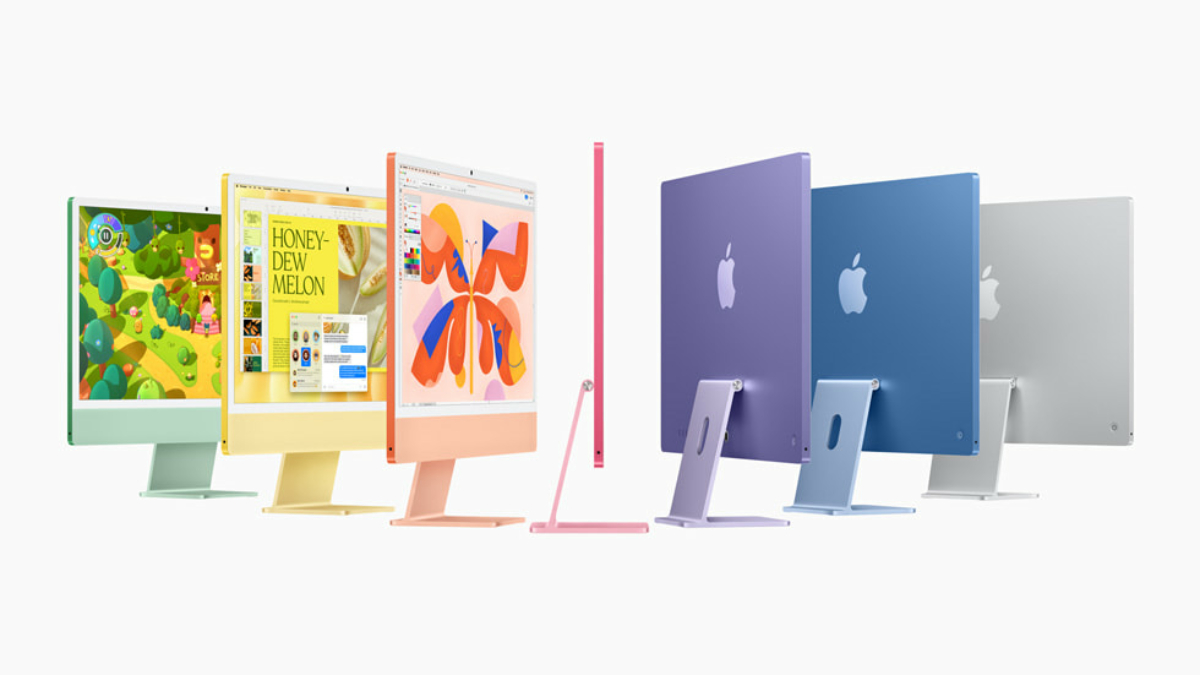
Apple's announced M6 iMac refresh and broader Mac product overhaul launching in fall 2025 creates a significant e-commerce opportunity window for sellers across multiple categories. According to Bloomberg's Mark Gurman, the new iMac will feature the M6 chip built on advanced 2nm process technology with updated color options, marking the first refresh since the M4 model in 2024. This product cycle includes redesigned MacBook Pro models with touchscreens and Tandem OLED displays, a new 14-inch MacBook Pro base model with M6, updated M5 Max and M5 Ultra Mac Studios, and potentially refreshed Mac mini options. The strategic decision to skip M6 Pro/Max variants and accelerate M7 for professional machines signals Apple's segmentation strategy, which directly impacts seller inventory planning.
For e-commerce sellers, this creates three distinct opportunity windows: First, the pre-launch period (now through August 2025) drives demand for M4/M5 refurbished units and trade-in programs as consumers clear inventory before upgrades. Second, the launch window (September-November 2025) generates peak demand for compatible accessories—USB-C hubs, external displays, cooling solutions, and cable management products—which typically see 40-60% sales increases during major Apple product launches. Third, the post-launch period (December 2025 onward) creates sustained demand for protective cases, stands, and third-party peripherals as the installed base grows.
AI-powered automation opportunities for sellers: Implement dynamic pricing algorithms to adjust refurbished M4/M5 pricing based on M6 launch proximity (typically 8-12% price drops occur 2-3 weeks before new releases). Use predictive analytics to forecast accessory demand by product category—monitor Apple's historical launch patterns showing 35-50% uplift in display adapters, 25-35% in cooling products, and 20-30% in cable/connectivity solutions. Deploy chatbots to handle FAQ volume during launch periods (estimated 3-4x normal inquiry volume). Automate competitor price monitoring across Amazon, eBay, and Shopify to maintain Buy Box eligibility during high-velocity periods. Leverage sentiment analysis on Apple forums and Reddit to identify emerging accessory needs before mainstream demand peaks.
Competitive intelligence through AI: Use web scraping and historical data analysis to identify which accessory subcategories (e.g., monitor arms, USB hubs, external SSDs) showed highest velocity during previous Apple launches (M1, M2, M3, M4 cycles). Build predictive models correlating MacBook Pro touchscreen feature announcements with demand for screen protectors and anti-glare films—a category that didn't exist for previous models. Analyze Amazon Best Seller rankings in Electronics > Computers & Accessories to identify emerging product gaps that competitors haven't filled yet. This data-driven approach can provide 2-4 week first-mover advantage before mainstream sellers recognize the opportunity.
Questions 7
When will the new Apple M6 iMac launch and what should sellers do now?
Apple's M6 iMac is expected to launch before the end of 2025, with the broader Mac product overhaul scheduled for fall 2025 according to Bloomberg's Mark Gurman. Sellers should immediately begin building inventory of compatible accessories (USB-C hubs, external displays, cooling solutions) and refurbished M4/M5 units, as these categories typically see 40-60% demand increases during Apple launches. Start monitoring competitor pricing on Amazon and eBay now to establish baseline pricing strategies. Set up automated alerts for Apple's official announcements to trigger inventory adjustments within 24-48 hours of confirmation.
Which product categories will see the highest demand during the M6 launch?
Historical data from previous Apple launches (M1-M4 cycles) shows peak demand in: USB-C hubs and adapters (35-50% uplift), external displays and monitor arms (30-40% uplift), cooling solutions and laptop stands (25-35% uplift), and protective cases/sleeves (20-30% uplift). The new MacBook Pro touchscreen feature creates an entirely new category opportunity for screen protectors and anti-glare films. Refurbished M4/M5 models will see 8-12% price compression 2-3 weeks before launch as consumers clear inventory. Sellers should prioritize inventory allocation to USB-C accessories and refurbished units for maximum ROI.