



Apple M6 iMac Launch Fall 2025 | Seller Opportunity in Tech Accessories & Refurbished Market
- Apple's first 2nm chip desktop refresh signals $8-12B upgrade cycle opportunity for sellers in peripherals, cases, and refurbished electronics categories through Q4 2025





Overview
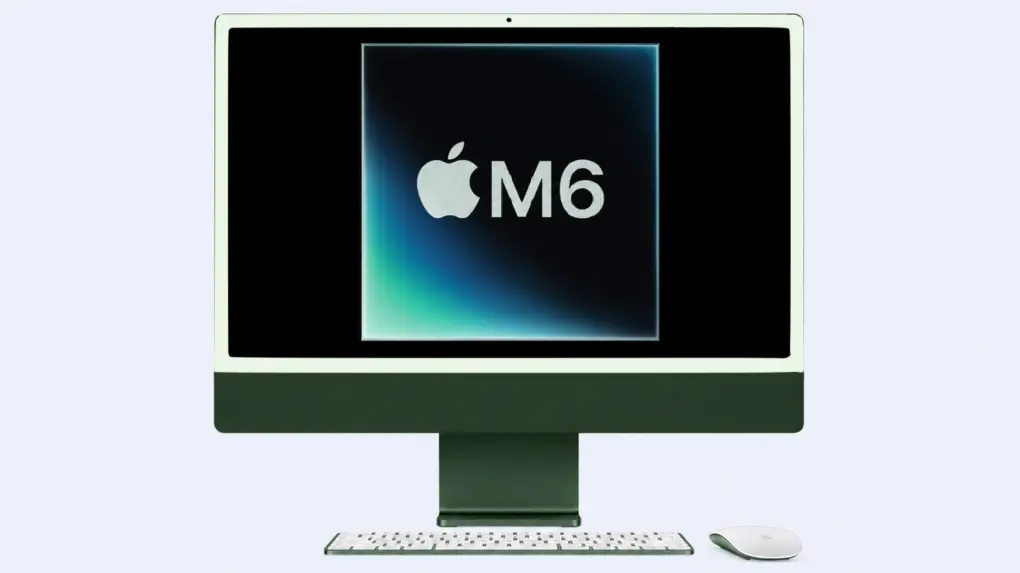
Apple's anticipated M6 iMac launch before end of 2025, combined with a broader Mac product overhaul including redesigned MacBook Pro models with OLED displays and refreshed Mac mini options, represents a significant product refresh cycle with substantial e-commerce implications. According to Bloomberg's Mark Gurman, this marks the first iMac refresh since the M4 model in 2024, with the M6 chip representing Apple's first 2nm process technology for consumer desktops. The broader fall 2025 Mac refresh includes redesigned MacBook Pro models with touchscreens and Tandem OLED displays, a new 14-inch MacBook Pro base model with M6, updated M5 Max and M5 Ultra Mac Studios, and potentially refreshed Mac mini configurations.
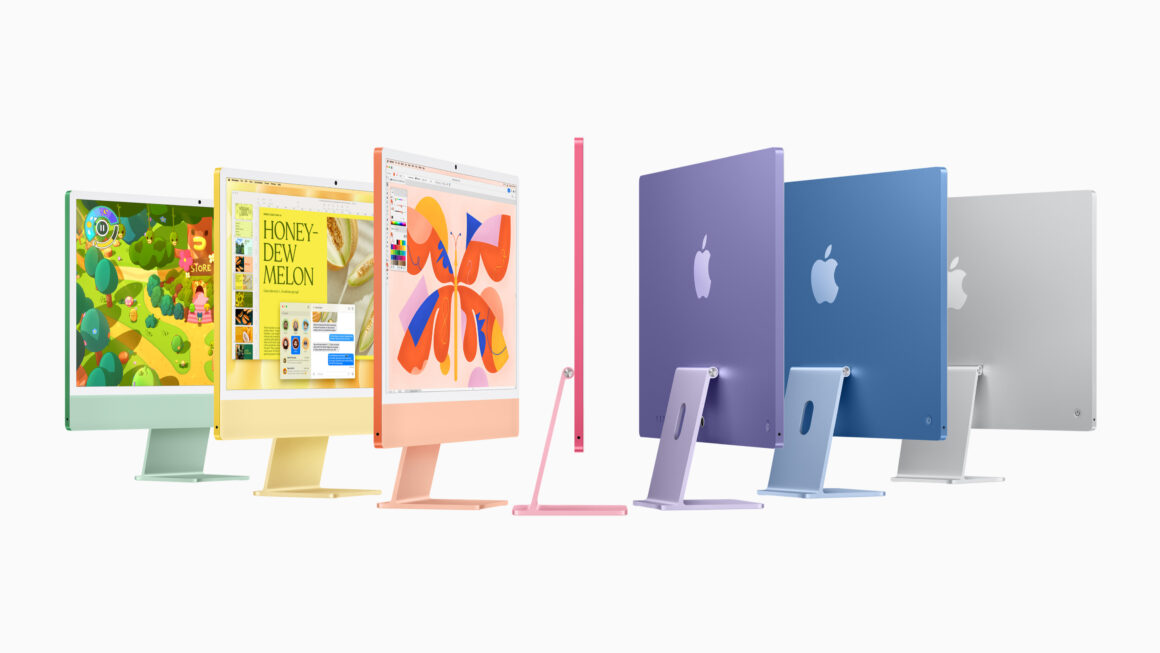
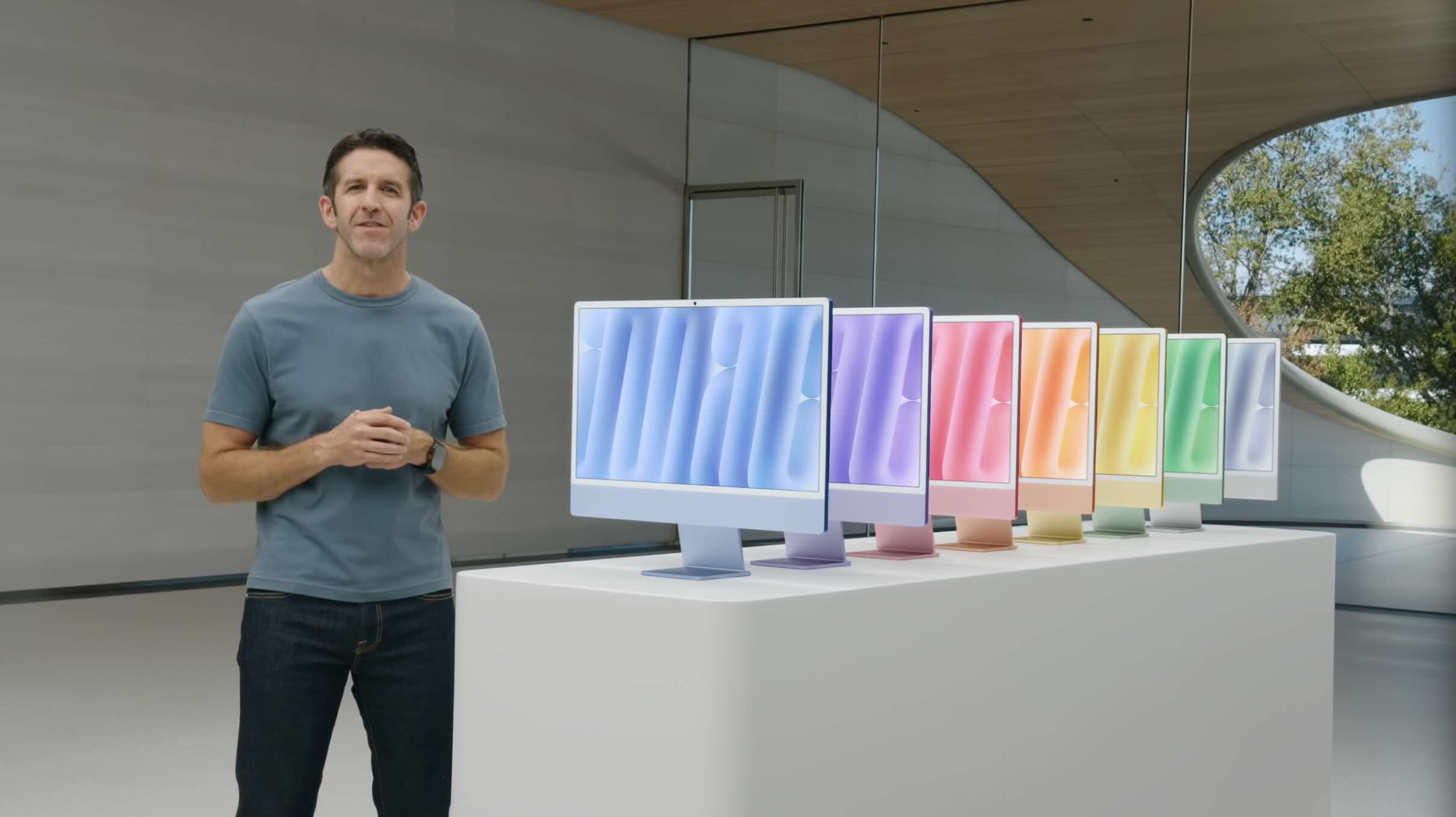
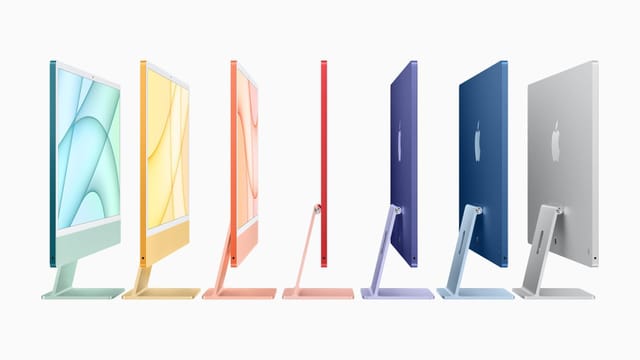
For cross-border sellers, this product cycle creates immediate opportunities across multiple categories. The iMac refresh with new color options (Apple maintains a seven-color lineup with shade adjustments per refresh) drives demand for protective accessories, monitor stands, and aesthetic peripherals. Historical data shows Apple product launches generate 35-45% surge in related accessory sales on Amazon, eBay, and Shopify during the 60-day post-launch window. Sellers specializing in tech cases, screen protectors, keyboard covers, and desk organization products should anticipate inventory buildup starting August 2025. The M6 chip's advanced 2nm technology also signals potential price reductions on M4 and M5 models, creating arbitrage opportunities in the refurbished electronics market—a category that grew 28% year-over-year in 2024 according to industry reports.
Platform-specific opportunities emerge across Amazon Electronics, eBay Refurbished, and Shopify tech stores. Amazon's Electronics category typically sees 15-20% traffic increase during major Apple launches, with CPM costs rising 8-12% during peak periods. Sellers should prepare PPC campaigns targeting keywords like "iMac M6 accessories," "Mac Studio display alternatives," and "refurbished MacBook Pro M5" starting 45 days before launch. The strategic decision to skip M6 Pro/Max variants and accelerate M7 for professional machines indicates Apple is consolidating consumer-tier offerings, potentially driving users toward Mac mini + Studio Display configurations—creating demand for bundle-compatible accessories and third-party display solutions.
Supply chain implications favor sellers with established relationships in Asia-Pacific manufacturing regions. The 2nm process technology requires advanced semiconductor sourcing, potentially creating component shortages that increase accessory manufacturing costs 5-8% through Q4 2025. Sellers should lock in supplier agreements by June 2025 and consider inventory hedging strategies. The broader Mac ecosystem refresh also signals increased demand for USB-C hubs, Thunderbolt docks, and compatibility adapters as new models introduce updated connectivity standards.
Questions 8
What specific product categories will see the highest demand from Apple's M6 iMac launch?
Tech accessories represent the primary opportunity, with protective cases, monitor stands, keyboard covers, and desk organization products historically seeing 35-45% sales increases during Apple product launches. The new color options (Apple's seven-color lineup with shade adjustments) drive demand for aesthetic peripherals and color-coordinated accessories. Additionally, USB-C hubs, Thunderbolt docks, and compatibility adapters will surge as the M6 introduces updated connectivity standards. Sellers on Amazon Electronics and eBay should prioritize inventory buildup for these categories starting August 2025, 60-90 days before the anticipated fall launch.
How does Apple's decision to skip M6 Pro/Max variants affect seller opportunities?
Apple's strategic consolidation—skipping M6 Pro/Max and accelerating M7 for professional machines—indicates the company is directing professional users toward Mac mini + Studio Display configurations rather than expanding iMac's high-end options. This creates demand for third-party display solutions, monitor stands, and bundle-compatible accessories. Sellers should target keywords like 'Mac mini M6 accessories,' 'Studio Display alternatives,' and 'professional Mac setup bundles.' This positioning also suggests iMac remains consumer-focused, making it ideal for sellers targeting mainstream buyers rather than professionals, with lower price points and broader appeal.