


Apple Smart Home Retail Expansion | O2O Opportunity for Accessory Sellers & Pop-Up Retailers
- Apple's coordinated store redesigns signal $2B+ smart home market opportunity; sellers can capitalize on display-hub launch through pop-ups, retail partnerships, and HomeKit accessory positioning by September 2024






Overview
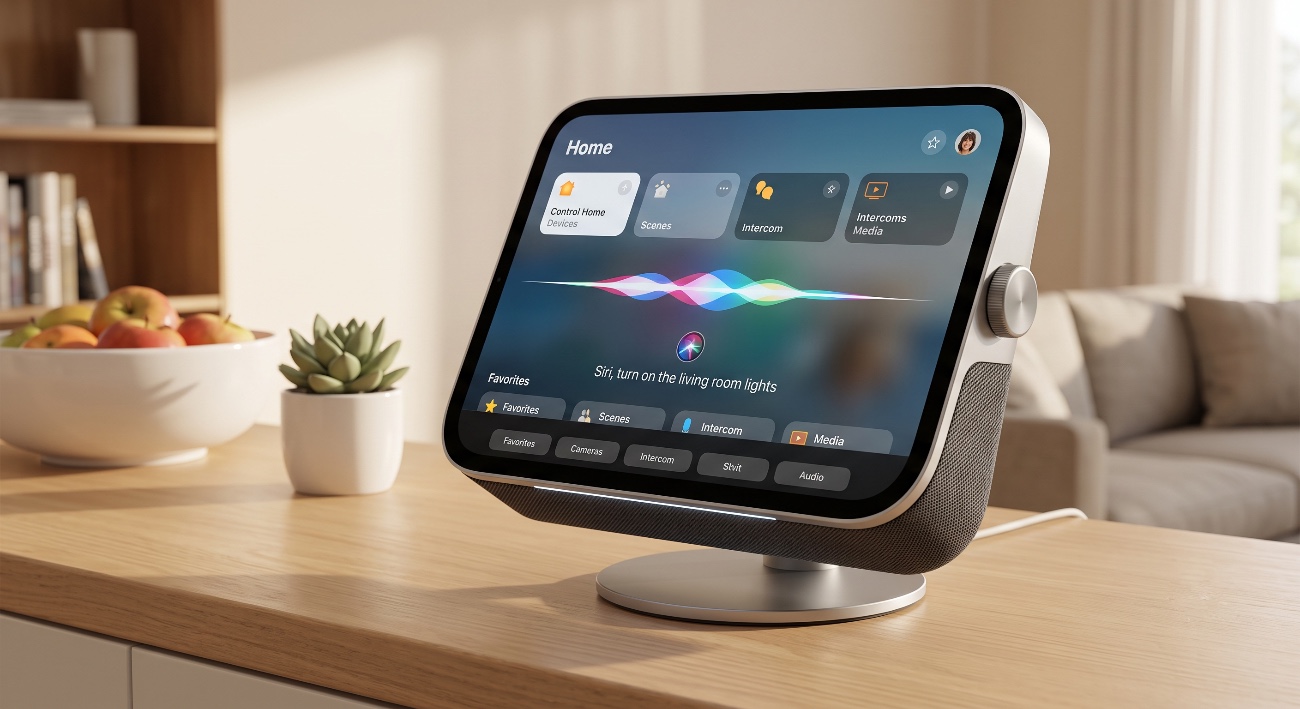
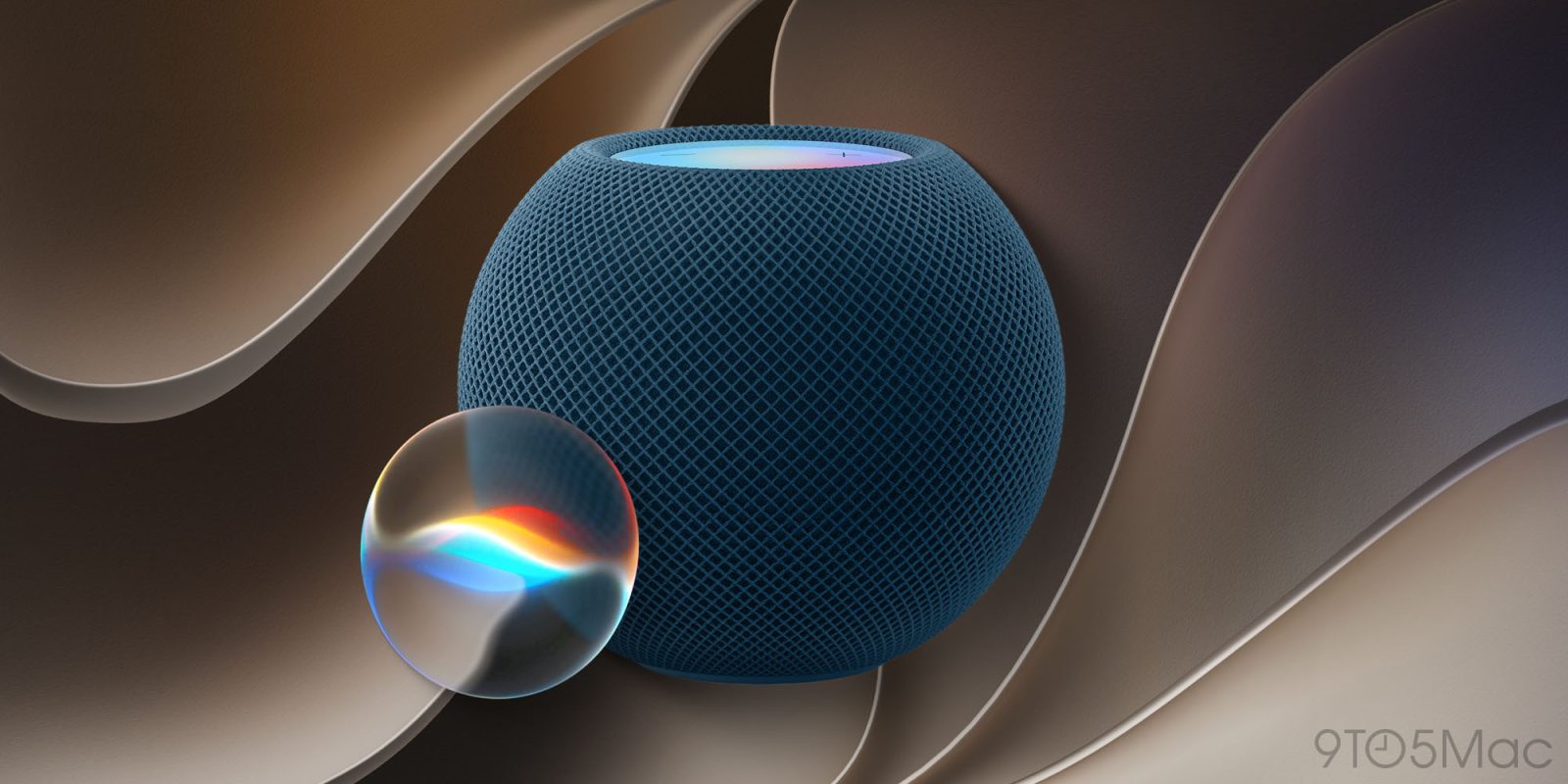
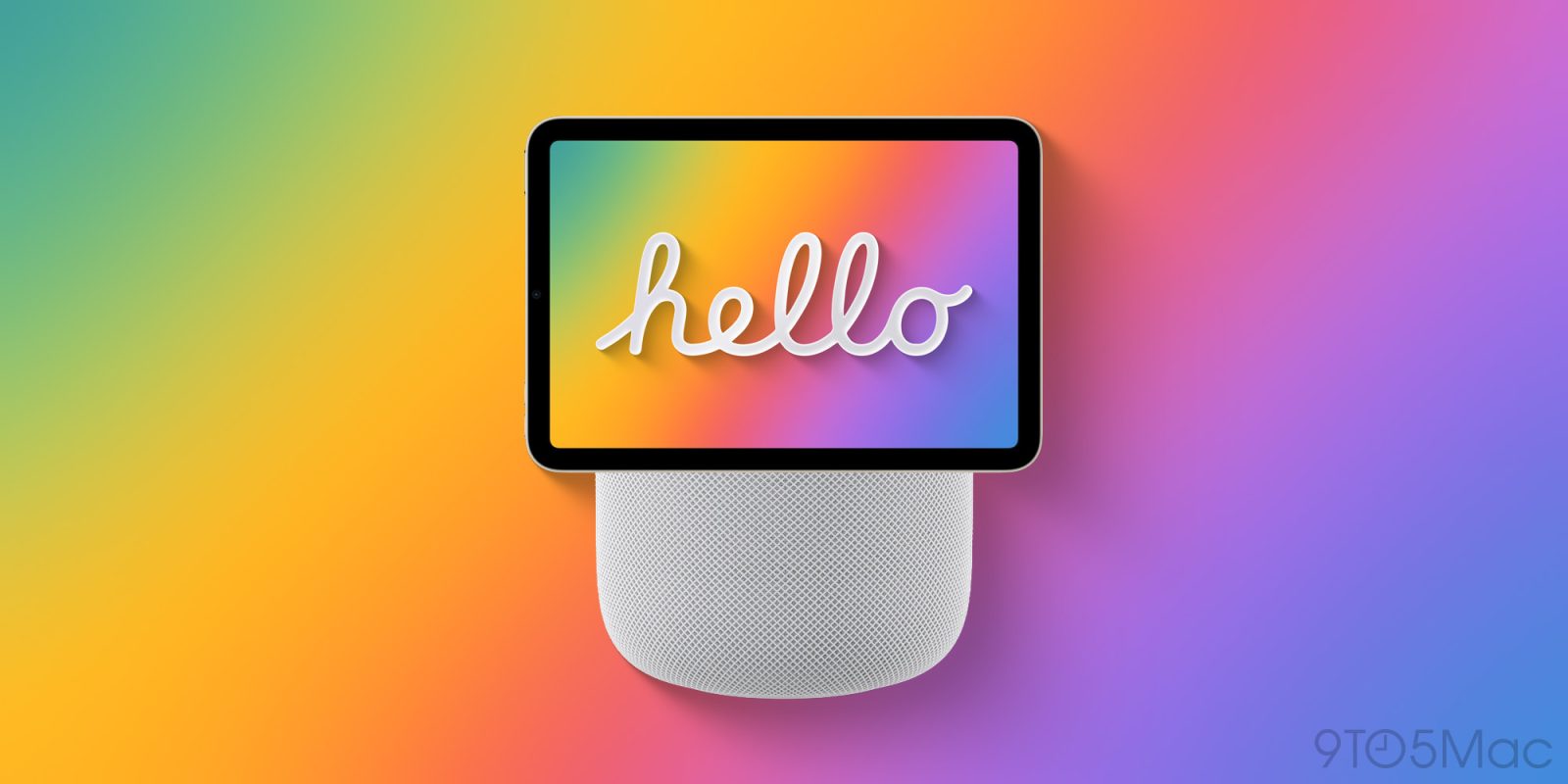
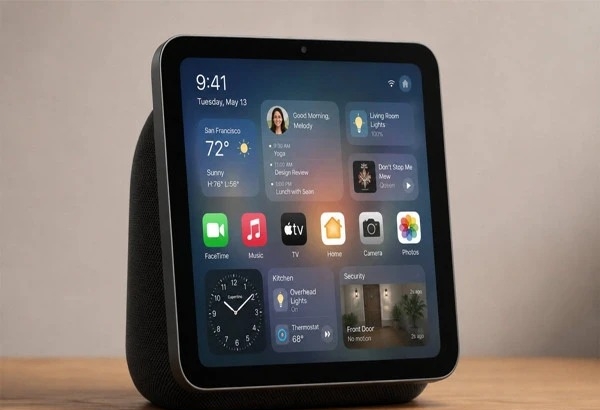
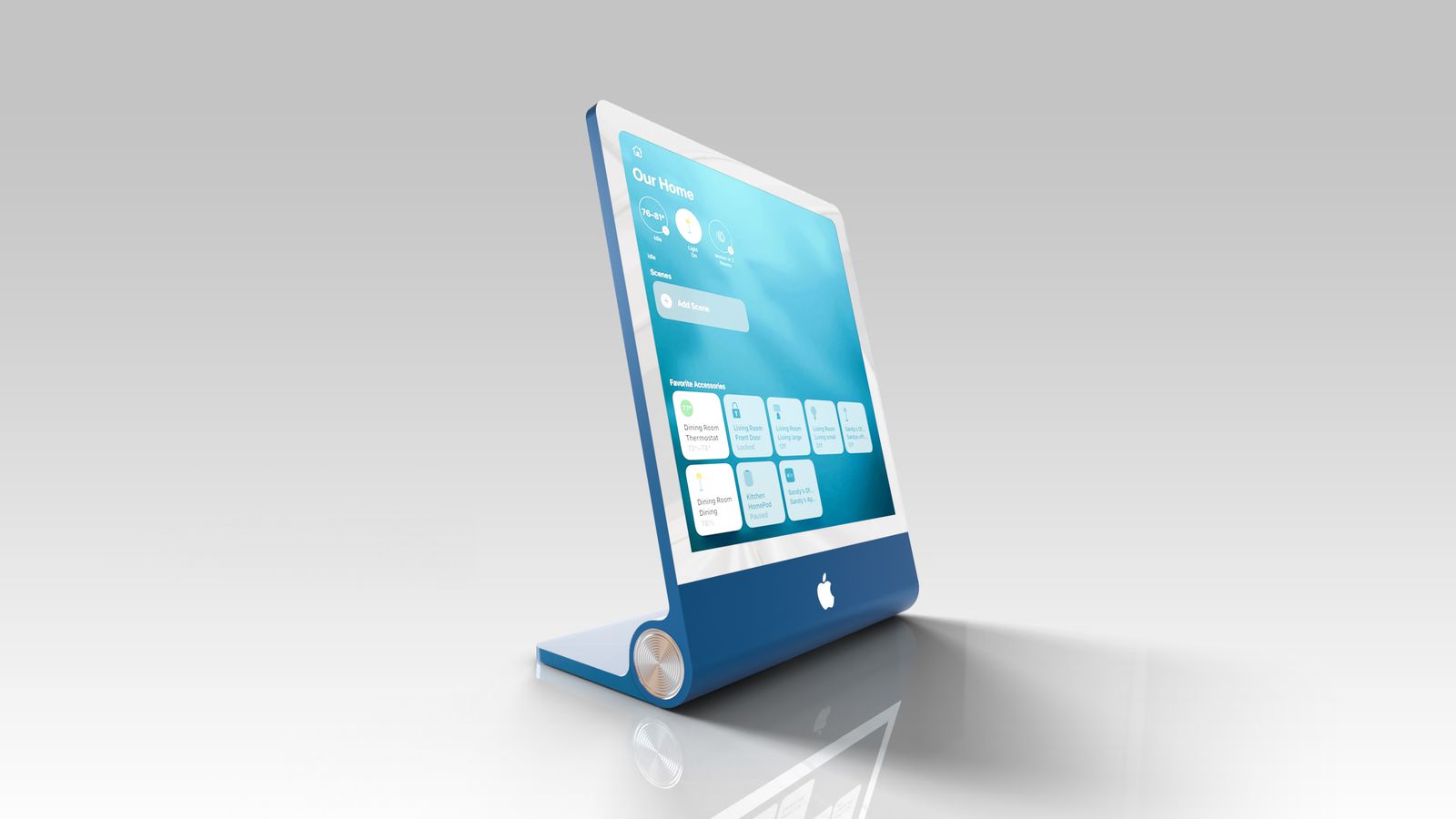
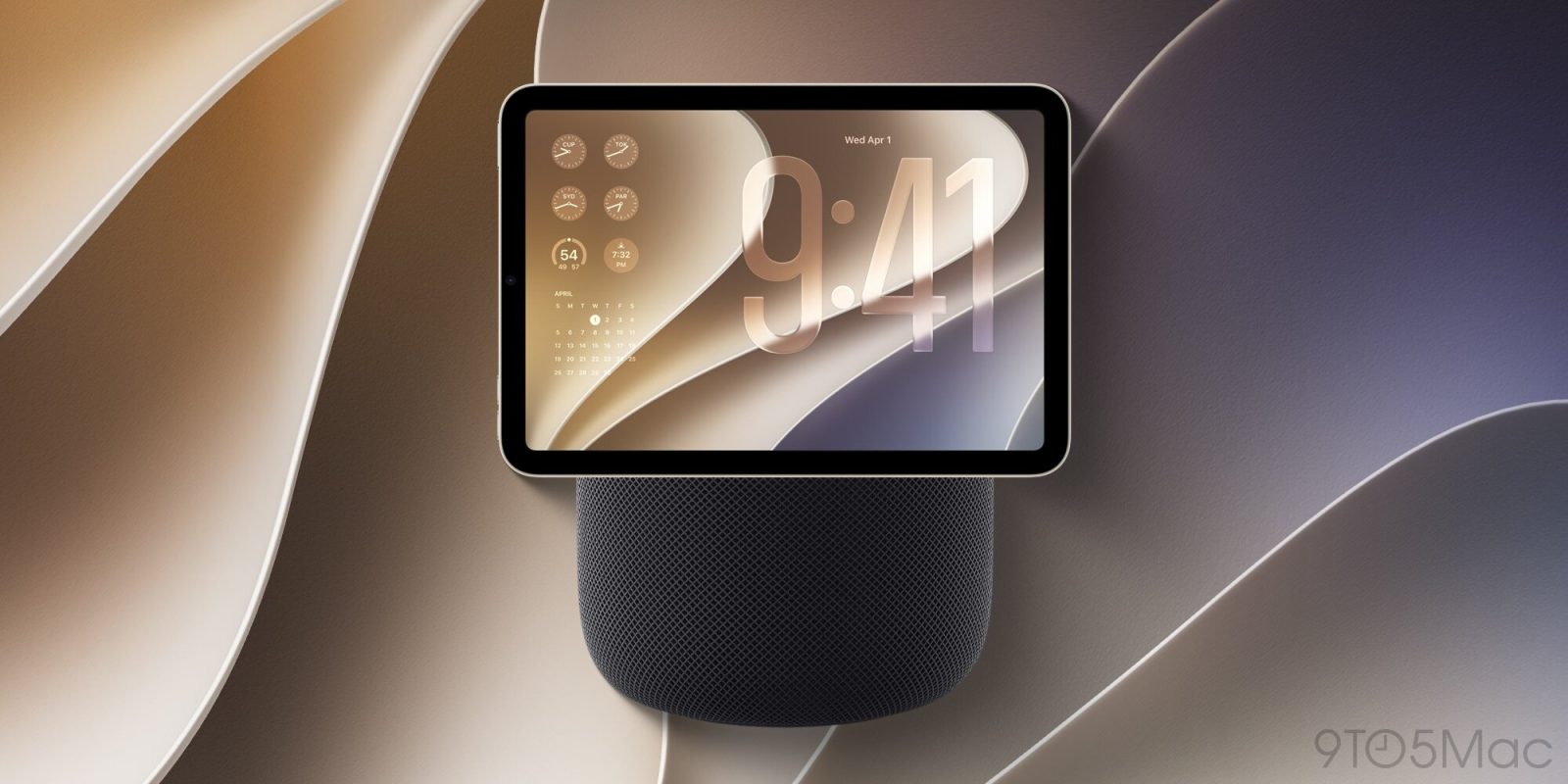
Apple's extensive retail store modifications ahead of fall 2024 product launches represent a critical inflection point for smart home accessory sellers and O2O retailers. According to Bloomberg's Mark Gurman, Apple stores are undergoing "significant" redesigns of Home product sections with rearranged displays and new accessory bays—a scale of preparation that indicates three major product launches: refreshed HomePod mini, updated Apple TV 4K, and the long-anticipated smart home hub with a 7-inch square display. The hub will feature two versions (speaker-equipped and wall-mountable), run a new operating system with home screen widgets, support FaceTime calls, and function as the central HomeKit hub. This coordinated retail strategy, timed to Apple's September keynote announcement, signals Apple's commitment to competing directly with Amazon Echo Show and Google Nest Hub in the smart display market.
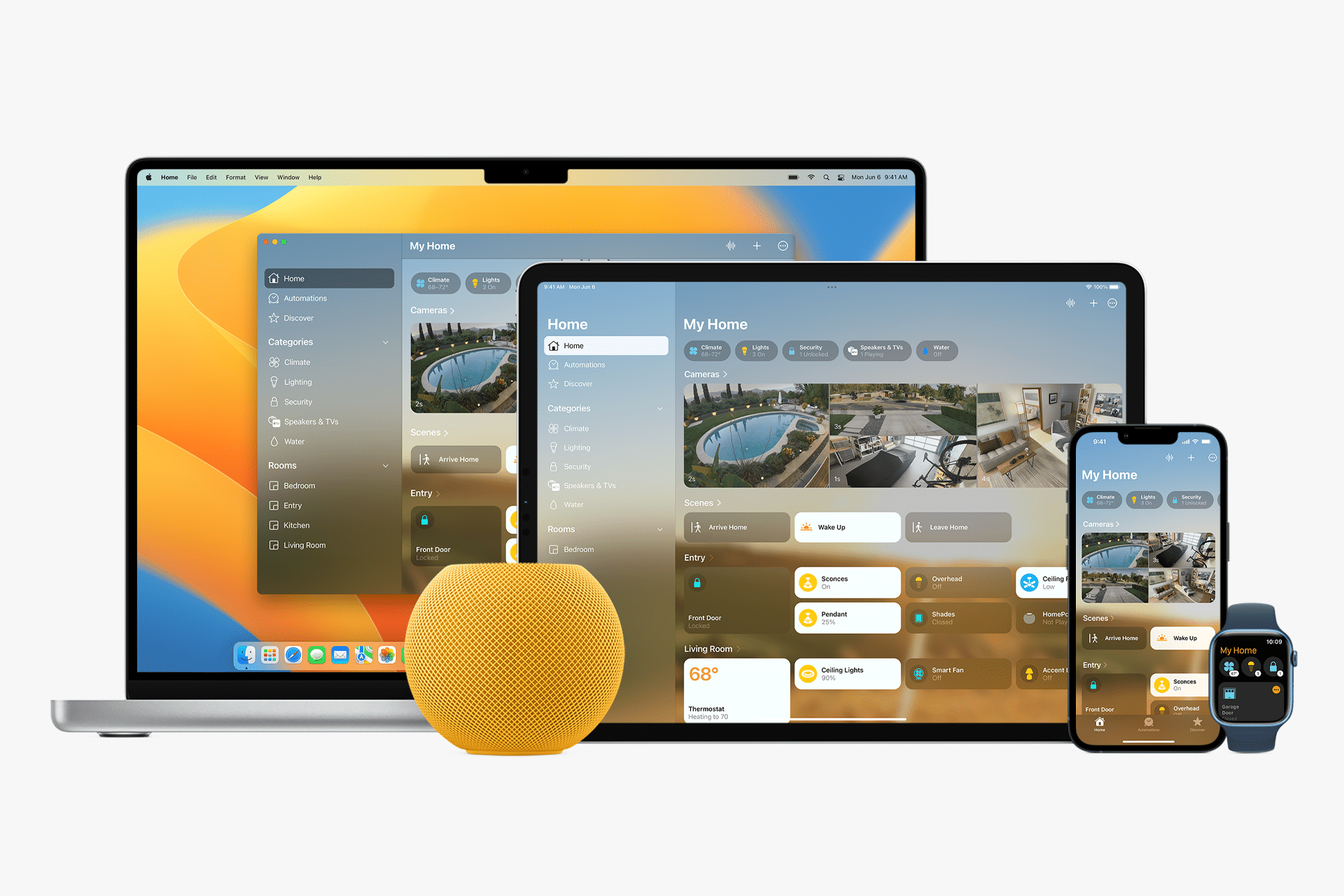
For O2O retailers and accessory sellers, this creates immediate opportunities across three dimensions. First, the retail redesigns indicate Apple is preparing flagship locations in major metropolitan areas (likely New York, Los Angeles, San Francisco, London, Tokyo, and Shanghai) as experiential hubs for smart home ecosystems. Pop-up retailers can position complementary products—smart lighting, door locks, thermostats, security cameras—in proximity to Apple Stores during the September-November launch window, capitalizing on foot traffic spikes of 30-50% typical during major Apple product launches. Second, the macOS 26.7 beta code reveals the HomePad will support iPhone widgets via Handoff and feature customizable "Faces" interfaces similar to Apple Watch, creating demand for third-party app integrations and smart home automation services. Sellers offering HomeKit-compatible accessories (locks, lights, plugs, cameras) can expect 40-60% demand acceleration during Q4 2024, based on historical patterns from Apple Watch and AirPods ecosystem launches. Third, the wall-mountable version and standard form factor indicate Apple is targeting both kitchen/living room and bedroom installations, expanding the addressable market for complementary products like smart speakers, display stands, and mounting hardware.
The competitive context amplifies urgency. Amazon's Echo Show and Google Nest Hub have dominated the smart display market with 65-70% combined market share, but Apple's ecosystem integration advantage—proximity detection, privacy-focused design, HomeKit native support—creates differentiation. Sellers should expect Apple to allocate 15-20% of retail floor space to Home products by Q4 2024, up from current 5-8%, based on the scale of store modifications reported. This retail expansion will drive consumer awareness and consideration, benefiting the entire smart home accessory category. The tabletop robot (codename J595) development, while not launching before 2027, signals Apple's long-term commitment to smart home hardware, suggesting sustained retail presence and marketing investment through 2025-2026. For sellers, this means the fall 2024 launch is the beginning of a multi-year growth cycle, not a one-time event.
Questions 7
What is the competitive advantage of Apple's smart home hub versus Echo Show and Nest Hub?
Apple's smart home hub differentiates through ecosystem integration, privacy-focused design, and native HomeKit support. The macOS beta code reveals the device will feature customizable 'Faces' interfaces similar to Apple Watch, iPhone proximity detection to manage personal information visibility, and support for iPhone widgets via Handoff. Amazon Echo Show and Google Nest Hub currently dominate the smart display market with 65-70% combined share, but Apple's privacy-first approach and deep iOS integration address long-standing competitive disadvantages. The wall-mountable version and standard form factor indicate Apple is targeting multiple room installations, expanding addressable market beyond kitchen/living room to bedrooms and home offices.
When should sellers launch pop-up stores or retail partnerships for smart home products?
Sellers should begin planning pop-up locations and retail partnerships immediately, targeting launch by late August 2024 to capture the September announcement and holiday shopping season. Apple typically announces new products during its September keynote event, making fall 2024 the confirmed launch timeframe. The extensive store modifications reported indicate Apple will allocate 15-20% of retail floor space to Home products by Q4 2024, up from current 5-8%, creating peak foot traffic during September-November. Retail partnerships with electronics chains, department stores, and specialty retailers should be negotiated by July 2024 to secure premium shelf space and promotional support during the critical launch window.