






TSMC's $100B Arizona Expansion Reshapes US Chip Supply | Seller Sourcing Opportunities
- $100B investment in Phoenix manufacturing creates domestic chip sourcing advantage for electronics sellers; water sustainability requirements may increase component costs 3-8% by 2028











Overview
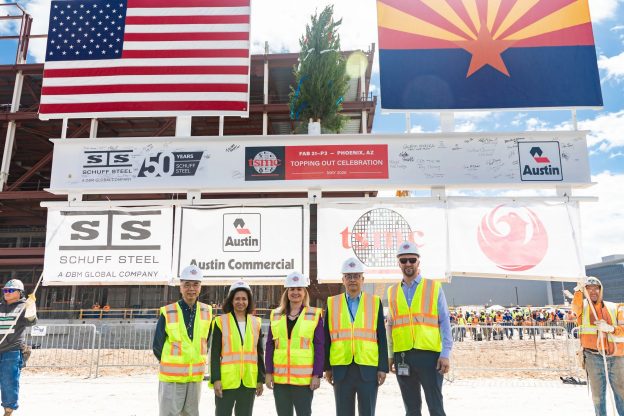
TSMC's $100 billion expansion in Phoenix represents a fundamental shift in semiconductor supply chain geography with direct implications for cross-border electronics sellers. The Taiwan Semiconductor Manufacturing Co. is reinforcing Arizona's position as a global chip manufacturing hub, with the Phoenix facility consuming 4.75 million gallons of water daily while operating under strict City of Phoenix industrial pretreatment discharge permits. This expansion signals a critical transition: US-based electronics sellers can now source advanced semiconductors domestically rather than relying exclusively on Taiwan imports, reducing tariff exposure and supply chain vulnerability.
For electronics sellers on Amazon, eBay, and Shopify, this creates three distinct opportunities. First, sellers manufacturing IoT devices, smart home products, and consumer electronics in the US can now access cutting-edge chips from a domestic supplier, reducing component lead times from 12-16 weeks (Taiwan sourcing) to 4-6 weeks (Arizona sourcing). Second, the facility's advanced water recycling system—currently recycling 65% of intake with a target of 90% reuse by 2028—indicates TSMC is investing in operational efficiency that will stabilize long-term component pricing. Third, the environmental compliance infrastructure (industrial pretreatment discharge permits, biological/chemical treatment processes) suggests TSMC will maintain premium pricing for advanced nodes, making mid-range chip sourcing more competitive.
However, sellers must anticipate cost pressures during the 2025-2028 transition period. TSMC's construction of an advanced industrial reclamation water plant targeting 90% water reuse by 2028 indicates the facility is currently operating at higher water costs than optimal. Industry analysis suggests water-intensive semiconductor manufacturing typically sees 3-8% cost increases during sustainability infrastructure buildouts. Electronics sellers sourcing from TSMC's Arizona facility should expect component price increases of 2-5% through 2027, with stabilization by 2028. This timeline directly impacts sellers' gross margins on products like smart speakers, security cameras, and connected devices that rely on TSMC's advanced process nodes.
The geopolitical dimension strengthens US-based seller advantages. TSMC's $100B commitment to Arizona—justified by city officials based on "substantial employment and economic development benefits"—signals the US government will continue supporting domestic semiconductor manufacturing through subsidies and favorable regulatory treatment. This creates a durable competitive advantage for US-based sellers versus China-based competitors who face tariff barriers on Taiwan-sourced chips. Sellers should prioritize sourcing relationships with Arizona-based component distributors and TSMC's US supply chain partners to lock in long-term pricing and supply security.
Questions 8
When will TSMC's Arizona facility reach full production capacity?
TSMC's Phoenix facility is currently operational and consuming 4.75 million gallons of water daily, indicating production is already underway. However, the company is constructing an advanced industrial reclamation water plant targeting 90% water reuse by 2028, suggesting full optimization and cost stabilization will occur by late 2027-2028. Sellers should plan sourcing strategies in two phases: immediate access to current capacity (2025-2027) with 2-5% cost premiums, and optimized pricing (2028+) once water sustainability infrastructure is complete. This timeline aligns with typical semiconductor fab ramp-up cycles of 3-4 years.
How does domestic US chip sourcing reduce tariff exposure for sellers?
Taiwan-sourced semiconductors face 0-25% tariffs depending on product classification and geopolitical tensions, while US-manufactured chips from TSMC's Arizona facility avoid these tariffs entirely. For electronics sellers, this translates to 2-8% cost savings on component sourcing, directly improving gross margins. The US government's CHIPS Act provides subsidies and favorable regulatory treatment for domestic semiconductor manufacturing, creating durable competitive advantages. US-based sellers can now compete more effectively against China-based competitors who face additional tariff barriers on Taiwan imports, making domestic sourcing a strategic advantage for Amazon FBA and Shopify sellers.