



LinkedIn's AI Slop Filter Reduces AI-Generated Content Reach 40% | B2B Seller Content Strategy Shift
- 1M+ user reports in 3 weeks signal demand for authentic content; sellers must pivot from AI-generated to human-verified B2B marketing on LinkedIn


)




/socialsamosa/media/media_files/2026/08/20/13-13-2026-08-20-14-43-38.jpg)















Overview
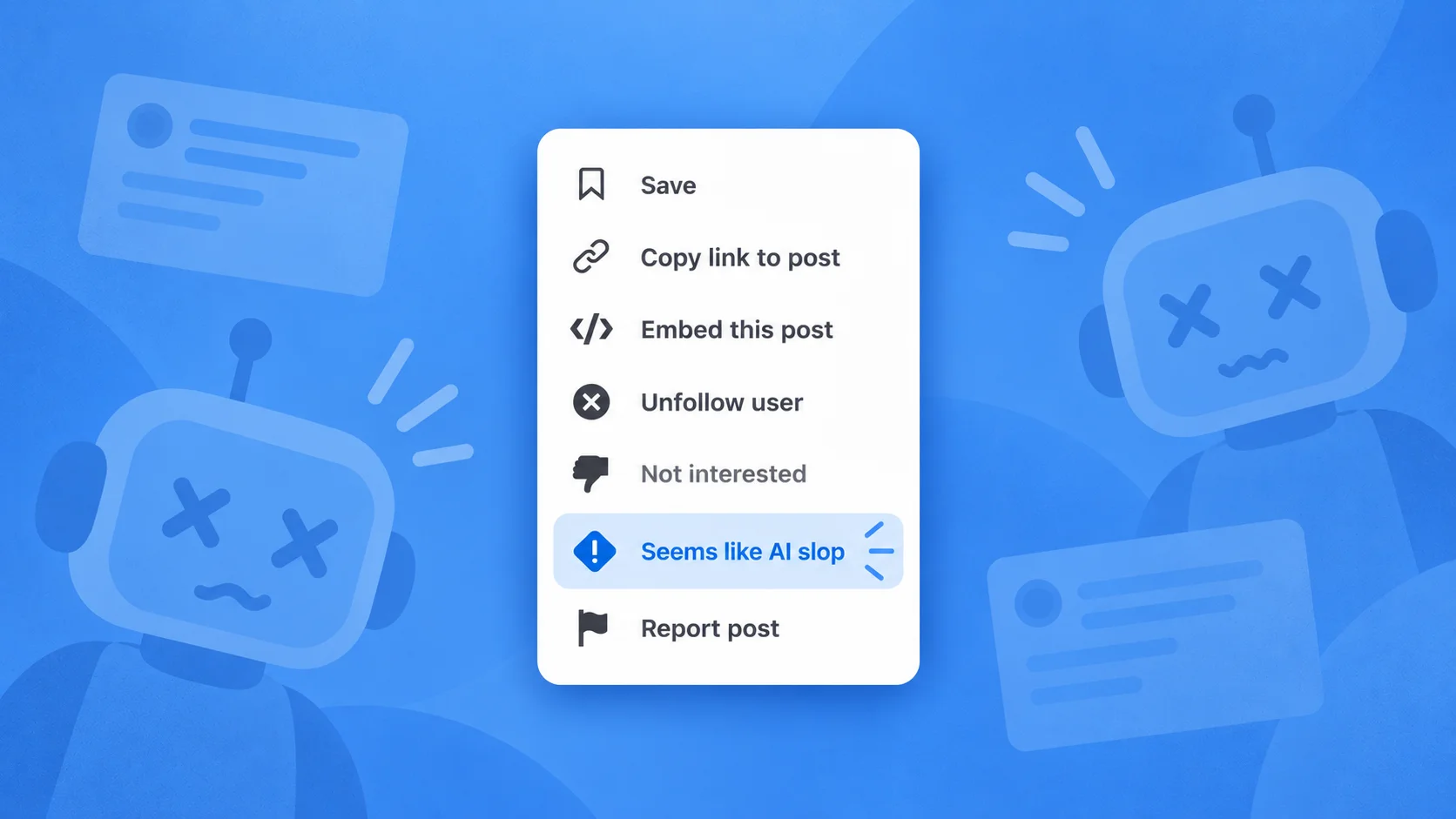
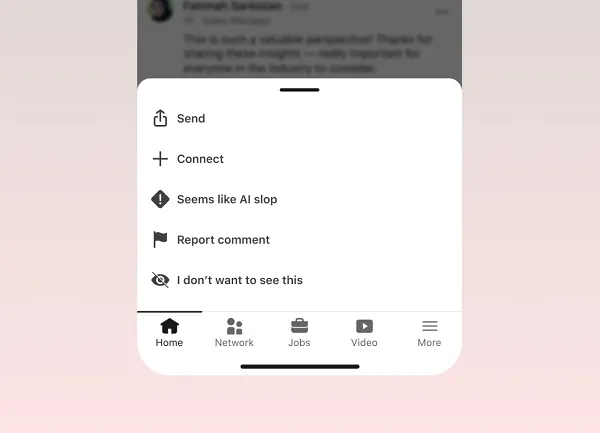
LinkedIn's aggressive crackdown on AI-generated content represents a fundamental shift in B2B marketing dynamics that directly impacts how sellers build brand authority and generate qualified leads. Since launching its "Seems like AI slop" feedback button on July 30, 2025, the platform has recorded over 1 million user reports within three weeks, with LinkedIn's Chief Product Officer Hari Srinivasan confirming that AI-classified content now receives approximately 40% fewer views compared to pre-launch periods. Research from Pangram AI-detection company found that 41% of LinkedIn longform posts were flagged as fully AI-generated, indicating systemic content quality degradation that LinkedIn is actively suppressing through updated detection classifiers and algorithmic penalties.
For B2B sellers and service providers, this creates both immediate risk and strategic opportunity. The platform removed its "enhance your post" AI feature in July and replaced it with a proofreader tool, signaling that LinkedIn now distinguishes between legitimate AI assistance (grammar checking, editing) and low-quality automated content (engagement-farming, repetitive advice, generic posts). Sellers who have relied on AI-generated content for LinkedIn prospecting—particularly in SaaS, consulting, recruitment, and professional services—face a 40% organic reach penalty, directly reducing lead generation efficiency. The platform's automatic detection systems previously caught hundreds of thousands of AI-slop comments daily and billions of automation attempts, demonstrating the scale of the problem and LinkedIn's commitment to enforcement.
The strategic implication for sellers is clear: authentic, human-verified content now commands premium visibility and engagement. LinkedIn's dual-purpose feedback mechanism (helping refine detection algorithms while providing community-driven quality signals) means that posts flagged by multiple users receive algorithmic suppression, creating a reputation risk for sellers who continue publishing AI-generated material. The platform plans to display analytics messages alerting users when viewers perceive excessive AI usage, adding transparency that could damage seller credibility. For sellers targeting B2B audiences—particularly in high-trust categories like financial services, healthcare, legal, and enterprise software—this shift rewards investment in original thought leadership, case studies, and authentic employee advocacy programs. The 40% reach reduction for AI content effectively increases the cost of inauthentic marketing while reducing the cost of genuine engagement, fundamentally altering LinkedIn's ROI dynamics for seller content strategies.
Questions 7
How can sellers distinguish between legitimate AI assistance and prohibited AI-generated content on LinkedIn?
LinkedIn permits AI tools for proofreading, grammar checking, and editing—the platform replaced its 'enhance your post' feature with a proofreader tool in July 2025. However, using AI to generate original post content, create engagement-farming comments, or produce repetitive generic advice violates the policy. Sellers should use AI for post refinement only, not creation. The platform's analytics messages will alert sellers when viewers perceive excessive AI usage, providing real-time feedback on content authenticity. To stay compliant, sellers should ensure all original ideas, examples, and insights come from human expertise, with AI serving only as a writing assistant.
What is the financial impact of the 40% reach reduction for sellers using AI-generated LinkedIn content?
A 40% reach reduction directly translates to 40% fewer impressions, profile visits, and qualified leads from LinkedIn organic content. For B2B sellers generating 50-100 qualified leads monthly from LinkedIn, this represents a loss of 20-40 leads per month. At typical B2B conversion rates (2-5%), this could mean 1-2 lost customers monthly. For sellers with $5,000-$50,000 average deal values, the monthly revenue impact ranges from $5,000-$100,000 depending on deal size and conversion rates. Sellers should immediately shift to human-verified content strategies and consider increasing LinkedIn advertising spend to compensate for organic reach losses while rebuilding authentic content credibility.