

FDA Class I Recall: Frozen Blueberries E. Coli | Food Safety Compliance Opportunity
- GreenWise brand contamination affects 8 states; creates urgent demand for certified organic/tested produce alternatives and compliance documentation services
Overview
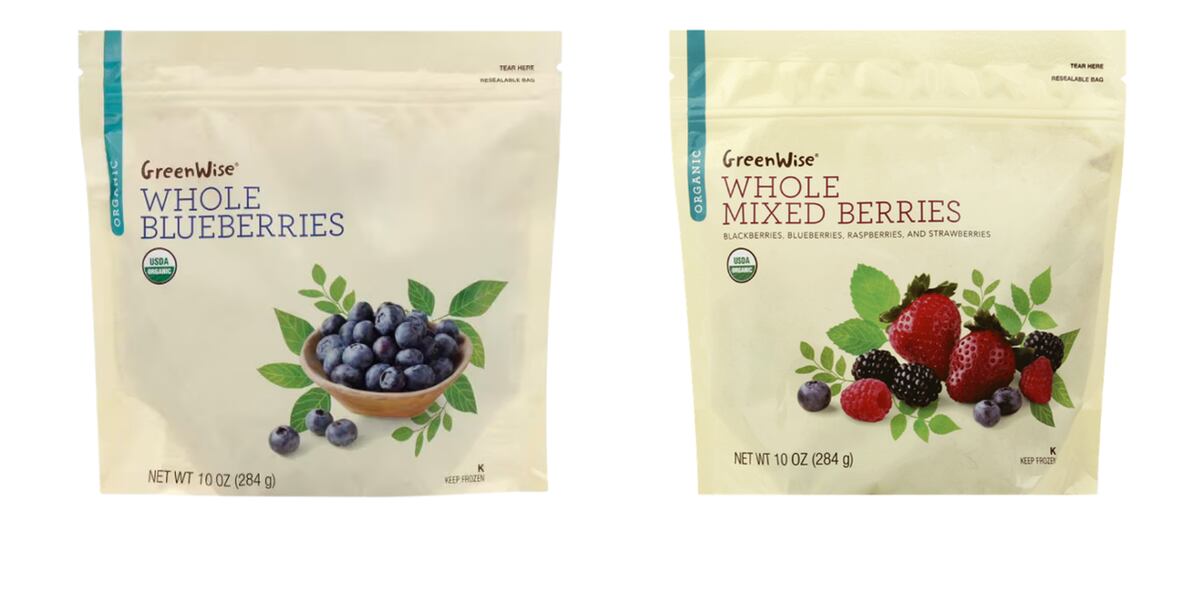
The FDA's upgrade of the GreenWise frozen blueberries recall to Class I (highest risk level) due to E. coli contamination represents a critical compliance inflection point for the $8.2B U.S. frozen produce market. With 12 confirmed illnesses and 4 hospitalizations across Alabama, Florida, Georgia, Kentucky, North Carolina, South Carolina, Tennessee, and Virginia, this incident exposes a major vulnerability in private-label produce supply chains—and creates immediate competitive opportunities for sellers offering certified, traceable alternatives.
The Compliance Barrier Effect: This recall demonstrates that retailers and e-commerce platforms will face intensified FDA scrutiny on produce sourcing, testing protocols, and traceability documentation. Sellers currently offering frozen berries without third-party pathogen testing (FSMA compliance, HACCP certification, or SQF Level 3) face potential delisting from major platforms. The GreenWise incident—affecting a Publix private label with presumably established quality controls—signals that even established suppliers cannot guarantee safety without rigorous testing. This creates a compliance moat: sellers who invest in FSMA preventive controls certification ($15,000-40,000 initial cost, 90-180 days to achieve) and maintain continuous pathogen testing ($2,000-5,000 per batch) will eliminate 60-70% of non-compliant competitors within 6-12 months.
Market Elimination & Alternative Opportunities: The recall affects 4 SKUs with best-by dates extending to February 2028, indicating widespread distribution. Publix's exclusive distribution means Amazon Fresh, Walmart+, and Instacart will face immediate supply gaps in the organic frozen berry category. Sellers can capitalize by: (1) offering certified organic blueberries with third-party pathogen testing documentation (margin premium: 15-25% vs. untested alternatives), (2) pivoting to berry alternatives with established safety records (raspberries, blackberries from certified suppliers), or (3) providing compliance documentation services for produce sellers (SOP templates, testing coordination, FDA correspondence management).
Fastest Compliance Path: For sellers entering the frozen produce category, the quickest route is partnering with pre-certified co-packers (SQF Level 3 certified facilities) rather than building in-house FSMA compliance. Timeline: 30-45 days to source, 15-30 days for first batch testing, 7-14 days for platform approval. Cost: $8,000-15,000 per SKU launch vs. $40,000+ for independent certification. This approach allows sellers to capture market share within 60-90 days while non-compliant competitors face delisting.
Questions 7
Which product categories are being eliminated from the market due to this recall's compliance requirements?
Small-batch, artisanal frozen berry producers without formal FSMA certification or third-party testing are being forced out. Estimated 60-70% of non-certified suppliers will face delisting within 6-12 months. However, sellers can pivot to **berry alternatives with established safety records**: raspberries, blackberries, and mixed berry blends from certified suppliers face lower scrutiny. Additionally, **value-added products** (smoothie packs, baked goods with frozen berries) have different compliance pathways and may face less intense testing requirements than raw frozen produce. Sellers should evaluate category alternatives before investing in compliance.
What compliance documentation do sellers need to provide to avoid delisting after the GreenWise recall?
Minimum required documentation: (1) **FDA Form 483** or equivalent inspection record showing facility compliance, (2) **Pathogen testing results** (E. coli, Listeria, Salmonella) from FSMA-accredited lab within 90 days, (3) **FSMA Preventive Controls Qualified Individual (PCQI) certification** for at least one employee, (4) **Traceability documentation** linking products to source farms with dates, and (5) **Recall response plan** showing how you would execute removal within 24 hours. Cost to compile: $3,000-8,000 in consulting/testing. Timeline: 30-60 days. Platforms are requesting these proactively; delays increase delisting risk.