


Nvidia's $20B Groq Acquisition Unlocks Agentic AI Infrastructure | E-Commerce Automation Opportunity
- Groq 3 LPX delivers 3,400 tokens/second (4x faster than competitors), enabling real-time AI agents for seller automation; cloud providers now charge premium rates for low-latency inference services critical for product research, pricing optimization, and customer service automation













Overview
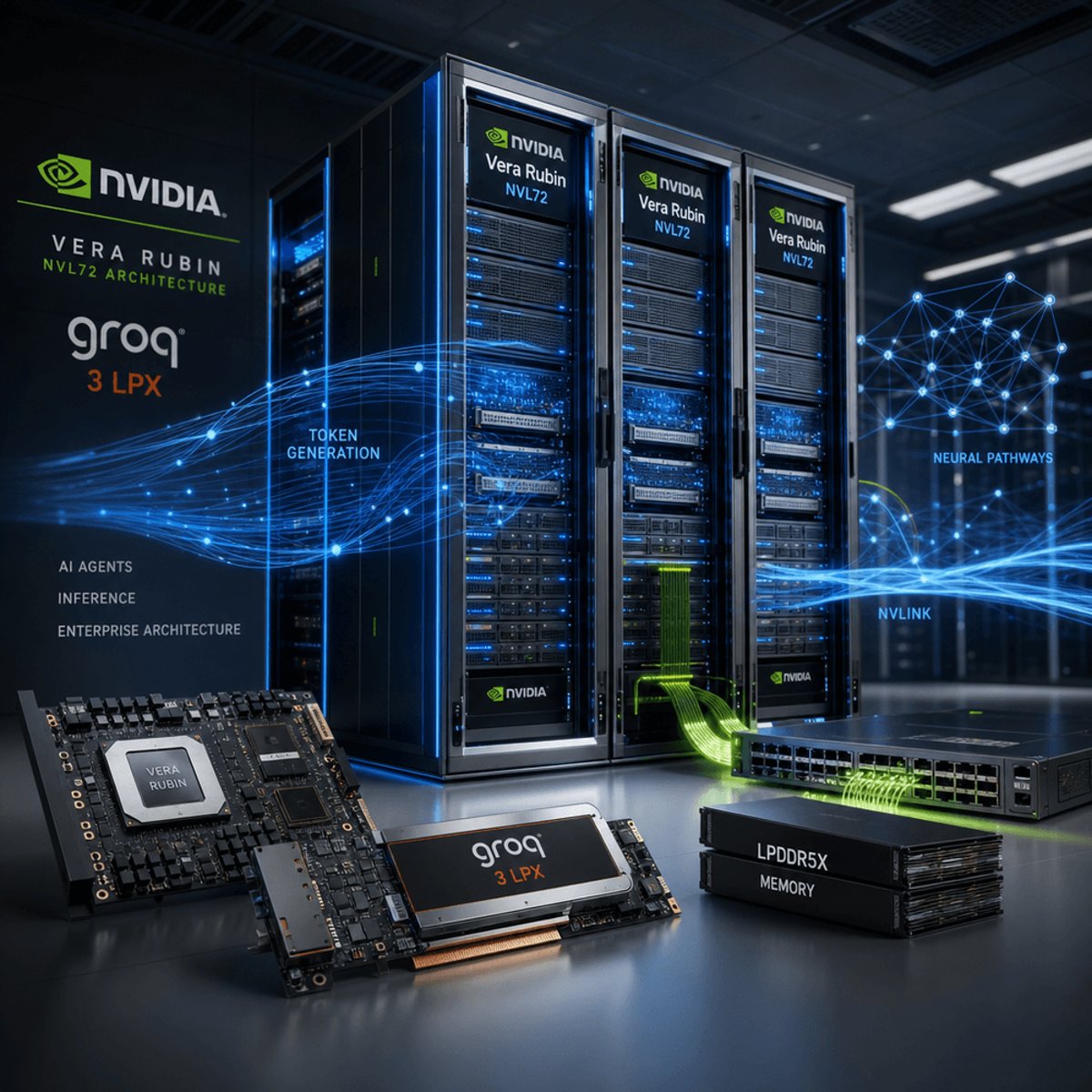
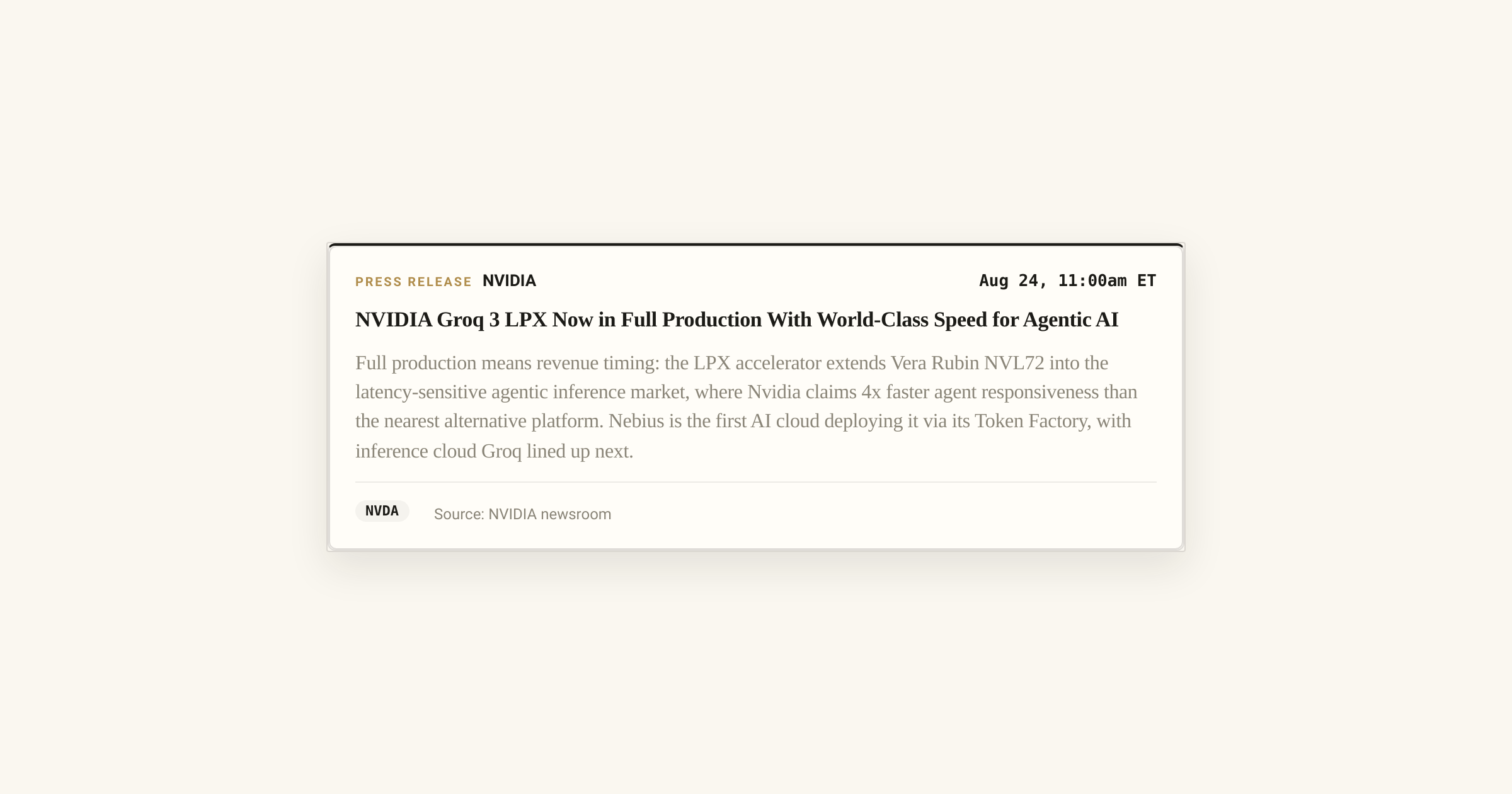
Nvidia's $20 billion acquisition of Groq (December 2025) marks a fundamental shift in AI inference architecture that directly impacts e-commerce sellers' ability to deploy real-time autonomous agents. The Groq 3 LPU-based LPX rack systems achieve 3,400 tokens per second on Google's Gemma 4 31B model—4x faster than competing platforms like Cerebras (882 tokens/second) and OpenAI's Ultrafast mode (750 tokens/second)—according to independent benchmarks by Artificial Analysis. This breakthrough addresses the critical bottleneck in agentic AI: decode latency that creates delays when AI agents reason, plan, and execute complex multistep tasks. For e-commerce sellers, this translates to immediate automation opportunities: faster product research agents that scan competitor listings in real-time, dynamic pricing algorithms that adjust to market conditions within milliseconds, and customer service bots that handle multi-turn conversations with 100K-token context windows without user-facing delays.
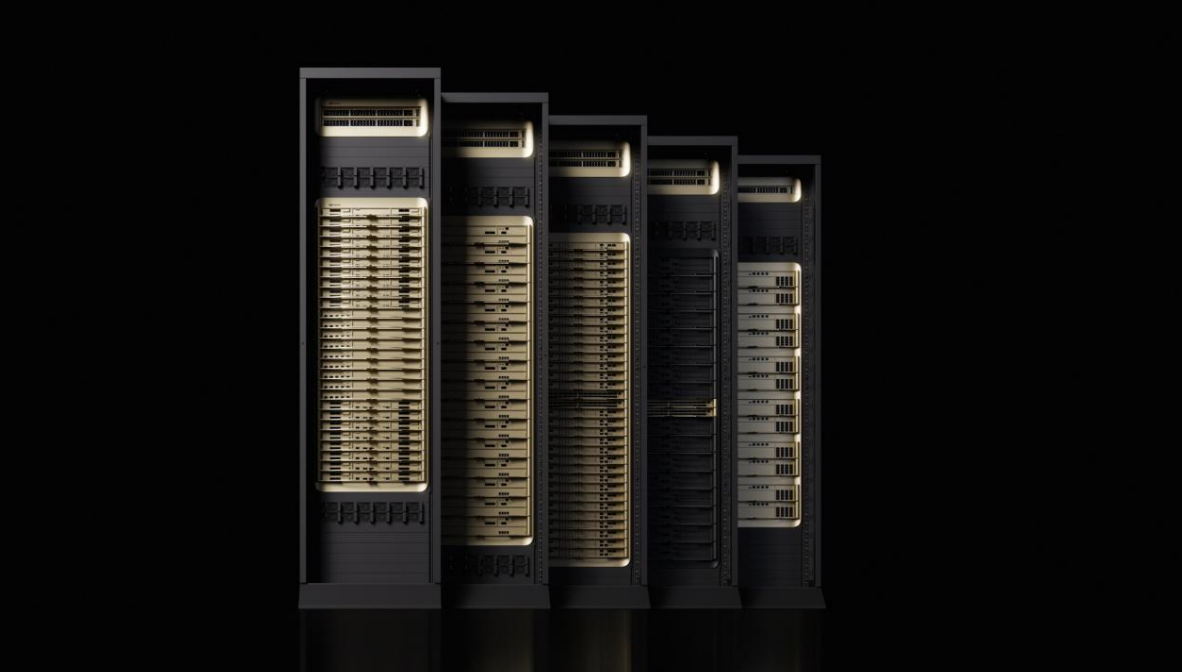
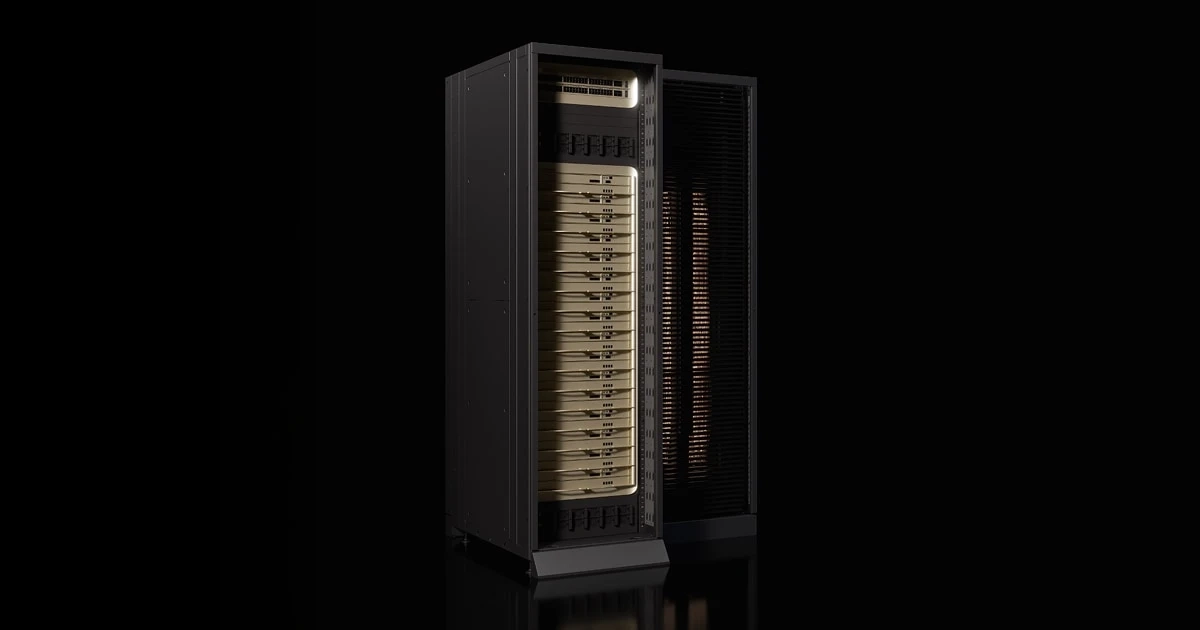
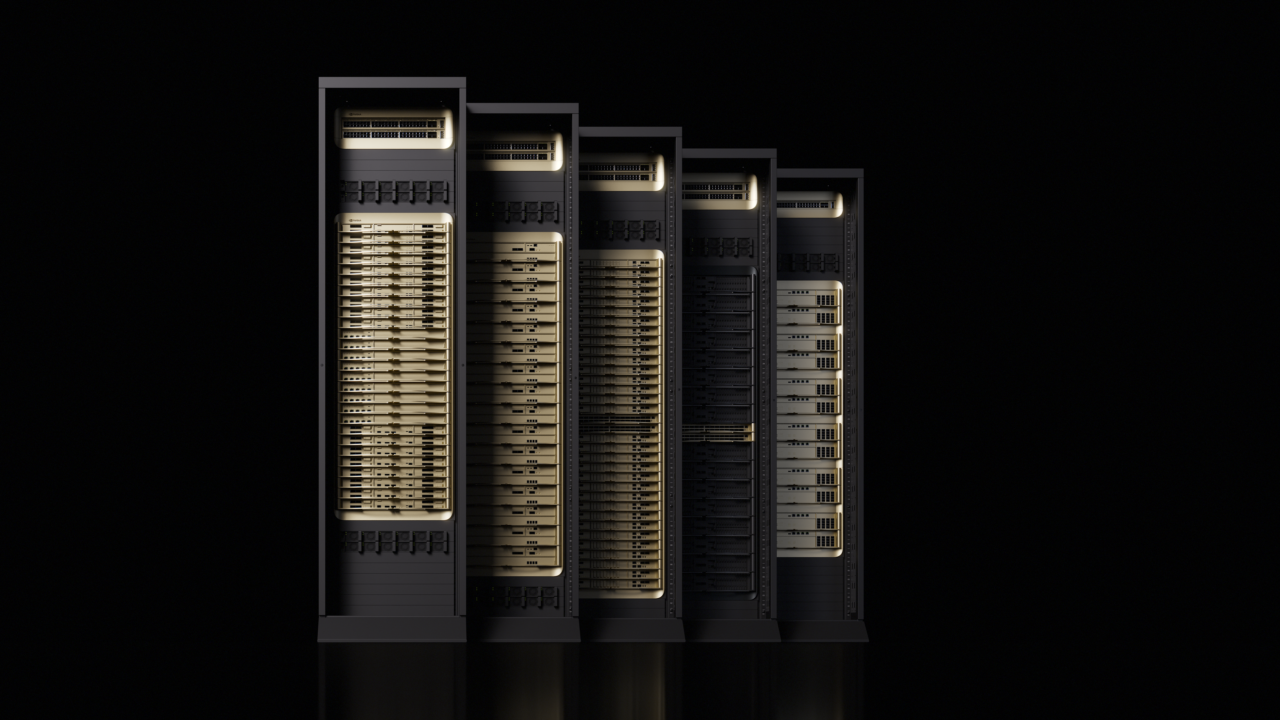
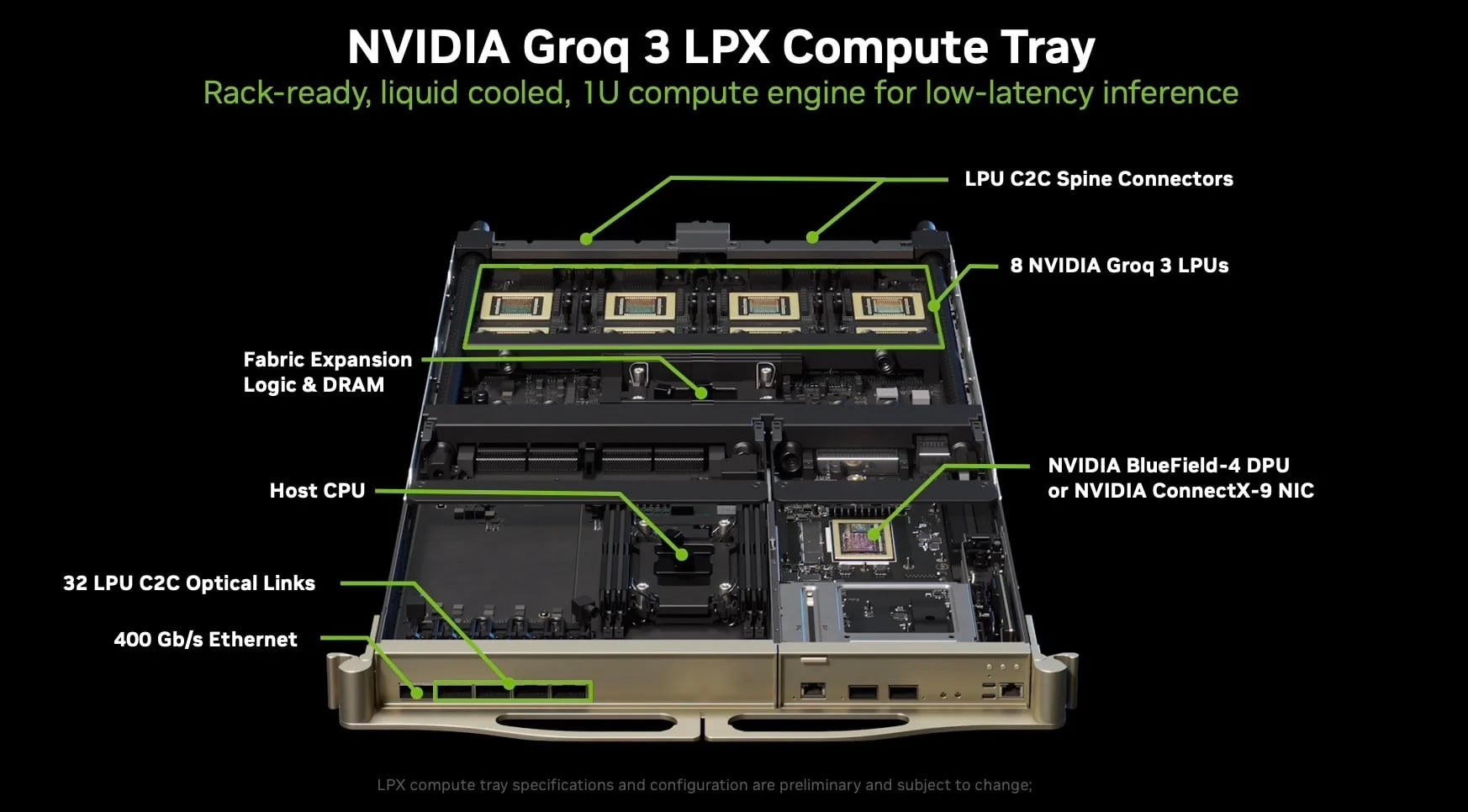
The technical architecture directly enables seller automation workflows. Groq 3 LPU features on-die SRAM (2.75 terabytes per chip, 500MB per individual LPU) that eliminates memory bandwidth bottlenecks plaguing traditional GPU-based inference. Each LPX rack packages 256 LPU chips delivering 128GB collective SRAM capacity, enabling deployment of 2-trillion parameter models with high interactivity. Nebius Group N.V. (Netherlands-based cloud provider) has become the first customer, integrating Groq 3 into its Nebius Token Factory production inference platform specifically for "extreme token generation speeds for agentic applications." This validates immediate market adoption and production readiness. Nvidia CEO Jensen Huang projected $1 trillion in cumulative sales between Blackwell and Vera Rubin systems through 2027, with a quarter of datacenter space allocated to coding applications (where latency sensitivity is highest). SpaceX has committed as a flagship customer, signaling enterprise-scale deployment confidence.
For e-commerce sellers, the competitive advantage window is immediate but compressed. Cloud providers leveraging Groq 3 can now charge premium rates for token-serving services—particularly for latency-sensitive applications like real-time product matching, inventory optimization, and competitive intelligence gathering. Sellers who adopt Groq-powered AI agents in 2026-2027 gain 6-12 month competitive moats before competitors catch up. However, technical limitations exist: the Gemma 4 31B benchmark (optimal use case) requires 64 LPU chips, while scaling to larger mixture-of-experts models like DeepSeek V3 demands over 5 LPX racks—creating cost barriers for mid-market sellers. Cerebras' newly announced CS-4 accelerators (doubling compute and memory bandwidth) and AMD-Cerebras heterogeneous GPU-WSE configurations launching later in 2026 may diminish Nvidia's performance advantage. The strategic implication: sellers must act NOW to integrate Groq-powered agents into product research, pricing, and customer service workflows before competitive parity erodes the 4x speed advantage into commodity pricing.
Questions 8
Which seller segments should prioritize Groq 3 adoption in 2026?
**High-Priority Segments**: (1) High-velocity sellers (10,000+ SKUs) where dynamic pricing generates $5K+ monthly margin improvement; (2) Marketplace sellers (Amazon, eBay, Shopify) competing on real-time inventory visibility and pricing; (3) Sellers in competitive categories (electronics, apparel, home goods) where 1-2% price advantages drive significant volume; (4) International sellers managing multi-currency/multi-market pricing. **Medium-Priority**: Mid-market sellers ($1-10M annual revenue) with 1,000-5,000 SKUs where automation ROI is 200-400% annually. **Lower-Priority**: Small sellers (<$500K revenue) where GPU-based inference remains cost-effective and latency tolerance is higher. Sellers should pilot Groq 3 with 100-500 high-margin SKUs first, measuring margin improvement and cost-per-transaction, before scaling to full catalog.
How does Groq 3's architecture compare to competing inference accelerators like Cerebras and AMD?
Groq 3 LPU achieves 3,400 tokens/second on Gemma 4 31B vs. Cerebras CS-3 (882 tokens/second)—a 4x advantage. However, Cerebras' newly announced CS-4 accelerators double compute and memory bandwidth, potentially narrowing the gap. AMD-Cerebras heterogeneous GPU-WSE configurations launching later in 2026 may further erode Nvidia's advantage. The key technical difference: Groq uses SRAM-heavy architecture (2.75TB per chip) optimized for decode-phase inference, while Cerebras and AMD focus on broader model serving. For sellers, this means Groq excels at latency-sensitive tasks (real-time pricing, customer service) but may not be optimal for batch processing (overnight inventory analysis). Sellers should evaluate workload patterns: if 70%+ of inference is latency-sensitive, Groq 3 justifies premium pricing; if batch processing dominates, standard GPUs remain cost-effective.