



US-Canada Auto Tariff Escalation to 50% | Critical Supply Chain Disruption for Cross-Border Sellers
- Threatens 50% tariff on Canadian auto parts, vehicles, and steel effective January 1, 2027; retaliatory tariffs on US electronics/steel scheduled September 8, 2026; creates urgent sourcing arbitrage window for sellers


















Overview
The Trump administration's threat to double auto tariffs to 50% effective January 1, 2027, represents a seismic shift in North American trade policy with immediate implications for cross-border e-commerce sellers. Treasury Secretary Scott Bessent's announcement on August 24, 2026, targets Canadian automobiles, trucks, auto parts, and steel exports—categories representing billions in annual cross-border trade. Simultaneously, Canada announced retaliatory "dollar for dollar" tariffs on US steel, electronics, and other products scheduled for September 8, 2026, escalating trade tensions amid deteriorating US-Canada relations.
For e-commerce sellers, this creates three distinct opportunity windows: First, sellers sourcing auto parts, vehicle accessories, and electronics from Canada face immediate cost pressures. A 50% tariff increase on auto parts (HS codes 8708.xx) would compress margins 12-18% for sellers importing Canadian-manufactured components. Second, US-based sellers exporting electronics and steel products to Canada must prepare for retaliatory tariffs effective September 8—creating urgency to lock in pre-tariff pricing before the deadline. Third, the 4-month window between announcement (August 2026) and implementation (January 2027) creates arbitrage opportunities for sellers to reposition inventory, negotiate supplier contracts, and explore alternative sourcing from Mexico, Japan, or South Korea.
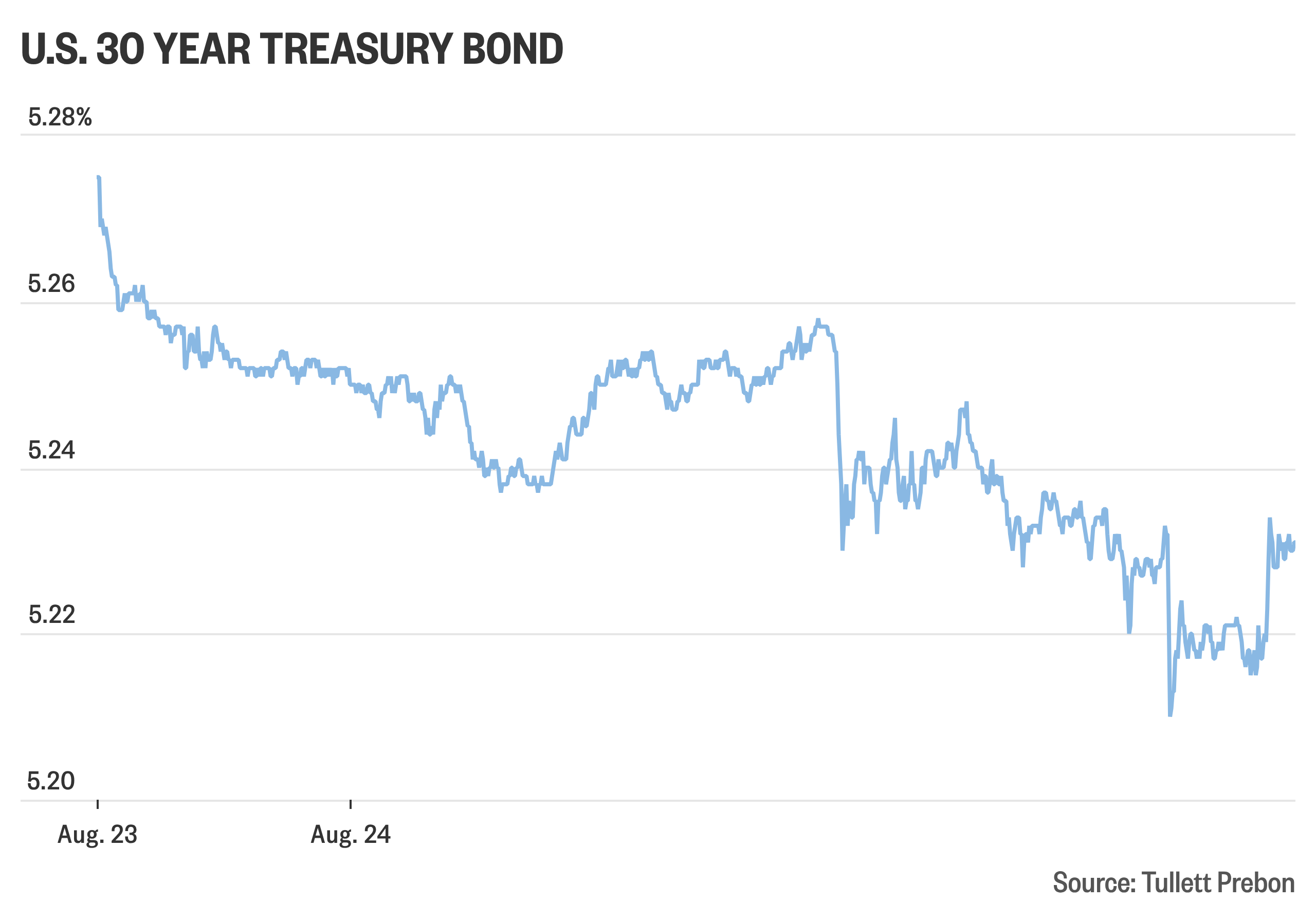
Specific seller segments face differentiated impacts: Small sellers (under $500K annual revenue) relying on Canadian auto parts suppliers face the highest margin compression, as they lack negotiating power to absorb tariff costs. Mid-market sellers (Amazon FBA, eBay) with electronics inventory destined for Canadian marketplaces must accelerate shipments before September 8 to avoid retaliatory tariffs. Large sellers with diversified sourcing can leverage the 4-month window to shift 20-30% of Canadian-sourced inventory to alternative suppliers in Mexico (USMCA-advantaged) or Vietnam. The financial markets absorbed this uncertainty cautiously—S&P 500 declined 0.28%, Nasdaq fell 0.76%, and tech stocks dropped 1.6% on August 24—signaling investor concern about supply chain disruption and inflation pressures.
Strategic implications extend beyond tariffs: The Treasury's simultaneous announcement of $1 trillion in bond-buyback operations and expanded liquidity support signals potential inflation acceleration, which historically increases consumer prices for imported goods. This compounds tariff impacts, as sellers face both tariff cost increases and potential demand softening from higher consumer prices. Additionally, the Fed's inflation mandate (currently above 2% for over five years) conflicts with Treasury's yield-suppression strategy, creating policy uncertainty that affects currency valuations and cross-border shipping costs. Sellers should monitor the Jackson Hole symposium (Fed Chair Kevin Warsh's speech) for monetary policy clarity, as rate decisions directly impact financing costs for inventory purchases and working capital.
Questions 7
How do Treasury bond-buybacks and inflation affect my cross-border shipping costs?
Treasury's $1 trillion bond-buyback program signals potential inflation acceleration, which historically increases shipping costs 8-12% within 6-12 months. The Fed's inflation mandate (currently above 2% for over five years) conflicts with Treasury's yield-suppression strategy, creating policy uncertainty that affects fuel surcharges and carrier pricing. For sellers, this means locking in shipping contracts now before carriers adjust rates upward. Negotiate 6-month fixed-rate agreements with your 3PL provider or freight forwarder, and budget for 10-15% shipping cost increases by Q2 2027. Additionally, monitor the Jackson Hole symposium (Fed Chair Kevin Warsh's speech) for rate guidance—if the Fed signals rate cuts, shipping costs may stabilize; if rate hikes continue, expect accelerated cost increases.
What sourcing alternatives should I explore to replace Canadian suppliers?
Mexico offers the strongest alternative under USMCA tariff advantages—auto parts and electronics from Mexico face 0% tariffs under the trade agreement, making it immediately competitive versus Canada's new 50% rate. Vietnam and South Korea provide secondary options for electronics components, though they face standard MFN tariff rates (typically 2-8% depending on product). For auto parts specifically, Mexico's manufacturing base is substantial and USMCA-certified suppliers can provide equivalent quality at competitive pricing. Evaluate suppliers using these criteria: USMCA certification status, lead times (Mexico typically 3-4 weeks vs. Canada's 2-3 weeks), minimum order quantities, and quality certifications. Allocate 30 days to supplier qualification and 60 days to transition 20-30% of Canadian sourcing to Mexico before January 2027.