




Amazon's Autonomous Delivery Infrastructure Expansion | Last-Mile Logistics Revolution for E-Commerce Sellers
- Amazon's $1.2B Zoox investment signals 3-5 year shift toward autonomous last-mile delivery; sellers should prepare for potential 15-25% delivery cost reductions and 2-3 day faster fulfillment windows in major metros



Overview
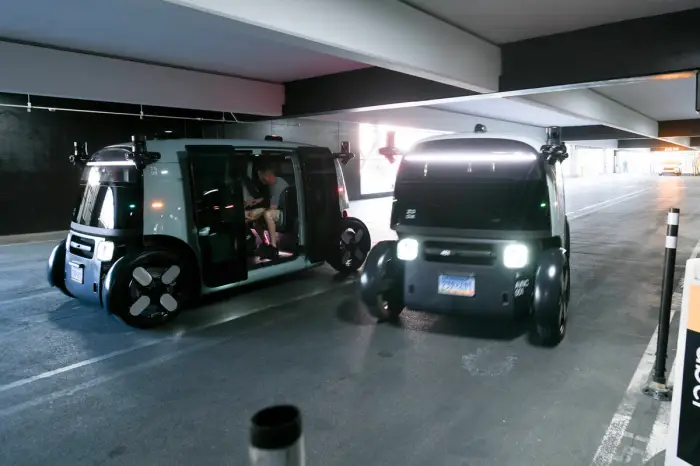
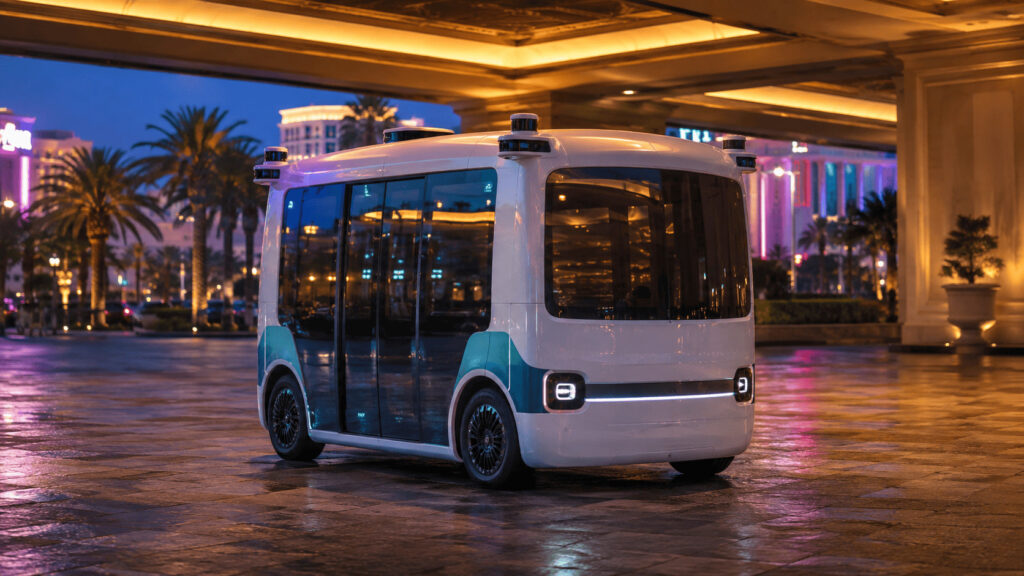
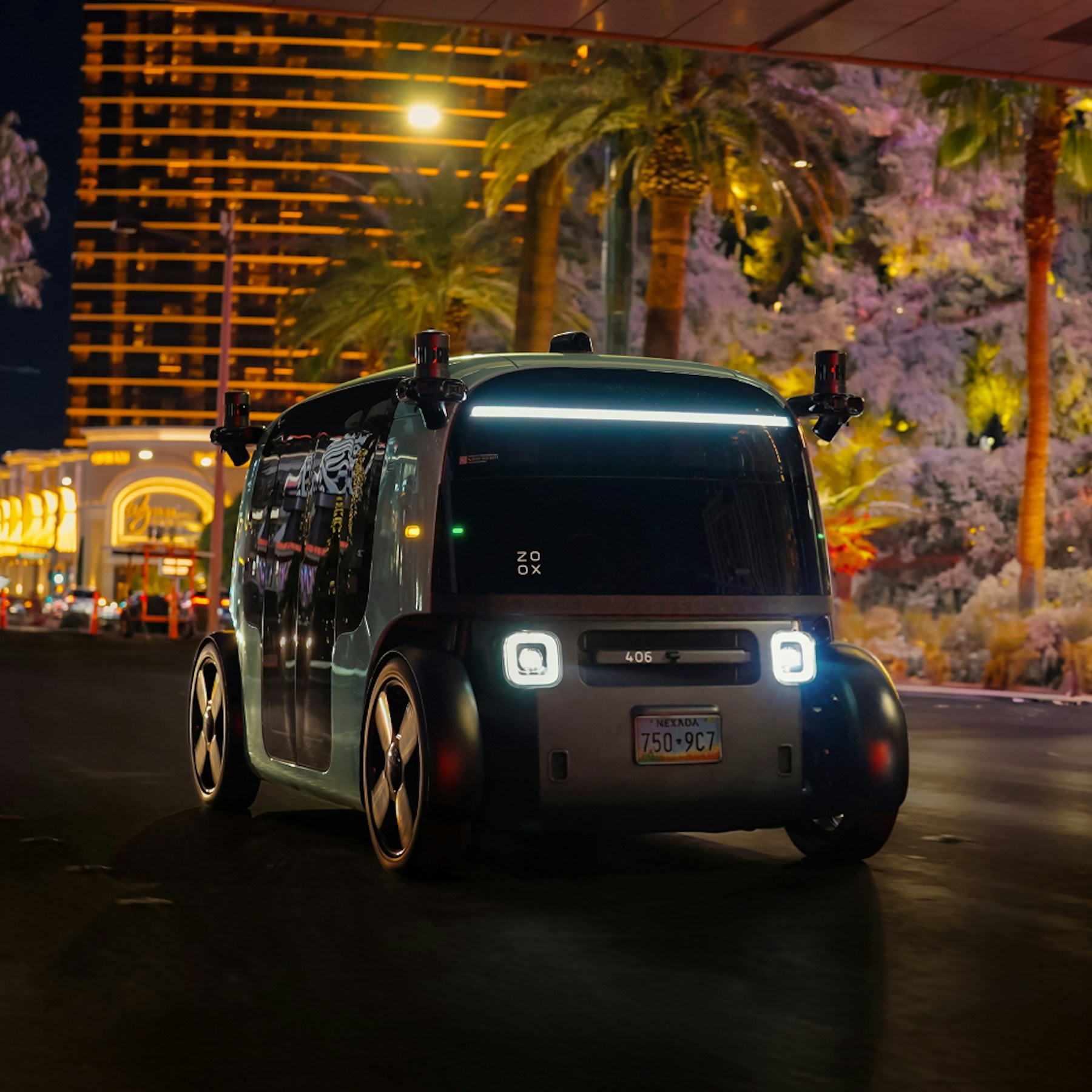
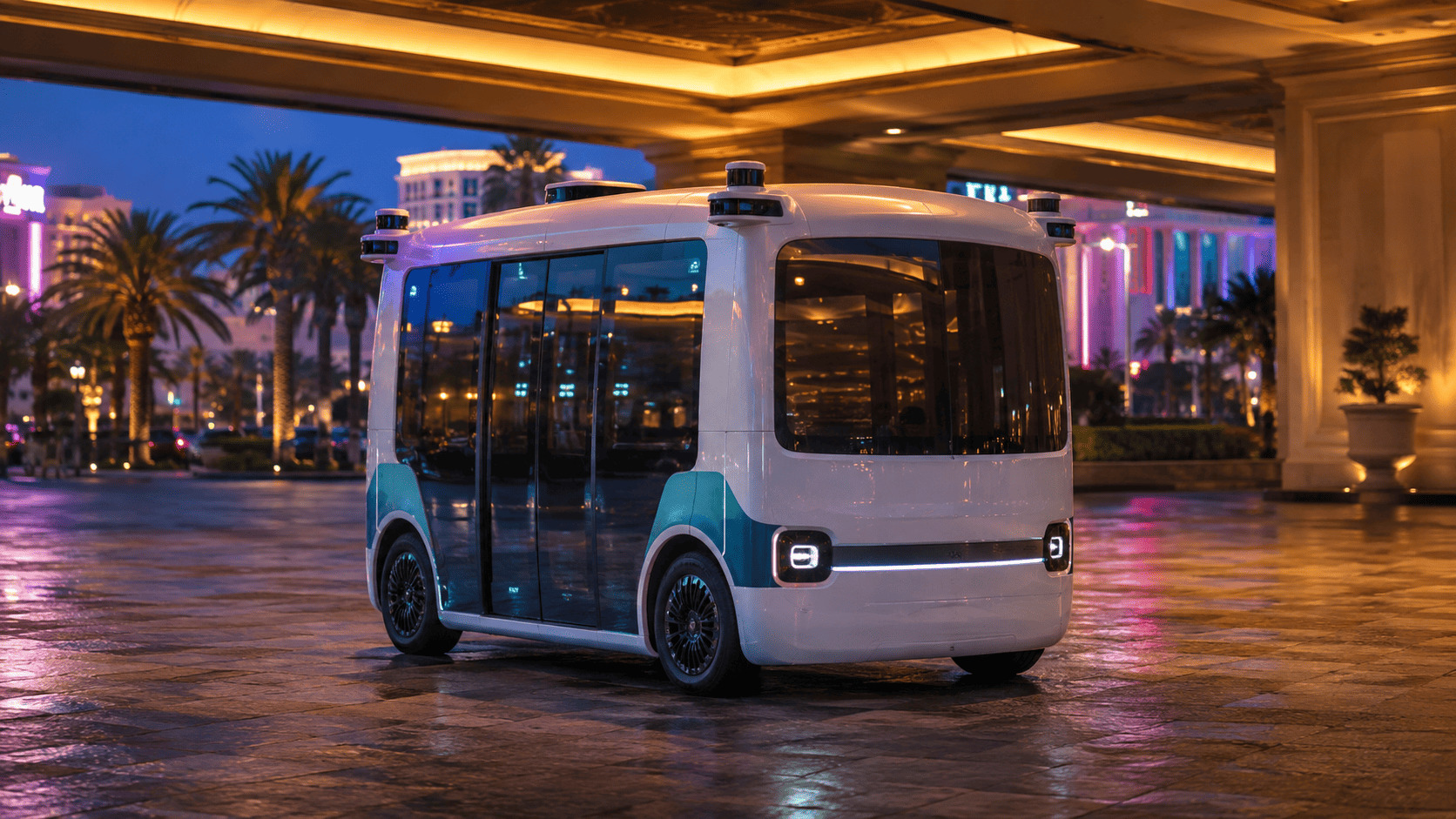
Amazon's Zoox subsidiary has launched commercial robotaxi services in Las Vegas (August 10, 2024) and San Francisco, with ongoing testing in Austin and Miami, representing a critical inflection point in autonomous vehicle commercialization. While current operations focus on passenger transportation, the regulatory approvals and operational data—3 million autonomous miles, nearly 1 million passengers transported—demonstrate Amazon's pathway to autonomous last-mile delivery for e-commerce packages. The National Highway Traffic Safety Administration exemption enabling commercial operation without steering wheels or dashboards signals government acceptance of fully autonomous vehicle designs, directly applicable to delivery vehicles.
For e-commerce sellers, this development carries significant long-term implications for fulfillment economics. Amazon's $1.2B Zoox acquisition (2020) and continued expansion indicate the company is building proprietary autonomous delivery infrastructure to reduce reliance on third-party logistics providers. Current FBA delivery costs average $3-8 per package depending on weight and distance; autonomous vehicles could reduce this 15-25% by eliminating driver labor costs (typically 40-50% of last-mile expenses). Sellers in high-volume categories (electronics, home goods, apparel) shipping 1,000+ units monthly could see $200-400 monthly savings per fulfillment center once autonomous delivery reaches scale.
The competitive intelligence angle is equally critical. Amazon's robotaxi expansion to four cities (Las Vegas, San Francisco, Austin, Miami) targets high-density urban markets where delivery demand is concentrated and regulatory environments are favorable. This geographic strategy suggests Amazon will prioritize autonomous delivery in metros with 2M+ population and high e-commerce penetration. Sellers should monitor which fulfillment centers receive autonomous vehicle integration first—likely Amazon's West Coast facilities (Los Angeles, San Francisco Bay Area) by 2025-2026. Early indicators include FBA delivery time improvements in these regions and potential fee restructuring favoring sellers in autonomous-enabled zones.
AI automation opportunities emerge immediately. Sellers can deploy predictive analytics to forecast which fulfillment centers will transition to autonomous delivery based on Zoox expansion patterns, then optimize inventory allocation accordingly. Machine learning models analyzing Amazon's historical fulfillment center investments can identify the next 5-10 cities likely to receive autonomous infrastructure, enabling sellers to pre-position inventory in high-velocity zones before competitors recognize the pattern. Additionally, sellers should automate monitoring of Amazon's logistics announcements and SEC filings mentioning Zoox or autonomous delivery—AI-powered news aggregation can surface competitive intelligence 2-3 weeks before mainstream coverage.
Questions 8
Which seller categories and regions will benefit most from Amazon's autonomous delivery infrastructure?
High-volume, lower-margin categories (electronics, home goods, apparel) will see the greatest benefit because autonomous delivery cost reductions compound with scale. Sellers in West Coast metros (Los Angeles, San Francisco Bay Area, Las Vegas, Phoenix) will likely see autonomous delivery integration first, given Zoox's current testing locations. Sellers shipping 500+ units monthly from these regions should prioritize inventory optimization in affected fulfillment centers. Conversely, sellers in rural areas or low-density regions will see minimal impact for 3-5 years, as autonomous vehicles are economically viable only in high-delivery-density zones with 50+ deliveries per vehicle per day.
How will Amazon's autonomous robotaxi expansion affect FBA delivery costs for sellers?
Amazon's Zoox robotaxi operations in Las Vegas, San Francisco, Austin, and Miami represent the first commercial deployment of autonomous vehicles for logistics applications. Once integrated into FBA fulfillment networks (estimated 2025-2026), autonomous delivery could reduce last-mile costs by 15-25% by eliminating driver labor, which currently comprises 40-50% of delivery expenses. Sellers shipping 1,000+ units monthly from affected fulfillment centers could save $200-400 monthly. However, Amazon may initially pass only 5-10% of savings to sellers while retaining the remainder to improve margins, so expect gradual cost reductions rather than immediate fee cuts.