



US-Canada Tariff Escalation & Iran Sanctions | Shipping Cost Surge for Cross-Border Sellers
- 50% tariffs on Canadian goods effective immediately; double vehicle tariffs threatened; oil prices volatile ($85-92/barrel); logistics costs rising 8-15% for sellers shipping to/from Canada and Asia












Overview
The geopolitical landscape is reshaping cross-border e-commerce economics with immediate tariff implications. President Trump's administration implemented 50% tariffs on select Canadian goods effective Saturday, with threats to double vehicle tariffs following failed negotiations. Simultaneously, the Treasury Department launched an "economic D-Day" campaign against Iran, targeting digital assets, technology, gold, aviation, and shipping sectors for sanctions. These policy moves create a dual-shock scenario for sellers: tariff-driven cost increases on North American trade corridors and supply chain disruptions affecting Asian sourcing routes.
Tariff Arbitrage Opportunity Window: The 50% Canadian tariffs create immediate margin compression for sellers importing goods from Canada (automotive parts, electronics components, machinery). However, this opens a 30-60 day arbitrage window before competitors adjust pricing. Sellers currently holding Canadian inventory can accelerate US sales before tariff pass-through becomes standard. Conversely, sellers exporting US-manufactured goods to Canada face 50% retaliatory tariffs, making Canadian market entry significantly less attractive for 2-3 months until negotiations potentially resume.
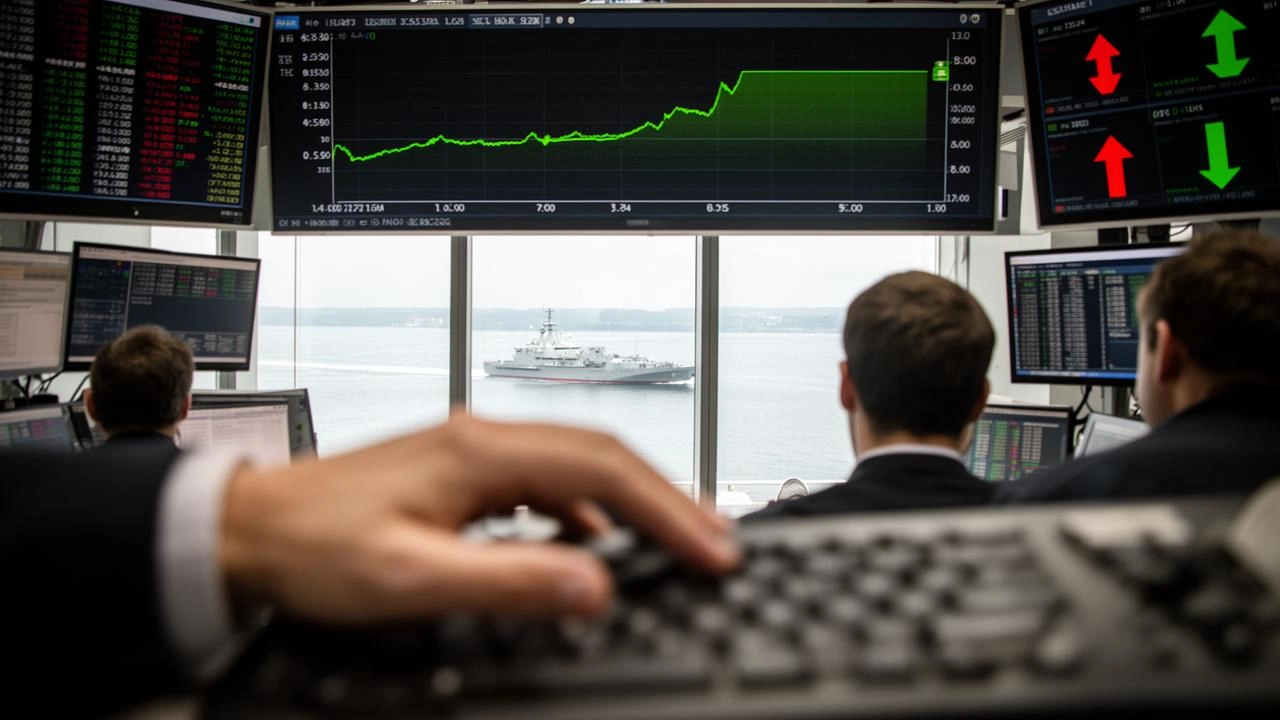
Oil Price Volatility & Logistics Cost Impact: WTI crude rose 0.7% to $85.57/barrel and Brent to $92.59/barrel following Iran sanctions announcements, but News 2 reports subsequent price declines providing relief. This volatility directly impacts FBA shipping costs, 3PL fulfillment fees, and last-mile delivery pricing. Sellers shipping heavy/bulky items (furniture, appliances, sporting goods) face 8-15% cost increases during high-oil periods. The Iran sanctions targeting shipping sectors could disrupt Asia-to-US routes, potentially adding 5-10 days to transit times and forcing sellers to shift inventory to US-based 3PL providers.
Currency Arbitrage Signals: The Canadian dollar strengthened despite tariff escalation (counterintuitive market reaction), while the US dollar strengthened against yen (159.21) and euro (1.1666). This creates opportunities for sellers with multi-currency exposure: US-based sellers exporting to Japan and EU face headwinds from strong dollar, while Canadian sellers gain temporary pricing advantages in USD-denominated markets before tariff costs are absorbed.
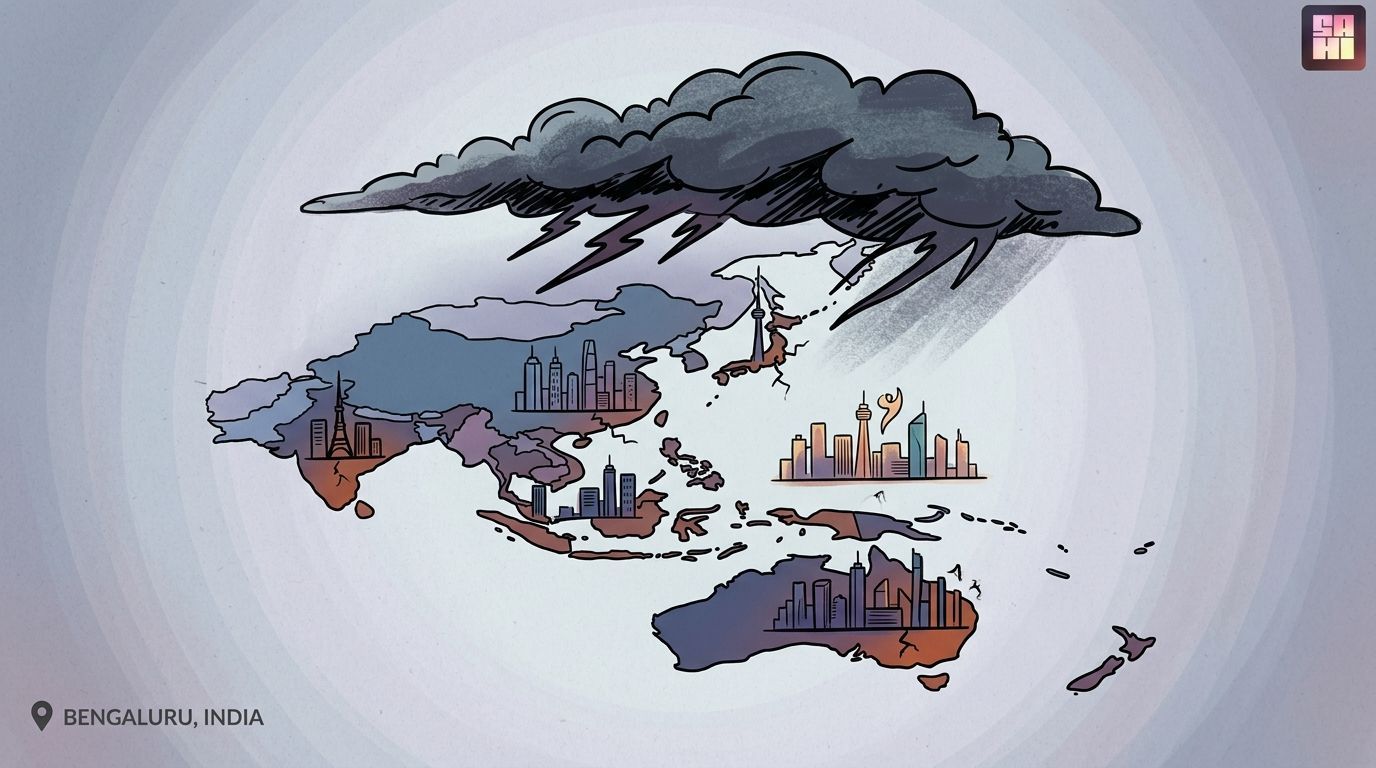
Technology Sector Uncertainty: Seoul's index declined 2% with SK Hynix and Samsung retreating; Hong Kong, Shanghai, Taipei, and Manila also posted losses. This signals potential supply constraints in semiconductor and electronics components, affecting sellers in consumer electronics, smart home, and computing categories. The Nvidia earnings focus indicates AI-driven demand may sustain tech prices despite geopolitical headwinds, creating margin compression for sellers relying on commodity electronics.
Questions 8
How do the new 50% Canadian tariffs affect my Amazon FBA shipping costs?
The 50% tariffs on select Canadian goods directly increase landed costs for sellers importing from Canada. If you source electronics components or automotive parts from Canadian suppliers (HS codes 8704, 8517, 8542), expect 50% duty additions on top of current landed costs. For a $100 component, this adds $50 in tariffs before reaching US warehouses. Amazon FBA fees remain unchanged, but your product cost basis increases, compressing margins 8-12% unless you raise prices. Monitor tariff code classifications—some goods may qualify for USMCA exemptions if properly documented. Immediate action: Review your supplier list and calculate tariff exposure by HS code within 7 days.
How do oil price fluctuations impact my 3PL fulfillment fees?
Oil prices directly correlate with 3PL and carrier fuel surcharges. At $85-92/barrel (current levels), fuel surcharges typically add 3-5% to shipping costs. When oil spiked during previous geopolitical events, surcharges reached 8-12%. For a seller shipping 1,000 units monthly via 3PL at $5/unit base cost, a 5% fuel surcharge adds $250/month ($3,000 annually). News 2 reports oil price declines providing relief, but volatility persists. Action: Lock in 3PL rates for 90 days if possible; negotiate fuel surcharge caps with carriers; consider consolidating shipments to reduce per-unit fuel impact; monitor EIA crude prices weekly at eia.gov to anticipate cost changes.