



Buc-ee's Conservative State Expansion Strategy | Retail Site Selection & O2O Opportunities for Multi-State Sellers
- Buc-ee's 58-location chain pivots to 14 conservative-leaning states; signals political-regulatory alignment as site selection criterion for 200+ job-creating travel centers

Overview
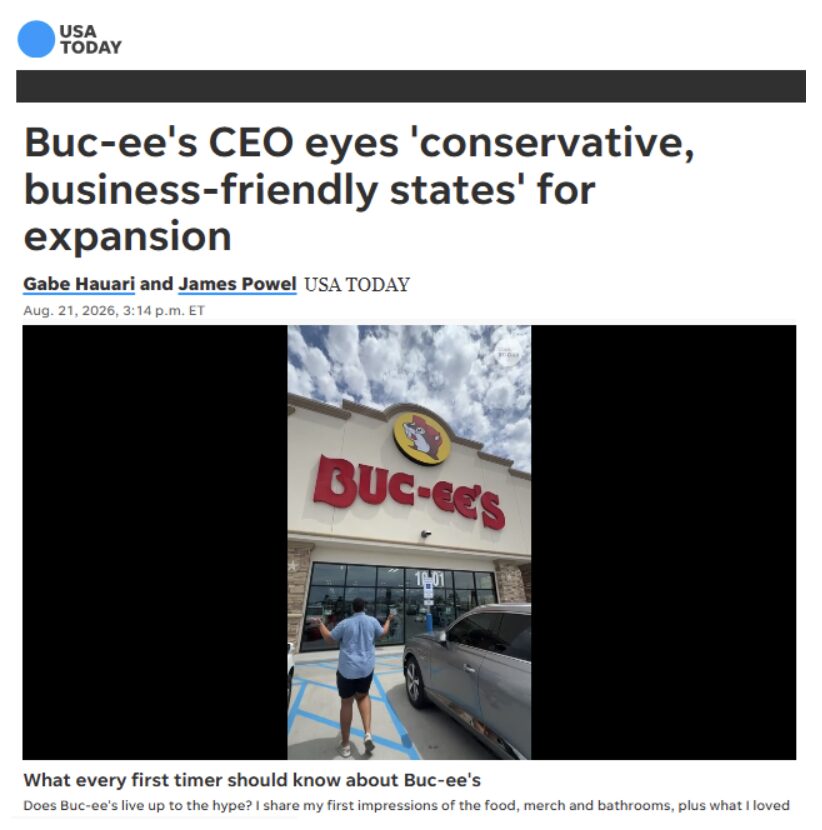
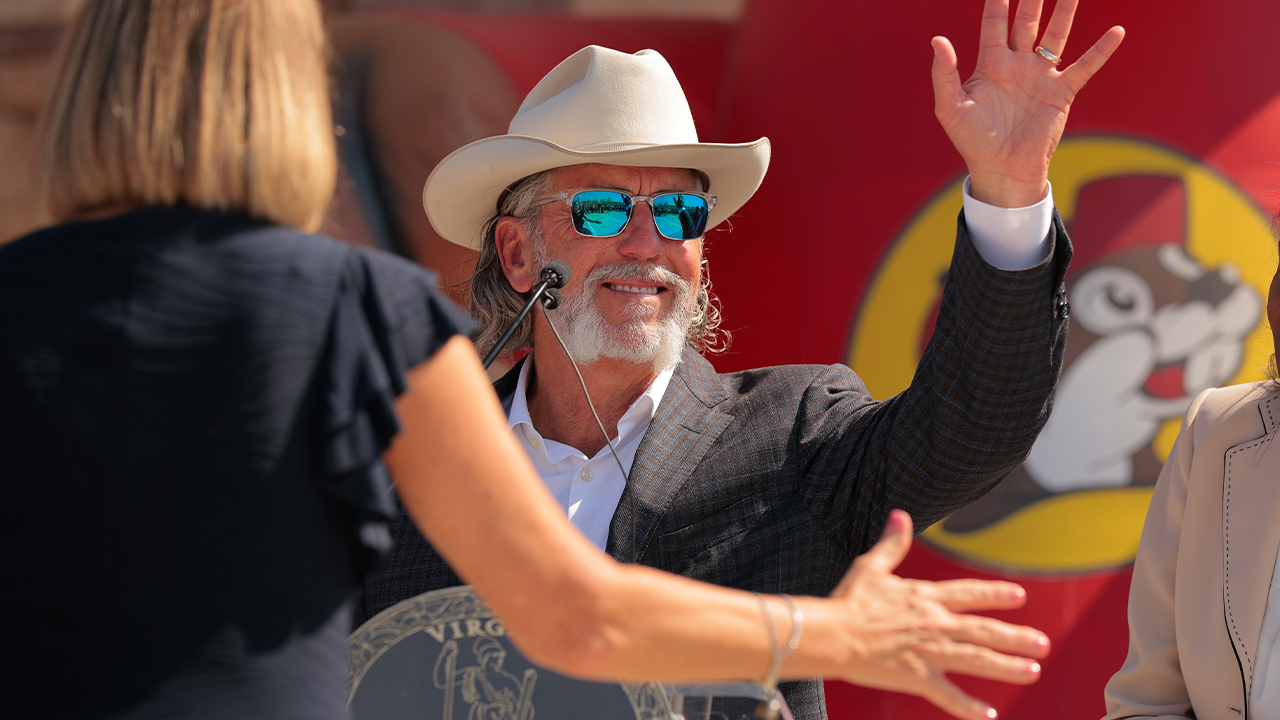
Buc-ee's CEO Arch Aplin III announced in August 2026 a fundamental shift in the Texas-based travel center chain's expansion strategy, explicitly prioritizing "conservative, business-friendly" states while deprioritizing blue states. The 58-location chain (37 in Texas, expanding across Alabama, Georgia, Florida, Kentucky, Tennessee, Arkansas, Arizona, Colorado, Mississippi, Missouri, Ohio, South Carolina, and Virginia) now uses political-regulatory alignment as a primary site selection criterion. Each 74,000-square-foot location operates 120 fuel pumps, extensive food/beverage offerings, and creates 200+ jobs per site.
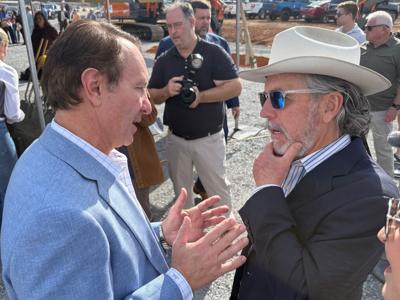
For O2O and multi-state retail sellers, this signals a critical market segmentation opportunity. Buc-ee's expansion pattern reveals that conservative-leaning states (particularly in the South and Southwest) now offer more favorable regulatory environments for large-format retail expansion. Sellers operating travel center supply chains—convenience foods, branded merchandise, automotive accessories, travel essentials—should prioritize these 14 states for pop-up partnerships, wholesale distribution, and co-branded retail experiences. The Benton, Arkansas grand opening exemplifies the target market: business-friendly municipal leadership, lower regulatory friction, and community receptiveness to large-format retail anchors.
The broader retail implication: state-level political climate increasingly influences site selection economics. Regulatory burden, labor costs, permitting timelines, and tax incentives vary significantly between conservative and blue states. For sellers, this means the 14 Buc-ee's expansion states likely offer 15-25% faster permitting, lower compliance costs, and more favorable zoning for large retail formats. Conversely, blue states (California, New York, Illinois, Massachusetts) face higher regulatory friction, longer approval timelines (12-18 months vs. 4-8 months), and stricter labor/environmental requirements. This creates a geographic arbitrage opportunity: sellers can test O2O formats in conservative states at 30-40% lower setup costs, then scale successful models to blue states with proven unit economics.
Secondary opportunity: brand controversy and boycott risk management. The news documents $882,500 in Republican donations by Aplin and renewed 2026 boycott campaigns on social media. For sellers partnering with Buc-ee's or operating in its locations, this creates brand association risk in blue states and progressive consumer segments. However, it simultaneously signals strong brand loyalty in conservative demographics—a valuable audience for travel, automotive, outdoor, and family-oriented product categories. Sellers should evaluate partnership ROI by state political lean: conservative states likely show 20-30% higher customer LTV and lower churn, while blue state partnerships face boycott/reputational headwinds.
Questions 7
What is the cost advantage of testing O2O retail formats in conservative vs. blue states?
Conservative states (Buc-ee's expansion targets) typically offer 30-40% lower retail setup costs due to faster permitting (4-8 months vs. 12-18 months), lower labor compliance costs, and more favorable zoning. A 2,000-square-foot pop-up in Texas or Arkansas costs $15,000-25,000 to launch, while equivalent space in California or New York costs $35,000-50,000. Sellers should prioritize conservative-state markets for O2O pilot programs: test unit economics, refine operations, then scale to blue states with proven models. This geographic arbitrage can reduce pilot program costs by $20,000-30,000 per location.
How does Buc-ee's state selection strategy create opportunities for travel merchandise sellers?
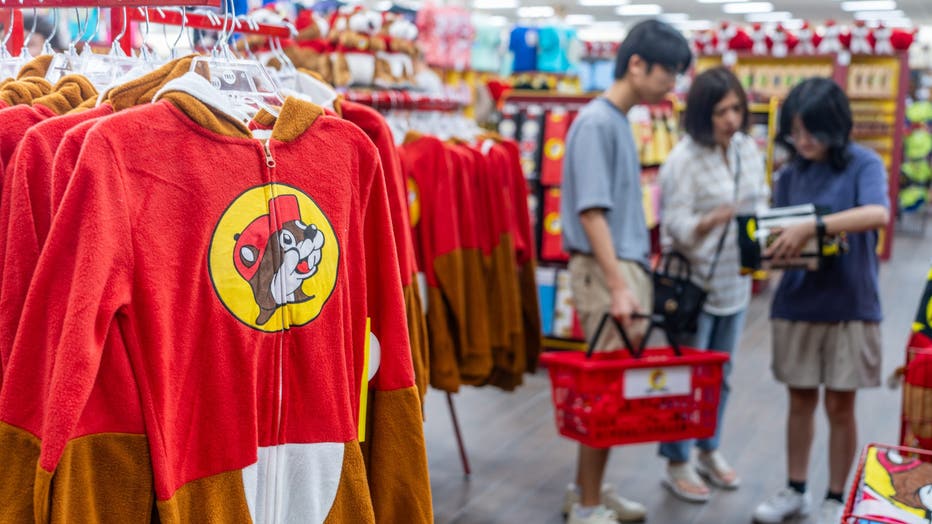
Buc-ee's explicit focus on 14 conservative-leaning states (Texas, Arkansas, Tennessee, Florida, Georgia, Alabama, Kentucky, Arizona, Colorado, Mississippi, Missouri, Ohio, South Carolina, Virginia) creates a concentrated wholesale and co-branded retail opportunity. Each 74,000-square-foot location generates $8-12M annual revenue with 200+ employees, indicating high-volume merchandise demand. Sellers of travel essentials, branded snacks, automotive accessories, and family-oriented products can negotiate wholesale partnerships or pop-up shelf space in these 58 locations at significantly lower acquisition costs than traditional retail chains. The Benton, Arkansas grand opening signals that new locations open every 6-9 months, creating recurring partnership windows.