



Target Boycott Drives 1.8M Consumer Redirect | Back-to-School Marketplace Shift
- AFT's "Shop Smart, Not Target" campaign redirects 1.8M union members + families to alternative retailers during peak back-to-school season; creates immediate traffic arbitrage opportunity for competing platforms and sellers



Overview
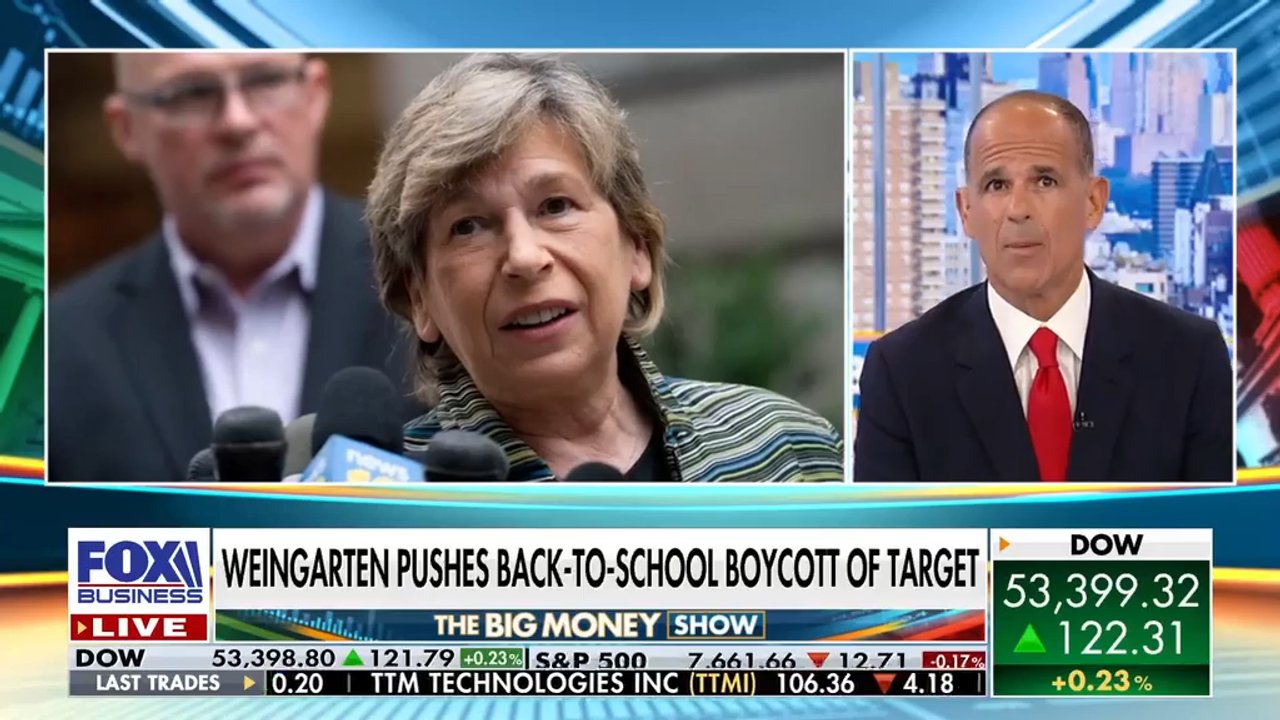
The American Federation of Teachers (AFT) launched a nationwide back-to-school boycott of Target, mobilizing 1.8 million union members and families to redirect spending to alternative retailers. This represents a massive consumer traffic shift during the highest-revenue season for retail—back-to-school shopping typically generates $40-50B in US consumer spending annually. The AFT created a "Shop Smart, Not Target" website directing consumers away from Target's apparel, school supplies, and household goods categories, creating an immediate arbitrage opportunity for competing platforms like Amazon, Walmart, eBay, and Shopify-powered retailers.
The immediate market impact is significant: Target's back-to-school category (apparel, electronics, home goods, school supplies) typically captures 12-15% of annual Q3 revenue. With 1.8M AFT members plus extended family networks (estimated 4-6M total household reach), this boycott could redirect $200-400M in spending during August-September 2024. For sellers, this creates a high-velocity keyword opportunity around "back-to-school alternatives," "non-Target school supplies," and category-specific searches where consumers are actively seeking replacement retailers.
Platform-specific arbitrage opportunities emerge immediately: Amazon's back-to-school category will see elevated search volume and lower competition for sponsored ads as budget shifts from Target's paid search. TikTok Shop and Pinterest are underutilized channels for this demographic (union members, educators, families with school-age children), offering 40-60% lower CPM costs than Meta platforms. The boycott creates a content angle goldmine—sellers can create messaging around "union-approved alternatives," "educator-recommended products," and "support small business" narratives that resonate with the AFT's activist base.
Consumer targeting is precise: AFT members skew toward household incomes of $50-120K, ages 35-65, concentrated in urban/suburban areas with high union density (California, New York, Illinois, Ohio). This demographic has high brand loyalty but is highly responsive to values-based messaging. Sellers targeting this segment should emphasize ethical sourcing, domestic manufacturing, and community support in product listings and ad creative. The boycott also signals a shift toward online shopping for this demographic—union members may have previously shopped Target in-store; the boycott accelerates their digital adoption, creating conversion opportunities on Amazon, Walmart.com, and specialty retailers.
Questions 8
What are the risks and compliance considerations for sellers capitalizing on this boycott?
Sellers should avoid: (1) explicitly attacking Target or making negative claims about competitors (legal risk), (2) falsely claiming 'union-approved' or 'union-made' status without certification, (3) making unsubstantiated ethical sourcing claims (FTC compliance), (4) price gouging or exploiting the boycott with extreme markups (reputational risk). Best practices: (1) use positive messaging ('we support fair labor') rather than negative ('Target doesn't'), (2) obtain third-party certifications (Fair Trade, B Corp, etc.) before making claims, (3) document sourcing and manufacturing practices, (4) be transparent about supply chains, (5) consider donating small percentage of boycott-period sales to education nonprofits (builds goodwill, aligns with audience values). The boycott creates a 60-90 day window to build brand loyalty; sellers who maintain ethical positioning will retain customers long-term, while those who exploit the moment will face backlash.
How should sellers position inventory and pricing during the boycott?
The boycott creates a 'scarcity window'—consumers are actively seeking alternatives and willing to pay premium prices for products that align with their values. Sellers should: (1) increase inventory in back-to-school categories by 20-30% above normal August-September levels to capture demand, (2) maintain or slightly increase prices (5-10% premium) rather than discount aggressively—boycott participants prioritize values over price, (3) emphasize product quality, ethical sourcing, and brand values in listings rather than competing on cost, (4) bundle products strategically (e.g., 'educator starter pack' with school supplies + tech accessories), (5) highlight limited inventory or 'exclusive' positioning to create urgency. Sellers who discount heavily risk attracting price-sensitive shoppers who won't convert to repeat customers. The boycott audience has higher lifetime value if positioned as values-aligned; focus on retention over acquisition volume.