


Food Safety Compliance Crisis | Fresh Produce Sellers Face $2M+ Liability & Regulatory Tightening
- 55 confirmed cases across 15 US states trigger FDA enforcement surge; sellers of fresh produce face immediate recall obligations, product liability exposure, and platform suspension risks




Overview
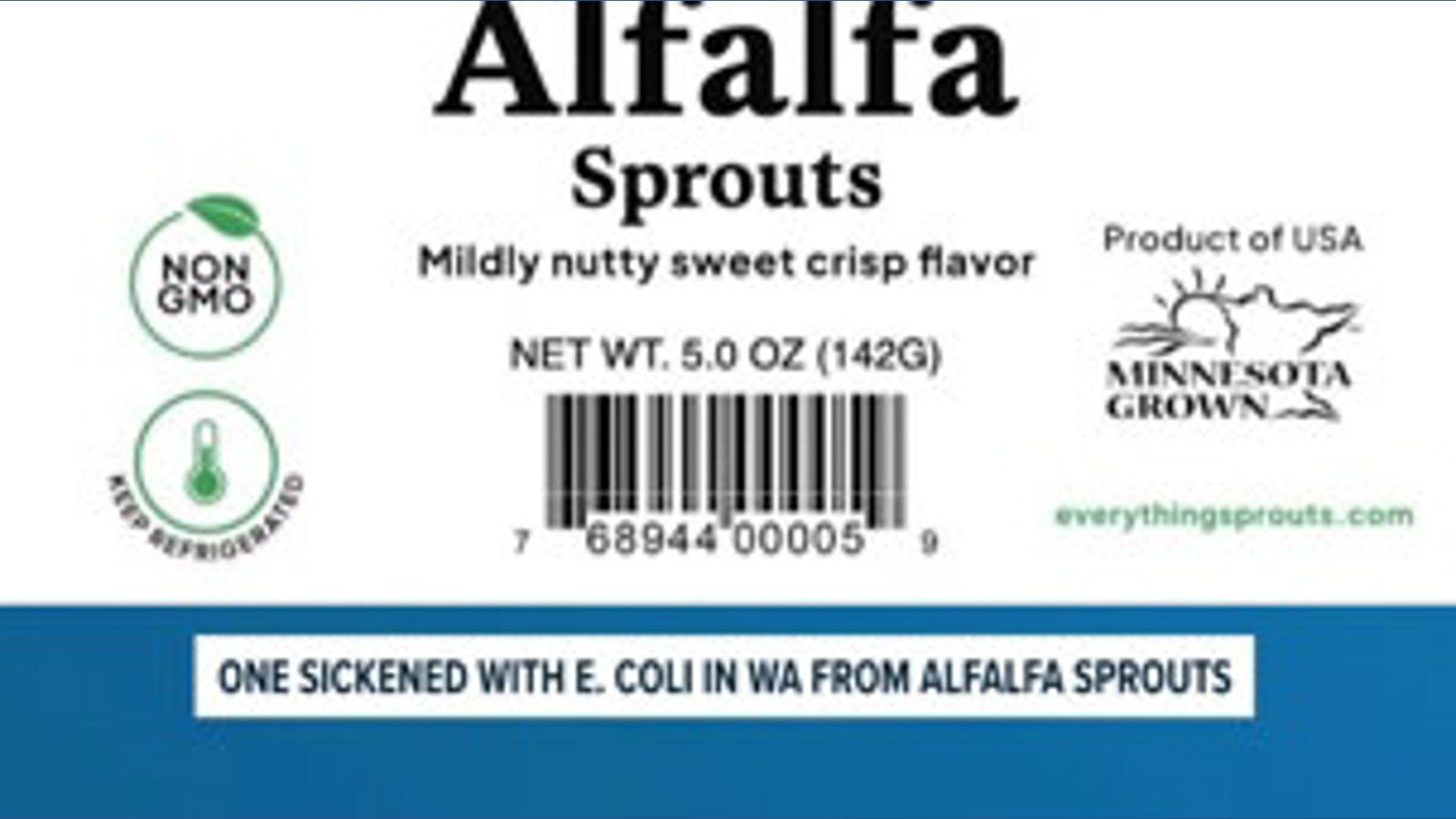
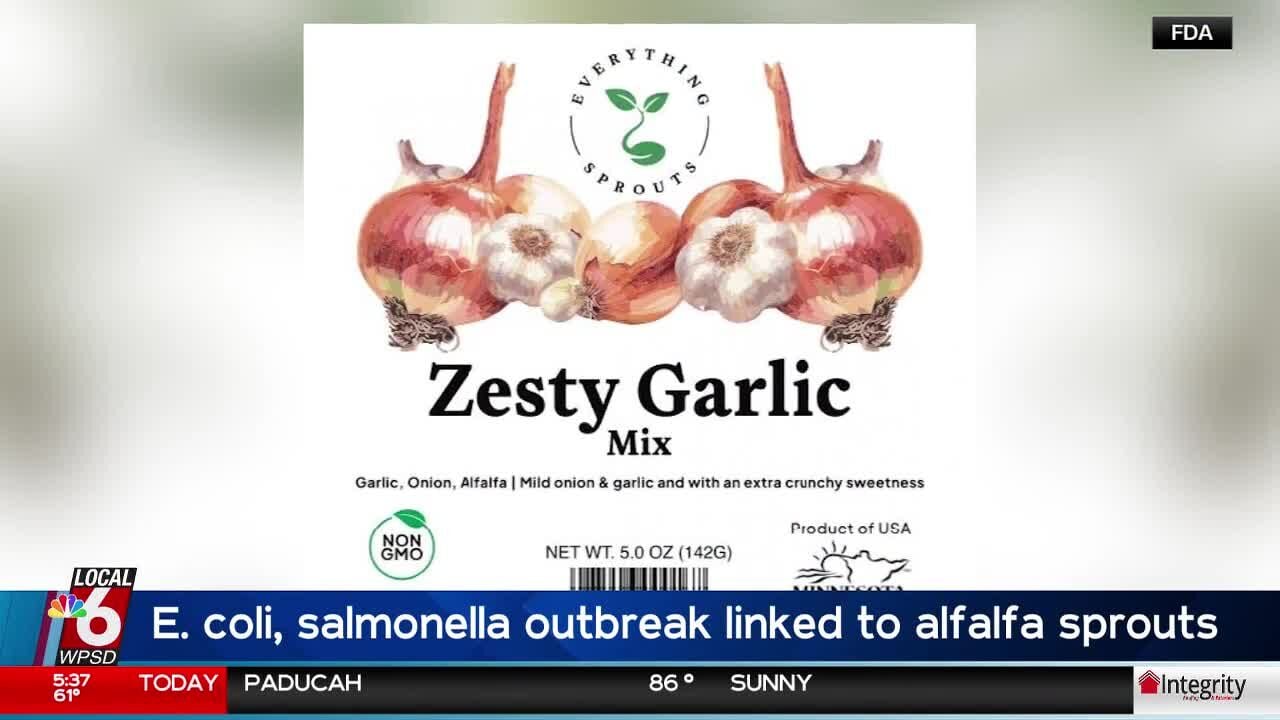
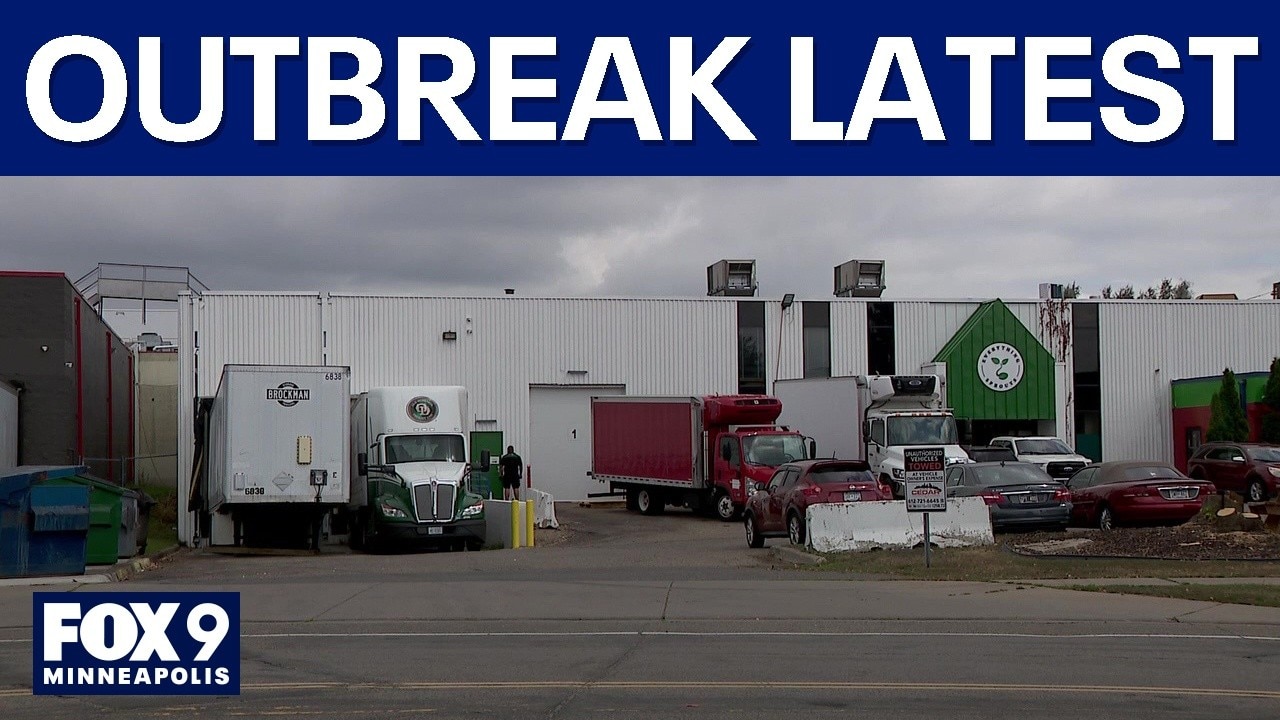
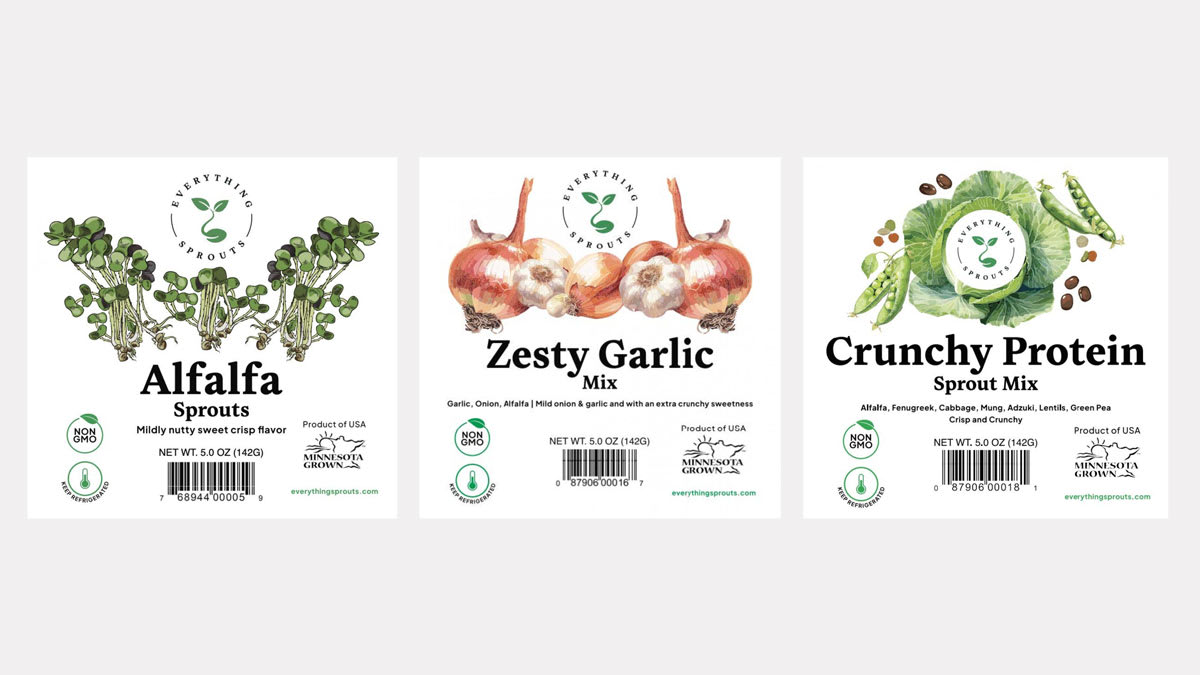
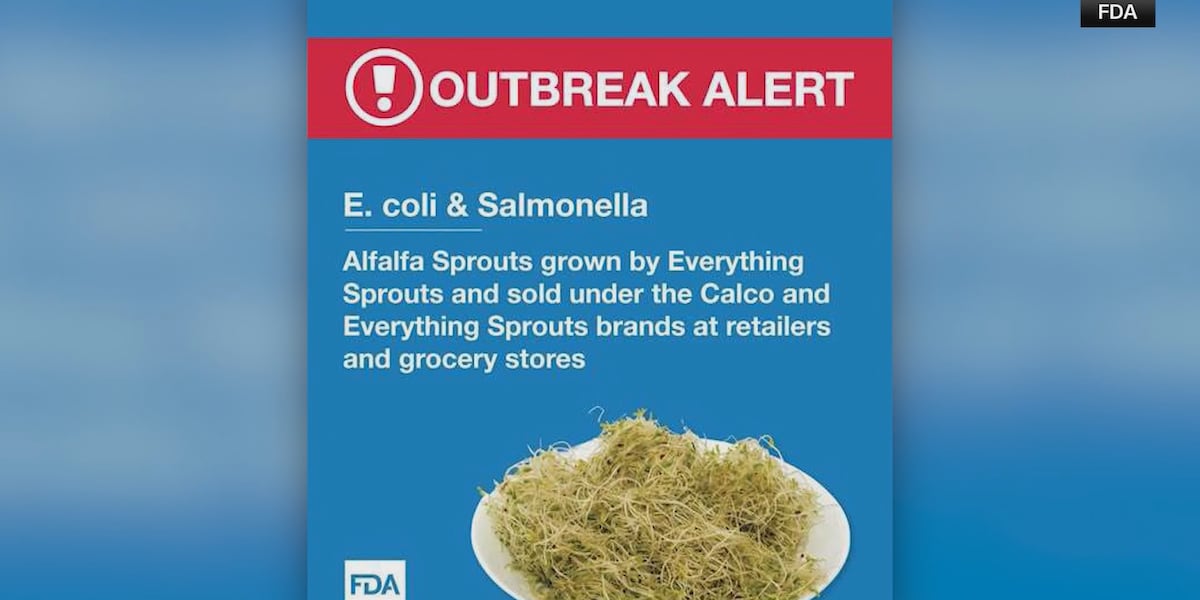
The August 2026 alfalfa sprouts outbreak linked to Everything Sprouts (Minnesota) represents a critical compliance inflection point for fresh produce sellers on Amazon, Walmart, and specialty food platforms. The CDC confirmed 55 cases across 15 states (Florida, Indiana, Iowa, Kansas, Michigan, New Hampshire, New York, Pennsylvania, North Carolina, South Carolina, North Dakota, South Dakota, Washington) with 4 hospitalizations, involving multiple pathogens including Salmonella and Shiga toxin-producing E. coli (STEC). The FDA's June 2025 warning letter to Everything Sprouts—citing sanitation failures including leaking roofs and contaminated worker uniforms—demonstrates regulatory enforcement is now pre-outbreak focused, not reactive. This creates a compliance moat: sellers with documented facility certifications (FSMA compliance, third-party audits, daily pathogen testing) can now differentiate as "verified safe," while non-compliant competitors face market elimination.
For e-commerce sellers, the immediate compliance cost structure is now clear. Impending lawsuits (News 2) will likely establish precedent for marketplace liability extending to third-party sellers, 3PL providers, and logistics operators. Historical salmonella cases (e.g., 2018 romaine outbreak) resulted in $100M+ in settlements and operational disruptions lasting 6-12 months. Fresh produce sellers must now implement: (1) FSMA Preventive Controls for Human Food certification ($15K-40K initial audit + $5K-10K annual maintenance), (2) daily pathogen testing protocols ($500-2K per batch), (3) product liability insurance with recall coverage ($3K-8K annually for small sellers), and (4) real-time batch tracking systems ($2K-5K setup). Amazon and Walmart are already tightening fresh food seller requirements post-outbreak; expect platform-mandated third-party certifications within 60-90 days.
The regulatory winnowing effect is substantial. Approximately 60-70% of small fresh produce sellers on Amazon and Walmart lack FSMA certification or documented sanitation protocols. The outbreak will accelerate platform enforcement, creating a two-tier market: certified sellers (higher margins, protected Buy Box access) and non-compliant sellers (delisting risk, 30-60 day suspension windows). Compliant alternative categories—frozen vegetables, dehydrated sprouts, sprouting kits with pre-tested seeds—will capture 15-25% of fresh sprout demand within 6 months. Sellers with existing FSMA certifications can now market "outbreak-verified safe" positioning, justifying 8-12% price premiums. The fastest compliance path: engage third-party auditors (SQF, BRC certification) within 30 days ($8K-15K), implement daily testing by week 6 ($1K-2K monthly), and obtain product liability insurance by week 8 ($3K-5K annually). Non-compliance carries $10K-50K FDA penalties per violation plus potential class-action exposure ($500K-2M for mid-sized sellers based on historical precedent).