


Seasonal Merchandise Crisis: Target's Halloween Costume Recall Signals Urgent Need for Product Vetting Systems
- Target pulled offensive children's costume August 24, 2026; reveals critical gaps in product approval workflows affecting Amazon, Walmart, Etsy resellers









Overview
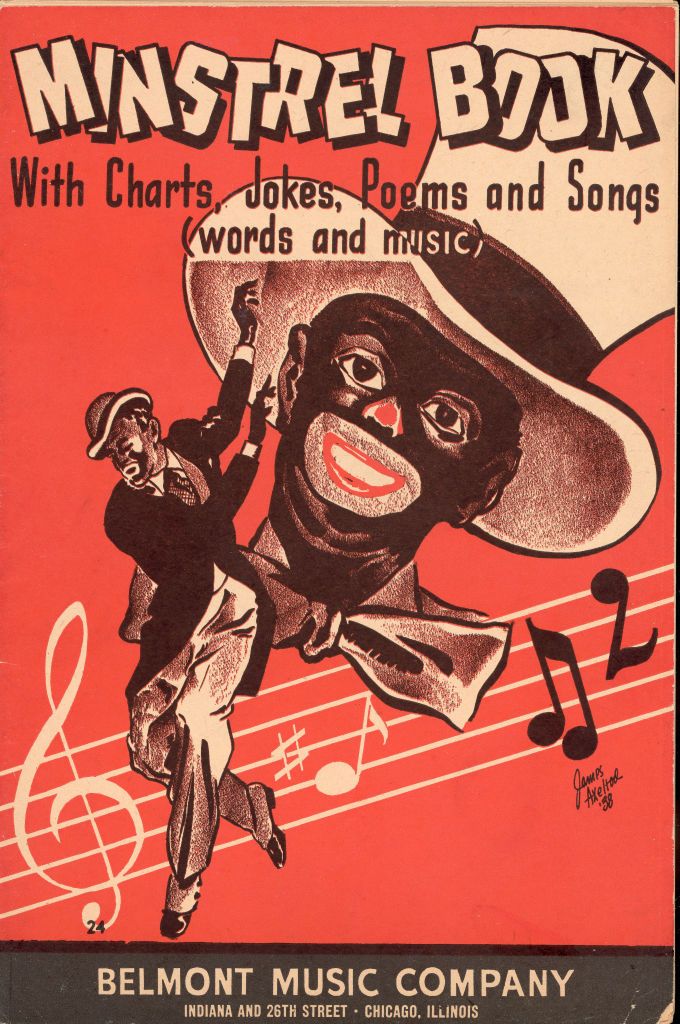
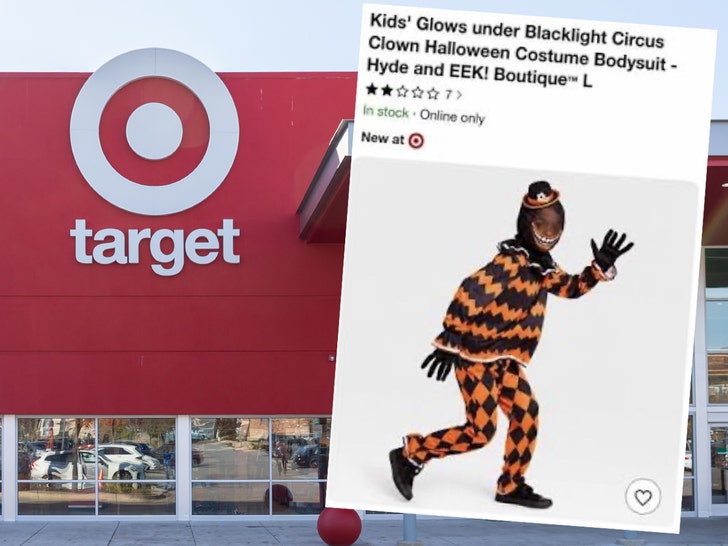
Target's August 24, 2026 removal of the "Kids Glows Under Blacklight Circus Clown Halloween Costume" from its Hyde and EEK Boutique line represents a critical operational failure with direct implications for third-party sellers across Amazon, Walmart, and Etsy marketplaces. The costume, which drew immediate backlash for evoking racist minstrel imagery, was pulled after social media criticism from community leaders like Sheletta Brundidge. This incident exposes systemic vulnerabilities in seasonal merchandise vetting—a category where volume and speed-to-market often compromise quality control standards. For cross-border and third-party sellers, this signals that major retailers are tightening product approval processes, which will cascade down to supplier and reseller standards.
The operational impact is immediate and multifaceted. Target's public acknowledgment that the costume "should never have been part of our assortment" and its commitment to reviewing "systemic changes" indicates the company is implementing stricter content moderation protocols. The Hyde and EEK brand products are resold through Amazon, Walmart, and Etsy, meaning third-party sellers carrying similar seasonal merchandise face heightened scrutiny. Sellers currently listing children's costumes, Halloween accessories, or novelty apparel should expect increased content review requests and potential delisting if products contain culturally sensitive imagery or ambiguous design elements. The incident compounds Target's existing challenges—including 2023 Pride Collection backlash and 2025 DEI rollbacks—suggesting that cost-cutting measures (which CEO Michael Fiddelke championed) may have reduced oversight capacity, creating a cautionary tale for sellers who prioritize speed-to-market over compliance.
For third-party sellers, the strategic implications are clear: product vetting is now a competitive differentiator and risk mitigation necessity. Sellers sourcing seasonal costumes from manufacturers in China, Vietnam, or India must implement pre-listing cultural sensitivity reviews, particularly for children's products. The fact that Target's approval process failed despite the company's scale suggests that even large retailers lack adequate safeguards. Smaller sellers on Amazon, Etsy, and Shopify should audit current inventory for potentially offensive imagery, implement diverse review teams for seasonal launches, and establish 2-3 week pre-listing approval buffers instead of rushing products to market. The reputational risk is substantial—a single viral social media criticism can trigger rapid delisting, inventory write-offs, and brand damage. Morningstar analyst Brett Husslein's warning that Target faces "limited margin for error" given competitive pressures applies equally to third-party sellers competing against major retailers who are now demonstrating zero tolerance for cultural missteps.
Questions 8
What specific product vetting failures led to Target's Halloween costume recall?
Target's approval process failed to identify that the 'Kids Glows Under Blacklight Circus Clown Halloween Costume' contained design elements resembling racist minstrel imagery, including facial features and styling associated with blackface performance tropes. The company acknowledged the error on August 24, 2026, stating the costume 'should never have been part of our assortment.' Target declined to disclose designer or approval process details but committed to reviewing 'systemic changes' needed to prevent similar incidents. This suggests the company's vetting workflow lacked adequate cultural sensitivity review stages, particularly concerning given Target's 2025 DEI rollbacks, which may have reduced oversight capacity. For third-party sellers, this indicates that even major retailers with substantial compliance teams can miss offensive imagery, underscoring the need for independent pre-listing reviews.
What are the key operational changes sellers should implement for seasonal merchandise?
Sellers should implement pre-listing cultural sensitivity reviews for all children's products, particularly costumes and novelty apparel. Establish diverse review teams (including members from affected communities) to audit designs before listing, and build 2-3 week approval buffers instead of rushing products to market. For sourcing from manufacturers in China, Vietnam, or India, add explicit cultural sensitivity requirements to supplier contracts and request design documentation showing approval processes. Monitor social media sentiment during product launches and establish rapid response protocols for addressing criticism. Consider implementing a 'cultural sensitivity checklist' covering imagery, stereotypes, historical references, and potential offensive associations. These measures reduce delisting risk, protect brand reputation, and align with platform expectations that are clearly tightening following high-profile retailer failures like Target's.