


Retail Content Moderation Crisis | Target's Offensive Costume Removal Signals Urgent Need for Seller Vetting Systems
- Target pulls racist-coded children's costume after social backlash; reveals systemic gaps in product approval processes affecting Amazon, Walmart, Etsy resellers









Overview
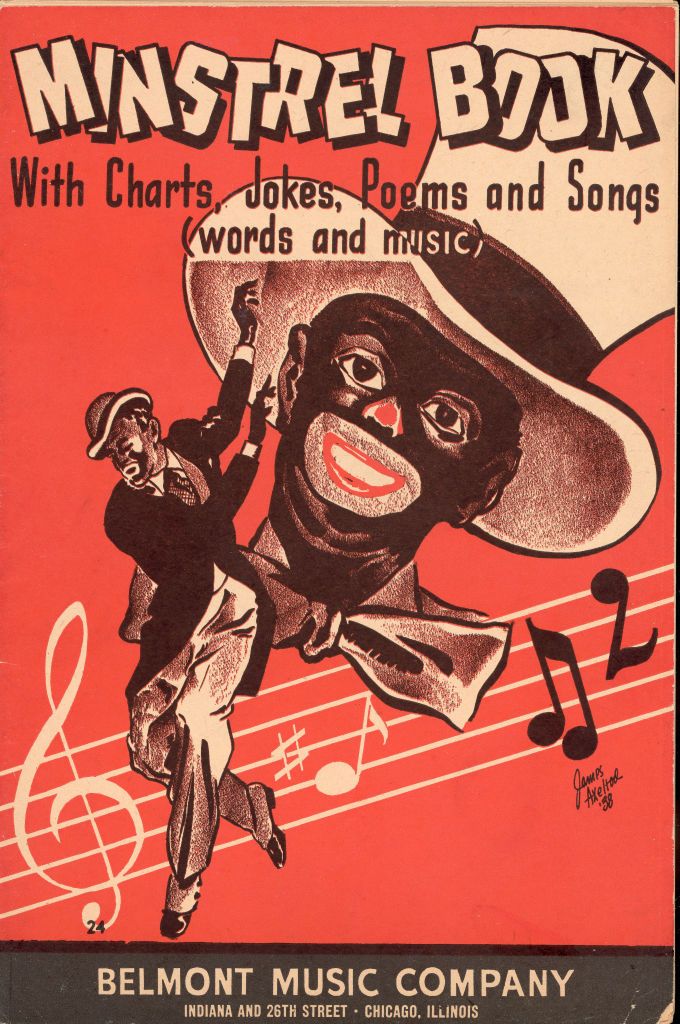
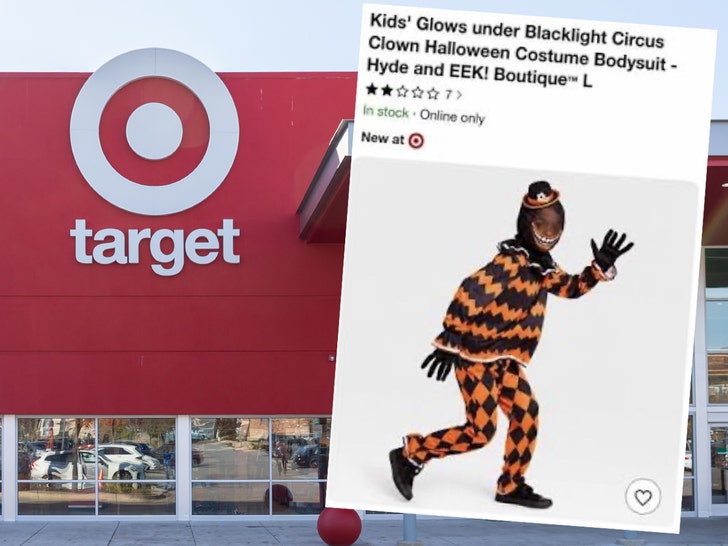
Target's August 24, 2026 removal of the "Kids Glows Under Blacklight Circus Clown Halloween Costume" from its Hyde and EEK Boutique brand represents a critical inflection point for retail content moderation and seller accountability across e-commerce platforms. The costume, which drew widespread social media backlash for evoking blackface and minstrel show imagery, was immediately pulled after consumer criticism led by Minneapolis business leader Sheletta Brundidge. Target's formal apology—"As a company, we know we got this wrong, and we are deeply sorry"—signals that even major retailers with established QA processes face significant blind spots in cultural sensitivity vetting, particularly in high-velocity seasonal merchandise categories.
The operational impact extends beyond Target's direct operations to third-party marketplace resellers. The Hyde and EEK brand products are distributed through Amazon, Walmart, and Etsy marketplaces, though Reuters confirmed the specific costume was not visible on those platforms at reporting time. This distribution model reveals a critical vulnerability: when private-label seasonal brands scale across multiple channels simultaneously, content moderation gaps compound exponentially. For third-party sellers sourcing similar products from manufacturers or wholesalers, this incident underscores the reputational and compliance risks of insufficient product vetting before listing. Target's internal review of "how the incident occurred and what systemic changes were needed" indicates the company is implementing stricter approval workflows—a standard that will likely cascade to supplier expectations across retail.
The broader context amplifies urgency for sellers. Target's 2025 DEI rollback, combined with CEO Michael Fiddelke's cost-cutting mandate that earned Wall Street approval, created organizational conditions where speed-to-market prioritized volume over cultural sensitivity oversight. Morningstar analyst Brett Husslein emphasized Target's "limited margin for error" given competitive pressures from Walmart and Costco, noting such "optical missteps could trigger further market share losses during the brand rehabilitation period." For third-party sellers and private-label brands, this dynamic creates both risk and opportunity: retailers will demand stronger pre-listing vetting from suppliers, but sellers who invest in robust content moderation systems will gain competitive advantage and platform trust. The incident also highlights how social media amplification (particularly through influencer discovery like Sheletta Brundidge's public criticism) can trigger rapid inventory removal and brand damage, making proactive content review essential before seasonal launches.
Questions 7
What specific product categories face highest compliance risk after this incident?
Seasonal costume categories (Halloween, Carnival, theatrical wear) now face elevated scrutiny on Amazon, Etsy, and Walmart for imagery that could evoke racist historical tropes, blackface aesthetics, or cultural appropriation. Children's costumes specifically face the most aggressive review given Target's emphasis on impact to 'Black guests, team members and partners.' Sellers in apparel/costume categories should expect 5-10 day longer approval timelines for new listings through Q4 2026. Related categories like theatrical makeup, face paint, and costume accessories may also face increased policy enforcement. Sellers should proactively submit products for pre-approval review rather than waiting for rejection, reducing time-to-market delays.
How does Target's costume removal affect third-party sellers on Amazon and Etsy?
Target's incident signals that major retailers are implementing stricter pre-listing content vetting, which will cascade to supplier expectations across all channels. Third-party sellers sourcing similar seasonal products must now anticipate heightened scrutiny from marketplace compliance teams. Amazon and Etsy have already strengthened prohibited items policies around culturally sensitive imagery; sellers should audit existing Halloween costume listings for potential cultural sensitivity issues before Q3 2026 peak season. Non-compliance could result in listing suspension, account warnings, or removal from seasonal category promotions—directly impacting Q4 revenue during peak Halloween shopping (typically 15-20% of annual costume category sales).