




Tech Stock Volatility & Tariff Threats Impact Cross-Border Sellers | August 2026
- Semiconductor supply chain disruption creates sourcing opportunities; 50% Canadian auto tariffs reshape logistics costs for sellers shipping automotive accessories and electronics





























Overview
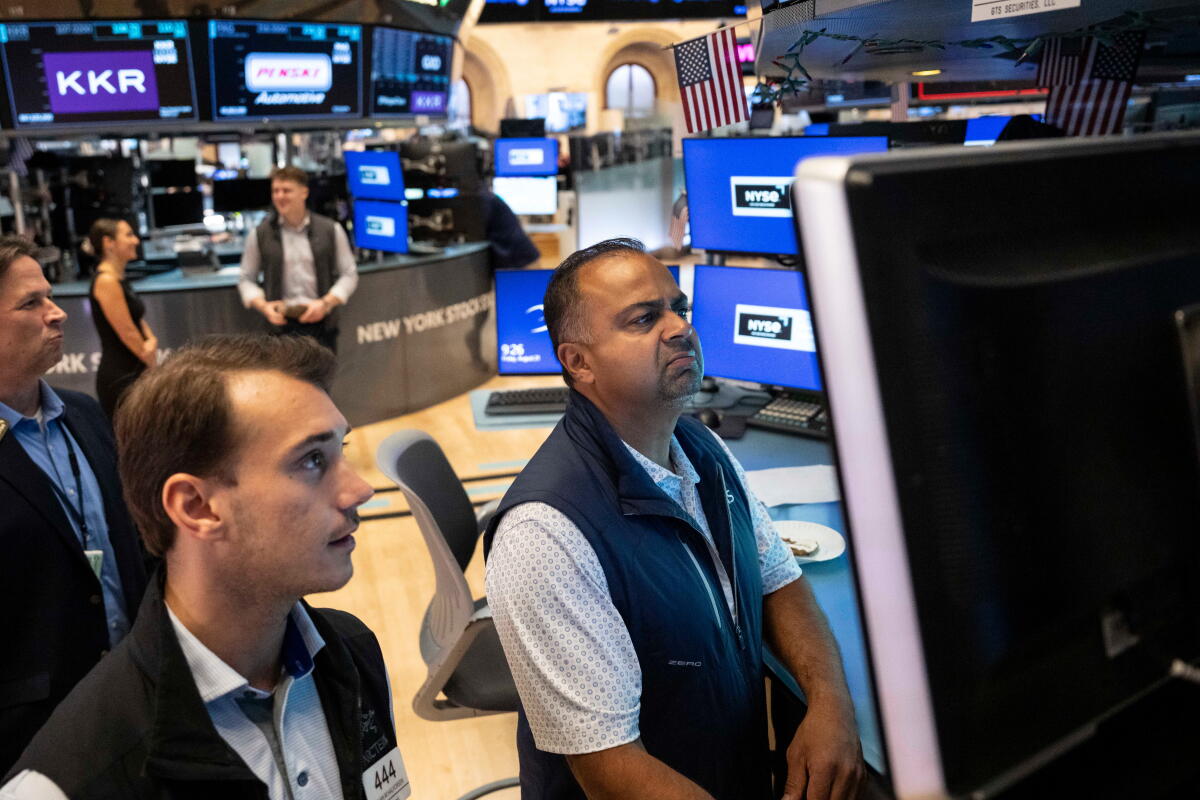
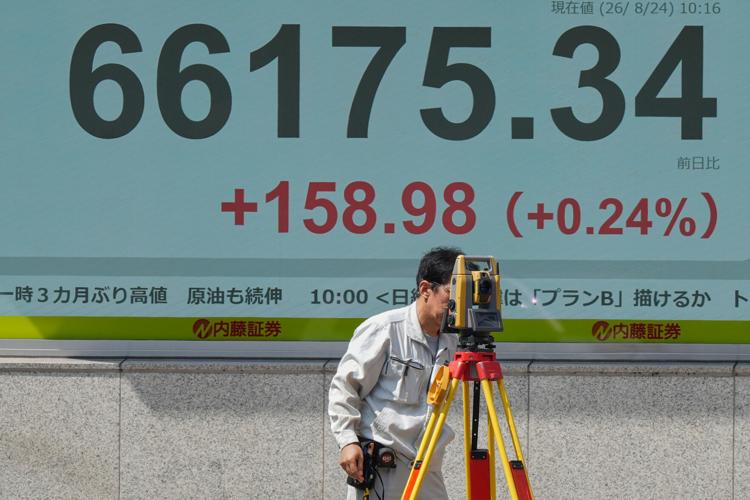
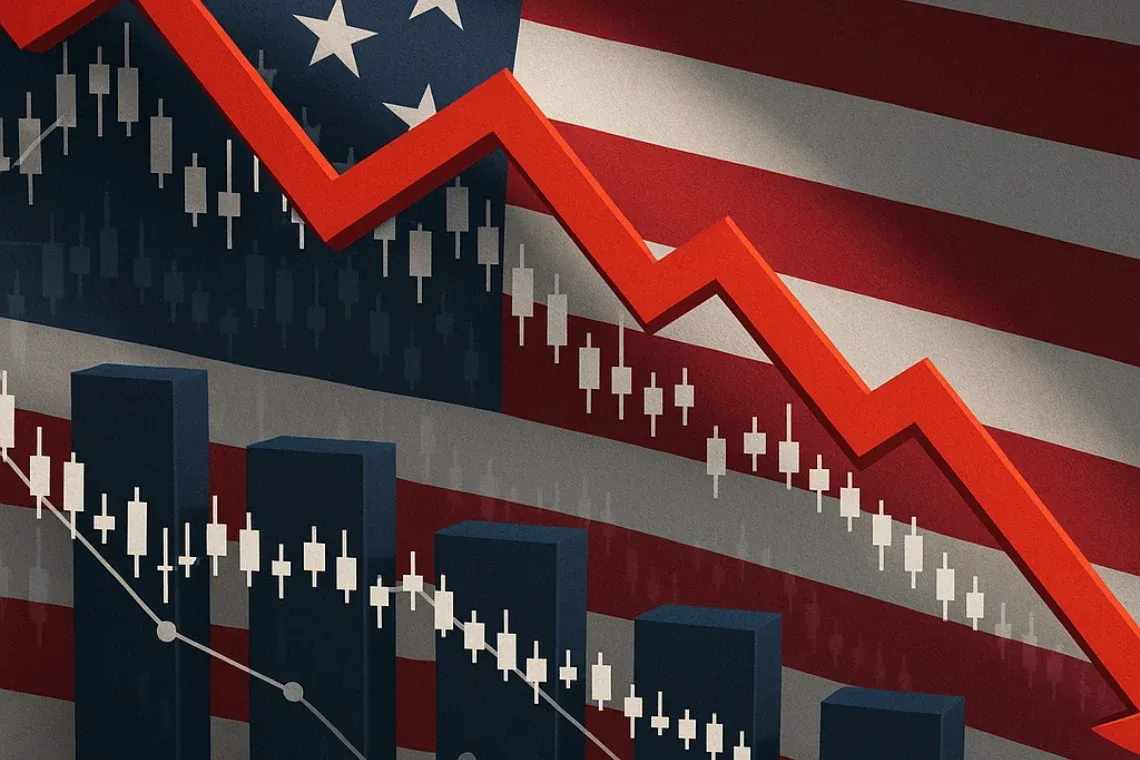
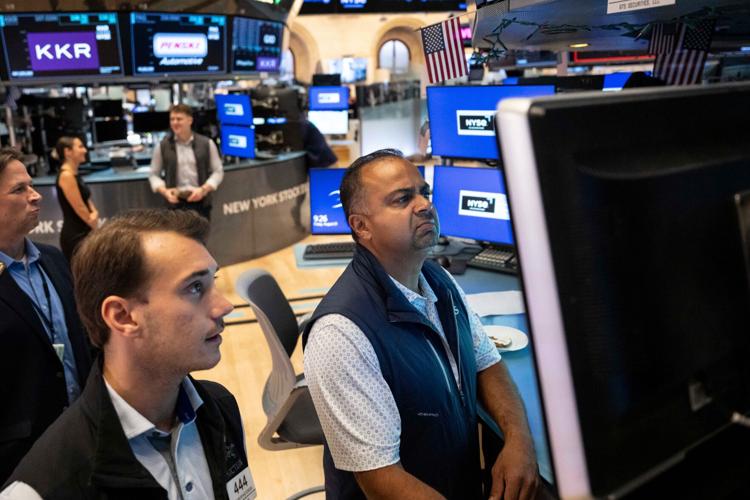
On August 24, 2026, market volatility triggered by geopolitical tensions and regulatory pressures creates significant implications for cross-border e-commerce sellers. The S&P 500 fell 0.28% while the Nasdaq dropped 0.76%, with semiconductor stocks leading declines—Nvidia down 2.9%, Micron down 5.8%, Broadcom down 2.6%. This semiconductor weakness directly impacts sellers sourcing electronics components, computer peripherals, and tech accessories from Asia-Pacific suppliers who rely on these chip manufacturers.
The more immediate threat for sellers comes from President Trump's threatened 50% tariffs on Canadian automotive products starting January 1, 2027. This creates a critical 4.5-month window for sellers to reassess supply chains. Sellers currently sourcing automotive parts, accessories, and related electronics from Canada face margin compression of 8-15% if tariffs are implemented. Specifically, automotive aftermarket sellers (car accessories, OBD2 scanners, dash cams, LED lighting) will see landed costs increase significantly. For example, a seller importing $50,000 monthly in automotive accessories from Canada would face an additional $25,000 in tariffs—devastating for thin-margin categories.
Simultaneously, Texas Governor Greg Abbott's pause on new AI data center approvals signals political headwinds against infrastructure expansion. While this doesn't directly impact sellers, it constrains cloud computing capacity growth, potentially increasing AWS and cloud service costs for sellers relying on AI-powered tools for inventory management, pricing optimization, and customer service. Treasury yields remaining above 5% also increase borrowing costs for sellers seeking inventory financing—a critical factor for Q4 holiday season preparation. The political opposition to AI data centers creates a secondary effect: reduced investment in e-commerce infrastructure improvements, meaning sellers should expect slower platform feature rollouts and potentially higher advertising costs as platforms optimize existing infrastructure rather than expanding capacity.
For sellers, the immediate priority is tariff mitigation: evaluate Canadian sourcing exposure, identify alternative suppliers in Mexico or US-based manufacturers, and accelerate imports before January 1, 2027. Semiconductor supply chain disruption presents a counter-opportunity—sellers can source alternative chips from non-affected suppliers or pivot to products with less chip dependency. Monitor the Federal Reserve's Jackson Hole speech (referenced as Friday's event) for interest rate signals that will impact Q4 financing availability.
Questions 8
What is the timeline for monitoring geopolitical impacts on sourcing?
Critical dates: (1) August 24, 2026 (today): Market volatility signals; (2) Wednesday (August 28): PCE inflation report—watch for impact on consumer spending; (3) Friday (August 29): Federal Reserve Jackson Hole speech—critical for interest rate signals; (4) September 30, 2026: Deadline for Canadian tariff mitigation planning; (5) January 1, 2027: 50% Canadian tariffs effective. Sellers should establish weekly monitoring of: Trump administration tariff announcements, semiconductor stock performance (proxy for supply), Treasury yield movements, and Federal Reserve communications. Set calendar alerts for Jackson Hole speech and PCE report to adjust financing and sourcing strategies accordingly.
How can sellers hedge against tariff and supply chain risks?
Risk mitigation strategies: (1) Diversify suppliers across 3+ countries to reduce single-country tariff exposure; (2) Accelerate imports of tariff-sensitive products before January 1, 2027; (3) Build 60-90 day safety stock of high-margin items; (4) Negotiate fixed-price contracts with suppliers to lock in pre-tariff costs; (5) Consider nearshoring to Mexico for automotive/electronics categories; (6) Shift product mix toward tariff-exempt categories (apparel, home goods); (7) Implement dynamic pricing to pass tariff costs to consumers without losing competitiveness. Sellers with $500K+ annual revenue should engage tariff consultants to model scenarios. Small sellers should focus on supplier diversification and accelerated imports as primary hedges.